Blog

How to Winter Garden in Zone 6: Protecting Your Water Garden Through the Cold Months

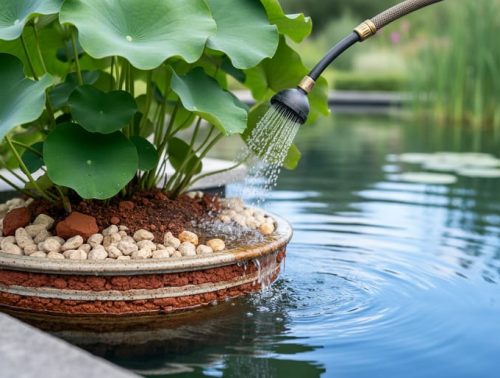
Winter gardening in Zone 6 means protecting your water garden through moderate freezes without the extreme measures needed in colder climates or the minimal prep of warmer zones. Your pond will face temperatures that dip to minus 10°F, enough to freeze shallow water solid but manageable with the right October-to-November preparation routine. The key is keeping fish safe below the ice, preventing equipment damage from freeze-thaw cycles, and ensuring hardy plants survive dormancy to bounce back in spring.
This zone sits in the sweet spot where you can overwinter many aquatic plants and goldfish right in the pond, but only if you …

Read more How to Winter Garden in Zone 6: Protecting Your Water Garden Through the Cold Months

Hydro-Flow Filtration Systems: What They Are and How They Keep Your Pond Sparkling

A hydro-flow filtration system uses a pressurized chamber to force pond water through layered mechanical and biological media, delivering cleaner water back to your pond through spray bars, fountains, or waterfalls. Unlike gravity-fed box filters that rely on water trickling downward, hydro-flow systems actively push water through dense filtration materials, making them especially effective for ponds with koi, goldfish, or heavy plant debris. They’re compact, versatile, and excel in hybrid setups where you need both filtration and a decorative water feature working together.
If you’ve been wrestling with cloudy water or …

Read more Hydro-Flow Filtration Systems: What They Are and How They Keep Your Pond Sparkling

What Is Small Pond Design (and How Does It Work)?

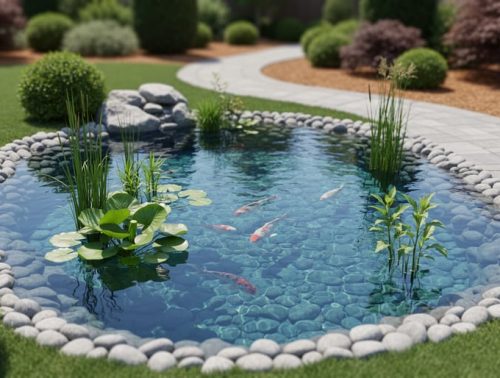
A small pond is any water feature under 500 square feet, typically ranging from 50 to 300 square feet, designed to fit comfortably in a compact yard, patio, or garden corner while still supporting fish, plants, and wildlife. These scaled-down ecosystems prove you don’t need acres of land to enjoy the sight and sound of moving water or the satisfaction of cultivating a living aquatic habitat.
Small pond design matters because it makes water gardening accessible to nearly anyone with a patch of outdoor space. I’ve watched friends transform forgotten side yards and narrow garden strips into thriving water features that host…

Read more What Is Small Pond Design (and How Does It Work)?

How to Build an Edible Ecosystem Teaching Garden with Water Features

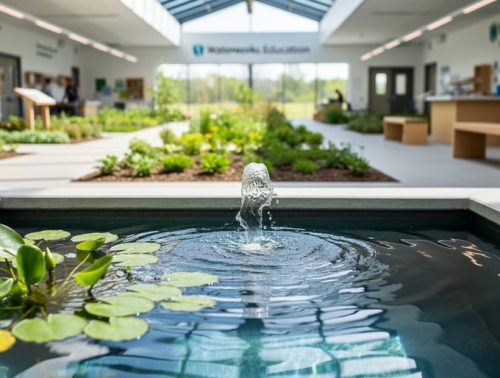
An edible ecosystem teaching garden combines a productive food garden with aquatic plants and water features to create a self-sustaining outdoor classroom where students learn ecology by growing their own meals. You can build one in a weekend using a simple pond liner or container, then stock it with watercress, water chestnuts, and lotus alongside land-based vegetables, creating visible connections between water cycles, nutrient flow, and food production that make abstract concepts tangible for learners of all ages.
The magic happens when kids see tadpoles eating algae that feeds on plant waste, or watch dragonflies control …

Read more How to Build an Edible Ecosystem Teaching Garden with Water Features

Native Plant Community Gardeners: Building a Thriving Water Garden Swap Network

Native plant community gardeners have cracked the code on building thriving, low-maintenance water gardens: they gather locally to swap regionally adapted aquatic plants, share proven growing techniques, and build lasting connections with fellow pond enthusiasts. This grassroots approach delivers something garden centers can’t match: free or low-cost plants already proven to thrive in your specific climate, plus the collective wisdom of neighbors who’ve actually grown them in conditions identical to yours.
If you’ve struggled to find native water plants suited to your region, or felt isolated trying to solve pond …

Read more Native Plant Community Gardeners: Building a Thriving Water Garden Swap Network

How to Build an Aquaponics System in Marquette: Integrated Pest Management for Cold Climates

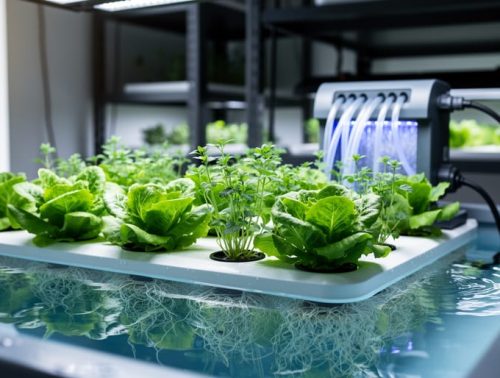
Yes, you can build a thriving aquaponics system in Marquette, Michigan, even with Zone 5 winters and months of indoor growing. The key lies in combining proper system design with natural, fish-safe pest management strategies that keep your closed-loop ecosystem healthy without chemical interventions.
I’ll be honest: when I first heard about aquaponics in the Upper Peninsula, I was skeptical. Marquette’s long, dark winters and temperature swings seemed like deal-breakers for a system that needs warm water, consistent light, and pest-free plants. But after working with local growers and testing setups in my own heated …

Read more How to Build an Aquaponics System in Marquette: Integrated Pest Management for Cold Climates

Media Filter Cartridge Review: What Pond Owners Need to Know in 2026

Media filter cartridges are the workhorses of mechanical pond filtration, and after testing them across a range of pond sizes and filtration setups, we can confidently say they excel at trapping suspended debris and keeping water crystal clear when matched to the right system. The reason they perform so well is simple: their pleated design packs an enormous amount of surface area into a compact cylinder, capturing everything from fine silt to fish waste particles as water flows through. This makes them ideal for pond owners who want low-maintenance, high-efficiency filtration without the space demands of bead filters or the constant …

Read more Media Filter Cartridge Review: What Pond Owners Need to Know in 2026

How to Use Thermal Zoning to Keep Your Pond Fish Healthy Year-Round

You can create effective thermal zones in your pond by combining shade structures, strategic water circulation, and cool-water refuges to give fish safe havens when temperatures spike. This isn’t complicated pond engineering. It’s about understanding that different areas of your water feature can serve different purposes, especially during those brutal summer stretches we’re all facing more often now.
Thermal zoning works because fish are smart. When part of your pond stays cooler, they’ll naturally migrate there during heat stress, just like you’d move to the shade on a scorching afternoon. The …

Read more How to Use Thermal Zoning to Keep Your Pond Fish Healthy Year-Round

How to Choose a Submersible Pond Water Pump: A Buying Guide

A submersible pond water pump is an underwater motor that sits at the bottom of your pond, pulling water directly from the source to power fountains, waterfalls, filters, or circulation systems. The right pump keeps your pond healthy by moving water constantly, preventing stagnation, oxygenating the water, and supporting your fish and plants. Getting the size wrong is the most common and costly mistake: too small and your waterfall trickles instead of flows, too large and you waste energy while creating excessive current that stresses fish.
Most pond owners need between 1,000 and 3,000 gallons per hour (GPH) for a typical backyard …

Read more How to Choose a Submersible Pond Water Pump: A Buying Guide

How to Protect Your Pond from Forest Carnivores Near Coniferous Woods

Protecting your pond from forest carnivores like raccoons, herons, otters, and foxes requires a layered defense strategy combining physical barriers, habitat modification, and smart deterrents. The most effective approach uses mesh netting or pond covers as your primary defense, supported by motion-activated lights and strategic planting that removes hiding spots near the water’s edge. Most pond owners in wildlife zones can implement a basic protection system in a …

Read more How to Protect Your Pond from Forest Carnivores Near Coniferous Woods