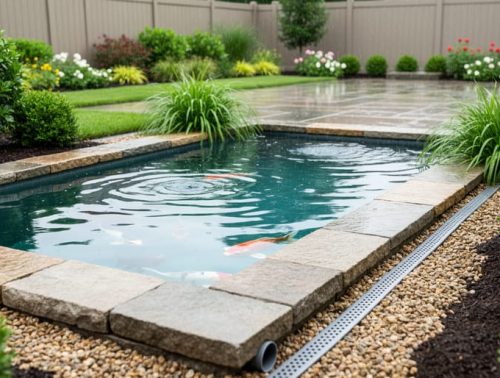
Why Your Pond’s Health Depends on a Redox Potential Meter

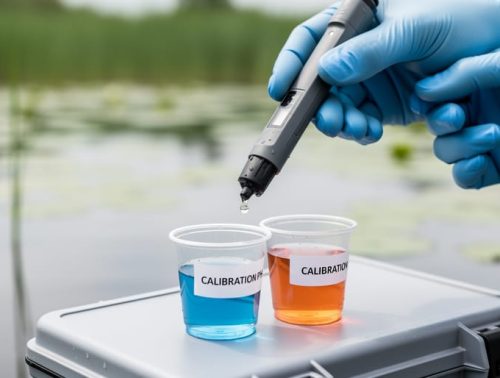
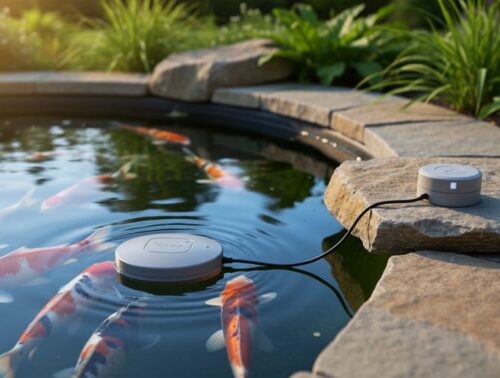
Your pond’s water holds invisible electrical signals that tell you whether it’s thriving or heading toward trouble. A redox potential meter measures these signals, giving you a numerical reading (in millivolts) that reveals the oxidation-reduction balance in your water. Think of it as taking your pond’s pulse.
Most pond owners rely solely on pH tests and ammonia strips for water quality monitoring but they’re missing half the story. Redox readings between…

Read more Why Your Pond’s Health Depends on a Redox Potential Meter

Why Your Guppy Pond Keeps Failing (And How to Fix It for Good)

Choose a pond location that receives 4-6 hours of sunlight daily but includes afternoon shade, especially during summer months when guppies become heat-stressed above 82°F. Position your pond near a power source for filtration and heating equipment, yet far enough from trees to minimize debris cleanup and predator access from overhanging branches.
Install a minimum 100-gallon capacity pond to maintain stable water parameters, since guppies are sensitive to temperature and pH fluctuations that smaller volumes can’t buffer effectively. Line your excavated area with proper underlayment before adding EPDM rubber liner, ensuring …

Read more Why Your Guppy Pond Keeps Failing (And How to Fix It for Good)

Is Your Pond Water Safe? Testing That Protects Your Fish and Plants

Test your pond water every two weeks during active months and weekly during summer heat spikes when fish activity peaks and algae blooms threaten. Grab a test kit from your local garden center—liquid drop tests give more accurate readings than paper strips—and check five critical parameters: pH (should stay between 6.5-8.5), ammonia (must be zero), nitrite (also zero), nitrate (below 40 ppm), and dissolved oxygen (minimum 6 ppm for healthy fish). Collect water samples from mid-depth rather than the surface where debris floats or the bottom where sediment settles, and always test at the same time of day since readings fluctuate with …

Read more Is Your Pond Water Safe? Testing That Protects Your Fish and Plants

Set It and Forget It: Your Pond’s Self-Maintaining Water Change System

Transform your pond maintenance routine from a weekly chore into a completely hands-free operation by installing a simple automatic water change system that works while you sleep. Picture this: crystal-clear water, healthy fish, and thriving plants without ever hauling another bucket or wrestling with hoses on Saturday mornings.
Your pond loses water daily through evaporation and fish waste constantly builds up harmful compounds, creating a maintenance treadmill that never stops. An automatic system solves both problems simultaneously by adding fresh water on a timer while removing old water through an overflow drain, exactly like …

Read more Set It and Forget It: Your Pond’s Self-Maintaining Water Change System

These Pond Safety Signs Could Save a Life (Here’s What You Need)

Position clear warning signs at every access point to your pond—including gates, pathways, and viewing areas—to alert visitors about water depth, no-diving zones, and supervision requirements for children. Your pond may be a beautiful centerpiece, but without proper safety signage, it can quickly become a liability, especially if neighbors’ kids or delivery workers wander into your yard.
Choose weatherproof materials like aluminum or UV-resistant plastic that can withstand constant sun exposure, rain, and temperature fluctuations for years without fading. Cheap vinyl signs might save you money upfront, but they’ll …

Read more These Pond Safety Signs Could Save a Life (Here’s What You Need)

When Disaster Strikes: Your Pond’s 6 P’s Emergency Evacuation Plan

Picture this: You’re watching storm warnings on TV when you realize your beloved koi and goldfish could be in serious danger. Floodwaters, power outages, and evacuation orders don’t wait for you to figure out a plan. That panicked feeling of not knowing how to protect years of investment and creatures you’ve grown to love is exactly why emergency preparedness matters for pond owners.
The 6 P’s of evacuation framework gives you a clear, actionable system to protect your fish and pond investment when disaster strikes. Originally developed for general emergency preparedness, this approach translates perfectly to…

Read more When Disaster Strikes: Your Pond’s 6 P’s Emergency Evacuation Plan

Your Pond Pump Stopped Working? Fix It Yourself in 30 Minutes

**Recognize the Warning Signs Before Your Pool Pump Dies Completely**
Listen for unusual grinding noises, check for water leaks around the motor housing, and watch for weak water flow—these symptoms tell you exactly what’s failing in your pool pump and filter system. Most repairs you can handle yourself with basic tools and about an hour of your time, saving hundreds in service calls.
Your pool pump works hard every single day, circulating thousands of gallons through your filtration system. When it starts acting up—whether it’s a clogged impeller, a worn-out seal, or a filter that won’t hold pressure—…

Read more Your Pond Pump Stopped Working? Fix It Yourself in 30 Minutes

Save Your Pond: Simple Steps to Fix Liner Leaks Fast

Locate pond liner leaks quickly by adding non-toxic dye to the water and watching for color trails, or inspect the liner during dry conditions for visible tears and punctures. Follow these expert pond leak solutions to restore your water feature’s integrity. Apply a specialized underwater patch kit for immediate temporary repairs, ensuring the surface is clean and dry before application. For permanent fixes, drain the pond partially, thoroughly clean the damaged area, and use EPDM rubber patches with …

Read more Save Your Pond: Simple Steps to Fix Liner Leaks Fast

Keep Your Pond Perfect: Essential Diaphragm Pump Care Made Easy

Protect your diaphragm pump’s lifespan and maintain peak performance with proper maintenance – it’s simpler than you might think. Regular care prevents costly breakdowns, ensures consistent water flow, and extends your pump’s operational life by years. Whether you’re maintaining a pond pump or industrial equipment, following a structured maintenance routine is crucial. This guide walks you through essential diaphragm pump care, from basic cleaning procedures to preventive checks, helping you avoid common issues and keep your system running smoothly. By spending just 30 minutes each month on maintenance, you&#…

Read more Keep Your Pond Perfect: Essential Diaphragm Pump Care Made Easy

Keep Your Pond Pumping: Essential Irrigation Pump Care Made Simple

Maintain your irrigation pump’s peak performance through a consistent maintenance routine and proper pump operation. Regular inspection of seals, bearings, and impellers prevents costly breakdowns and extends equipment life. Clean intake screens monthly to prevent debris buildup and ensure optimal water flow. Monitor unusual sounds, reduced water pressure, or irregular operation – these early warning signs demand immediate attention to avoid system failure. Understanding your pump’s …

Read more Keep Your Pond Pumping: Essential Irrigation Pump Care Made Simple