
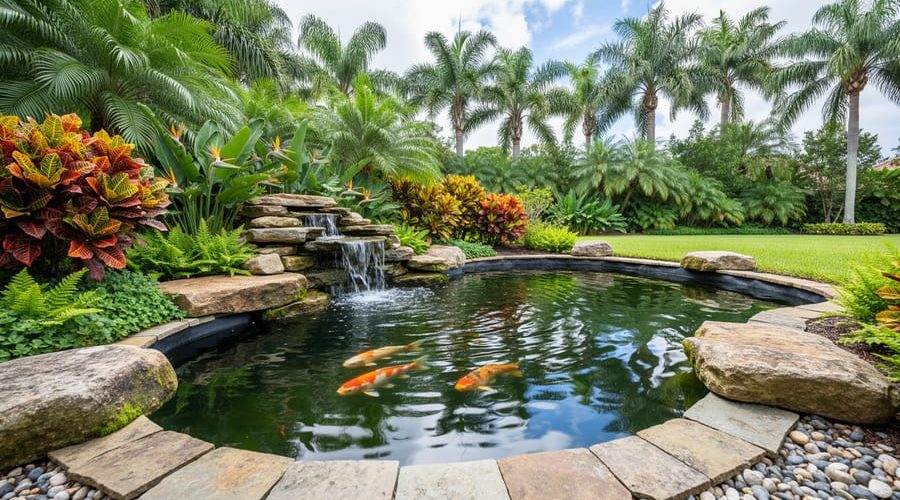
What Is Reg Permitting SFWMD and How Does It Apply to Your Water Garden?
Planning a backyard pond or water feature in South Florida? You’ll likely need a permit from the South Florida Water Management District (SFWMD), an agency responsible for protecting water resources across the southern portion of the state. The permitting process varies based on your project’s size and complexity, but understanding when you need one and how to apply will save you time, money, and potential legal headaches.
Here’s what you need to know right up front: SFWMD regulates activities that could affect wetlands, surface water, or groundwater, which includes most residential ponds and water features beyond simple decorative elements. The District reviews applications to ensure your project won’t harm local water quality, disrupt drainage patterns, or interfere with neighboring properties.
For many water gardening enthusiasts, the idea of regulatory permits feels overwhelming. I remember planning my first koi pond and assuming I could just dig wherever I wanted. Wrong. That mindset can lead to expensive mistakes, from fines to mandatory removal of your beautiful water feature. The good news? Once you understand what the District is looking for and why these regulations exist, the process becomes far more manageable.
The District’s permit review focuses on specific criteria designed to protect South Florida’s unique water ecosystem. Your application will be evaluated based on factors like project location, size, water source, and potential environmental impact. While specific requirements can differ depending on your county and the details of your project, the core objective remains consistent: ensuring residential water features don’t compromise the larger water management system that keeps South Florida habitable.
This guide walks you through what SFWMD reg permitting actually means, when you need one, what the application process involves, and how to work with local District staff to get your project approved without unnecessary delays.
Understanding SFWMD and Its Role in Water Garden Regulation
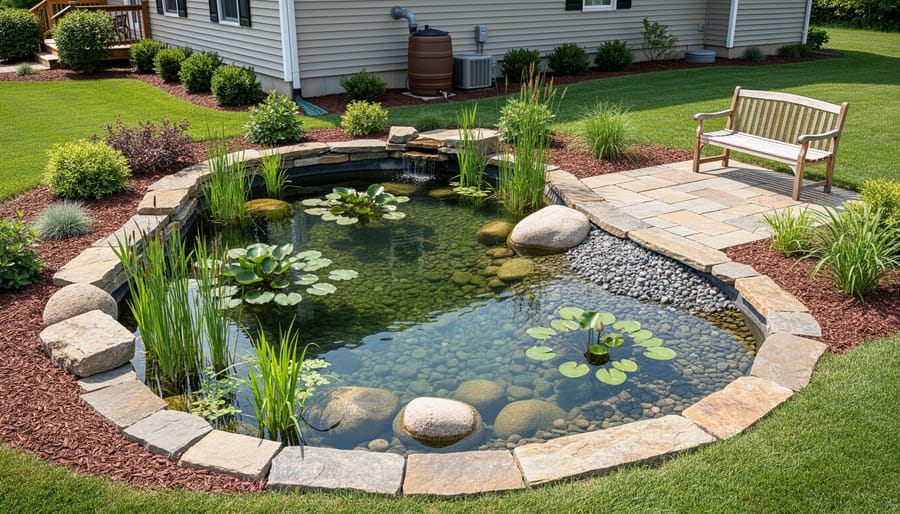
The South Florida Water Management District is one of Florida’s five regional water authorities, overseeing water resources across a 16-county area that stretches from Orlando to the Florida Keys. If you’re planning a water garden in this region, SFWMD’s regulatory authority likely touches your project in ways you might not immediately expect.
The District’s jurisdiction covers more than just large-scale commercial developments. Its reach extends to residential properties where water features connect to or draw from regional water systems. This includes backyard ponds that use well water, fountains that discharge into storm drains, and decorative water gardens that alter natural drainage patterns on your property.
Why does a government agency care about your backyard pond? The District’s primary mission centers on protecting and managing water resources for the entire region. South Florida faces unique water challenges: a shallow water table, extensive wetlands, coastal saltwater intrusion, and seasonal flooding concerns. Your individual water garden might seem small in isolation, but thousands of similar projects across the region create cumulative impacts on drainage, groundwater recharge, and water quality.
The permitting framework exists to balance your creative freedom with broader environmental protection. You can still build that stunning koi pond or bubbling fountain feature you’ve been dreaming about. The District simply wants to ensure your project doesn’t inadvertently harm neighboring properties through altered drainage, doesn’t waste precious water resources, and doesn’t introduce contaminants into the regional system.
District staff reviews applications based on established criteria that evaluate potential impacts. This process helps maintain the delicate balance between individual property rights and collective water resource stewardship that keeps South Florida’s complex water system functioning.
When Your Water Garden Needs a SFWMD Permit
Factors That Trigger Permit Review
District staff evaluate water garden projects through established permit review criteria that focus on protecting South Florida’s water resources while accommodating homeowner projects. The review examines how your water feature interacts with the broader environment rather than applying a simple checklist.
Staff consider whether your project could affect water quality or quantity in nearby wetlands, canals, or drainage systems. They look at how water enters and leaves your pond, whether runoff from your property might carry sediments or chemicals into regulated waters, and if your feature could alter natural drainage patterns that affect neighboring properties.
Environmental impacts receive close attention. Reviewers assess potential effects on native plants and wildlife, particularly if your property sits near conservation areas or protected habitats. The location matters too. Projects near canals, lakes, or wetlands face stricter scrutiny than those situated well inland on higher ground.
The cumulative effect of multiple small projects also factors into decisions. While one backyard pond might seem minor, District staff consider how similar features across a neighborhood could collectively impact regional water systems. This explains why even modest projects sometimes require formal review.
The SFWMD Permit Application Process for Water Gardens
What Information You’ll Need to Provide
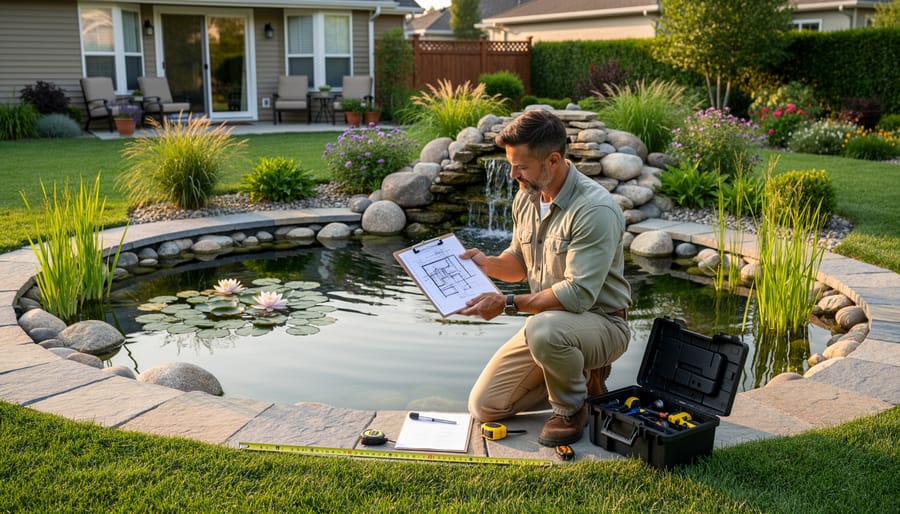
When you’re ready to submit your SFWMD permit application, you’ll need several documents that help District staff evaluate your water garden project. The key pieces they’re looking for include a site plan showing your property boundaries and where your water feature will sit in relation to existing structures, property lines, and drainage patterns.
You’ll also need to explain your water source, whether you’re planning to use municipal water, well water, or rainwater collection. The District wants to understand how water will enter and exit your system, so include details about any overflow paths, drainage connections, or discharge plans. If your water garden ties into existing drainage or connects to any natural water bodies, that information becomes especially important.
The District has established specific permit review criteria that staff follow when evaluating applications. They’ll look at how your project might affect neighboring properties, regional water resources, and local drainage patterns. Some applications may require additional documentation like engineering drawings or surveyor-prepared property plans, particularly for larger or more complex installations.
Before you start gathering documents, check the SFWMD website or call your local District office to confirm exactly what they need for your specific project type. Requirements can vary based on your water garden’s design, and getting the right paperwork together upfront saves time and prevents delays during review.
Finding Permit Information and Advanced Search Tools
Before submitting your permit application, it helps to see what the District has approved in similar situations. SFWMD provides tools for homeowners to research existing permits in their area. The District’s page Searching for other permits walks you through how to use their advanced search features. You can filter by location, project type, or permit status to find water garden projects that received approval. This research gives you a sense of what documentation worked for others and which design approaches met District standards. If you spot a neighbor’s approved pond project, you’ll know they navigated the process successfully. Take note of any patterns in what gets approved, but remember that every site has unique conditions. Your project still needs to meet current District criteria based on your specific property characteristics and water impacts.
Safety Codes and Building Requirements for Water Gardens
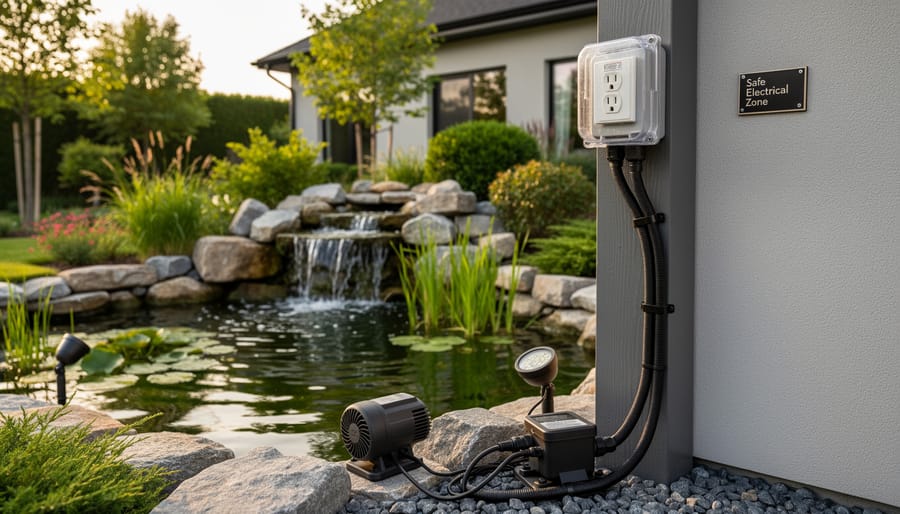
Safe water features blend creativity with compliance, and understanding how safety codes work alongside SFWMD permitting helps you build a pond that’s both beautiful and legally sound. When you’re adding a water garden to your property, you’re dealing with two layers of regulation: the District’s water resource management requirements and your local jurisdiction’s building and safety codes.
Electrical safety sits at the top of most inspectors’ checklists. Any lighting, pumps, or filtration equipment near water must be installed according to the National Electrical Code, which means ground-fault circuit interrupter (GFCI protection) for all outdoor outlets and proper conduit for wiring runs. Many homeowners underestimate how quickly electrical work near water becomes complex, especially when you’re running power to a pond in the middle of your yard rather than close to the house.
Waterproofing standards matter more than you might think. While Specification 26 waterproofing addresses building elements in wet areas, your local code likely has its own requirements for how you seal and protect any structures adjacent to your water feature. This becomes especially relevant if you’re building a raised pond with retaining walls or integrating the feature into a patio or deck.
Structural integrity requirements come into play when you’re excavating or adding weight to your property. A large pond filled with thousands of gallons of water exerts considerable pressure on the ground and any surrounding hardscape. Your local building department will want to ensure that any walls, edging, or adjacent structures can handle the load safely without risking collapse or soil erosion that could affect neighboring properties.
Working With Professionals: When to Call in Help
While many water garden projects are achievable as DIY undertakings, some situations call for professional expertise, both to meet regulatory requirements and to ensure your feature functions safely for years to come.
A licensed electrician becomes essential when you’re installing pumps, filters, underwater lighting, or any electrical components near water. They understand the specific grounding, circuit protection, and wiring standards that keep your water garden safe. Similarly, if your project involves significant earth-moving, structural walls, or raises questions about water table impacts, a civil engineer or surveyor can provide the technical documentation that SFWMD staff need during permit review. Engineers can also stamp plans when the District requires professional certification for larger or more complex installations.
If you’re planning a winter garden or a feature that sits close to property lines, a surveyor ensures your site plan accurately reflects boundaries and elevations. This precision matters because the District evaluates how your water feature might affect neighboring properties.
You don’t necessarily need every professional for every project. Start by reviewing your design against SFWMD’s general criteria, then bring in specialists where your plan touches on areas requiring licensed expertise or formal certification. The investment in professional guidance upfront often saves time and rework during the permitting process, and it gives you confidence that your water garden will meet both safety codes and District requirements.
Common Questions About SFWMD Water Garden Permits
The permitting landscape can feel overwhelming, but most homeowners have similar questions when starting out. Here are the answers to help you move forward with confidence.
Do I need a permit for a small backyard pond?
It depends on factors like your water source, how you handle drainage, and whether your feature connects to existing water systems. Contact your local SFWMD office early in your planning to discuss your specific project rather than making assumptions about exemptions.
What happens if I build without getting the required permits?
Building without proper permits can lead to enforcement action, required removal or modification of your water feature, and potential fines. It’s always safer to check requirements upfront than to face compliance issues later.
Can I modify an existing water garden without a permit?
Significant modifications typically require permit review, especially if you’re changing the size, water source, or drainage patterns. Minor maintenance and repairs generally don’t trigger new permits, but substantial alterations do.
How do I get started with the permit process?
Begin by contacting SFWMD directly to discuss your project concept and determine what’s required. They can guide you through the specific documentation and review criteria that apply to your situation before you invest time and money in detailed plans.
Remember that seasonal winterize with NRCC considerations and ongoing water garden upkeep don’t typically require new permits, but major structural changes do. District staff are there to help, not hinder your project. Most questions can be resolved with a straightforward conversation before you begin construction.
Key Points to Remember
Planning a water garden in South Florida Water Management District territory means thinking ahead. Before you break ground or order materials, reach out to the District to confirm whether your project needs a permit. This early conversation saves time, money, and the frustration of redesigning after you’ve already started building.
Remember that permit requirements exist to protect the region’s shared water resources, not to discourage your project. The District staff reviews applications using established criteria, looking at how your water feature interacts with water sources, drainage patterns, and neighboring properties. When you understand this perspective, you can design features that work with these concerns rather than against them.
Keep detailed records throughout your planning and construction process. Photograph your site, save all correspondence with District staff, and document your water garden’s specifications. This information proves invaluable if questions arise later, and it helps you maintain proper heat readiness and seasonal management as your feature matures.
Don’t hesitate to ask for clarification when permit requirements seem unclear. District staff can explain how regulations apply to your specific situation, point you toward relevant resources, and help you avoid common pitfalls. This collaborative approach transforms permitting from an obstacle into a pathway toward a water garden that serves you well for years to come.