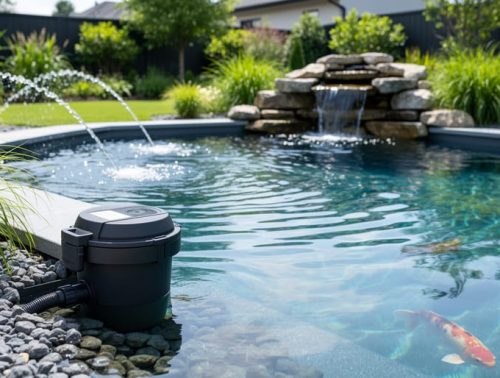
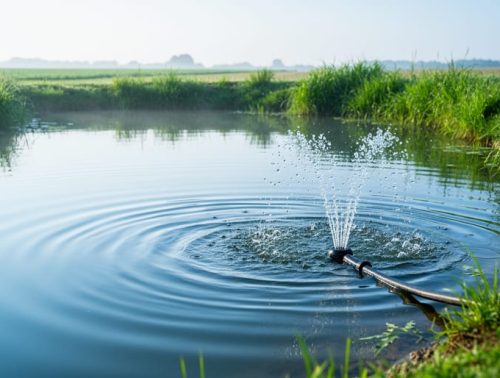
Your Pond is Slowly Turning Into a Swamp (Here’s How to Stop It)

Notice the water’s edge creeping inward each season? That’s sediment accumulation at work, and left unchecked, your crystal-clear pond will transform into a shallow marsh within just a few years. The good news: you can slow, stop, or even reverse this natural process with the right approach.
Every pond faces the same quiet enemy. Rain washes soil from surrounding land. Decomposing leaves and plant material sink to the bottom. Fish waste settles into layers. Algae blooms die off and add their mass to the growing muck. Year after year, these deposits build up, reducing water depth and changing the entire character of your …

Read more Your Pond is Slowly Turning Into a Swamp (Here’s How to Stop It)

How to Protect Your Pond When Wildfire Ash Starts Falling

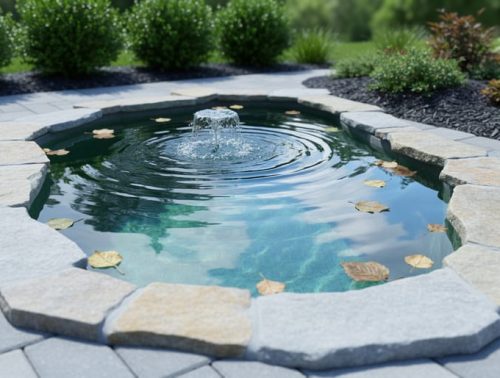
Position your pond as a defensive water reserve by maintaining a minimum 2,500-gallon capacity accessible to firefighting equipment, with a clearly marked access point at least 10 feet wide leading directly to the water’s edge. Install ember-resistant materials within a 30-foot perimeter around your pond—replace wood decking with concrete pavers, stone, or gravel, and remove overhanging branches that could drop burning debris into the water. Create defensible zones using fire-retardant aquatic plants like water lilies and lotus in the pond itself, while keeping surrounding vegetation low, green, and well-irrigated to prevent fire …

Read more How to Protect Your Pond When Wildfire Ash Starts Falling

How School Water Gardens Teach Students to Save Every Drop

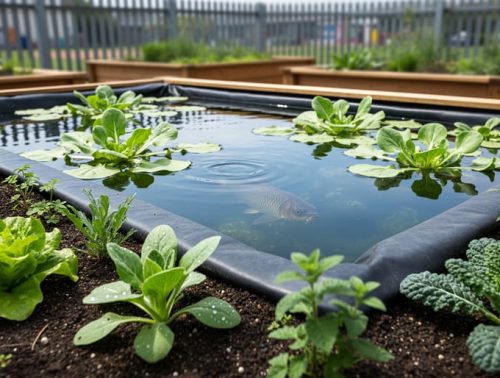
Transform your school into a living laboratory where students don’t just learn about water conservation—they practice it daily through hands-on experiences that stick with them for life. Water conservation schools integrate environmental stewardship directly into the curriculum, using campus water features, rain gardens, and monitoring projects to turn abstract concepts into tangible understanding.
Schools across the country are discovering that when children measure, observe, and care for water ecosystems firsthand, they develop a genuine connection to conservation that lectures alone never achieve. A simple school pond …

Read more How School Water Gardens Teach Students to Save Every Drop

Why Your Wildlife Pond Keeps Failing (The Hydroperiod Secret)

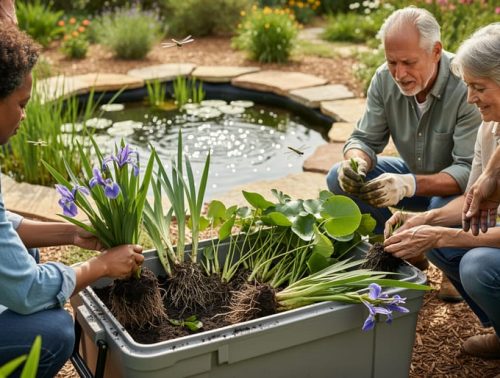
Your pond’s water level shouldn’t stay constant year-round if you want to maximize wildlife. Hydroperiods—the natural seasonal rhythm of water rising and falling—are the secret ingredient that transforms an ordinary garden pond into a thriving ecosystem that attracts everything from dragonflies to frogs.
Think of hydroperiods as nature’s reset button. In the wild, ponds and wetlands naturally fluctuate with rainfall and evaporation, creating zones that are sometimes wet, sometimes dry. This simple variation does something remarkable: it prevents fish from establishing populations in temporary pools, giving …

Read more Why Your Wildlife Pond Keeps Failing (The Hydroperiod Secret)

How Watering Regulations Could Shut Down Your Water Garden (And What to Do About It)

Check your local water district’s website or call their office to understand which restrictions apply to ornamental ponds and water features—many regions exempt established aquatic ecosystems from standard lawn watering bans because they’re closed-loop systems. Document your pond’s recirculating nature by photographing your pump setup and filtration system, as this evidence proves you’re not continuously consuming fresh water like traditional irrigation.
Request a formal exemption in writing if your municipality doesn’t automatically exclude ponds from drought orders, explaining that your water garden…

Read more How Watering Regulations Could Shut Down Your Water Garden (And What to Do About It)

Why Your Guppy Pond Keeps Failing (And How to Fix It for Good)

Choose a pond location that receives 4-6 hours of sunlight daily but includes afternoon shade, especially during summer months when guppies become heat-stressed above 82°F. Position your pond near a power source for filtration and heating equipment, yet far enough from trees to minimize debris cleanup and predator access from overhanging branches.
Install a minimum 100-gallon capacity pond to maintain stable water parameters, since guppies are sensitive to temperature and pH fluctuations that smaller volumes can’t buffer effectively. Line your excavated area with proper underlayment before adding EPDM rubber liner, ensuring …

Read more Why Your Guppy Pond Keeps Failing (And How to Fix It for Good)

When Predators Threaten Your Pond Fish: Making Decisions That Feel Right

Discovering a heron standing at your pond’s edge or finding fish missing after a raccoon visit creates an immediate urge to protect your aquatic friends. Yet the decision to implement predator control shouldn’t be made hastily or emotionally. The most effective approach combines understanding why predators target your pond in the first place with humane deterrent methods that respect local wildlife while keeping your fish safe.
Your pond acts as a beacon to wildlife, advertising itself through visual cues, sounds, and scents that hungry predators can detect from surprising distances. Before considering any control …

Read more When Predators Threaten Your Pond Fish: Making Decisions That Feel Right

These Riparian Animals Are Fighting Your Pond’s Invasive Species (Here’s How to Help Them Win)

Look beyond chemical treatments and filtration systems—your riparian zone’s natural residents are your most effective allies against invasive species. That strip of land where water meets shore hosts an entire ecosystem of hungry, hardworking animals that view your invasive plant and animal problems as their next meal.
The animals thriving along pond edges aren’t just wildlife to admire during your morning coffee. Turtles devour excess vegetation that chokes waterways. Dragonfly nymphs hunt mosquito larvae with relentless efficiency. Native fish species control populations of invasive insects and their eggs. Frogs and …

Read more These Riparian Animals Are Fighting Your Pond’s Invasive Species (Here’s How to Help Them Win)