
How University Community Gardens Are Revolutionizing Water Garden Education
A university community garden transforms unused campus space into a thriving hub where students, faculty, and staff grow food, build connections, and learn together. While traditional vegetable plots have long been the standard, incorporating water gardens into your campus project opens entirely new possibilities for education and engagement.
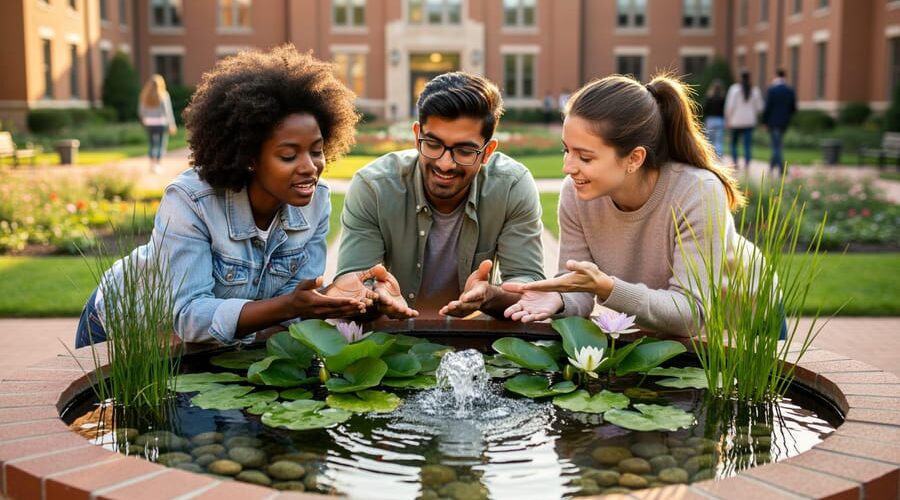
Water gardens bring unique benefits to university settings. They create living laboratories for biology and environmental science courses, offer peaceful study spaces near flowing water, and attract diverse wildlife that enriches campus biodiversity. The collaborative plant selection process becomes especially meaningful when choosing aquatic species, as different departments and student groups can contribute expertise ranging from native plant conservation to aesthetic design.
Starting a water garden component in your university community garden doesn’t require extensive experience or massive budgets. A simple container water garden costs less than fifty dollars and can be installed in an afternoon. These aquatic features naturally draw people together as they observe dragonflies, watch fish glide through water lilies, or simply enjoy the calming sound of a small fountain during study breaks.
This guide walks you through establishing water garden spaces within your university community garden, focusing on inclusive plant selection that engages your entire campus community. Whether you’re launching a new garden from scratch or enhancing an existing plot, you’ll discover practical steps that turn collaborative gardening dreams into reality while creating educational opportunities that extend far beyond traditional soil-based growing.
Why Universities Are Adding Water Gardens to Community Spaces
Universities across the country are discovering that water gardens offer something truly special for campus life. Unlike traditional garden beds, these aquatic spaces bring together students from biology, environmental science, engineering, and even art programs—all gathered around the same pond to learn, experiment, and connect.
I’ve seen firsthand how a simple water feature can transform a university courtyard. At one campus I visited, their community water gardens started as a small biology department project but quickly became the heart of campus. Engineering students tested natural filtration systems, art students sketched the dragonflies that appeared within weeks, and environmental clubs held meetings beside the water.
The real magic happens when students get their hands wet. Water gardens provide living laboratories where you can observe nitrogen cycles, study aquatic plant growth, and watch beneficial bacteria work their magic—all concepts that feel abstract in textbooks but come alive when you’re kneeling beside a pond. Marine biology students cultivate native water plants, while sustainability-focused groups demonstrate rainwater harvesting and greywater recycling techniques that visitors can replicate at home.
These gardens also attract incredible biodiversity to campus. Within a single semester, a well-designed water garden can welcome frogs, beneficial insects, birds, and native fish. This creates ongoing research opportunities and provides students with real-world conservation experience right outside their classroom windows.
Perhaps most importantly, water gardens serve as natural gathering spots. There’s something calming about sitting beside moving water that encourages conversation and community building. Student organizations host yoga sessions and study groups around these spaces, while faculty from different departments find themselves collaborating on projects they might never have considered before. The gentle sound of a fountain or waterfall creates a peaceful retreat from busy campus life, making these gardens valuable for mental health and student wellbeing too.
The Collaborative Plant Selection Process: Getting Everyone Involved
Building Your Selection Team
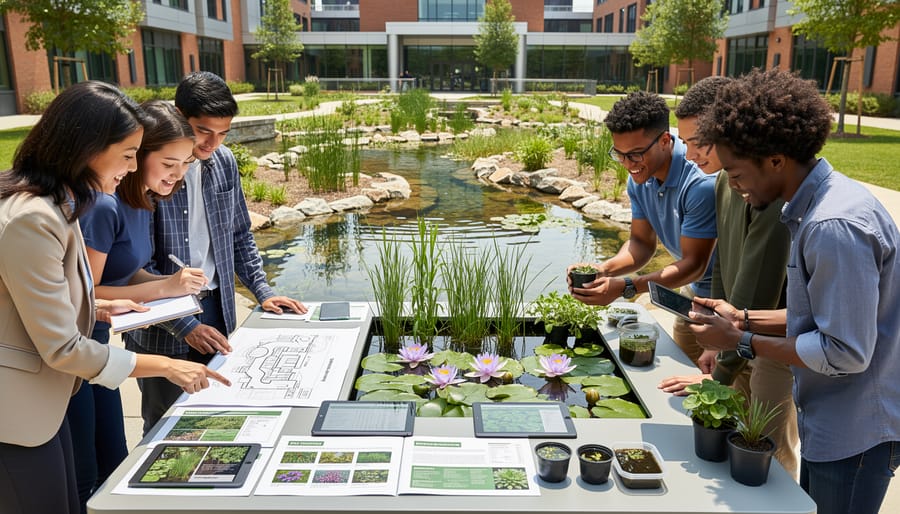
Building a thriving university community garden starts with assembling the right team of passionate people. Think of it like creating a beautiful ecosystem—you need diverse elements working together!
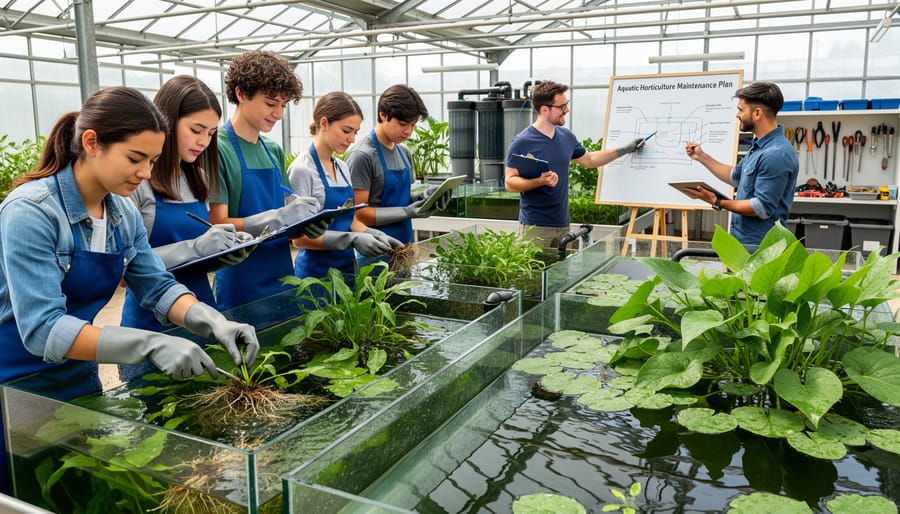
Start by reaching out to horticulture and environmental science students who bring fresh ideas and academic knowledge. Landscape architecture students can help design stunning layouts, while facilities management ensures your garden has proper water access and maintenance support. Don’t forget to invite faculty members who might incorporate the garden into their curriculum, creating a hands-on water workshop experience for students.
Post invitations on bulletin boards, social media groups, and student organizations to welcome interested community members from all backgrounds. The beauty of a community garden is that everyone has something unique to contribute—whether it’s gardening expertise, organizational skills, or simply enthusiasm to learn.
Create inclusive opportunities by scheduling meetings at various times to accommodate different class schedules. Consider forming smaller working groups focused on specific areas like water features, native plants, or educational programming. This approach lets people dive deep into their interests while keeping the overall project manageable. Remember, the most successful gardens grow from diverse perspectives coming together with a shared vision!
Gathering Input and Priorities
Getting everyone’s ideas and needs on the table is the exciting first step in creating your university community garden! I’ve learned through my own water gardening projects that bringing people together from the start makes all the difference.
Start by hosting an open forum or survey where students, faculty, maintenance staff, and administrators can share their visions. Ask specific questions: What would students like to learn? Which aquatic plants interest biology departments? What maintenance time can grounds crews realistically commit? Understanding these perspectives early prevents headaches later.
Create simple visual surveys with photos of different water garden styles—from formal fountain features to naturalistic pond ecosystems. This helps people who aren’t gardeners articulate what appeals to them. I remember when we planned our campus project, the engineering students got genuinely excited about pump systems while art students focused on reflective water surfaces.
Don’t shy away from budget talk right from the beginning. Being transparent about costs helps everyone prioritize together. Maybe that elaborate waterfall gets scaled back, but you can afford quality pond liners and native aquatic plants that’ll thrive with minimal care.
Balance is key. Your university community garden should serve educational goals—like demonstrating wetland ecosystems—while still being beautiful enough that people want to visit. Include maintenance staff in every conversation; they’re the ones who’ll keep your water garden thriving long-term. When everyone feels heard, you’ll build genuine buy-in that carries the project forward through challenges and celebrates successes together.
Plant Selection Strategies for Educational Water Gardens
Native Plants for Ecological Learning
When your university community garden includes water features, choosing native aquatic plants becomes a fantastic teaching opportunity that goes way beyond simple beautification. These plants are living textbooks, demonstrating real-world ecology in action right on campus!
Native aquatic plants matter tremendously because they’ve adapted perfectly to your local climate and water conditions over thousands of years. This means they thrive with minimal maintenance, require no special fertilizers or treatments, and naturally resist local pests and diseases. For students studying ecology or environmental science, watching these plants interact with their environment provides invaluable hands-on learning about adaptation, nutrient cycling, and ecosystem balance.
Beyond academics, native water plants excel at preserving local wildlife. They attract native pollinators, dragonflies, frogs, and birds that recognize them as natural food and shelter sources. I’ve seen university ponds become bustling wildlife hubs simply by replacing ornamental plants with natives, creating unexpected research opportunities for biology students.
These plants also demonstrate sustainable landscaping principles beautifully. They filter water naturally, reduce algae growth, and eliminate the need for chemical interventions. Students can measure water quality improvements and document biodiversity increases as direct results of native plant choices.
Region-specific options vary widely. In coastal areas, consider species like water ribbons or native rushes. For inland climates, native waterlilies, sedges, and reeds work wonderfully. Check with your local native plant society or agricultural extension office for recommendations perfectly suited to your specific campus location.
Low-Maintenance Options for Busy Campuses
Let me be honest with you—university community gardens face unique challenges. Between semester breaks, final exam craziness, and the natural ebb and flow of student volunteers, your garden needs plants that can practically take care of themselves. I’ve learned this lesson the hard way through years of gardening projects!
Start with native perennials that are already adapted to your local climate. These champions survive because they’re supposed to be there. Think coneflowers, black-eyed Susans, and ornamental grasses that bounce back even after weeks of neglect. They’ll forgive missed waterings during spring break and still look gorgeous when students return.
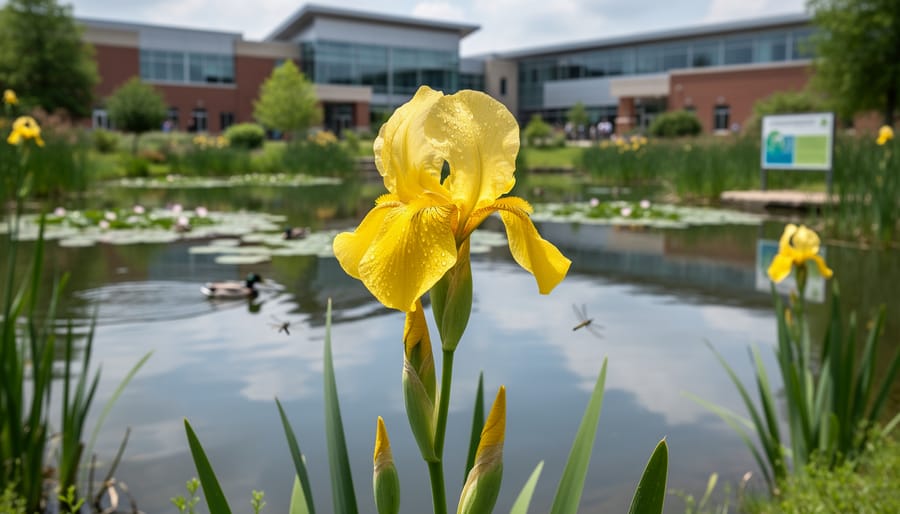
For your university community garden’s water features, choose equally forgiving aquatic plants. Hardy water lilies go dormant in winter and wake up each spring without any fuss. Cattails and rushes are nearly indestructible, providing year-round structure even when the student gardening club takes summer vacation. Floating plants like water lettuce naturally multiply, so losing a few to temperature swings won’t devastate your pond’s appearance.
Consider installing automatic watering systems or drip irrigation on timers. Yes, it’s an upfront investment, but it eliminates the panic of finding someone to water during reading week. Mulch heavily around your plantings—this simple step reduces weeding and conserves moisture when volunteer schedules get unpredictable.
Group plants with similar water needs together. This makes maintenance more efficient when you’ve got limited helping hands available between classes and study sessions.
Designing for Year-Round Interest and Learning
Planning a university community garden water feature that captivates across all seasons takes some creative thinking, but the rewards are worth it! The key is selecting plants that work together to create visual interest even when students scatter during breaks.
Start your planning with evergreen aquatics as your foundation. Hardy rushes like Juncus effusus and dwarf papyrus maintain their structure through winter, providing that essential “something’s happening here” look when campus quiets down. These stalwarts keep your water garden from looking abandoned during December and January.
For early spring engagement, incorporate cold-hardy bloomers that welcome students back from winter break. Marsh marigolds burst into cheerful yellow flowers as early as February in many regions, creating perfect Instagram moments just as campus life resumes. Pair these with variegated sweet flag, whose striped foliage provides year-round architectural interest.
Summer offers the perfect opportunity for multicolor plant combinations that support research projects and photography assignments. Water lilies, pickerel rush, and cardinal flowers create layered learning experiences about pollinator relationships and aquatic ecosystems.
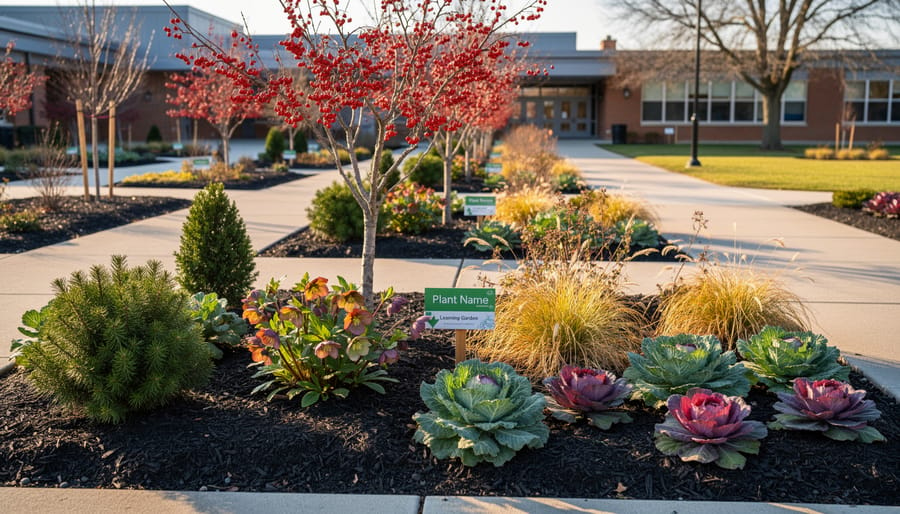
Don’t forget fall interest! Japanese blood grass transitions to brilliant crimson, while seed heads from ornamental rushes provide winter wildlife habitat and texture. These seasonal markers help students track environmental changes throughout the academic year, turning your water garden into a living calendar. Label plants with QR codes linking to seasonal observation guides so students can engage independently, even during lighter academic periods when formal programming pauses.
Budget-Friendly Plant Sourcing for University Projects
Building a thriving water garden for your university community garden doesn’t have to drain your student organization’s budget. I’ve seen countless campus projects flourish using creative, wallet-friendly approaches that actually bring people together in the process.
Start by reaching out to other colleges and botanical gardens in your region for plant swaps. Many institutions have established water gardens with mature plants that need dividing every few years. I remember visiting a community college where their pond lily collection had outgrown their space, and they were thrilled to share divisions with nearby schools. You’d be surprised how willing people are to trade aquatic plants, especially when it strengthens educational networks.
Propagation programs are your secret weapon for stretching every dollar. Many water plants like water mint, pickerel rush, and papyrus grow quickly from cuttings or division. Assign student volunteers to maintain a small propagation station, and within one semester, you’ll have dozens of plants from just a few starter specimens. It’s a fantastic hands-on learning opportunity too.
Local nurseries often support educational initiatives through discounted plant donations or end-of-season sales. Visit in person, explain your university community garden project, and ask if they have display plants or slightly damaged specimens they’d donate. The worst they can say is no, but many garden centers love partnering with schools.
Don’t overlook grant opportunities specifically designed for campus sustainability projects. Organizations like the National Wildlife Federation and various state environmental agencies offer small grants perfect for water garden installations.
Finally, organize student fundraising events like plant sales featuring your propagated aquatic plants. It creates a self-sustaining cycle while engaging the broader campus community in your water gardening vision.
Managing the Water Garden After Installation
Student-Led Maintenance Programs
Keeping your university community garden thriving semester after semester means building a maintenance system that doesn’t depend on just one or two dedicated students. I’ve found that the most successful campus gardens weave care responsibilities into existing campus structures in creative ways.
Start by connecting with your university’s work-study program. Many schools can fund student positions specifically for garden maintenance, giving students both income and hands-on learning. These work-study gardeners become your core team, handling daily watering and basic upkeep.
Next, partner with student clubs—environmental groups, horticulture clubs, or cultural organizations often jump at the chance to adopt garden beds. Each club takes ownership of specific areas, creating friendly competition for the best-maintained spaces.
Don’t overlook academic collaborations! Biology professors love incorporating garden projects into coursework, and landscape design classes can tackle seasonal renovations. One professor I know has students monitor water quality in the campus pond as part of their ecology lab.
The key to sustainability is creating simple training materials—think laminated care guides and video tutorials—that new students can reference each fall. Host a “Garden Orientation” event at the start of each semester where experienced students show newcomers the ropes. This peer-to-peer teaching creates community while ensuring knowledge doesn’t graduate when seniors leave.
Documentation and Knowledge Transfer
Here’s the thing about university community gardens—students graduate, staff members move on, and without proper documentation, all that hard-earned gardening wisdom disappears with them! I learned this lesson the hard way when I returned to a campus pond project after summer break to find nobody knew which plants needed dividing or when the water lilies last bloomed.
Creating lasting institutional memory starts with simple plant logs. Keep a waterproof binder right in your garden shed with basic information: what you planted, when you planted it, and any quirks you noticed (like that one lotus that refuses to bloom unless it gets morning sun). Digital backups work great too—a shared cloud folder means everyone can access planting schedules and maintenance notes from their phones.
Don’t forget seasonal maintenance guides! Write down step-by-step instructions for winterizing your water features, dividing overgrown marginals in spring, and managing algae in summer. Include photos whenever possible—they’re worth a thousand words when explaining how to properly thin hornwort.
Consider appointing a “garden historian” each semester who updates records and trains their replacement. This simple handoff creates continuity that keeps your university community garden thriving for years, regardless of who’s tending it. Think of it as leaving a love letter to future gardeners!
University community gardens—especially water gardens—represent more than just beautiful campus spaces. They’re living classrooms that transform how students, faculty, and staff connect with nature and each other. I’ve seen firsthand how these collaborative projects spark conversations between biology majors and art students, between groundskeepers and professors, all united by shared excitement over watching lotus blooms unfold or dragonflies discover a new pond.
The secret to long-lasting success lies in involving everyone from the start, particularly during plant selection. When community members have a voice in choosing water lilies, marginal plants, and aquatic grasses, they develop genuine ownership. That investment translates into volunteers who show up for maintenance days, students who incorporate the garden into research projects, and alumni who return to see “their” contributions thriving.
If your campus doesn’t yet have a water garden, now’s the perfect time to advocate for one. Start small—even a container water garden can demonstrate potential. Connect with facilities management, student organizations, and environmental clubs. Share success stories from other universities. Remember, every transformative campus water garden began with one person saying, “What if we tried this together?” That person could be you, and the ripple effects will extend far beyond the water’s edge.