How to Prevent Algal Bloom in Your Pond: A Step-by-Step Guide

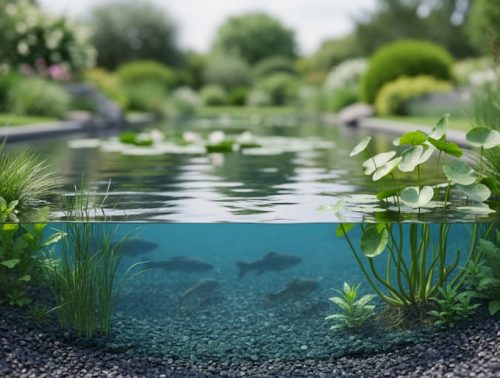
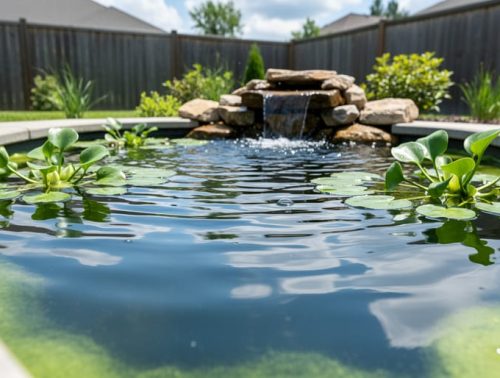
Preventing algal blooms comes down to controlling three factors: excess nutrients, sunlight exposure, and water circulation. When you limit the nitrogen and phosphorus entering your pond, reduce direct sunlight on the water surface, and keep the water moving, you create conditions where algae struggles to take hold. Most pond owners can implement these steps over a weekend using basic equipment and see results within two to three weeks.
I’ve watched countless ponds turn …
Read more How to Prevent Algal Bloom in Your Pond: A Step-by-Step Guide

Muddy Pond Wildlife Management Area: What Pond Keepers Can Learn From Natural Wetland Ecosystems

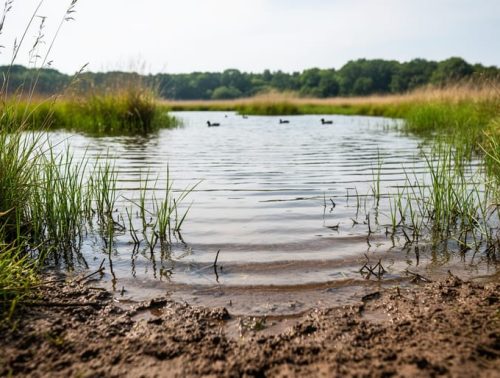
Muddy Pond Wildlife Management Area demonstrates exactly what happens when you let nature take the lead: shallow wetlands thick with native plants, migrating waterfowl by the hundreds, and a self-sustaining ecosystem that requires minimal human intervention. For backyard pond owners, this approach translates into a remarkably practical strategy. Instead of fighting algae with chemicals or constantly adjusting water chemistry, you can borrow proven wildlife management principles to create a pond that balances itself while attracting dragonflies, …

Read more Muddy Pond Wildlife Management Area: What Pond Keepers Can Learn From Natural Wetland Ecosystems

How to Get Your Water Garden Wildlife Certified in 2026

Wildlife garden certification turns your pond into an officially recognized habitat by meeting a set of documented conservation standards, typically verified through an online application and site evaluation process that takes one to two weeks from submission to approval.
If you’ve spent months or even years transforming your backyard water feature into a thriving ecosystem complete with native plants, visiting frogs, and nesting dragonflies, certification offers something meaningful…

Read more How to Get Your Water Garden Wildlife Certified in 2026

Is Pond Water a Compound? Understanding What’s Really in Your Pond

No, pond water is not a compound. It’s a mixture of water molecules, dissolved minerals, organic matter, microscopic organisms, and suspended particles that can all be separated through physical means.
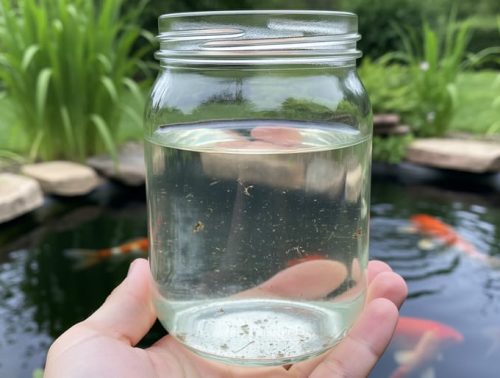
If you’ve ever scooped a jar of water from your pond and held it up to the light, you’ve probably noticed it’s not crystal clear like distilled water from a lab. That cloudiness tells an important story about chemistry. Understanding whether pond water is a compound or mixture matters more than you might think, especially when you’re trying to maintain a healthy ecosystem for fish and plants or …

Read more Is Pond Water a Compound? Understanding What’s Really in Your Pond

How to Build an Organic Pond: A Natural, Chemical-Free Approach

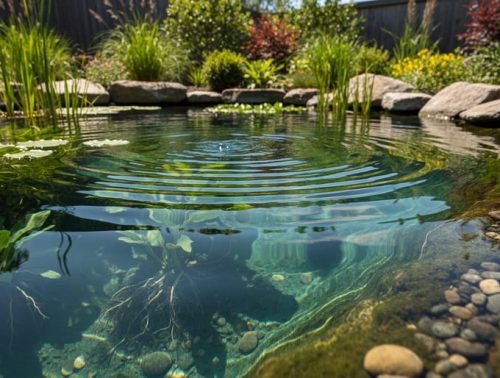
Creating an organic pond means building and maintaining a healthy aquatic ecosystem without relying on chemicals, synthetic algaecides, or artificial filtration systems. Instead, you’ll harness natural biological processes like beneficial bacteria colonies, oxygenating plants, and balanced nutrient cycles to keep the water clear and thriving. Most beginners can establish a functional organic pond in a weekend, though achieving full biological balance typically takes 6 to 8 weeks as the ecosystem matures.
The shift to organic pond care isn’t just about avoiding chemicals. It’s about understanding that a pond is a …

Read more How to Build an Organic Pond: A Natural, Chemical-Free Approach

How to Build a Sediment Pond That Hides Pipes, Filters, and Equipment

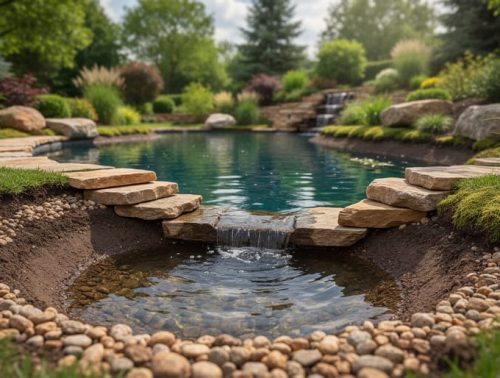
Building a sediment pond starts with excavating a settling basin upstream of your main pond, sizing it to hold roughly 10-20% of your primary pond’s volume, then shaping the bottom with a gentle slope toward a cleanout point. This pre-filter captures soil, debris, and organic matter before they cloud your feature pond, and when designed thoughtfully, the entire system including inlet pipes, overflow structures, and access points can blend seamlessly into your landscape rather than announce itself as a utility basin.
I learned this the hard way years ago when my first attempt at a sediment pond looked exactly like what it was: …

Read more How to Build a Sediment Pond That Hides Pipes, Filters, and Equipment

How to Create a Mosquito Control Plan for Container & Small-Space Waterscapes

A mosquito control plan for small waterscapes protects your patio ponds and container gardens through a three-stage approach: eliminate breeding sites, introduce biological controls, and maintain a weekly inspection routine. Most DIY water gardeners can implement this system in under an hour with materials you likely already own or can pick up at your local garden center for less than thirty dollars.
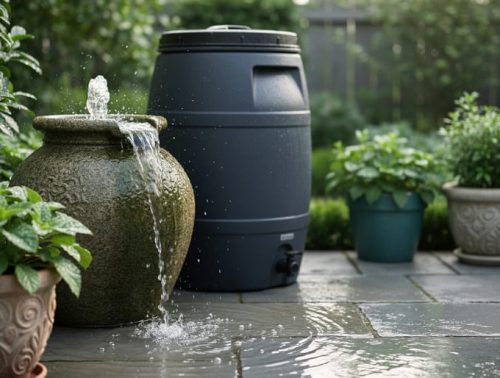
The secret to success isn’t a single product or quick fix. It’s understanding that mosquitoes need only seven to ten days to complete their lifecycle from egg to biting adult. Your decorative fountain or rain barrel becomes …

Read more How to Create a Mosquito Control Plan for Container & Small-Space Waterscapes

When to Refresh Seasonal Containers for Your Water Garden

Switch out your seasonal container plants in early spring (March, April), early summer (June), early fall (September), and late fall (November) to keep your water garden looking fresh and vibrant through every season. Those four windows give you the natural rhythm most water gardeners follow, but your local climate, frost dates, and the specific plants you choose will shift those windows by two to four weeks in either direction.
I’ve learned the hard way that rushing a spring swap before the last frost can wipe out tender aquatics overnight, and waiting too long in fall means you’re scrambling to save plants when ice is …

Read more When to Refresh Seasonal Containers for Your Water Garden

How to Install a Linear Water Feature with Dynamic Seasonal Lighting

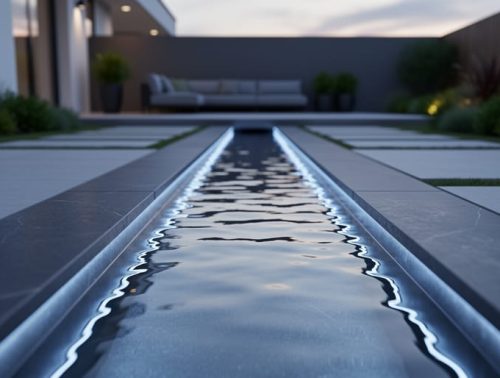
Installing a linear water feature with integrated seasonal lighting takes about two weekends and transforms your outdoor space into a year-round focal point that shimmers by day and glows after dark. The process involves excavating a narrow trench, installing a waterproof liner, setting up a recirculating pump system, and embedding low-voltage LED lights along the water channel before adding your finishing stone or tile edge.
The beauty of linear water features lies in their versatility. Unlike traditional round ponds, these sleek, contemporary channels fit naturally along patios, walkways, or property lines, and the narrow …

Read more How to Install a Linear Water Feature with Dynamic Seasonal Lighting

Edge Pond Management: The Secret to Perfect Water Balance in Your Garden Pond

Edge pond management is the practice of deliberately shaping, planting, and maintaining the shallow margins of your pond to regulate water chemistry, support beneficial biology, and reduce algae naturally. By treating these zones as active filtration and habitat areas rather than simple decoration, you create a self-sustaining system that does far more heavy lifting than traditional open-water setups. The edges act as buffer zones where plant roots absorb excess nutrients, beneficial bacteria colonize gravel …

Read more Edge Pond Management: The Secret to Perfect Water Balance in Your Garden Pond