
Where Your Garden Meets Your Reading List: Creating the Perfect Space for Both
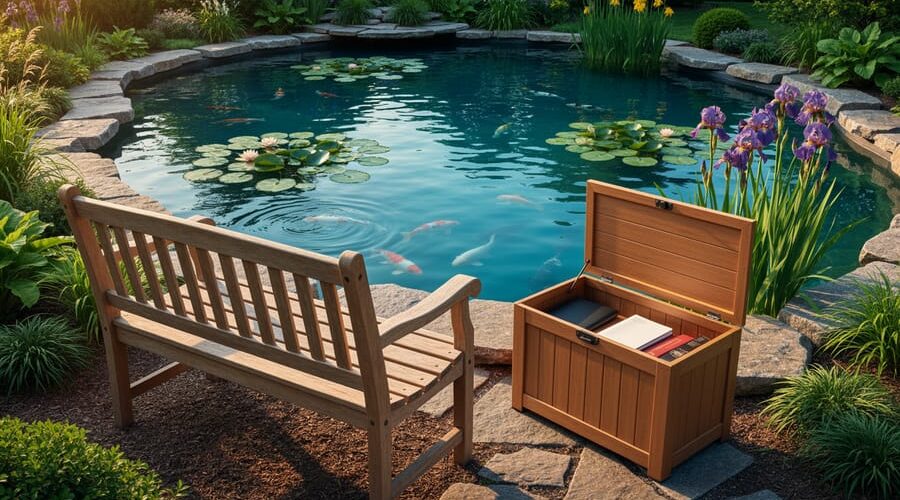
Transform that corner beside your pond into a dedicated reading nook by installing a weatherproof bench and small storage chest where you can keep your favorite water gardening books within arm’s reach of your aquatic projects. Position the seating to face your pond so you can observe fish behavior, plant growth patterns, and seasonal changes while studying diagrams and techniques in your reference materials.
Build your water gardening library starting with three essential categories: pond construction and maintenance guides, aquatic plant encyclopedias, and fish care manuals. Start small with two or three trusted titles, then expand as specific questions arise from your hands-on experiences. Keep a waterproof notebook alongside your books to jot down observations, sketch pond layouts, and record which techniques worked or failed in your own garden.
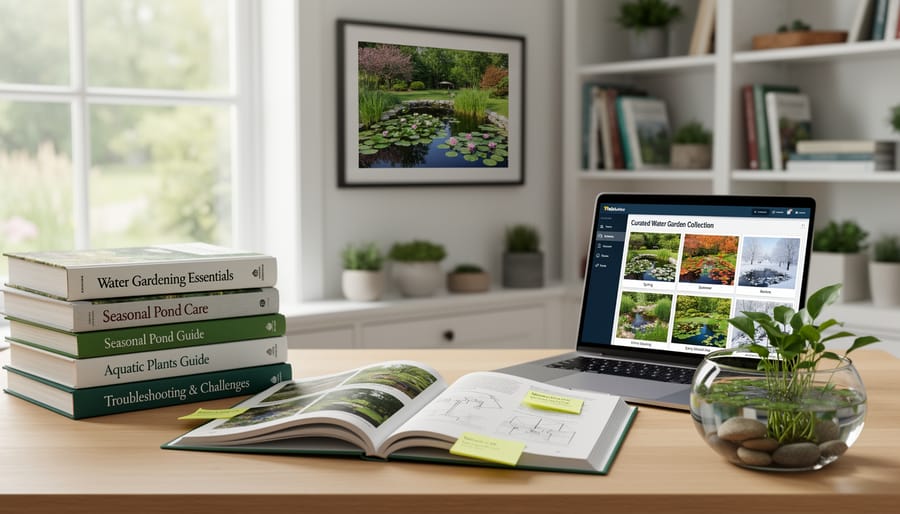
Create a simple cataloging system using sticky tabs or bookmarks to mark pages you reference frequently, like troubleshooting algae problems, seasonal maintenance checklists, or plant compatibility charts. This saves precious time when you’re muddy from pond work and need quick answers without flipping through entire chapters.
Connect your reading to immediate action by choosing one new technique from your current book each month and implementing it in your pond. Whether it’s trying a different filtration method, introducing a new plant species, or adjusting your feeding schedule, this approach transforms theoretical knowledge into practical wisdom you’ll remember far better than passive reading alone.
Why Water Gardens and Books Belong Together
The Learning Never Stops
Here’s the honest truth about water gardening: you’ll never know everything, and that’s what makes it so exciting! Each season brings fresh challenges and discoveries. Your spring pond behaves differently than your autumn one. That mysterious algae bloom needs investigation. Your koi suddenly changed behavior. What’s going on?
This is where your garden library becomes invaluable. I’ve learned that keeping good books and resources nearby transforms problems into learning opportunities. When my first water lilies refused to bloom, I didn’t panic—I grabbed my trusted pond manual and discovered I’d planted them too deep. Crisis solved, lesson learned.
Learning new techniques keeps your pond thriving and your enthusiasm fresh. Maybe you’ll try propagating aquatic plants, experiment with natural filtration methods, or design a new waterfall feature. Each project sends you back to your library for guidance, creating this wonderful cycle of reading, doing, learning, and growing.
Your collection grows alongside your garden, documenting your journey from nervous beginner to confident pond keeper.
Creating Your Sanctuary
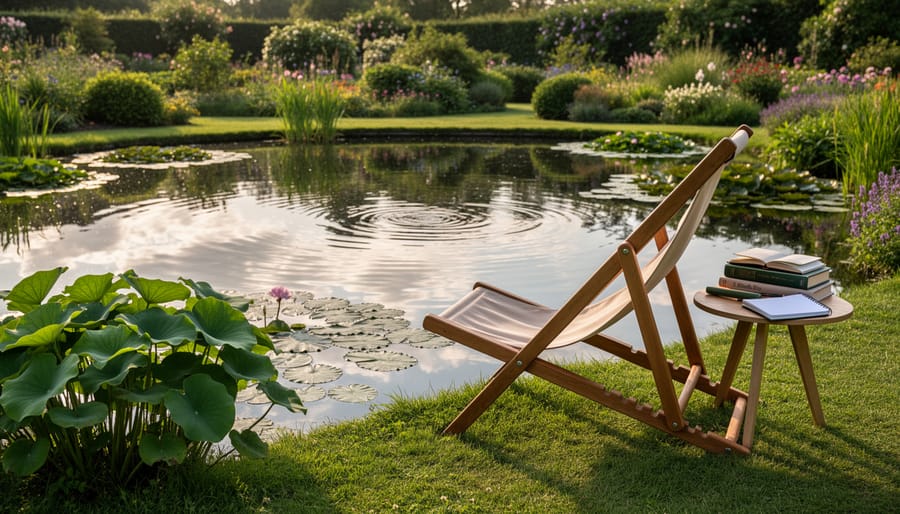
Picture this: you’re settling into your favorite outdoor chair with a cup of tea, your pond guide open on your lap, while the gentle sound of your waterfall creates the perfect background music. This is what combining a reading nook with your water garden is all about—creating a sanctuary that feeds both your mind and soul.
Start by choosing a spot near your pond where you can comfortably observe your aquatic friends. I placed a weather-resistant bench about six feet from my pond’s edge, close enough to enjoy the sights and sounds but far enough to keep my books dry from any splashing. A small side table holds my current stack of pond magazines and planning notebooks.
Consider adding a simple pergola or large umbrella to protect your reading spot from unexpected rain and harsh sun. I’ve learned the hard way that waterlogged pages aren’t much fun! Store a waterproof bin nearby to quickly stash your reading materials when weather rolls in.
This dual-purpose space becomes invaluable for planning projects. You can sketch pond expansions, compare plant photos to what’s growing in front of you, and immediately test ideas you’re reading about. It’s where inspiration meets action.
Setting Up Your Pond-Side Reading Space
Finding the Perfect Spot
Your reading nook deserves a spot that honors both your love of books and your pond. I’ve learned through trial and error that the best location balances three key factors: visibility, comfort, and conservation.
Start by walking around your pond at different times of day. Where do you naturally pause to admire the water? That’s usually your sweet spot. Look for areas about 6-10 feet from the water’s edge—close enough to enjoy the view and sounds, but far enough to avoid disturbing nesting birds or frogs during breeding season.
Shade is your friend here, especially for afternoon reading sessions. A mature tree provides natural cover for both you and your books, though make sure it’s not dropping excessive leaves into your pond. If natural shade is lacking, consider a simple pergola or large umbrella that won’t block your sight lines.
Think about accessibility too. You’ll be carrying books, maybe a cup of tea, so a level path matters. Avoid steep slopes or areas that get muddy after rain. I once placed a bench in what seemed like the perfect spot, only to realize I’d positioned it right where dragonflies love to hunt—meaning I became part of their flight path! A little observation before committing to a location saves regrets later.
Weather-Resistant Storage Solutions
Keeping your water gardening books safe near the pond doesn’t mean sacrificing convenience! I learned this the hard way when my favorite pond plant guide got caught in an unexpected rain shower. Now I swear by waterproof storage containers with tight-sealing lids—the clear plastic ones work beautifully because you can see what’s inside without opening them up.
Consider installing a small weatherproof deck box right beside your favorite pond-side reading spot. These come in various sizes and styles that blend naturally into garden settings. I painted mine sage green to match my surrounding foliage, and it holds about twenty books plus my gardening journal and pen.
For magazines and quick-reference materials, waterproof document sleeves are game-changers. Slip your current reads into these protective pouches, and you can browse them poolside without worry. They’re inexpensive and available at most office supply stores.
If you’re handy, build a simple wooden cabinet with a slanted roof to deflect rain. Treat it with marine-grade sealant, and you’ve got charming storage that doubles as a garden feature. Add some hooks inside for hanging your pruning shears and water testing kit—everything in one accessible spot!
Comfortable Seating That Lasts
Finding the right seating for your pond-side reading nook takes some thought, but it’s absolutely worth the effort. I learned this the hard way after my favorite cushioned chair developed mildew after just one season near my koi pond! Now I stick with materials designed to handle moisture and temperature changes.
Look for furniture made from weather-resistant materials like teak, cedar, or all-weather wicker with aluminum frames. These hold up beautifully against splashing water and morning dew. For cushions, choose quick-drying outdoor fabrics with removable, washable covers. I personally love adding a storage bench nearby to keep cushions protected when rain threatens.
Comfort matters too, especially for those long reading sessions while watching your fish. Test chairs for good back support and consider adding a small side table for your coffee and pond journal. Adirondack chairs work wonderfully because they’re naturally angled for relaxation, though they sit lower to the ground. If you prefer something higher, look for deep-seated club chairs with wide armrests, perfect for balancing a water gardening book while you observe your latest plant additions thriving in the pond.
Building Your Water Gardening Library
Essential Reading for Every Water Gardener
Building a useful water gardening library doesn’t have to be overwhelming. Start with four essential categories that will answer most of your questions as you develop your pond.
First, invest in a comprehensive pond construction guide. Look for books with clear diagrams showing liner installation, filtration systems, and waterfall creation. These become your blueprint when you’re ready to dig or expand your existing water feature.
Next, grab a detailed plant encyclopedia. You’ll want something with photos showing water lilies, marginal plants, and oxygenators in different seasons. These guides help you choose plants that thrive in your climate zone and understand which ones play nicely together.
Don’t skip fish care manuals, especially if you’re keeping koi or goldfish. A good fish book explains feeding schedules, health issues to watch for, and how to prepare your finned friends for winter. I’ve saved countless fish by having these references within arm’s reach during emergencies.
Finally, add a seasonal maintenance guide to your collection. These practical books walk you through monthly tasks like spring cleanups, algae management, and autumn preparations. They’re perfect companions for your morning coffee while planning weekend projects beside your pond.
Beyond Books: Magazines, Blogs, and Digital Resources
While books form the foundation of your water gardening library, don’t overlook the wealth of knowledge available through magazines, blogs, and digital platforms. Seasonal publications like Water Gardening magazine offer timely advice that aligns perfectly with your pond’s current needs, whether you’re preparing for winter or planning spring plant divisions.
Online communities have transformed how we learn about water features. YouTube channels dedicated to pond keeping provide visual tutorials that bring complex concepts to life—watching someone demonstrate proper liner installation beats reading about it every time. I’ve learned countless troubleshooting tricks from fellow gardeners sharing their experiences in forums and Facebook groups.
Consider subscribing to blogs from established pond suppliers and enthusiasts who post regular updates on seasonal maintenance, new plant varieties, and problem-solving techniques. Many experts now offer virtual consultations, making connecting with experts easier than ever before.
Podcasts are another fantastic resource for hands-free learning while you’re actually working in your garden. Digital resources complement your physical library beautifully, offering real-time solutions and community support that keeps your knowledge fresh and your enthusiasm high throughout every season.
Organizing Your Collection
Keep your water gardening library practical and accessible by organizing resources into categories that match how you actually use them. I sort mine by topic—pond construction, fish care, plant selection, and troubleshooting—so I can grab exactly what I need when issues pop up. Another helpful approach is seasonal organization, keeping spring startup guides separate from winterization resources. For ongoing projects like building a waterfall or installing a bog filter, create dedicated folders or shelf sections where you can gather all related articles, diagrams, and notes in one spot. Simple labels or color-coded tabs work wonders when you’re standing by your pond with algae questions or need to quickly identify a mysterious plant. The goal is making your knowledge instantly available when problems arise, not creating a complex system you’ll never maintain.
Starting Your Own Water Gardening Book Club
Finding Your Fellow Pond Lovers
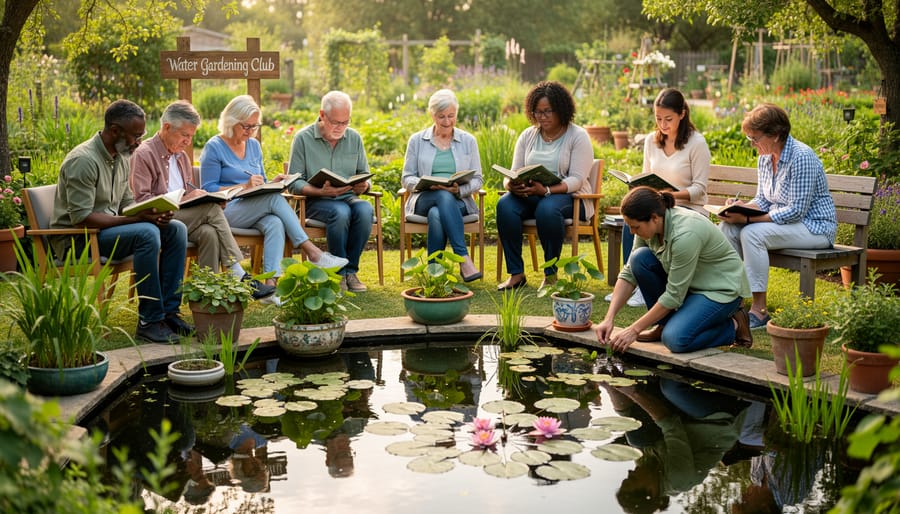
Your local garden center is often the perfect starting point for meeting fellow pond enthusiasts. Chat with staff members who specialize in aquatic plants and equipment—they usually know the active water gardeners in your area and can connect you. Many centers host seasonal workshops or maintain customer bulletin boards where you can post meeting invitations or find existing groups.
Online forums and Facebook groups dedicated to water gardening offer vibrant communities where you can ask questions, share photos, and arrange local meetups. Search for groups specific to your region or climate zone, as members will understand your unique challenges and growing conditions.
Don’t overlook community centers, libraries, and local gardening clubs. These organizations often welcome new special interest groups and may provide free meeting space. Post notices about starting a water gardening book club on community boards at coffee shops, nurseries, and feed stores.
Finding a mentor through these connections can accelerate your learning while building lasting friendships with people who truly understand your passion for ponds.
Choosing Books and Topics
Start with books that appeal to everyone in your club, regardless of experience level. I’ve found that titles combining beautiful photography with practical advice work wonderfully—beginners enjoy the visual inspiration while experienced members appreciate technical details they can discuss. Choose books covering specific topics like native plants, natural filtration, or seasonal pond care rather than overwhelming general encyclopedias.
Rotate between different formats to keep things fresh. Sometimes pick a hands-on guide you can all test in your own ponds, then follow up with a thought-provoking book about ecosystem design or wildlife gardening. Don’t forget regional guides specific to your climate—these spark the most lively conversations since everyone faces similar challenges.
Consider shorter articles or specific chapters rather than entire books for busier months. This keeps momentum going without feeling overwhelming. Let members take turns suggesting titles based on their current pond projects or seasonal interests, which naturally creates relevant, practical discussions everyone can contribute to meaningfully.
Making Meetings Meaningful
The best gatherings blend conversation with practical experience, keeping everyone engaged and learning. Start with a brief discussion of your chosen chapter or topic—maybe fifteen minutes around a table near your pond. Then, move outdoors for a hands-on demonstration. I’ve found that members remember techniques far better when they actually touch the plants, feel the liner material, or watch algae control methods in action.
Consider structuring engaging meetings around seasonal tasks. Spring meetings might focus on dividing water lilies, while autumn gatherings could tackle winterization techniques. Pond tours are always popular—nothing beats seeing how others have solved common challenges or implemented creative designs. Encourage members to bring their toughest questions or current problems. Group troubleshooting sessions create wonderful learning moments for everyone, from beginners to experts.
Keep the atmosphere relaxed and welcoming. Provide simple refreshments, maybe themed to your reading. The goal is building a community where people feel comfortable asking questions, sharing failures alongside successes, and discovering that their water gardening journey is richer when shared with others who understand the joy of a thriving pond.
Learning While You Garden: Practical Applications
The Reference Notebook Method
Think of your reference notebook as your personal water gardening encyclopedia—one that grows alongside your pond. I started mine with a simple three-ring binder, and it’s become my most-used resource because it speaks my language and addresses my specific challenges.
Here’s how to create yours: dedicate sections to different topics like filtration, plant care, seasonal maintenance, and fish health. As you read books or articles, jot down the most relevant insights in your own words. Add your personal observations too—when did your water lilies first bloom? What worked when algae took over last summer? Include photos, sketches, and even failed experiment notes.
The magic happens when you combine information from multiple sources. Maybe one author recommends a specific beneficial bacteria product while another suggests natural filtration methods. Your notebook becomes the place where you compare these approaches and record what actually worked in your pond.
Don’t worry about making it perfect or pretty. Mine has coffee stains and dog-eared pages, but it’s infinitely more valuable than any pristine book on my shelf because it reflects real experience. Add divider tabs for quick reference, and keep it somewhere accessible—perhaps in that cozy reading nook by your pond.
Seasonal Reading Plans
Think of your water gardening library as a seasonal companion that walks alongside you throughout the year. I’ve learned to arrange my reading schedule around what’s actually happening at my pond, and it makes a world of difference.
In winter, when pond work slows down, I dig into those comprehensive guides about fish health and pond ecosystem balance. It’s perfect timing because you can really absorb the information without rushing outside every few minutes. This is when I plan my spring projects on paper, marking pages with sticky notes for techniques I want to try.
As spring approaches, I pull out books on aquatic plant selection and propagation. Reading about new water lily varieties or marginal plants in February means I’m ready to order by March. I keep a notebook nearby to sketch out planting zones and make shopping lists.
Summer reading focuses on maintenance troubleshooting and algae management, while autumn calls for books on winterizing and fish preparation for cold weather. By syncing your reading with your pond’s calendar, you’re always one step ahead, learning exactly what you need when you need it most.
Bringing the library mindset to your water garden transforms what could be a simple hobby into a rich, ongoing journey of discovery. You don’t need a massive collection or a fancy outdoor reading room to get started. Begin with just one comfortable chair tucked near your pond, a waterproof container for a few favorite books, and maybe a notebook to jot down observations about what works in your own space. That’s really all it takes.
What I’ve found most rewarding isn’t just the beautiful pond I’ve created, but the depth of understanding that comes from blending hands-on experience with reading and learning. When you approach water gardening as both a physical practice and an intellectual pursuit, every plant choice becomes more intentional, every problem-solving moment more informed, and every success more satisfying.
The community aspect matters too. Whether you start a formal book club or simply share insights with fellow pond enthusiasts online, connecting over shared learning experiences enriches everyone involved. Remember, the garden itself is your greatest teacher, and your growing library of knowledge—whether books, notes, or conversations—simply helps you listen more carefully to what it’s telling you. Start small, stay curious, and enjoy every step of this rewarding journey.