
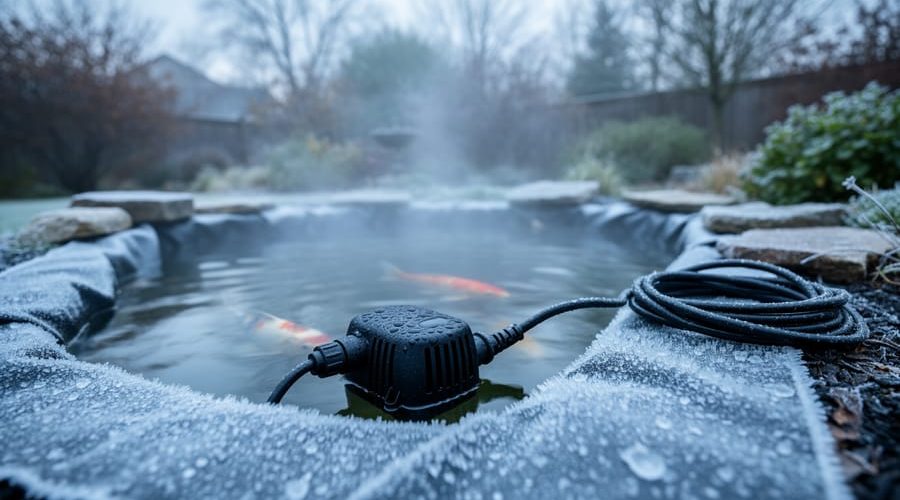
How to Winterize Your Water Garden Using the Northeast Regional Climate Center (NRCC)
You can protect your pond from winter damage by accessing the Northeast Regional Climate Center’s NRCC freeze data to pinpoint your area’s actual first-frost dates, minimum temperatures, and freeze depth patterns, giving you a concrete timeline to shut down pumps, move tender plants, and install de-icers before ice threatens your equipment or fish. This takes about 30 minutes of research and delivers a customized winterization calendar far more precise than generic USDA zone maps.
Here’s why this matters: USDA hardiness zones paint entire counties with the same broad brush, but your backyard microclimate can differ by two full weeks and ten degrees from the official zone designation. The NRCC houses decades of weather station records from your exact region, tracking not just average minimums but also extreme cold events, snowfall totals, and the specific dates when water temperatures plunge below critical thresholds. That distinction means the difference between a pump that survives until spring and a cracked impeller housing that costs $300 to replace.
I learned this the hard way after losing a beloved koi to late-October ice in what was supposed to be a “mild” zone 6 autumn. The USDA map told me I had until mid-November. Local NRCC data showed my township averaged its first hard freeze three weeks earlier, with overnight lows dipping into the teens during clear-sky cold snaps that the broader zone prediction simply missed. One consultation with the NRCC’s online tools gave me the specific dates to drain surface plumbing, lower my waterfall, and move my tropical lilies indoors, and I haven’t lost a plant or a piece of equipment since.
This guide walks you through accessing NRCC climate summaries, interpreting freeze probability charts, and translating raw weather data into a step-by-step winterization checklist tailored to your pond’s location and setup.
Understanding NRCC Climate Data for Your Water Garden
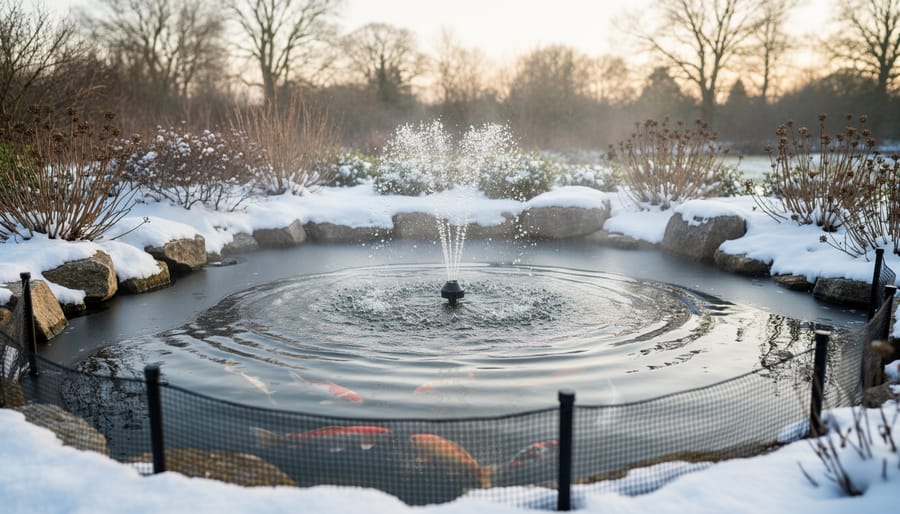
Key Climate Metrics That Impact Your Pond
The first frost date tells you when surface ice will begin forming on your pond, signaling the deadline for removing tender plants and non-winterized equipment. In the Northeast, this typically ranges from late September in northern regions to mid-November further south. A hard freeze, below 28°F for several hours, can crack pump housings left in place and rupture plant cells that aren’t cold-hardy.
Freeze-thaw cycles matter more than a single cold snap. Repeated freezing and thawing stresses pond liners, shifts rock edges, and creates dangerous ice shelves that can trap fish below. NRCC data shows how many cycles to expect in your area, helping you decide whether to install floating de-icers or simply maintain an open hole for gas exchange.
Average winter lows determine if your pond depth is adequate. Fish need water that stays above freezing at the bottom. A pond less than 18 inches deep in a zone averaging 10°F winters will freeze solid. NRCC historical lows reveal whether your current setup protects fish or if you need to move them indoors.
Snowfall totals affect your cover strategy. Heavy, wet snow can collapse netting or push down on pond covers, potentially damaging the liner or harming fish below. Regional snowfall averages guide whether you need reinforced structures or if simple debris netting suffices for your location’s typical winter loads.
Finding Your Regional Data on the NRCC Website
Head to and you’ll land on the homepage with several navigation options. Look for the “Climate Data & Information” tab in the main menu, that’s your starting point.
Click through to find the “Applied Climate Information System” (ACIS). This tool lets you pull custom reports for your exact location. Enter your zip code or select your state and county from the dropdown menus. For water garden planning, you want historical averages rather than daily forecasts.
Under “Climate Summaries,” select “Freeze/Frost Dates” first. This shows your area’s typical first and last freeze dates with probability percentages. A 50% probability means it’s a coin flip, but the 90% date gives you a safer planning window.
Next, check “Temperature Normals” for average winter lows. These tell you how deep cold penetrates and how long it lasts, critical for pond depth decisions.
The site displays data in tables and graphs. Don’t get overwhelmed by all the numbers. Focus on the 30-year averages in the “normals” section rather than year-to-year extremes. Print or screenshot the freeze date calendar and average low temperature chart, you’ll reference these throughout your winterization process.
What You’ll Need for Climate-Based Winterization
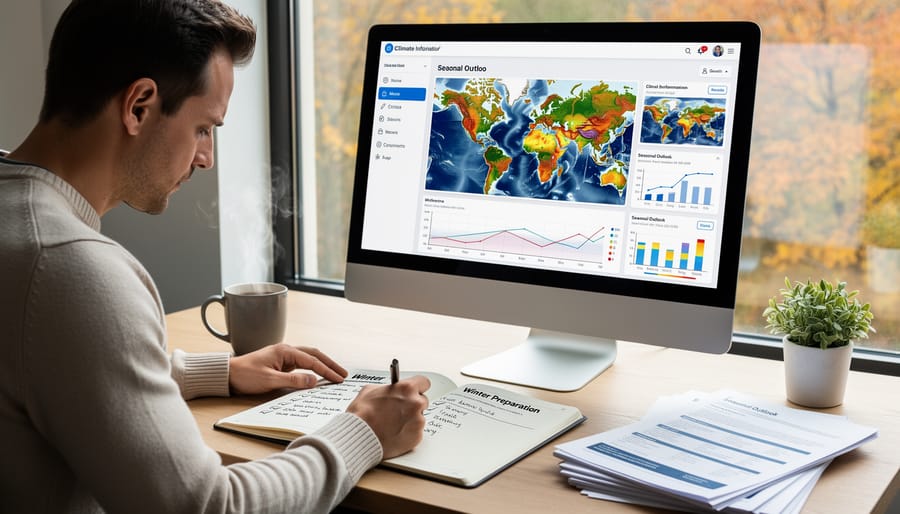
Once you’ve identified your region’s specific freeze patterns through the NRCC data, you’ll need to gather the right supplies before that first hard freeze arrives. The exact equipment list varies based on your regional climate severity, but having everything on hand eliminates the stress of last-minute shopping when temperatures drop unexpectedly.
Your winterization toolkit should include:
Pond Equipment
- Submersible de-icer or floating pond heater rated for your pond size and regional winter lows
- Air pump and diffuser stones for continuous oxygenation under ice
- Pond netting or rigid cover to manage snow load based on regional snowfall averages
- Thermometer that reads both air and water temperatures accurately
Plant Protection Materials
- Pruning shears for cutting back hardy marginal plants
- Containers or holding tanks for tropical plants that need indoor overwintering
- Burlap or frost blankets for borderline-hardy plants in milder zones
Fish Care Items
- Long-handled pond net for removing fish if your depth doesn’t meet freeze line requirements
- Indoor holding tank with filtration if NRCC data shows your pond freezes solid
- Water quality test kit to verify safe conditions before and during winter
Monitoring and Maintenance Tools
- Pond skimmer net for removing leaves and debris before ice forms
- Flashlight or headlamp for checking equipment during shorter winter days
- Extension cords rated for outdoor winter use if your de-icer needs power
- Notebook or phone app to track actual temperatures against NRCC predictions
Buying supplies in early fall, well before your regional freeze date, gives you time to test equipment and ensures stock availability. NRCC’s historical data helps you invest appropriately, gardeners in milder coastal areas might skip heavy-duty de-icers that inland zones absolutely require.
Safety Warnings and Pre-Winter Considerations
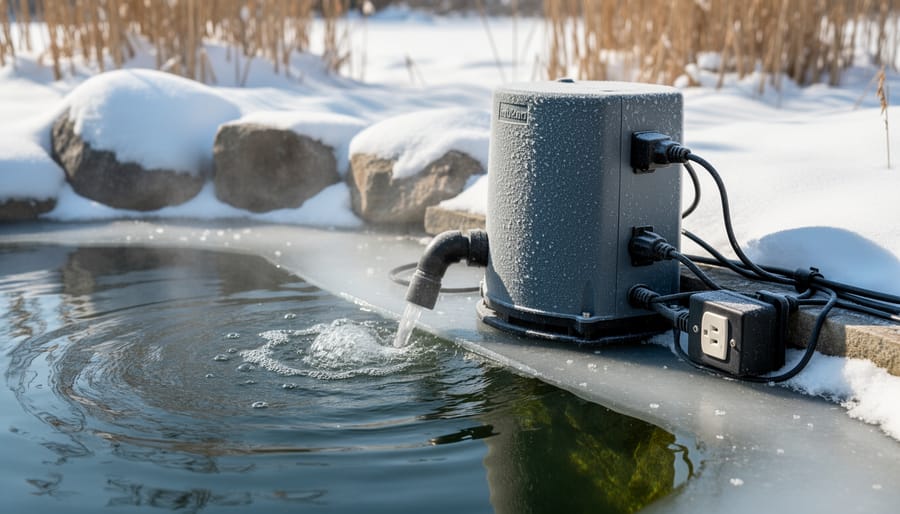
Before you follow winter-proof steps based on NRCC data, you need to understand the safety risks that cold-climate water gardening presents. Electrical systems become particularly dangerous around frozen ponds. Any cords, outlets, or connections near ice create electrocution hazards if water seeps into housings or if you accidentally break through ice while equipment is running.
Ice itself poses structural concerns. Once your pond freezes, that ice layer can support surprising weight, but thickness varies across the surface. Shallow edges freeze faster and thicker than deeper centers, creating weak spots that look deceptively solid. Don’t assume uniform ice strength, and never let children or pets walk on frozen ponds, regardless of how thick the ice appears.
Your fish face stress during rapid temperature drops. Cold water slows their metabolism, but sudden changes from warm spells to hard freezes shock their systems. This is why smart autumn prep matters. Start conditioning fish weeks before NRCC forecasts predict first freeze by gradually reducing feeding and monitoring their behavior for lethargy or surface gasping.
Timing mistakes kill more fish than cold itself. If you wait until after ice forms to remove pumps or clean debris, you’ll need to break ice, which creates shockwaves that stress fish and can damage their swim bladders. Plan every winterization task for completion before ice appears, using NRCC first-freeze predictions as your deadline, not your start date.
Step-by-Step: Winterizing Your Water Garden Using Regional Climate Data
Step 1: Check Your Regional First Freeze Date
Visit the NRCC website and enter your zip code or city to pull up your area’s historical first freeze dates, specifically the “32°F first occurrence” data. You’ll see three dates: 10%, 50%, and 90% probability. Focus on the 50% date as your baseline, then count back four to six weeks. That’s your winterization start window. If you live in Burlington, Vermont, where the 50% first freeze typically hits around October 10th, you’d begin prep work in early September. Starting this early gives you time to gradually transition your pond, move sensitive equipment indoors, and avoid frozen pipes by addressing plumbing before the real cold arrives. Mark this date on your calendar, it’s your trigger for action, not the freeze date itself.
Step 2: Assess Your Pond Depth Against Freeze Line Data
Your pond’s depth determines whether fish can survive winter in place. NRCC historical ice thickness data shows typical freeze depths for your region, most Northeast areas see 12-18 inches of ice in average winters, with extreme cold pushing to 24 inches.
Fish need at least 18 inches of unfrozen water below the ice line to survive. If your pond is only 24 inches deep and regional data shows 18-inch ice formation, that leaves just 6 inches, not enough. Measure your pond’s deepest point now. Compare it against NRCC’s maximum recorded ice thickness for your county. Add 6 inches as a safety buffer for unusually harsh winters.
Shallow ponds under 30 inches total depth require moving fish indoors to aquariums or stock tanks with aerators.
Step 3: Remove Sensitive Plants and Equipment
Pull your tropical plants, pumps, and filters when NRCC data shows nighttime temperatures consistently dropping below 50°F, not just for one cold snap, but as a sustained trend. Tropical water lilies, water hyacinth, and taro will suffer cell damage once water temperatures dip into the mid-50s, and pumps left running as ice forms can crack housings or burn out motors.
Check the NRCC’s 10-day forecast alongside historical average temperatures for your area. If you’re seeing three consecutive nights forecast below 50°F and the historical data confirms you’re entering the typical cooling window, it’s time to act. Remove tropical plants first, bringing them indoors to overwinter in containers or composting them if you treat them as annuals. Disconnect pumps and filters next, draining all water from housings and hoses to prevent freeze damage. Store equipment in a garage or basement where temperatures stay above freezing, moisture trapped in a pump exposed to repeated freeze-thaw cycles will destroy seals and impellers by spring.
Step 4: Trim and Prepare Hardy Plants
Hardy perennials like water lilies, cattails, and iris need strategic trimming before hard freeze arrives. Cut water lily foliage back to within two inches of the crown once leaves turn mushy, typically when water temperatures drop below 50°F according to your NRCC data. For marginal plants, trim stems to about three inches above the water line, but leave hollow-stemmed varieties like rushes slightly taller to facilitate gas exchange through ice. The key is timing: trim too early and you stress plants unnecessarily; wait too long and decomposing foliage pollutes under ice. If your NRCC data shows prolonged mild periods before freeze-up, delay trimming until temperatures consistently drop below 45°F at night.
Step 5: Clean Debris Before Ice Forms
Once you know when ice will seal your pond, schedule a thorough cleaning about two weeks before that date. Remove fallen leaves, dead plant material, and organic debris from the pond bottom, this stuff doesn’t disappear in winter, it decomposes under ice and releases toxic hydrogen sulfide and methane that can’t escape. Use a pond net or vacuum to get everything out, paying special attention to corners and behind rocks where debris accumulates. If NRCC data shows an early freeze coming, move this task up rather than risk being caught off guard. A clean pond entering winter means healthier fish and clearer water when spring arrives.
Step 6: Adjust Fish Feeding Based on Temperature Data
Fish metabolism slows dramatically as water temperatures drop, and NRCC temperature forecasts help you time the feeding transition perfectly. When your regional data shows consistent water temperatures between 50-55°F, switch to wheat-germ-based food that’s easier to digest in cool water. Once temperatures fall below 50°F and the forecast predicts staying there, stop feeding entirely, your fish enter dormancy and can’t digest food, which creates harmful waste buildup. Check NRCC’s 10-day temperature outlook weekly during fall to anticipate these thresholds rather than reacting after fish already struggle with digestion.
Step 7: Install De-Icers or Aerators for Your Climate Zone
NRCC average low temperature data determines which de-icing equipment your pond actually needs. If your region averages 10-20°F, a floating de-icer rated for 100-300 gallons usually suffices. Areas consistently below 10°F require higher-wattage units or supplemental aeration.
Position de-icers at the pond’s shallowest point, never directly above overwintering fish. The goal is maintaining a small opening for gas exchange, not heating the entire pond. Place the unit off-center to create gentle water movement without disturbing the thermocline that protects fish below.
For regions with NRCC freeze duration data showing 60+ consecutive days below freezing, consider adding a separate bubbler aerator. Position it mid-depth to circulate warmer bottom water toward the surface without creating strong currents. The rising bubbles prevent complete surface freezing while maintaining stratification.
Check electrical connections before the first freeze, extension cords left outdoors since fall may have damaged insulation.
Step 8: Set Up Pond Covers or Netting
Once you know your area’s average snowfall from NRCC data, you can choose appropriate protection. Regions expecting under 20 inches can use lightweight pond netting stretched 6-8 inches above the water surface to catch leaves and light snow. Areas with 20-50 inches need reinforced mesh with center support poles to prevent sagging into the pond. For heavy snow zones (50+ inches), consider removing netting entirely and installing floating pond covers or dome structures rated for your region’s maximum snow load to prevent ice damage and maintain gas exchange.
Step 9: Create a Gas Exchange Opening
A continuous gas exchange opening is critical in regions where NRCC data shows sustained ice cover lasting weeks or months. Trapped methane and hydrogen sulfide from decomposing organic matter will kill fish if they can’t escape, while oxygen needs to reach the water below.
Position your de-icer or aerator to maintain at least one 6-inch opening through the ice. Don’t break ice by striking it, the shock waves stress fish. If your de-icer fails during a cold snap, pour hot water to melt a hole rather than using force.
Step 10: Monitor Water Levels During Freeze-Thaw Cycles
Water expands when it freezes, so don’t top off your pond to the brim before winter. Leave 2-3 inches of space below your normal water line to accommodate ice formation without stressing pond walls or liner edges.
Check NRCC’s freeze-thaw cycle data for your region. Areas with frequent temperature swings above and below freezing need more frequent water level monitoring than consistently frozen zones. During mild spells, melting snow and ice can overflow your pond, while extended freezes evaporate water through your gas exchange opening.
Check levels monthly through winter if accessible. Add dechlorinated water slowly if levels drop more than four inches, but never break thick ice to do so, wait for a natural thaw or pour warm (not boiling) water over a small area.
Verifying Your Winterization Success
Proper winterization isn’t a set-it-and-forget-it task, winter weather rarely follows predictions exactly, and your pond needs periodic checks to catch problems before they threaten your fish or damage equipment. Start verifying your setup about two weeks after completing your winterization steps, then establish a weekly check routine throughout the freeze period. Compare actual conditions against the NRCC forecasts you used for planning; if your region experiences milder or harsher weather than predicted, you’ll need to adjust your approach accordingly.
During each verification visit, systematically inspect these critical points:
- Ice hole or gas exchange opening remains clear and functional, reopen if frozen over
- Fish appear calm near the pond bottom without gasping at the surface
- De-icers or aerators continue running without ice buildup blocking their operation
- Pond structure shows no stress cracks from ice expansion or snow load
- Water levels remain stable despite freeze-thaw cycles
Watch for warning signs that your winterization needs adjustment: fish gathering at one spot might indicate inadequate oxygen exchange, while cloudy water under clear ice suggests organic matter is decomposing and releasing gases. If your de-icer struggles to keep pond from freezing an opening during a cold snap beyond NRCC predictions, add a second unit or increase aeration.
Keep a simple log noting each check date, actual air temperature, ice thickness, and any actions taken. This record becomes invaluable for refining your winterization timing in future years, especially when actual weather diverges from NRCC seasonal averages. Successful winterization means your fish remain healthy and calm throughout winter, your equipment functions reliably, and your pond structure emerges intact when spring thaw arrives.
Common Questions About Using Climate Data for Pond Winterization
Every water gardener who starts using climate data for winterization faces the same practical questions. Here’s what you need to know to use NRCC information confidently throughout the winter season.
What should I do if the weather doesn’t match NRCC predictions?
Climate data shows typical patterns, not guarantees. If temperatures stay warmer than predicted, delay your final shutdown steps but keep equipment ready. If an early cold snap hits, prioritize getting de-icers running and moving tropical plants immediately.
How is NRCC data different from my USDA hardiness zone?
USDA zones show average annual minimum temperatures across large areas, while NRCC provides specific timing data like first freeze dates, freeze-thaw cycles, and historical patterns for your exact location. NRCC tells you when to act, not just whether plants can survive.
Can I adjust my winterization mid-season if forecasts change?
Yes, and you should. Check NRCC updated forecasts monthly through winter. You can add extra aeration during unusually cold periods, adjust de-icer settings, or increase monitoring during warm spells that might wake fish too early.
How accurate is NRCC climate data for my specific pond location?
NRCC data comes from official weather stations and represents regional patterns reliably. Your backyard microclimate might vary by a few degrees, so combine NRCC timing with a pond thermometer for the most accurate winterization decisions.
What if my pond is right between two NRCC reporting stations?
Pull data from both stations and prepare for the colder scenario. It’s better to over-prepare slightly than risk equipment damage or fish stress from underestimating your freeze exposure.
Should I check multiple climate resources or just stick with NRCC?
NRCC provides the most detailed regional data for the Northeast, but cross-reference with your local National Weather Service forecasts for short-term adjustments. Long-term planning uses NRCC historical data, while weekly decisions use current forecasts.
The biggest mistake new users make is treating climate data as absolute rules rather than planning tools. A December warm spell doesn’t mean you should reverse your winterization. The data helps you prepare for what typically happens, and your weekly observations tell you how this specific winter is unfolding.
When unseasonably warm weather hits mid-winter, resist the urge to restart pumps or remove covers. Fish in cold water have slowed metabolisms, and sudden equipment changes stress them more than helping. Keep gas exchange openings clear and maintain your de-icer, but otherwise let your initial preparation do its job.
If you’re troubleshooting problems mid-winter, look at the interaction between NRCC predictions and what actually occurred. Ice thicker than expected means your aeration might need adjustment. No ice when you anticipated solid freeze means your de-icer setting might be too aggressive, costing unnecessary electricity. The climate data gives you a baseline to evaluate what’s normal versus what needs your attention.
Your winterization gets easier each year as you build experience with how NRCC patterns play out in your specific yard. Keep notes on what you did and when, matched against actual temperatures, so next fall you can refine your timing even further.
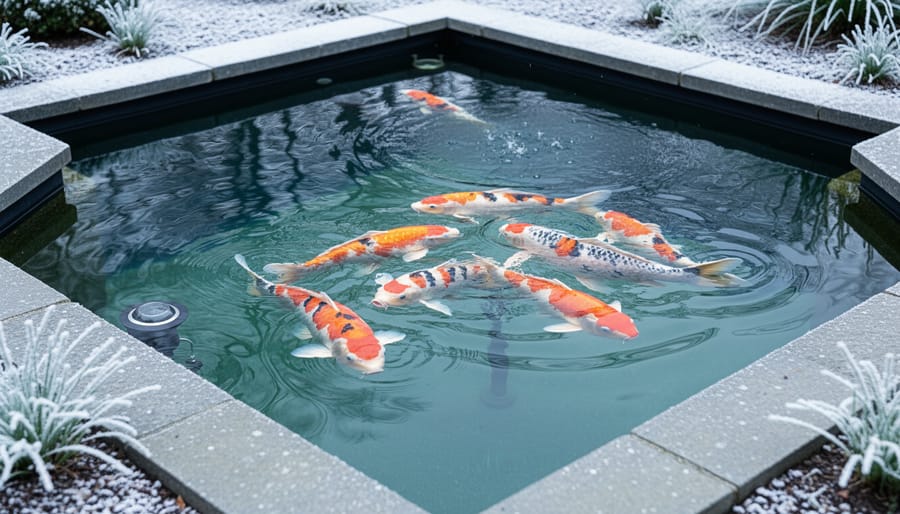
Using the Northeast Regional Climate Center transforms winterization from anxious guesswork into a straightforward, data-driven process. Instead of relying on outdated generalizations or hoping you’ve timed things right, you’re working with precise, location-specific information that tells you exactly when to act. That first freeze date becomes a concrete deadline rather than a vague concern, and knowing your region’s typical ice thickness means you can protect your fish and equipment with confidence.
Bookmark the NRCC website now and check it each fall as part of your routine. Climate patterns shift year to year, and what worked last winter might need adjustment this season. The few minutes spent reviewing current projections can save you from scrambling during an unexpected cold snap or unnecessarily rushing preparations during a mild autumn.
If you’re looking for additional protection strategies beyond timing, explore the winter insulation secret that complements your climate-based approach.
Remember, proper winterization isn’t about luck. When you’ve followed your regional data, installed appropriate equipment for your climate zone, and given your pond the preparation it needs, you can step back knowing you’ve done the work. Come spring, you’ll see the payoff: healthy fish emerging from dormancy, hardy plants ready to grow, and clear water free from winter damage. Your pond will reward the attention you gave it.