
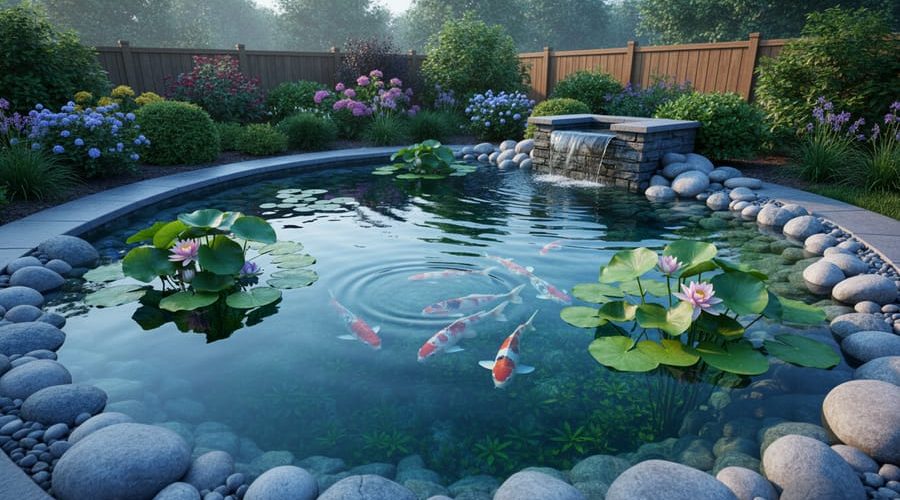
Garden Ponds and Responsible Online Casino Play: What Water Gardening Teaches About Balance
Responsible hobby engagement follows the same core principles whether you’re maintaining a beautiful water garden or enjoying online entertainment. Click here to explore how setting clear boundaries, monitoring time and money spent, and recognizing when a pastime shifts from pleasure to compulsion applies universally across leisure activities. As pond keepers, we already practice many of these skills without realizing it. We budget for equipment and fish, plan maintenance schedules that fit our lives, and know when to step back if the hobby becomes overwhelming rather than relaxing.
The parallels between responsible pond keeping and balanced online gaming are surprisingly strong. Both require upfront investment decisions, ongoing resource management, and honest self-assessment about whether the activity still brings joy. A pond owner who compulsively buys every new gadget or spends every weekend working on the water feature might need to pause and recalibrate, just as someone who loses track of time or budget during online play needs similar reflection.
This guide draws on the self-regulation strategies that make backyard pond ideas successful and sustainable, translating them into practical frameworks for any recreational pursuit. You’ll discover how to set meaningful limits, spot early warning signs of unhealthy patterns, and maintain the balance that keeps hobbies enriching rather than draining. These aren’t restrictive rules but protective measures that preserve the fun while preventing problems.
The Art of Balance: What Pond Keeping Teaches Us About Healthy Habits
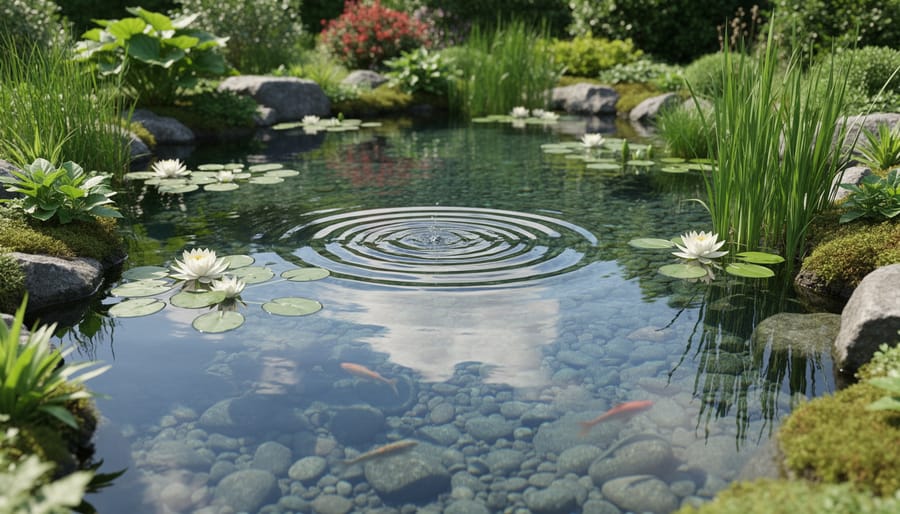
When you first start a garden pond, there’s a temptation to jump in with both feet, adding every fish species that catches your eye, installing elaborate equipment, constantly tweaking the chemistry. But experienced pond keepers know that patience wins the day. A balanced ecosystem doesn’t happen overnight; it develops slowly, through consistent small actions rather than dramatic interventions.
This measured approach mirrors what makes any absorbing hobby sustainable. Just as you wouldn’t dump an entire bottle of treatment into your pond at once, healthy hobby engagement means resisting the impulse to go all-in without thinking through the consequences. The pond keeper who can resist buying three new koi when one will do has mastered the same self-regulation needed for any pastime that easily captivates us.
Successful pond maintenance teaches you to recognize when you’re making decisions from excitement rather than sound judgment. Are you adding that new pump because your pond actually needs it, or because you’re chasing the thrill of a new purchase? Are you spending Saturday afternoon fine-tuning equipment because it requires attention, or because you’re avoiding other responsibilities? Learning to keep pond crystal-clear means understanding that more intervention isn’t always better, sometimes the healthiest choice is stepping back and letting the system stabilize.
The patience required to establish a thriving pond, waiting weeks for beneficial bacteria to colonize your filter, watching algae cycles come and go, letting plants settle in before expecting blooms, builds exactly the delayed-gratification muscle that keeps any hobby from taking over your life. You learn that sustainable enjoyment comes from steady engagement, not from constantly escalating intensity. When you can apply that wisdom beyond the pond’s edge, you’ve gained something more valuable than a beautiful water feature.
Setting Limits Before You Start
Budgeting for Your Passion
Setting a budget before diving into any hobby prevents financial stress and keeps the experience enjoyable. For pond enthusiasts, this means deciding upfront how much you’ll spend on pumps, filters, plants, and fish, then sticking to that number. The same principle applies to any recreational spending.
Start by calculating discretionary income: what’s left after essential bills and savings. Allocate a specific percentage to your hobby, whether that’s 5% or 15%, depending on your financial situation. Write this amount down. Once it’s spent for the month, you’re done until next month.
The key is distinguishing between wants and needs. That premium UV clarifier might be tempting, but does your pond actually require it right now? Impulse purchases often deliver brief excitement followed by buyer’s remorse. Give yourself a 48-hour cooling-off period before any non-essential purchase over a certain threshold, say, $50.
Track every hobby-related expense. A simple spreadsheet or budgeting app reveals patterns you might miss otherwise. You’ll notice whether you’re consistently overspending on certain categories or staying comfortably within limits.
Smart hobbyists also build a small emergency fund within their budget. Unexpected equipment failures happen, and having a cushion prevents scrambling or overspending when your pond pump suddenly quits.
Time Management That Actually Works
The calendar doesn’t lie. When pond maintenance consumes every weekend or late-night casino sessions become your default wind-down routine, other parts of life start cracking at the edges.
Start by tracking where your hobby hours actually go for one week. Write down when you’re testing pH levels, researching new koi varieties, or browsing entertainment sites. Most people underestimate their time investment by half. Once you see the real numbers, block out specific windows for your hobby, maybe Saturday mornings for pond work or two evenings weekly for recreation, and stick to those slots like appointments.
The key isn’t rigid scheduling; it’s creating friction between impulse and action. Before heading to the pond or logging into a gaming site, ask yourself: Have I handled today’s responsibilities? Am I choosing this activity, or is it choosing me? These simple questions interrupt automatic behaviour.
Set phone reminders that signal when your hobby time ends. Not suggestions, hard stops. When the alarm goes off, you finish your current task and move on. This prevents “just five more minutes” from stretching into hours.
Pay attention to the warning signs of gambling problems or any hobby escalation: lying about time spent, neglecting meals, skipping social plans repeatedly. These patterns mean your schedule isn’t working anymore and needs honest reassessment, not minor tweaks.
Recognizing When a Hobby Becomes Unhealthy
Hobbies exist to enrich our lives, but sometimes the line between healthy enjoyment and unhealthy preoccupation blurs gradually. Whether you’re spending every evening researching koi varieties or logging onto gaming sites “just for a few minutes” that stretch into hours, certain red flags deserve attention.
The first warning sign is impact on daily responsibilities. If you’re consistently skipping social commitments to fiddle with your filtration system, or if work deadlines suffer because you lost track of time with an evening’s entertainment, your hobby has expanded beyond its proper boundaries. Ask yourself honestly: Are you rescheduling important obligations to accommodate this activity?
Financial strain offers another clear indicator. When you’re dipping into savings meant for home repairs to buy that premium pond feature you don’t really need, or when you’re rationalizing “just one more” purchase despite mounting credit card debt, you’ve moved past hobby spending into problematic territory. Healthy hobbies fit within your existing budget without forcing uncomfortable financial compromises.
Emotional dependence reveals itself through your reactions to limitations. Do you feel irritable or anxious when you can’t engage in your hobby? Does the thought of taking a break trigger genuine distress rather than mild disappointment? Healthy activities complement your life; they don’t become your primary source of emotional regulation.
Secrecy and defensiveness also signal trouble. Finding yourself downplaying how much time or money you’re investing, or becoming defensive when family questions your involvement, suggests you already recognize something’s off balance. When you start hiding the extent of your engagement, you’re acknowledging internally that it’s excessive.
Pay attention to these patterns early. Recognizing warning signs isn’t about abandoning what you enjoy, it’s about preserving the sustainable enjoyment that makes hobbies worthwhile in the first place.
Tools and Strategies for Staying in Control
Just as pond keepers learn to maintain their ecosystems through consistent observation and adjustment, anyone pursuing an absorbing hobby benefits from concrete strategies that prevent overinvestment. The most effective approach combines self-monitoring with external safeguards, creating multiple checkpoints before a pastime tips from rewarding to problematic.
Tracking your engagement provides the raw data you need to spot patterns. Keep a simple log of time spent on your hobby and money allocated to it. When I started monitoring my pond hours, I discovered I was spending three evenings weekly on maintenance that could have been consolidated into one thorough session. The same principle applies to any hobby: write down what you actually spend, not what you think you spend. This removes the guesswork and exposes the real picture.
Implementing structured controls turns vague intentions into actionable boundaries. Here’s a practical sequence:
- Set specific limits before each session, decide in advance how much time or money you’ll dedicate, just as you’d plan which pond tasks to tackle before heading outside with your tools.
- Use timers or app-based reminders to signal when you’ve reached your predetermined stopping point, removing the need for willpower alone.
- Schedule regular hobby-free days into your calendar as firmly as you’d schedule work or family commitments, creating natural breaks that prevent continuous engagement.
- Establish weekly check-ins where you review your tracking log and honestly assess whether your hobby is enhancing your life or crowding out other priorities.
Accountability partners add an external layer of oversight. Share your hobby goals and limits with someone you trust, the same way pond enthusiasts often consult with fellow hobbyists about water safety tips or equipment decisions. This person can check in periodically and offer perspective when you’re too immersed to see clearly.
Technology offers surprisingly effective guardrails. Many apps and browser extensions let you set spending caps, time limits, or cooling-off periods for online activities. These digital boundaries work like automatic timers on pond equipment, maintaining safe parameters even when you’re tempted to override your better judgment. The key is activating these tools during clear-headed moments, not waiting until you’re already overinvested.
Finding Support When You Need It
Recognizing you need help with a hobby is a strength, not a failure. Whether you’re spending too much time redesigning your pond layout or finding it hard to step away from recreational activities, reaching out shows you value your wellbeing and relationships.
Start with people who know you best. A trusted friend, family member, or partner can offer perspective you might miss yourself. They’ve likely noticed changes in your behavior before you did. Frame the conversation honestly: “I think I’m spending too much time and money on this, and I’d like your help keeping me accountable.” Most people appreciate being asked and want to support you.
Professional support matters too. Therapists who specialize in behavioral patterns can help you understand what drives excessive engagement with any hobby. They’ll work with you to develop strategies tailored to your situation, not generic advice.
For specific concerns about online gaming, organizations like GamCare and BeGambleAware offer confidential helplines, live chat, and practical resources. These services are free, judgment-free, and staffed by people trained to help you regain control.
Many people find peer support groups helpful because members understand the struggle firsthand. Sharing experiences with others who’ve faced similar challenges reduces isolation and provides accountability.
The earlier you reach out, the easier course correction becomes. Don’t wait until a hobby has damaged your finances or relationships. Asking for help today prevents bigger problems tomorrow.
Whether you’re testing your pond’s pH levels or choosing how to spend your leisure time, the same core principles apply. Patience keeps you from making rushed decisions you’ll regret. Clear boundaries protect your time, money, and wellbeing. Self-awareness helps you notice when something that should bring joy starts creating stress instead.
The most rewarding hobbies aren’t the ones we throw ourselves into without limits. They’re the ones we approach with intention, enjoying them fully while keeping perspective on the rest of life. Your garden pond thrives because you give it consistent, measured attention rather than sporadic obsession. Bring that same mindfulness to everything you do for fun, and you’ll find more lasting satisfaction in all your passions.