
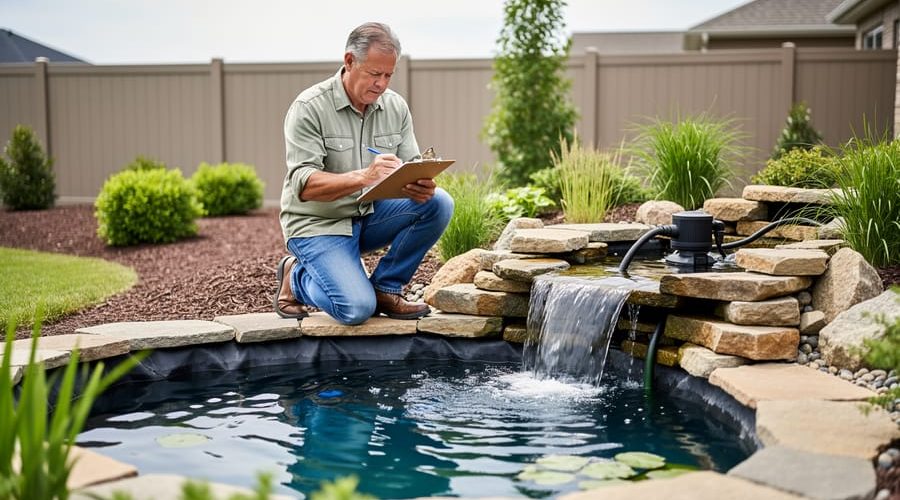
Water Ordinances Explained: What You Need to Know Before Building Your Water Garden
Water ordinances are local laws that regulate how you can build, maintain, and operate water features on your property. Before you dig that first shovel of earth for your backyard pond, you need to know whether your project requires a permit, how close you can build to property lines, and what safety measures your municipality expects. These rules exist to protect water quality, prevent flooding, ensure neighbor safety, and maintain proper drainage throughout your community.
Most homeowners discover water ordinances only after they’ve already sketched their dream pond design or ordered supplies. That’s backward. Understanding your local regulations early saves you from costly mistakes, like having to fill in an unpermitted pond or relocate a waterfall that violates setback requirements. The good news? Research takes just a few hours, and once you know the rules, you can design confidently within them.
Water ordinances vary dramatically by location. A small decorative pond might need zero permits in one town but require engineering plans and multiple inspections in another. Coastal areas often have stricter rules about runoff. Communities with shared aquifers may limit water feature size. HOAs add another layer of restrictions on top of municipal codes.
The key is knowing where to look and what questions to ask. You’ll want to check building codes, zoning regulations, and sometimes even environmental protection rules. This article walks you through exactly how to research your local requirements, identify which rules apply to your specific project, understand the permit process, and build a water garden that’s both beautiful and fully compliant.
What Water Ordinances Are (And Why They Exist)
Water ordinances are local and regional laws that control how you design, build, and maintain water features on your property. Think of them as the rulebook for anything that holds or moves water, from backyard ponds to elaborate waterfall systems. These regulations typically cover how much water you can use, where you can place your feature, how deep it can be, what safety measures you need, and sometimes even how it should look.
I learned about ordinances the hard way. Halfway through digging what I envisioned as a stunning koi pond, a neighbor mentioned I might need a permit. One call to the city later, I discovered my planned four-foot depth triggered multiple requirements I hadn’t considered, fencing, setbacks, electrical inspections, and a formal permit process. I had to pause everything and redesign on the spot.
These rules exist for solid reasons beyond bureaucratic paperwork. Water is a precious resource, and municipalities need to manage it responsibly, particularly in regions facing scarcity. Safety regulations, especially depth and fencing requirements, prevent tragic accidents, drowning remains a leading cause of death for young children, and open water features present real risks.
Ordinances also address less obvious concerns. Standing water breeds mosquitoes, which can spread disease. Improperly installed electrical systems near water create electrocution hazards. Features that leak or overflow can damage neighboring properties, leading to costly disputes. Even aesthetic considerations matter, as poorly planned water gardens can affect sightlines, drainage patterns, and ultimately property values throughout a neighborhood.
Understanding these underlying purposes helps you see ordinances not as obstacles, but as guidelines that make your project safer, more sustainable, and more likely to succeed long-term.
Common Types of Water Ordinances That Affect Water Gardens
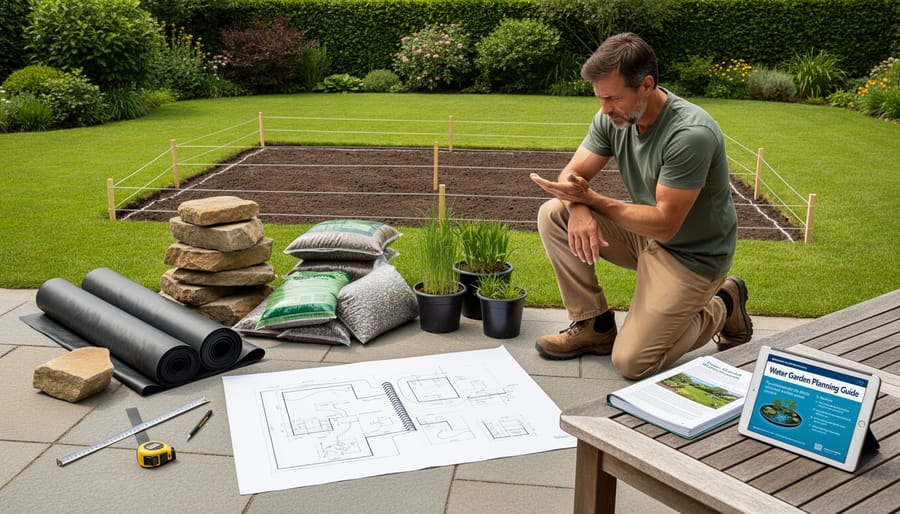
Water Use and Conservation Rules
Water use rules focus on how much water you’re allowed to fill your pond with and how often you can do it. Many municipalities set maximum volumes for new water features, typically ranging from 100 to 500 gallons before stricter oversight kicks in, though water restrictions vary by region based on local supply conditions. Arid climates like the Southwest often impose year-round limits, while wetter regions may only restrict filling during peak summer months.
Drought declarations trigger temporary bans that can prevent you from filling a new pond entirely until conditions improve. You’ll need to watch for stage-based water restrictions, Stage 1 might allow filling on specific days, while Stage 3 could prohibit it altogether. Most areas give you more flexibility if your pond includes recirculation systems that minimize evaporation loss. Installing a pump that continuously filters and returns water demonstrates conservation, which regulators view favorably. Some jurisdictions even require recirculation for ponds over a certain size, treating them as closed systems rather than one-time fills that constantly need topping off.
Safety and Fencing Requirements
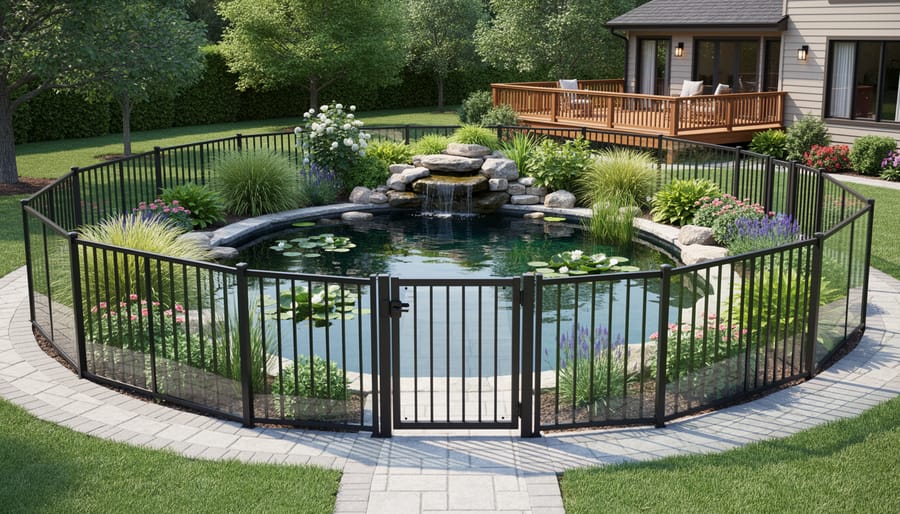
Most jurisdictions treat water features over 18 to 24 inches deep as potential drowning hazards, which triggers mandatory safety barriers. The exact threshold varies, some areas set it at 18 inches, others at 24, so check your local code before you dig. Once you cross that line, you’ll typically need a fence or barrier that’s at least 48 inches high with vertical slats spaced no more than 4 inches apart (small enough that a child can’t squeeze through).
Gates must be self-closing and self-latching, with the latch positioned high enough that young children can’t reach it. Many codes require the latch to be at least 54 inches from the ground. These rules aren’t arbitrary red tape, they’re based on drowning prevention research and tragic real-world incidents.
You might also encounter requirements for additional safety features: pond alarms that sound when water is disturbed, rigid safety covers for small features, or even poolside rescue equipment for larger installations. Some ordinances allow alternative compliance methods, like installing a deck-level pond cover or building the entire feature as a raised structure with walls that serve as barriers. If fencing doesn’t fit your vision, talk to your permit office about approved alternatives that achieve the same safety goal.
Setback and Placement Regulations
Your water garden’s location on your property isn’t just about aesthetics, it’s governed by specific distance requirements that keep everyone safe and protect infrastructure.
Setback rules dictate how far your pond must sit from property boundaries. Most jurisdictions require 5 to 10 feet from side and rear property lines, though front-yard setbacks often demand 15 to 25 feet. These distances prevent water seepage that could affect neighboring properties and maintain adequate access for maintenance.
Easements add another layer. That strip where utility companies can access underground lines? Nothing permanent can go there, even if it’s technically your yard. Check your property survey for recorded easements, they’re usually 5 to 15 feet wide along property edges.
Distance from your house matters too. Many codes require 10 feet minimum from foundations to prevent water infiltration and structural issues. Underground utilities, gas, electric, water, sewer, typically need 3 to 5 feet clearance in all directions.
Call 811 before any digging. This free utility-marking service shows you exactly where lines run, preventing expensive accidents and keeping your project compliant.
Electrical and Plumbing Codes
Water features need electricity for pumps and often plumbing for fill lines, and both come with safety codes that aren’t negotiable. The most critical requirement is GFCI (Ground Fault Circuit Interrupter) protection on any outdoor electrical outlet, this device cuts power in milliseconds if it detects a current leak, potentially saving your life. Most areas require GFCI outlets within six feet of water features, and some mandate dedicated circuits for pumps over certain wattages.
Buried electrical lines must run through weatherproof conduit, typically PVC or rigid metal, at code-specified depths (usually 18 inches minimum). If your pump draws more than a few amps or you’re installing underwater lighting, many jurisdictions require a licensed electrician to do the work and pull permits. This isn’t bureaucracy for its sake, improper wiring around water kills people every year.
Plumbing codes matter less for self-contained recirculating systems, but if you’re connecting to municipal water for auto-fill, you’ll need a backflow preventer. This valve stops pond water from siphoning back into your drinking supply. Some areas also regulate drain connections to prevent flooding neighbor properties. When in doubt about electrical or plumbing work, hire a pro. The permit and labor cost far less than a house fire or electrocution.
Finding the Specific Ordinances for Your Area
Finding your local water ordinances doesn’t require a law degree, just a bit of detective work and persistence. I’ve walked through this process in three different states, and each time I learned something that saved me trouble down the road.
Start your research online, but don’t stop there. Municipal and county websites often house building codes, zoning regulations, and permitting information under sections labeled “Planning and Development” or “Building Services.” Search specifically for terms like “backyard pond,” “water features,” “swimming pool” (many ordinances lump these together), and “excavation.” You’ll sometimes find helpful PDFs that outline residential water feature requirements in plain language.
Here’s a reliable sequence that covers all your bases:
- Check your municipality’s official website for building codes, zoning ordinances, and any water-specific regulations under planning or development departments.
- Call or visit your local building department directly, explain you’re planning a water garden and ask what permits, setbacks, and safety requirements apply.
- Contact your county health department if you’re on well water or in a rural area, as they may have additional regulations about water containment and mosquito control.
- Review your property deed and HOA documents for covenants or restrictions that go beyond municipal codes.
- Document everything in writing, request email confirmations or written summaries of phone conversations to protect yourself later.
When you speak with officials, come prepared with specifics about your project: planned dimensions, maximum depth, whether you’ll have fish, pump wattage, and distance from property lines. They can give you much more useful guidance when they understand what you’re building. Don’t worry if you haven’t finalized every detail, ballpark numbers work fine for initial conversations.
Ask directly whether your project requires permits, what the approval timeline looks like, and if there are seasonal restrictions on construction. Also inquire about related concerns like drainage, invasive species restrictions for plants and fish, and whether inspections happen at specific construction stages.
If you hit a dead end online or get conflicting information, that phone call or in-person visit makes all the difference. Building department staff have seen countless water garden projects and can often point you toward solutions you hadn’t considered. They’re there to help, not to throw up roadblocks.
When You Need a Permit (And How to Get One)
Most water gardens need a permit when they meet certain thresholds, but the process is more straightforward than you might think. Understanding these triggers helps you plan confidently from the start.
Size and depth are the most common permit triggers. Ponds deeper than 18 to 24 inches typically require permits because they fall under safety regulations. Volume matters too, features holding more than 500 to 1,000 gallons often need approval, though this varies by jurisdiction. If you’re planning something substantial, expect permitting to be part of your timeline.
Electrical work almost always requires permits, especially when running power from your house to the pond. Your local building department wants licensed electricians installing GFCI-protected circuits and properly rated conduit. This protects you and ensures your insurance stays valid if something goes wrong.
Structural changes trigger permits as well. Excavating near property lines, altering drainage patterns, or building retaining walls usually require approval. In areas with stormwater regulations, you might need to show how you’ll manage stormwater runoff. Some regions like South Florida have specific requirements, REG permitting SFWMD addresses water management district rules that apply to certain installations.
The application process takes two to six weeks in most areas. You’ll submit site plans showing pond location, dimensions, and distance from property lines. Electrical diagrams, contractor licenses, and sometimes engineering stamps may be required depending on complexity. Permit fees typically range from $50 to $300 for residential water gardens.
Expect at least one inspection after installation. The inspector checks that your finished project matches approved plans and meets safety codes. They’re not trying to catch you out, they’re verifying that everything’s safe and built to last.
Yes, permits add time and cost upfront. But they also give you documentation that your water garden is legal, safe, and properly insured. That peace of mind is worth the modest effort.
Working Within HOA and Neighborhood Covenants
Homeowners associations add another layer of rules on top of municipal ordinances, and they’re often stricter about aesthetics than local governments are. Your HOA might care less about safety codes and more about whether your pond fits the neighborhood’s visual character.
Start by reading your covenants carefully. Look for sections on landscaping modifications, water features, outdoor structures, and architectural review processes. Many HOAs require written approval before you break ground, even if the city doesn’t need a permit. Missing this step can force you to remove a completed project.
The approval process typically involves submitting plans, sketches, and materials lists to an architectural review committee. They’ll evaluate how your water garden affects neighboring properties and overall community appearance. Some associations specify acceptable materials, restrict pond visibility from the street, or limit feature height.
Getting neighbor support before your submission helps tremendously. Walk over with your plans and explain what you’re building. Address potential concerns upfront, noise from waterfalls, mosquito prevention measures, privacy screening. Most objections come from fear of the unknown. When neighbors understand your thoughtful approach, they’re less likely to complain to the HOA.
Present your project as an enhancement, not just a personal preference. Emphasize how it increases property appeal, supports local wildlife, or improves drainage. Include photos of similar high-quality installations. Show that you’ve researched maintenance and considered their concerns.
If your initial submission gets denied, ask specifically what changes would make it acceptable. HOAs usually work with homeowners willing to modify plans rather than those who ignore the process entirely.
What Happens If You Skip the Rules
Skipping water ordinances might seem like a shortcut, but it rarely ends well. Most municipalities enforce these rules, and violations typically surface when neighbors complain or during routine inspections.
The financial hit can sting. Fines range from a few hundred to several thousand dollars, depending on your location and the severity. Some jurisdictions impose daily penalties until you fix the problem. You might also face mandatory removal or expensive retrofits, imagine draining and modifying a beautiful pond you’ve already stocked and planted.
Insurance complications add another layer of trouble. Many homeowner policies won’t cover damage or liability claims from unpermitted features. If someone gets injured in your non-compliant water garden, you could be personally liable for medical costs and legal fees.
Resale problems emerge when buyers order home inspections. Unpermitted features must be disclosed, and many buyers will demand removal or request price reductions. Some mortgage lenders refuse to finance properties with code violations.
None of this means you should abandon your water garden dreams. It simply means doing things right from the start protects your investment and peace of mind.
Smart Strategies for Compliance-Friendly Water Gardens
The good news? You can absolutely create a stunning water garden that checks all the regulatory boxes. It just takes a bit of strategic thinking upfront.
Start by designing with size thresholds in mind. If your local ordinances kick in at 24 inches deep, consider a 20-inch pond that gives you plenty of depth for plants and small fish without triggering permits or fencing requirements. You’ll be surprised how much aquatic life thrives in shallower water when you plan the ecosystem properly.
Modular designs offer brilliant flexibility. Instead of one large pond, think about connecting two or three smaller water features that each stay under permit thresholds. You get the visual impact and soothing sound you want, while technically maintaining separate bodies of water that meet regulations. Strategically placed rocks and plantings can make multiple features feel like one cohesive design.
Raised ponds are your secret weapon. Build up instead of digging down, and you sidestep depth restrictions entirely while creating an accessible feature that’s easier to maintain. A raised stone or timber pond at 18 inches high with 12 inches of water gives you 30 inches of total depth for your fish without meeting the “deep water” definition that triggers stricter rules.
Turn required safety elements into design features. A mandated fence becomes a beautiful pergola with lattice panels. Required barriers transform into decorative stone walls with built-in seating. Covers for electrical components can be disguised as natural boulders.
Consider climate rules early. If your area has water restrictions, design for recirculation from day one, incorporate heat protection through shade plantings, and choose native plants that need less supplemental watering. You’ll create a more sustainable feature that regulators and Mother Nature both appreciate.
Frequently Asked Questions
Do small container water gardens need permits?
Most jurisdictions don’t require permits for container gardens or small preformed ponds under 18 inches deep, but it’s always worth confirming with your local building department. Electrical work for pumps and lighting might still need inspection even if the water feature itself doesn’t require a permit.
What if I live in an unincorporated area or rural property?
Rural areas typically have fewer restrictions, but you’re still subject to county-level regulations and state environmental laws. Contact your county planning office to verify requirements, as some counties have specific rules about water retention and mosquito control even in agricultural zones.
Are indoor water features treated differently than outdoor ones?
Yes, indoor features usually face far fewer restrictions since they don’t impact drainage, property lines, or public safety the same way outdoor installations do. You’ll still need to follow electrical codes and ensure proper waterproofing, but permits are rarely required for interior decorative fountains.
Do fountains have different rules than ponds?
Generally yes, self-contained fountains with recirculating water often avoid the depth and fencing requirements that trigger pond regulations. However, if your fountain includes a reservoir deeper than 18-24 inches or holds significant water volume, it might be classified as a pond for regulatory purposes.
Can I add fish to my pond without additional permits?
Adding fish to an already-permitted pond typically doesn’t require separate approval in most areas. Some states do restrict certain species to prevent invasive fish from entering local waterways, so check with your state’s fish and wildlife department before stocking koi or other non-native species.
What if I want to retrofit or expand an existing water garden?
Significant changes, adding depth, expanding the footprint, or installing new electrical components, usually require permits just like new construction. Minor additions like plants, decorative elements, or drought-resistant plants around the perimeter rarely need approval, but verify before you start digging.
Do I need separate permits for pond lighting and electrical features?
Electrical work almost always requires a permit and inspection, even if the water feature itself didn’t. Low-voltage lighting systems might have simplified requirements in some jurisdictions, but standard 120-volt installations need licensed electrician work and inspection to ensure GFCI protection and proper weatherproofing.
What happens if my property was grandfathered under old rules?
Existing water features built legally under previous codes are usually grandfathered, meaning you can maintain them as-is. However, major renovations or expansions typically bring the entire feature under current code requirements, so consult your building department before making substantial changes to an older installation.
These questions represent the real concerns I hear from water gardeners navigating the regulatory maze. The indoor-outdoor distinction surprises many people, your tabletop fountain doesn’t need the same scrutiny as a backyard koi pond. Rural property owners often assume they have complete freedom, only to discover county-level rules about stormwater management or well protection that still apply.
The retrofit question deserves special attention because it catches people off guard. You might think adding a waterfall to your existing pond is a simple weekend project, but if it changes the water volume or requires new electrical lines, you’re back in permit territory. I’ve seen homeowners get halfway through expansions before realizing they needed approval, which creates awkward conversations with inspectors and sometimes costly corrections.
One pattern worth noting: regulations tend to get stricter as you move from decorative elements to functional systems. A bubbling urn on your patio faces minimal oversight, but dig a swim pond or install a large ecosystem feature, and you’ll navigate multiple code categories. Understanding where your project falls on that spectrum helps you budget time and money for the approval process, turning what feels like bureaucratic confusion into a manageable checklist.
I know ordinances can feel like paperwork standing between you and your dream water garden, but here’s the truth I’ve learned after years of building ponds: these rules are actually on your side. They exist to protect your investment, keep your family safe, and ensure your beautiful creation doesn’t become a neighborhood headache or insurance nightmare down the road.
Yes, researching local requirements takes a few hours. Yes, you might need to adjust your plans or wait for a permit. But compare that temporary inconvenience to the peace of mind you’ll enjoy every single day your water garden exists. No worrying about that knock on the door. No liability concerns when neighborhood kids visit. No surprise issues when you eventually sell your home.
The water gardeners who sleep soundest are the ones who did their homework first. You’re already ahead of the game just by reading this, you understand what matters and where to look. That knowledge transforms you from someone nervously hoping everything will work out into someone who built things right from the start. And that confidence? It makes every moment beside your water garden that much sweeter.