
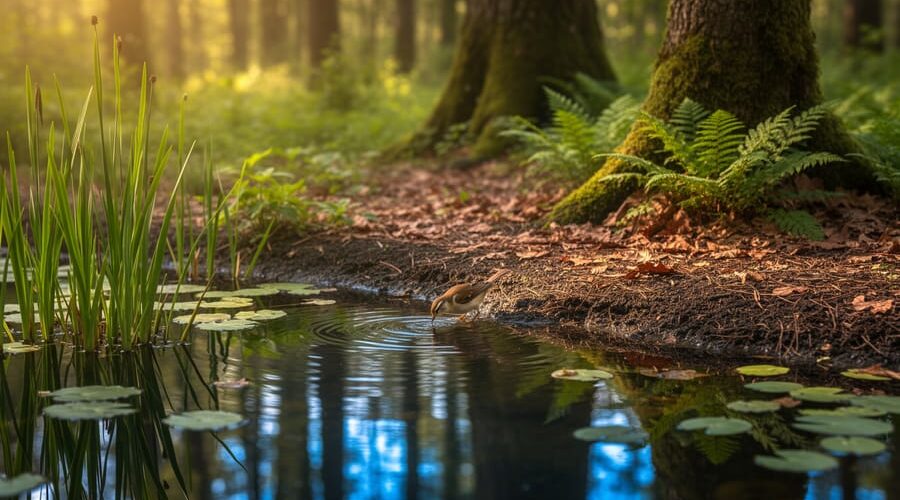
Why Your Pond’s Success Depends on the Forest Next Door
Your backyard pond doesn’t exist in isolation—it’s deeply influenced by the terrestrial biome surrounding it, and understanding this connection transforms how you create and maintain a thriving aquatic ecosystem. Think of your pond as a mirror reflecting the land around it: the plants growing nearby drop leaves and seeds into the water, local wildlife visits to drink and hunt, rainfall patterns vary dramatically by region, and even soil composition affects your water chemistry. I learned this firsthand when my first pond struggled despite perfect equipment—I’d completely ignored that my dry, hot climate meant evaporation and dust would constantly challenge water quality.
The eight major terrestrial biomes—tropical rainforest, temperate forest, boreal forest, grassland, savanna, desert, tundra, and chaparral—each create unique conditions for pond keeping. Your biome determines which native plants will naturally colonize your pond edges, what wildlife species will discover and use your water feature as natural wildlife corridors, how much supplemental water you’ll need during dry seasons, and which maintenance challenges you’ll face year-round.
Rather than fighting your local environment, working with your biome’s characteristics creates a self-sustaining pond that requires less intervention and supports more biodiversity. Whether you’re surrounded by towering redwoods or desert cacti, understanding your terrestrial biome gives you the blueprint for pond success that complements rather than contradicts nature’s design.
What Terrestrial Biomes Mean for Your Backyard Pond
If you’ve ever wondered why your neighbor’s pond looks completely different from yours, even though you’re just streets apart, terrestrial biomes might hold the answer. Think of biomes as nature’s neighborhoods—large regions on Earth that share similar climate, plants, and animals. From scorching deserts to lush rainforests, these eight major land types shape everything around them, including the water features in our backyards.
Here’s why this matters to you as a pond owner: your pond doesn’t exist in isolation. It’s constantly influenced by the land ecosystem surrounding it. The terrestrial biome you live in determines your local temperature swings, how much rainfall you’ll receive, which creatures will visit your pond for a drink, and even which plants will thrive along your water’s edge.
Let me share a quick example from my own experience. When I first started water gardening, I couldn’t understand why my beautiful tropical water lilies kept dying each autumn while my neighbor’s temperate varieties flourished year-round. Turns out, understanding my local biome’s seasonal temperature patterns would have saved me money and heartache.
Your biome affects everything from evaporation rates during summer to ice formation in winter. It influences which frogs, birds, and dragonflies naturally migrate to your pond. It also determines native plant compatibility, helping you choose species that won’t just survive, but actually thrive without constant intervention.
Understanding your terrestrial biome is like having a cheat sheet for pond success. Instead of fighting against nature, you’ll work with it, creating a water feature that feels like it’s always belonged there.
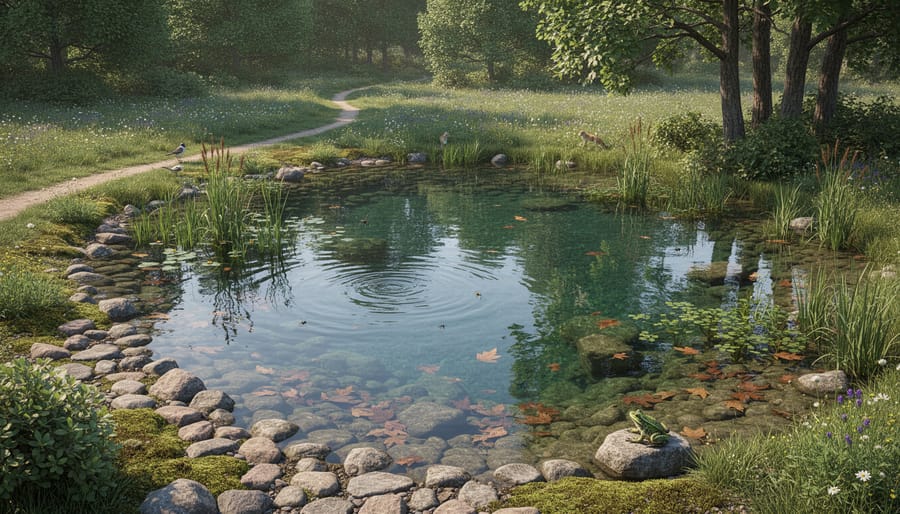
Tropical Rainforest Regions: Creating Lush Pond Edges
If you’re fortunate enough to live in or near a tropical region, you’ve hit the jackpot for creating an absolutely stunning pond environment! The warm, humid conditions that define tropical rainforests make them ideal partners for water features.
Let me share what makes tropical settings so special for pond enthusiasts. First, that famous humidity works wonders for your pond ecosystem. The constant moisture in the air means less evaporation from your pond surface, so you won’t be constantly topping off water levels like gardeners in drier climates. Plus, the high humidity keeps your pond edge plants looking lush and healthy without extra misting or care.
The real magic happens with your plant selection. Tropical conditions let you create those gorgeous, jungle-like margins you see in magazines. Think oversized elephant ears, vibrant cannas, papyrus, and even tropical water lilies that bloom year-round. Unlike gardeners in temperate zones who watch their plants die back in winter, you get continuous growth and color. I’ve seen backyard ponds absolutely transformed into private paradise retreats with this dense, layered vegetation.
Your pond will also become a wildlife hub. Tropical frogs will serenade you nightly as they move between the water and surrounding foliage. Dragonflies and damselflies dart between lily pads and nearby leaves, controlling mosquito populations naturally. Colorful birds visit for drinking and bathing, while beneficial insects pollinate your flowering plants.
The key is embracing that tropical abundance. Plant densely around your pond edges, creating natural transitions from water to land. Use varying heights and textures to mimic a rainforest understory. Your pond will blend seamlessly into its surroundings, creating an authentic ecosystem where wildlife thrives naturally.
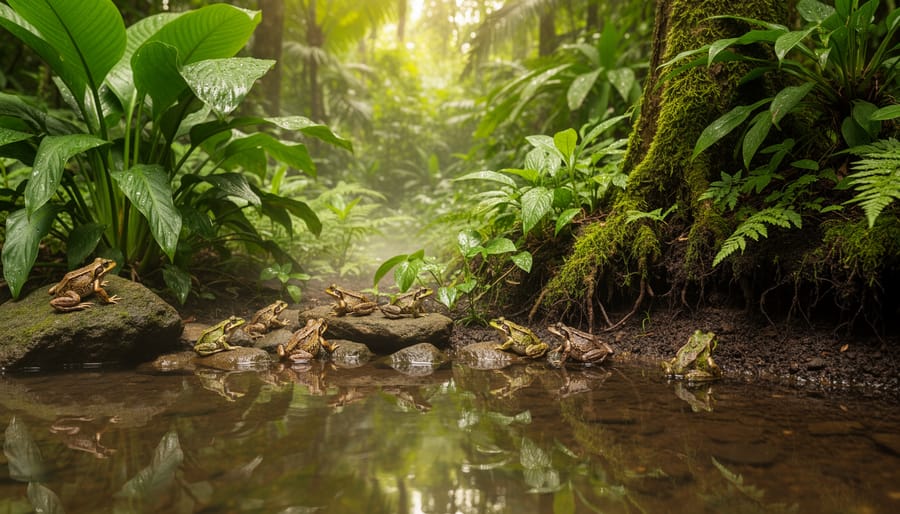
Temperate Forest Areas: The Goldilocks Zone for Water Gardens
If you live in a temperate forest region, congratulations! You’ve hit the jackpot for water gardening. These areas, with their moderate temperatures and four distinct seasons, create what I like to call the “Goldilocks zone” for pond ecosystems—conditions that are just right for an incredible diversity of aquatic and terrestrial life to thrive together.
The magic of temperate forests lies in their seasonal changes. Spring brings a burst of activity as frogs emerge and aquatic plants push through the warming water. Summer offers lush growth along your pond margins. Autumn transforms your garden with falling leaves—though you’ll want to net some of these out to prevent excess nutrient buildup. Winter provides a necessary rest period for many species.
One thing I’ve learned from maintaining ponds in these regions is to embrace the deciduous leaf cycle rather than fight it. Yes, some leaves will need removing, but a moderate amount actually benefits your ecosystem, providing shelter for overwintering insects and slowly releasing nutrients. Just don’t let them pile up too deep!
The wildlife interactions here are absolutely delightful. Salamanders are common visitors in temperate forest ponds, often breeding in early spring. I remember discovering my first salamander eggs attached to underwater plants—such a thrill! Birds like robins and blue jays will regularly visit for drinking and bathing, while dragonflies patrol the airspace during summer months.
What makes these zones particularly special is the natural succession from water to woodland. Your pond edges can support marsh marigolds and cardinal flowers, transitioning to ferns and woodland wildflowers just steps away. This gradient creates multiple habitat zones, supporting everything from aquatic beetles to terrestrial beetles, creating a complete, interconnected ecosystem. It’s nature’s own design blueprint, and it works beautifully with minimal intervention from us gardeners.
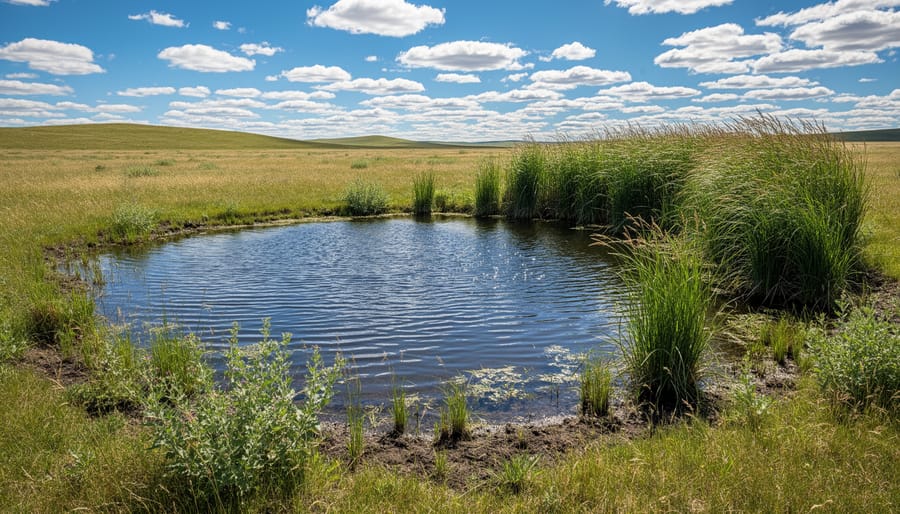
Grassland and Prairie Settings: Working With Wind and Sun
Grassland and prairie settings present unique opportunities and challenges for pond owners! The wide-open landscape means your pond will face constant sun exposure and wind—but don’t worry, you can turn these conditions into advantages with the right approach.
Wind is your biggest consideration here. Those unobstructed gusts can create ripples that stress fish, accelerate evaporation, and make pond maintenance frustrating. I’ve found that establishing native prairie grasses like big bluestem or switchgrass around your pond’s windward side creates a natural windbreak without blocking views. Plant them in staggered rows about three to five feet from the water’s edge. They’ll bend with the breeze rather than fight it, and their deep roots prevent erosion beautifully.
Full sun means you’ll need heat-tolerant plants. Hardy water lilies thrive in these conditions, and marginal plants like cattails and pickerelweed can handle intense sunlight all day. Around the perimeter, consider rudbeckia, coneflowers, and native milkweeds—they love sunshine and attract incredible pollinators.
Speaking of wildlife, grassland ponds become magnets for biodiversity! I’ve watched red-winged blackbirds, meadowlarks, and various swallows visit my prairie pond regularly. The key is creating different habitat zones. Let some areas grow taller for nesting cover while maintaining shorter sections for ground-feeding birds. Native wildflowers along your pond margins will draw monarch butterflies, native bees, and dragonflies.
Erosion management requires attention in these open settings. Besides grasses, consider using rocks or pebbles along sloped banks. Prairie vegetation roots deeply, which stabilizes soil naturally over time. The investment in proper planting pays off quickly as your ecosystem establishes itself, transforming your grassland pond into a thriving wildlife oasis.
Desert Biomes: Making Every Drop Count
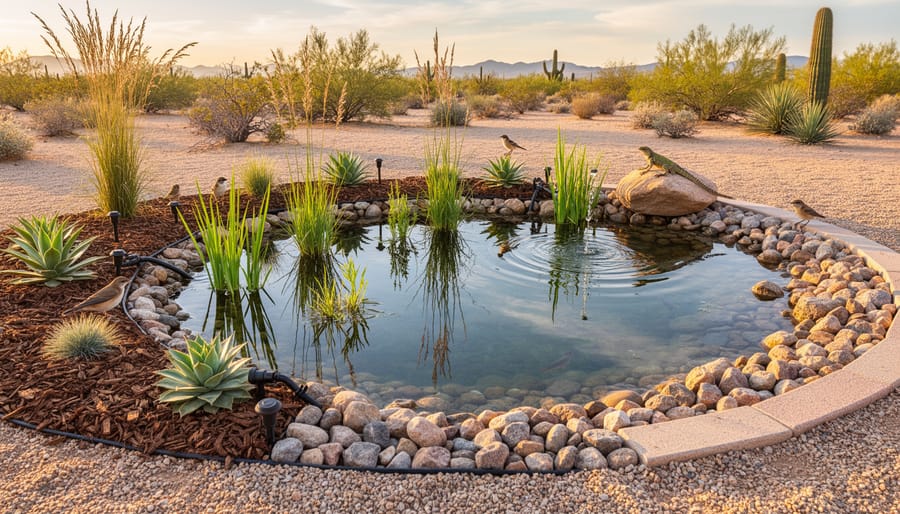
If you’re lucky enough to live in a desert region, you know that water is precious—and your pond is probably the coolest feature in your entire backyard! I’ve always loved how desert ponds become absolute magnets for wildlife, creating these incredible oases that buzz with life from dawn to dusk.
Let’s start with the biggest concern: keeping your pond full without draining your water bill. Evaporation is your main enemy here, so consider adding shade sails or pergolas over at least part of your pond. I’ve also seen pond owners use floating plants strategically—they provide shade while reducing water loss. Just be mindful not to cover the entire surface, as your pond still needs some sun exposure and air circulation.
Xeriscaping around your pond creates a natural transition between water and desert. Think ornamental grasses like blue grama, drought-tolerant succulents, and native shrubs. This approach looks stunning and requires minimal watering once established. The contrast between lush water and sculptural desert plants is absolutely breathtaking.
Your pond will quickly become the neighborhood gathering spot for wildlife. Desert birds like quail, roadrunners, and various finches will visit daily. Create shallow access points with rocks or a gentle beach area so smaller creatures can drink safely. You might spot lizards basking on warm stones near the edge, and butterflies visiting throughout the day.
For marginal plants, focus on native species adapted to temperature extremes. Cattails and sedges can handle desert conditions surprisingly well if their roots stay moist. Desert cardinal flower and monkey flower are gorgeous options that attract hummingbirds while tolerating heat.
Remember, your desert pond is a gift to local wildlife. By conserving water wisely and choosing appropriate plants, you’re creating a sustainable sanctuary that enriches your entire ecosystem.
Taiga and Boreal Forest Zones: Cold-Climate Pond Success
If you’re living in the taiga or boreal forest zone—think northern Canada, Scandinavia, or Alaska—you already know winter means business! Creating a successful pond here comes with unique challenges, but trust me, it’s absolutely doable and incredibly rewarding.
Ice management becomes your number one winter concern. These zones experience deep freezes that can extend six months or longer. Your pond needs to be at least 3-4 feet deep to provide safe overwintering zones for fish and beneficial bacteria. I learned this the hard way during my first Minnesota winter when my shallow pond froze solid! Installing a de-icer or aerator keeps a small opening in the ice, allowing toxic gases to escape and oxygen to enter—essential for fish survival.
The surrounding evergreen forests present an interesting twist. While deciduous leaves are absent, you’ll deal with needle drop from spruces, pines, and firs. The good news? These needles decompose slowly and won’t create the sudden organic load that autumn leaves do. Still, regular skimming prevents acidification and keeps your water balanced.
Your growing season is short but glorious! Focus on cold-hardy native plants like marsh marigolds, northern water lilies, and sedges that burst into action the moment ice melts. These plants maximize the brief summer window.
The wildlife benefits are spectacular. Your pond becomes a magnet for moose seeking aquatic plants, beavers looking for building materials (watch out for that!), and countless migratory waterfowl. Creating shallow margins with native plants provides perfect rest stops for ducks and geese during their epic journeys. Watching a family of mallards paddle through your pond on a cool northern morning makes every winter challenge worthwhile.
Mediterranean Climate Gardens: Seasonal Contrasts
If you’re lucky enough to garden in a Mediterranean climate zone—think California, parts of Australia, or the actual Mediterranean—you’ve got a unique challenge and opportunity rolled into one! These regions experience wet, mild winters and hot, dry summers, which creates a fascinating rhythm for your pond and surrounding landscape.
The key to success here is embracing the natural seasonal contrast rather than fighting it. During those rainy winter months, your pond will naturally fill and overflow, which is perfect for establishing native aquatic plants. This is your prime planting season! Get moisture-loving species like rushes and sedges in the ground while water is abundant. They’ll establish deep root systems that help them survive the coming dry spell.
As summer approaches and rainfall disappears, your pond becomes a critical wildlife oasis. Birds, amphibians, and beneficial insects will rely heavily on your water feature during these parched months. I’ve watched my own Mediterranean-climate pond transform into the neighborhood gathering spot every summer—it’s like running the most popular cafe in town! Plan for this by ensuring you have a reliable water source to top off evaporation losses.
Choose drought-tolerant native plants for the terrestrial areas surrounding your pond. Species like lavender, rosemary, or native grasses create beautiful year-round structure without demanding constant irrigation. Position these plants strategically to provide shade for your pond during scorching summers, which helps reduce evaporation and keeps water temperatures stable for fish and beneficial bacteria.
Create layered plantings with different bloom times—winter-flowering bulbs, spring perennials, and summer succulents—to maintain visual interest throughout the year. This approach mirrors the natural Mediterranean landscape while supporting diverse wildlife populations through every season.
Tundra Regions: Extreme Conditions, Simple Solutions
If you’re dreaming of a pond in tundra territory, I’ll be honest with you—this is the ultimate challenge! But don’t let that discourage you, because understanding these extreme conditions helps you appreciate what’s possible in milder climates.
The tundra is characterized by its incredibly short growing season, often just 6-10 weeks of the year. The ground remains frozen year-round in a layer called permafrost, which sits just below the surface. This frozen barrier prevents water from draining properly, creating surprising opportunities for shallow pools and wetland areas during the brief summer thaw.
These temporary water features, though simple, support remarkably hardy wildlife. Mosquitoes and other aquatic insects thrive in these pools, providing essential food for migrating birds. Caribou, arctic foxes, and even polar bears rely on these seasonal water sources for drinking. The ecosystem might seem sparse, but it’s beautifully efficient.
For pond enthusiasts in tundra regions, your main ally is understanding the freeze-thaw cycle. Any permanent water feature needs exceptional depth to prevent complete freezing, and you’ll want to embrace native hardy plants like sedges and mosses that naturally occur around tundra pools. Keep your expectations simple and work with nature’s rhythm rather than against it.
The good news? If you can manage a pond in tundra conditions, you’ve mastered one of earth’s toughest environments! Most of us can take inspiration from tundra resilience while enjoying much gentler conditions in our own backyards.
Savanna Landscapes: Balancing Wet and Dry Seasons
If you’re creating a pond in a region with distinct wet and dry seasons, you’ll find savanna landscapes offer fascinating lessons! These grasslands with scattered trees experience dramatic seasonal shifts that you can actually mirror around your water feature.
Savannas teach us about resilience. During the wet season, areas flood and create temporary wetlands that attract incredible wildlife. Then during dry periods, those same zones become parched grasslands. Think of this when planning your pond’s surroundings – you can create gradual slopes that allow water levels to naturally fluctuate with seasonal rainfall, mimicking these transitions between aquatic and land ecosystems.
The magic happens in the corridors between water sources and vegetation. In savannas, animals migrate between scattered trees and seasonal pools. You can recreate this by leaving open pathways from your pond to surrounding garden areas, allowing frogs, lizards, and birds to move freely.
For plant selection, choose species that handle extremes beautifully. Ornamental grasses that tolerate both soggy and dry conditions work wonderfully – they’ll green up during rainy periods and go dormant when things dry out. Consider kangaroo paw, lomandra, or native grasses that won’t mind wet feet occasionally but survive drought too.
The savanna principle is simple: embrace the extremes rather than fighting them. Your pond becomes part of a living rhythm, supporting diverse amphibians during wet months and providing crucial water during dry spells when wildlife needs it most.
Bringing It All Together: Reading Your Local Landscape
Now that you understand the eight terrestrial biomes, let’s put this knowledge into action right in your own backyard! Think of this as becoming a nature detective, where every clue helps you create the perfect bridge between your pond and the surrounding landscape.
Start by identifying your biome using three simple observations: your local climate patterns, the native trees and shrubs growing wild in your area, and the typical rainfall you receive throughout the year. I remember the day I realized my property sat squarely in a temperate deciduous forest biome. Suddenly, those stubborn maple seedlings everywhere made perfect sense, and I stopped fighting nature and started working with it.
Take a walk around your property and note which plants thrive without any help from you. These are your biome’s champions, and they’re telling you exactly what wants to grow there. Snap photos of local wildlife visiting your space throughout different seasons. Are you seeing deer, rabbits, or perhaps lizards and roadrunners? These visitors reveal what your biome naturally supports.
Once you’ve identified your biome, select native plants that create natural transitions from land to water. If you’re in a grassland area, ornamental grasses near your pond edges look stunning and feel right at home. Woodland pond owners might add ferns and hostas that mirror the forest floor. The goal is making your pond ecosystems feel like they’ve always belonged there.
Create layered planting zones moving from your pond outward. Start with emergent aquatic plants at the water’s edge, transition to moisture-loving natives, then gradually shift to your biome’s typical vegetation. This graduated approach welcomes wildlife by offering diverse habitats while maintaining that seamless, natural appearance that makes visitors say, “Wow, this looks like it grew here naturally!”
Your pond doesn’t exist in a bubble, and that’s wonderful news! The most successful, low-maintenance water features I’ve seen are those that embrace their surroundings rather than fight against them. When you work with your local biome instead of against it, something magical happens. Your pond starts requiring less fussing, fewer chemicals, and less constant attention because it’s finally in harmony with what nature intended for your area.
Think about it this way: a desert pond lined with native succulents and heat-loving grasses will practically take care of itself compared to one surrounded by thirsty ferns that need constant watering. Similarly, a woodland pond nestled among shade-loving hostas and ferns won’t struggle with algae blooms the way a sun-baked pond might.
The wildlife notices too. When your pond reflects the terrestrial biome around it, local birds, beneficial insects, amphibians, and even small mammals recognize it as part of their natural habitat. They’ll visit more often, creating that vibrant ecosystem you’ve been dreaming about.
So before you plant that next water lily or add another feature, take a walk around your property. Notice what’s already thriving. Pay attention to your soil, your rainfall patterns, and your native plants. Then let your pond become a beautiful extension of the landscape that’s already there, waiting to support you.