
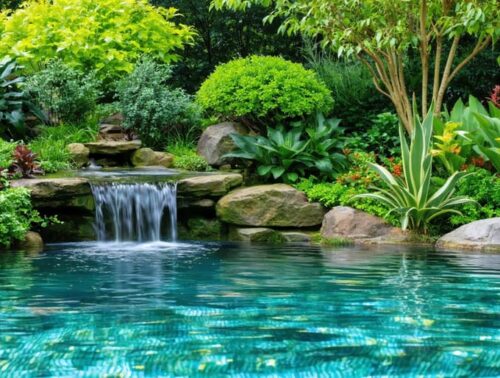
Hard Water Wreaking Havoc on Your Pond? Here’s Your Fix
Hard water wreaks havoc on your water garden, leaving unsightly mineral deposits, stressing fish, and stunting plant growth – but solving this common…
Hard water wreaks havoc on your water garden, leaving unsightly mineral deposits, stressing fish, and stunting plant growth – but solving this common…
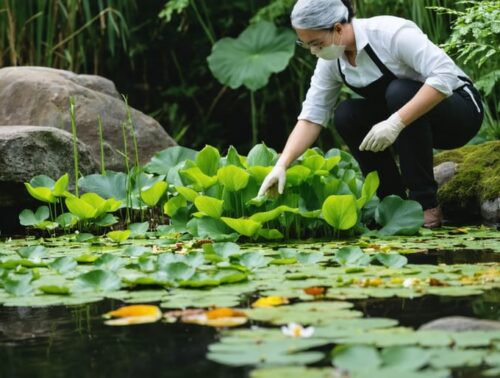
Inspect pond plant leaves for small, water-soaked blisters that eventually turn brown and corky – these are telltale signs of edema, one of the most common pond plant diseases. This physiological disorder occurs when roots absorb water faster than leaves can transpire it, causing cells to rupture and form unsightly bumps. Unlike fungal or bacterial infections, edema strikes when environmental conditions create an imbalance between water uptake and release. Understanding this distinction is crucial…
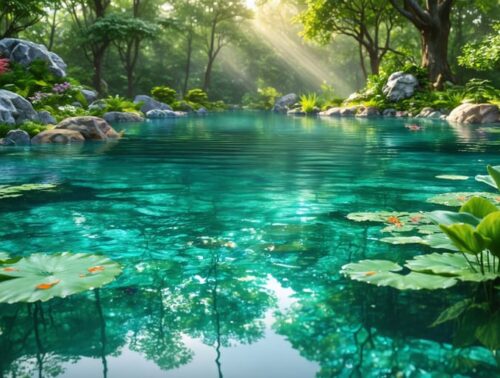
Transform your pond into a self-sustaining ecosystem with a biological filter – nature’s most efficient water purification system. By harnessing the natural filtration process, these remarkable systems cultivate beneficial bacteria that break down harmful waste, converting toxic ammonia into harmless compounds. Unlike mechanical filters that simply trap debris, biological filters create a living ecosystem that continuously cleans your pond water, supports healthy fish populations, and reduces …
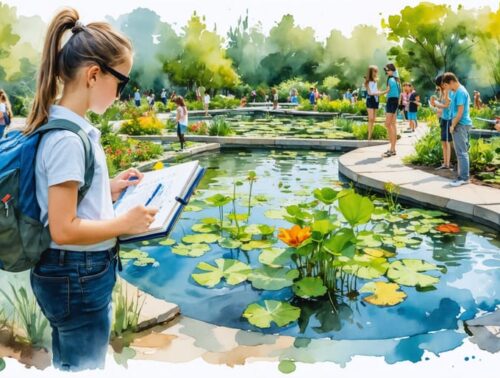
Transform your botanical garden into a vibrant outdoor classroom where visitors of all ages discover the wonders of plant life through hands-on learning experiences. Botanical gardens offer unique opportunities to combine formal education with the natural world, creating memorable experiences that spark curiosity and foster environmental stewardship.
From identifying rare species to understanding complex ecosystems, these living museums serve as perfect settings for both structured lessons and spontaneous discoveries. Whether you’re a garden educator developing new programs or a garden enthusiast looking to share your …
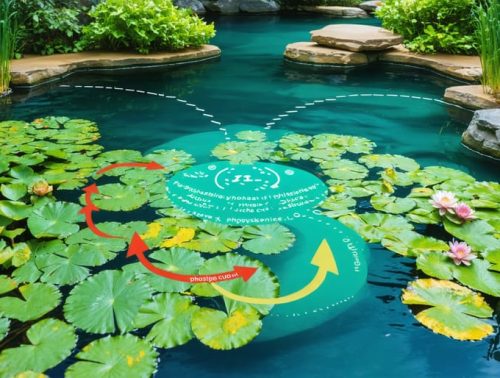
Phosphates flow through our ponds and water gardens in a fascinating dance of life, death, and renewal. As vital as they are potentially problematic, these essential nutrients power the growth of every aquatic plant while simultaneously posing risks of algae blooms when levels spiral out of control. Whether you’re a seasoned pond keeper or just starting your water gardening journey, understanding the phosphate cycle is key to maintaining crystal-clear waters and healthy aquatic ecosystems.
In nature, phosphates move through a perfectly balanced cycle – from rocks and soil into living organisms, then back again through …
Transform your pond into a self-sustaining ecosystem with nature’s most efficient filtration system – aquatic plants. These living filters not only purify water by absorbing excess nutrients and harmful compounds but also create stunning visual interest while providing vital habitat for wildlife. Plant-based filtration systems work round the clock, reducing maintenance costs and chemical dependencies while maintaining crystal-clear water naturally.
Marginal plants like cattails and rushes form the first line of defense, trapping sediment and processing organic waste at the pond’s edge. Floating plants such as water…
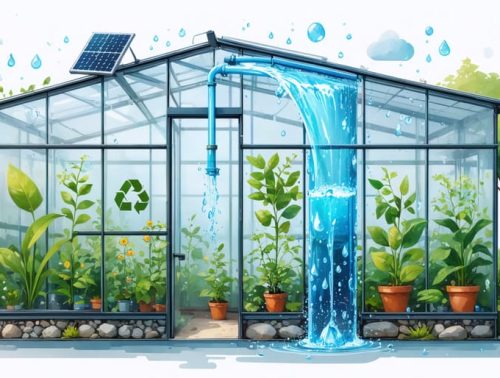
Harvest free, sustainable water for your greenhouse while helping to transform your water garden into a self-sustaining ecosystem. A well-designed greenhouse water collection system captures rainwater from your greenhouse roof, filters it through sustainable materials, and stores it for year-round use – reducing water bills by up to 60% while providing optimal hydration for your plants.
Connect standard guttering along your greenhouse eaves, directing water flow into food-grade …
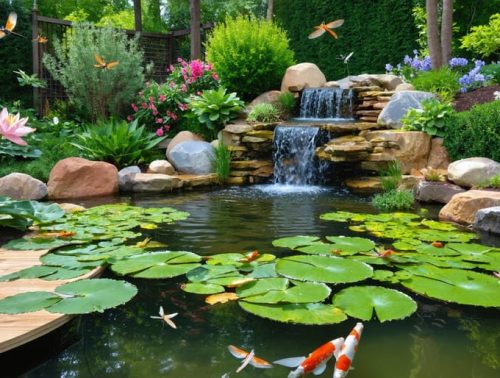
Transform your backyard into a mesmerizing koi paradise by designing a pond that balances natural beauty with practical functionality. Strategic depth zones, ranging from 2 to 6 feet, create essential fish sanctuaries while supporting a thriving ecosystem. Incorporate gently sloping walls and multiple levels to accommodate diverse aquatic plants, which not only enhance visual appeal but also provide natural filtration and shelter for your koi. Consider positioning your pond where it …
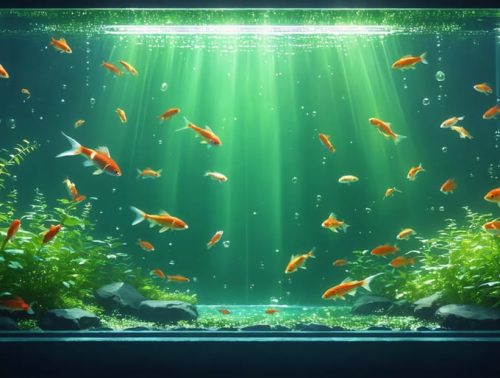
Dive into the microscopic powerhouses that form the foundation of every thriving pond ecosystem. Phytoplankton, the tiny floating plants that give pond water its green tint, are nature’s unsung heroes. These microscopic organisms produce up to 80% of your pond’s oxygen, feed countless aquatic creatures, and help maintain crystal-clear water when properly balanced. Like a well-conducted orchestra, phytoplankton work in harmony with other pond elements to create the perfect balance …
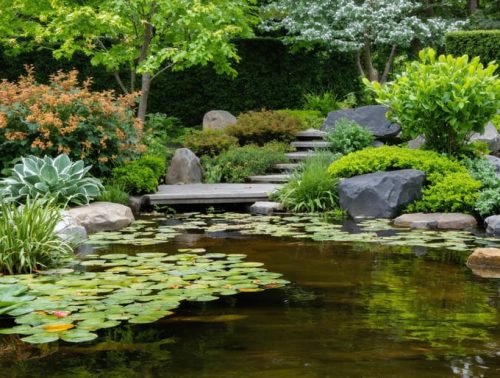
Master your plant watering schedule by observing soil moisture levels daily – stick your finger one inch deep into the soil and water only when it feels dry. Group plants with similar water needs together to create a thriving water garden and streamline maintenance. Adjust watering frequency based on seasonal changes: increase during hot, dry periods and reduce during cooler, humid weather. Water deeply in the early morning to minimize evaporation and prevent fungal growth, …