
Why Your Pond Water Looks Clean But Fish Keep Dying
Your pond’s murky water and struggling fish might be telling you something important about what’s happening beneath the surface. BOD (Biological Oxygen Demand) and COD (Chemical Oxygen Demand) are two measurements that reveal how much oxygen-consuming waste exists in your water, and understanding their relationship is like having a diagnostic tool that shows exactly what’s stressing your pond ecosystem.
Think of COD as the total picture of everything in your water that could potentially use up oxygen, from fish waste to decaying leaves to invisible chemicals. BOD, on the other hand, measures only the portion that bacteria can actively break down right now. When you compare these two numbers, you get a revealing snapshot: a healthy pond typically shows BOD at about 40-60% of the COD value, meaning bacteria can efficiently handle most of the organic matter present.
When that ratio gets out of whack, trouble starts brewing. If your BOD creeps up close to your COD reading, you’re dealing with an overload of biodegradable waste that beneficial bacteria are struggling to process. This scenario often happens after heavy feeding, during algae die-offs, or when leaves pile up in autumn. Conversely, when BOD stays unusually low compared to COD, you might have chemical pollutants or non-biodegradable substances that bacteria simply can’t touch.
The beautiful part? Once you understand this relationship, you can take targeted action instead of guessing what’s wrong with your water.
What BOD and COD Actually Mean (In Plain English)
BOD: The Bacteria’s Grocery Bill
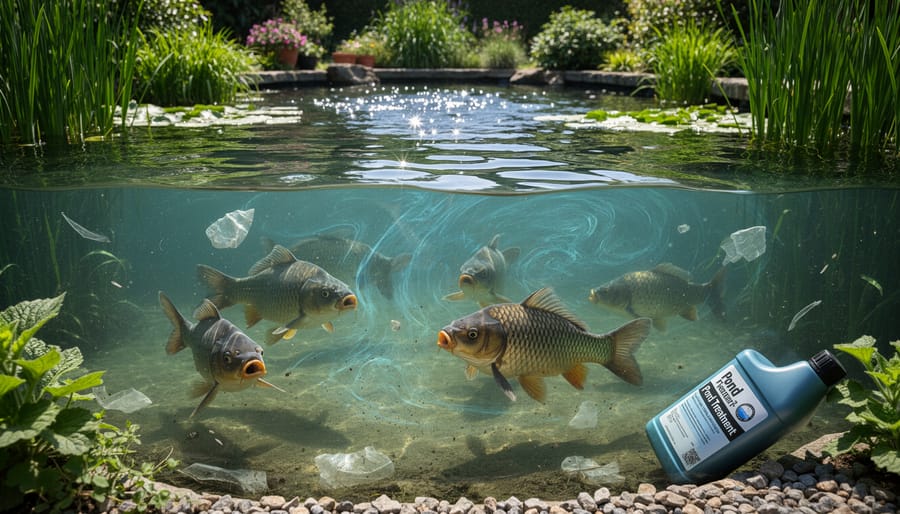
Think of BOD as your pond’s grocery bill for its cleanup crew. Biological Oxygen Demand measures how much oxygen beneficial bacteria need to break down organic matter in your water. Just like you and I need food to work, these microscopic helpers need oxygen to do their job of cleaning up waste.
When bacteria encounter fish waste, uneaten food, decaying leaves, or dead algae, they get to work decomposing it all. But here’s the catch: this cleanup process consumes oxygen from your pond water. The more organic stuff there is to break down, the higher your BOD reading climbs, and the more oxygen gets pulled from the water your fish need to breathe.
High BOD typically comes from overfeeding fish, too many fish for your pond size, accumulated bottom muck, or seasonal leaf drop. I learned this the hard way one autumn when I neglected to net falling leaves from my pond. Within weeks, my fish were gasping at the surface as bacteria worked overtime breaking down all that organic material, creating an oxygen crisis. That’s when I realized BOD wasn’t just a number but a real measure of the workload my pond was handling.
COD: The Complete Picture of Pond Pollution
Think of COD (Chemical Oxygen Demand) as the big-picture test that catches absolutely everything polluting your pond water. While BOD focuses on what bacteria can munch through, COD measures all the oxygen-demanding stuff, including substances that bacteria struggle to break down or can’t digest at all.
Here’s what makes COD different: it uses powerful chemicals in a lab setting to break down pollutants instead of relying on living bacteria. This means it detects things like industrial chemicals, certain pesticides, heavy metals, and stubborn organic compounds that might wash into your pond from surrounding areas.
This is exactly why COD values are always higher than BOD values in the same water sample. It’s measuring everything BOD measures, plus all those extra pollutants that bacteria can’t easily handle. Think of it this way: if BOD is like counting the snacks your goldfish can eat, COD counts those snacks plus everything else floating in the water, whether edible or not.
In a healthy backyard pond, your COD reading might be moderately higher than your BOD reading. But if there’s a huge gap between the two, it’s a red flag that something difficult to break down has entered your water, and you’ll need to investigate potential sources beyond just organic waste.
The BOD-COD Connection: What Their Relationship Tells You
When the Numbers Are Close Together
When your BOD and COD measurements are close together, that’s actually good news for your pond! This means the organic matter in your water is highly biodegradable. Think of it like having leftovers in your fridge that decompose naturally versus plastic that just sits there forever.
In practical terms, when these numbers are similar, you’re dealing with organic waste that the beneficial bacteria in your pond can break down effectively. For example, fish waste, decaying plant matter, and uneaten fish food all fall into this category. I remember testing my pond after adding too many koi, and while both numbers were higher than I wanted, they were nearly identical. This told me my filtration system just needed a boost, not a complete overhaul.
Common scenarios where you’ll see this include ponds with fish populations, water gardens with lots of aquatic plants that naturally shed leaves, or even after spring cleanup when organic debris enters the water. The key takeaway? Your pond’s natural cleanup crew can handle the job. You might need to support them with better aeration or additional beneficial bacteria, but you’re not dealing with toxic chemicals or pollutants that resist breakdown.
When There’s a Big Gap Between Them
When you test your pond water and discover COD is way higher than BOD—we’re talking triple or more—that’s your pond waving a red flag. This big gap means you’ve got pollutants that bacteria just can’t break down easily. Think of it like trying to compost a plastic bottle versus an apple core. The apple breaks down quickly, but that plastic? It’s stubbornly sticking around.
In backyard ponds, this usually points to chemical troublemakers. Maybe you used an algaecide that was a bit too aggressive, or perhaps runoff from a freshly painted fence found its way into your water. I learned this the hard way when I repainted my deck one summer—didn’t think about where the rainwater would drain, and my pond suffered for weeks afterward.
Other sneaky culprits include lawn chemicals, petroleum products from nearby driveways, or even certain pond dyes. These substances show up clearly in COD tests because they need oxygen to eventually break down, but they’re resistant to biological decomposition, keeping your BOD reading relatively low. The good news? Identifying this gap helps you pinpoint the problem isn’t just organic overload—it’s something chemical that needs a different approach to fix.
The Sweet Spot for Healthy Ponds
For a thriving garden pond with happy fish, you’ll want to keep BOD below 5 mg/L and COD under 20 mg/L. Here’s a simple rule of thumb I’ve learned from years of pond keeping: your COD reading should be about 2 to 3 times higher than your BOD. When these numbers creep higher or the ratio gets wonky (say, COD is 5 or 6 times your BOD), your pond is waving a red flag. This balanced relationship means your beneficial bacteria are doing their job, munching through organic waste efficiently. Think of it like a well-oiled cleaning crew keeping your pond healthy. Maintaining proper pond water balance becomes much easier when these measurements stay in the sweet spot, giving your fish the clean, oxygen-rich environment they need to thrive.
Signs Your Pond Needs BOD and COD Testing
Your pond is pretty good at telling you when something’s wrong—you just need to know what to watch for! Let me share some telltale signs that it’s time to check your water’s BOD and COD levels.
First, take a good look at the water itself. If it’s turned murky, cloudy, or has developed an unexpected greenish-brown tint, that’s your pond waving a red flag. I remember when my neighbor’s beautiful koi pond suddenly looked like pea soup—turns out the organic matter was off the charts! An unpleasant smell is another dead giveaway. If you’re catching whiffs of a rotten egg or sewage-like odor when you walk by, excess organic pollution is likely brewing beneath the surface.
Now, watch your fish closely. They’re like little water quality monitors swimming around! Fish gasping at the surface, especially early morning, signals oxygen depletion. You might also notice them becoming lethargic, hanging out near waterfalls or fountains where oxygen levels are higher, or refusing to eat like they normally do. These behaviors scream that something’s consuming the dissolved oxygen they desperately need.
Look for visible algae blooms too—those thick, mat-like growths covering the surface. While some algae is normal, excessive growth indicates high nutrient levels and organic pollution. Dead fish, unfortunately, are the most serious warning sign and demand immediate testing.
Foam or scum accumulating on the water’s surface, excessive muck building up on the bottom, or plants dying unexpectedly all point toward imbalanced water chemistry. If you’re experiencing any combination of these symptoms, it’s definitely time to test your BOD and COD levels to understand what’s really happening in your pond ecosystem.
How to Monitor BOD and COD in Your Backyard Pond
DIY Testing Kits vs. Professional Lab Analysis
When it comes to measuring BOD and COD in your pond, you’ve got two main paths: DIY test kits or sending samples to a professional lab. Let me walk you through both options so you can decide what works best for your situation.
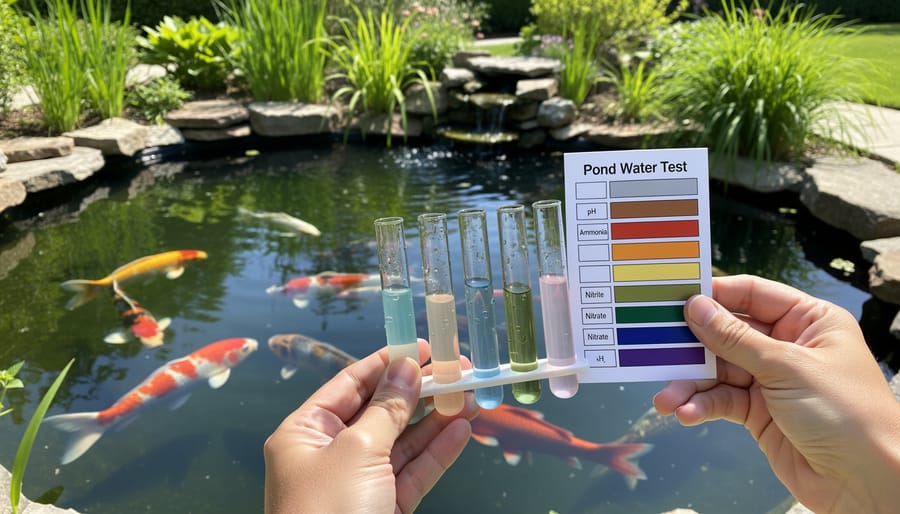
DIY test kits are wonderfully convenient and budget-friendly. You can grab results within minutes right at your pond’s edge, making them perfect for regular monitoring. They’re great for tracking trends and catching problems early. However, here’s the catch: most home kits measure related parameters like dissolved oxygen, pH, and nitrates rather than actual BOD and COD. True BOD testing requires a five-day incubation period, which isn’t practical for home use. While these kits give you helpful clues about your water quality, they won’t provide precise BOD or COD numbers.
Professional lab analysis offers accuracy and comprehensive data. Labs use standardized water testing methods that deliver reliable BOD and COD measurements, perfect if you’re troubleshooting persistent issues or need documentation. The downsides? Labs cost more, require careful sample collection and transport, and you’ll wait days for results.
For most pond owners, I recommend starting with DIY kits for routine monitoring, then turning to professional testing when facing stubborn water quality problems.
When and How Often to Test
I recommend testing your pond water at least quarterly throughout the active season, with extra attention during spring and summer when biological activity peaks. Think of it like checking your car’s oil—regular monitoring prevents bigger headaches down the road.
Certain situations demand immediate testing, though. If you’ve just established a new pond, test within the first two weeks to establish a baseline. After any fish die-off, test right away to identify the culprit before you lose more fish. Heavy algae blooms signal nutrient imbalances that BOD and COD testing can help uncover.
I also test after major weather events like torrential rains that wash debris into the pond, or during prolonged hot spells when oxygen levels naturally drop and organic matter decomposes faster. If you notice murky water, foul odors, or gasping fish at the surface, don’t wait for your regular testing schedule—these are your pond’s way of crying for help. Winter testing can usually be less frequent, but don’t skip it entirely if you keep fish year-round.
Reading Your Results
Here’s what those numbers are telling you about your pond’s health! When you get your test results back, you’ll see two numbers – your BOD and COD values, typically measured in milligrams per liter.
For healthy ponds, you want BOD below 5 mg/L and COD below 20 mg/L. If your BOD is creeping above 10 mg/L, your pond is struggling with too much organic matter that bacteria are working overtime to break down. This means less oxygen for your fish and plants.
The relationship between these numbers is your secret weapon. A COD to BOD ratio between 2:1 and 3:1 is perfect – it means most of your organic waste is biodegradable and your pond can handle it naturally. If your ratio jumps above 5:1, you’ve got stubborn pollutants that won’t break down easily, and it’s time to investigate what’s entering your water.
Think of regular pond water quality testing like checking your car’s oil – catching problems early saves you headaches later!
Fixing High BOD and COD Levels
Tackling High BOD (The Organic Overload)
When your pond’s BOD levels climb too high, don’t worry—there are plenty of practical ways to bring things back into balance, and I’ve used most of these myself over the years!
Start with your feeding routine if you have fish. I learned the hard way that overfeeding is one of the biggest culprits behind organic overload. Feed only what your fish can consume in about five minutes, and skip a day or two each week. Those uneaten pellets sinking to the bottom? They’re directly feeding your BOD problem.
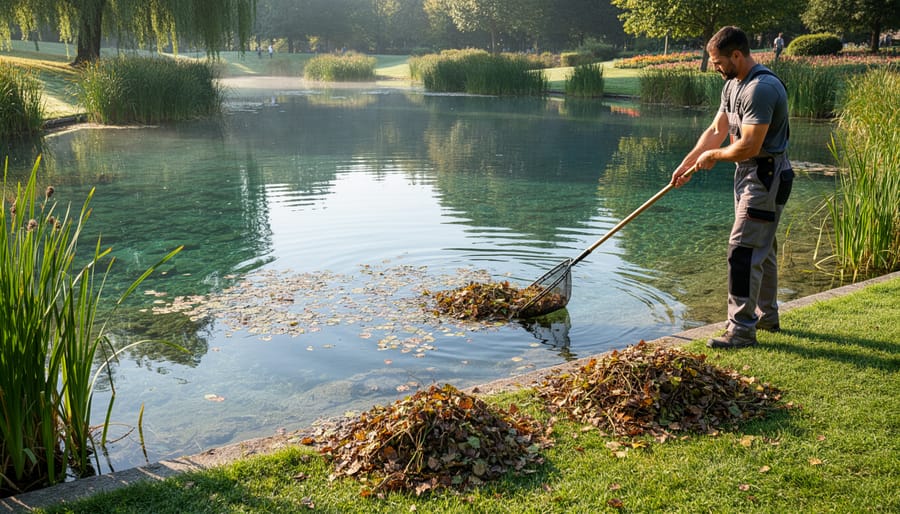
Next, grab your pond net and make debris removal a regular habit. Fallen leaves, dead plant matter, and accumulated sludge are all organic materials breaking down in your water. I spend just ten minutes every few days skimming the surface and scooping out visible debris—it’s amazing how much this simple step helps.
Consider adding beneficial bacteria products to your pond. These helpful microorganisms work around the clock, naturally breaking down organic waste more efficiently and keeping BOD levels in check.
Your filtration system deserves attention too. Upgrade to a biological filter if you haven’t already, and clean your filter media regularly without killing those good bacteria—rinse with pond water, never tap water.
Finally, plants are your secret weapon! Adding more aquatic plants like water lilies, irises, or submerged oxygenators helps absorb excess nutrients while naturally filtering your water. Think of them as your pond’s cleaning crew that also looks beautiful.
Addressing High COD (The Stubborn Pollutants)
When your COD levels are stubbornly high while BOD remains reasonable, you’re dealing with those tough-to-break-down chemicals and non-biodegradable materials that beneficial bacteria just can’t handle. Think of it like this: your pond’s cleanup crew showed up ready to work, but they’re facing materials they weren’t trained to remove.
The most immediate solution? Good old-fashioned water changes. I usually recommend replacing 20-30% of your pond volume weekly until COD levels drop. It’s not glamorous, but it works by literally diluting the problem pollutants out of your system.
Activated carbon filtration is your next best friend. These special filters act like magnets for chemical pollutants, absorbing dissolved organics that won’t break down naturally. I’ve seen carbon filters work wonders on ponds that received runoff from treated lawns or had mystery chemical contamination.
Here’s the detective work part: you absolutely must identify where these pollutants are coming from. Are pesticides or fertilizers washing in from nearby gardens? Did someone accidentally introduce chemicals? Is that decorative fountain paint leaching something nasty? Stop the source, and you’ve won half the battle.
Don’t overlook plant-based bioremediation either. Certain aquatic plants like water hyacinth and duckweed are incredible at absorbing and filtering chemical pollutants. They’re nature’s own filtration system, and honestly, watching them clean your water while looking beautiful is pretty satisfying. Just remember to harvest and remove them regularly so they don’t become part of the problem themselves.
Here’s the truth I’ve learned after years of managing ponds: understanding BOD and COD doesn’t require a chemistry degree. These measurements are simply tools that help you peek beneath your pond’s surface and understand what’s really happening. Think of them like a thermometer for your health—they give you information so you can take action.
The beautiful thing about grasping the BOD-COD relationship is that it transforms you from someone reacting to problems into someone preventing them. When you notice those numbers climbing or the ratio shifting, you’re catching issues before your fish start gasping at the surface or your water turns pea-soup green.
I want you to remember something important: every small step you take toward better water quality makes a genuine difference. Adding beneficial bacteria, reducing overfeeding, improving aeration, or simply testing your water monthly—these aren’t complicated actions, but they create ripples of positive change throughout your entire pond ecosystem.
You don’t need perfect water chemistry to have a thriving pond. You just need awareness and consistency. With regular monitoring and simple maintenance routines, you’re already ahead of most pond owners. Your fish don’t need laboratory-perfect conditions; they need a caretaker who pays attention and makes thoughtful adjustments when needed.
So grab that test kit without intimidation. Check your numbers. Make small improvements. Your pond—and the life it supports—will reward you with clarity, health, and beauty that makes every effort worthwhile.