
DNR Invasive Species Lists: What Water Gardeners Need to Know to Protect Their Ponds
DNR invasive species lists are official state and regional inventories of prohibited or restricted plants, fish, and other organisms that threaten local ecosystems, and for water gardeners in 2026, these lists directly determine which pond plants and fish you can legally purchase, propagate, or keep in your backyard oasis. If you’ve ever browsed online plant catalogs or visited a fish supplier only to see “not available in your state” notices, you’ve encountered these regulations in action.
These government lists exist because certain popular water garden species, beautiful and harmless in their native ranges, become ecological nightmares when introduced elsewhere. Water hyacinth chokes entire waterways in warm climates. Chinese mystery snails outcompete native mollusks. Certain koi and goldfish varieties, if released or escaped, hybridize with wild populations and damage fisheries. What starts as a single decorative plant or fish in your pond can spread through flooding, wildlife transport, or well-meaning but misguided releases, causing millions in environmental damage.
Understanding your state’s DNR list isn’t just about avoiding fines. It protects the lakes, rivers, and wetlands that make your region unique, and it keeps you from investing time and money into plants or fish you’ll eventually need to remove. The tricky part? Lists vary dramatically by state and even by county. What’s perfectly legal in Colorado might land you with hefty penalties in Wisconsin.
This article walks you through exactly how to find your regional DNR invasive species list, identifies the most commonly restricted water garden plants and fish you need to watch for, and offers practical, legal alternatives that deliver the same beauty and function without the regulatory headaches.
Understanding DNR Invasive Species Lists
State Department of Natural Resources (DNR) invasive species lists are official catalogs maintained by each state’s natural resource management agency, identifying plants, animals, and other organisms that threaten local ecosystems. These agencies, sometimes called Department of Fish and Wildlife, Department of Environmental Conservation, or similar names depending on your state, compile these lists based on scientific research, ecological assessments, and real-world impacts observed in their specific region. The primary purpose is straightforward: prevent destructive species from establishing themselves in waters and habitats where they don’t belong, protecting native wildlife, water quality, and the overall health of local environments.
Understanding how these lists work is simpler than you might think. Most states organize their invasive species into three main categories. Prohibited species are completely banned, you can’t buy them, sell them, possess them, or transport them within the state. Restricted species have conditional rules: you might be allowed to own them under certain circumstances, like keeping them contained in indoor aquariums with no risk of escape, but you can’t introduce them to outdoor water features or sell them. Watch lists identify species that aren’t yet widespread problems but show warning signs, helping water gardeners stay ahead of future restrictions.
The reason these lists vary so dramatically from state to state comes down to ecology and geography. A plant that thrives and spreads aggressively in Florida’s warm, humid climate might struggle to survive a Minnesota winter, making it harmless there. Similarly, species already established in one region’s waterways may be tightly controlled elsewhere to prevent new invasions. State DNR agencies assess invasive species definitions and threats based on their local conditions, climate, native ecosystems, existing invasive populations, and available control resources, which is why checking your specific state’s list matters so much for water gardeners.
Why Water Gardeners Should Care About These Lists
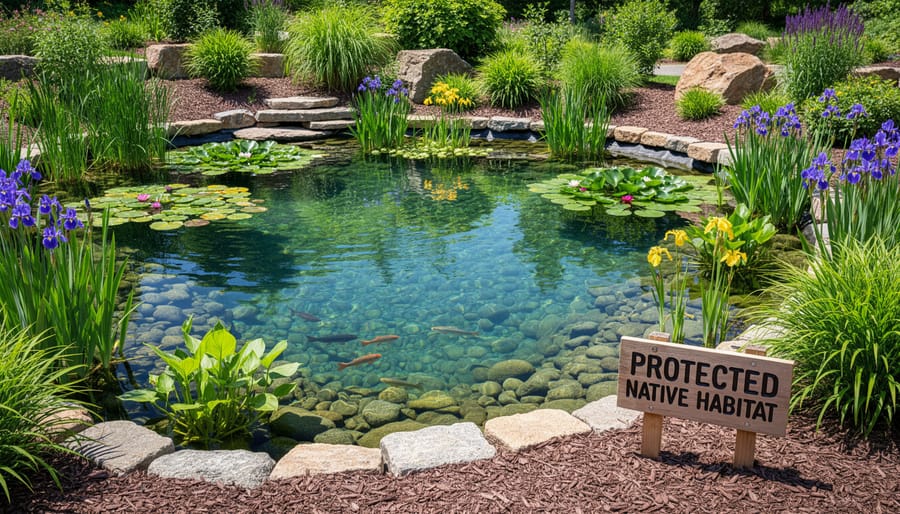
DNR invasive species lists aren’t just bureaucratic paperwork. They’re your first line of defense against plants and fish that can turn your peaceful pond into a maintenance nightmare and seriously harm the waterways around you.
When invasive species escape your water garden through stormwater runoff overflow events, or well-meaning releases, they spread aggressively in local lakes, rivers, and wetlands. These plants and animals outcompete native species, disrupt food chains, and degrade habitats that wildlife depends on. A single water hyacinth, for example, can produce 65,000 offspring in a season, eventually choking entire waterways and blocking sunlight from reaching underwater plants.
The consequences hit closer to home than you might think. Many states enforce strict invasive species regulations with real penalties for possessing, selling, or transporting banned plants and fish. Fines can range from hundreds to thousands of dollars, and in some cases, you could face equipment confiscation or legal action. Even unintentional violations count.
Beyond the legal risks, invasive species create practical headaches in your own pond. They grow so vigorously that they overwhelm your carefully balanced ecosystem, clog filters and pumps, and shade out the plants you actually want. You’ll spend weekends pulling armloads of vegetation instead of enjoying your water garden. Some invasive fish species eat everything in sight, including your expensive koi food and any beneficial insects or tadpoles.
I remember talking with Sarah, a water gardener in Michigan, who’d lovingly grown parrot feather for three years because she adored its feathery texture. She discovered it was banned only when a visiting extension agent mentioned it during a pond tour. Sarah felt terrible, worried about penalties, and sad about losing a plant she’d nurtured. After properly disposing of it and replacing it with native pickerelweed, she realized the new plant actually looked better and attracted more dragonflies.
Taking a few minutes to check your state’s DNR list before purchasing isn’t about limiting your creativity. It’s about protecting your investment, staying legal, and ensuring your water garden remains a joy rather than a source of stress. The best approach is learning to avoid invasive spread before it starts.
Common Water Garden Offenders on DNR Lists
Invasive Aquatic Plants
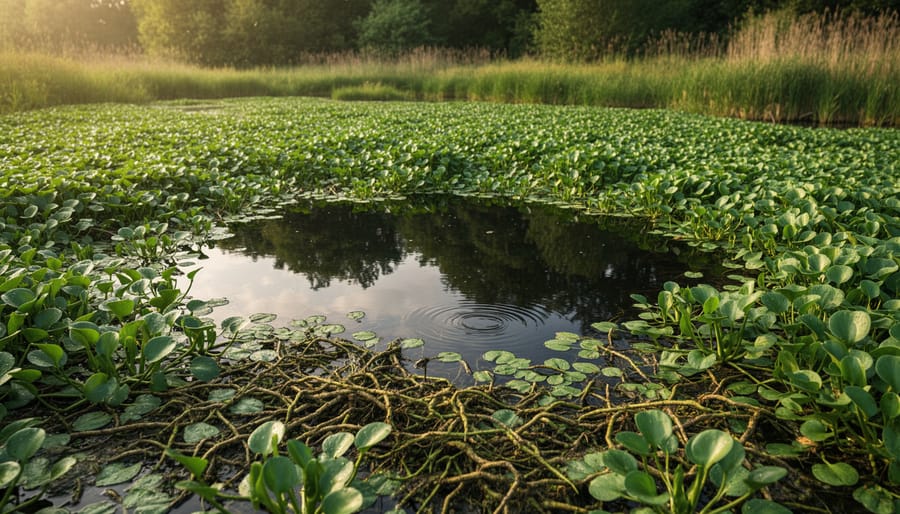
Water hyacinth tops nearly every invasive plant list in North America, and it’s easy to see why gardeners love it, those glossy leaves and lavender blooms are gorgeous. But this South American native grows so aggressively that it can double its coverage in two weeks, choking out sunlight and oxygen in waterways. It’s banned outright in most southern and western states, including California, Florida, Texas, and Arizona, where warm climates let it thrive year-round. Northern states like Wisconsin and Michigan restrict it too, since even seasonal growth causes problems.
Water lettuce presents similar issues. Those neat rosettes spread rapidly across pond surfaces, forming dense mats that block light and deplete oxygen. Most southeastern states prohibit it, along with California and Hawaii. You’ll find it restricted in parts of the Midwest as well.
Parrot feather might look delicate with its feathery underwater foliage, but it’s a notorious escape artist. Originally sold as an oxygenator, it now clogs irrigation ditches and wetlands across the country. States from Washington to Massachusetts ban or restrict it.
Brazilian elodea (or Brazilian waterweed) creates thick underwater tangles that disrupt native plant communities and make swimming or boating impossible. The Great Lakes region takes this one seriously, Michigan, Wisconsin, and Minnesota all prohibit it. Pacific Northwest states restrict it heavily too.
Yellow iris surprises many gardeners. It’s been a garden staple for generations, but those cheerful yellow flowers hide aggressive rhizomes that spread through wetlands, outcompeting native irises and sedges. The Pacific Northwest, particularly Washington and Oregon, has moved aggressively to control it, and northeastern states are following suit.
| Plant | Why It’s Problematic | Commonly Restricted Regions | Legal Alternative |
|---|---|---|---|
| Water Hyacinth | Doubles coverage in 2 weeks, blocks light and oxygen | CA, FL, TX, AZ, most southern states | Native pickerelweed |
| Water Lettuce | Dense surface mats deplete oxygen | Southeast, CA, HI | Frogbit (where legal) |
| Parrot Feather | Clogs waterways, escapes easily | WA, MA, many states nationwide | Native milfoil species |
| Brazilian Elodea | Creates impenetrable underwater tangles | Great Lakes states, Pacific Northwest | Native eelgrass |
| Yellow Iris | Aggressive rhizomes outcompete natives | Pacific Northwest, Northeast | Native blue flag iris |
The frustrating part is that many garden centers still sell these plants, especially in states where they’re not yet banned. That’s why checking your state’s DNR list before buying is so important. What looks like a bargain starter plant today could become an expensive compliance headache tomorrow.
Problematic Fish and Aquatic Animals
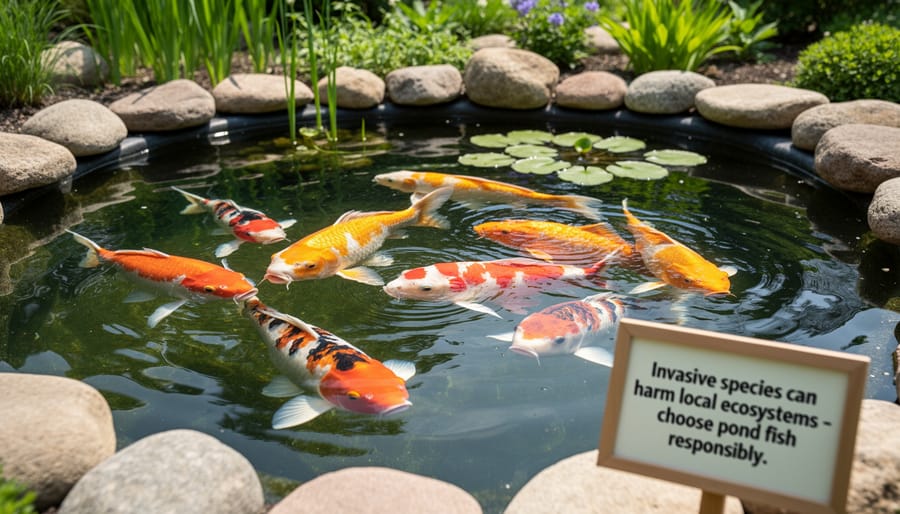
While most water gardeners carefully research their plants, fish often receive less scrutiny. That’s a mistake. Many states maintain strict regulations on aquatic animals, and some species you might see at aquarium stores or online retailers are actually prohibited in certain regions.
Carp Varieties: Not All Are Created Equal
Common carp and grass carp top many state restriction lists. Grass carp, popular for controlling algae and aquatic vegetation, require special permits in most states and are outright banned in others. The concern? They’re voracious eaters that can strip waterways bare if they escape during floods or through intentional release. Some states allow only sterile, triploid grass carp with proper permits, while others prohibit them entirely. Silver carp and bighead carp face even stricter bans across the country due to their potential to disrupt entire river ecosystems.
The Snakehead Situation
Snakeheads generate headlines for good reason. These predatory fish can breathe air, survive out of water for days, and walk short distances on land. They decimate native fish populations and have no natural predators in North America. Federal law prohibits transporting live snakeheads across state lines, and most states ban possession entirely. If you spot one for sale, walk away and consider reporting the seller to your state DNR.
Asian Swamp Eels and Other Invaders
Asian swamp eels share snakeheads’ alarming adaptability. They burrow into pond banks, tolerate poor water quality, and reproduce rapidly. Currently established in scattered U.S. locations, they’re banned in states working to prevent their spread. Similarly, walking catfish face restrictions in southern states where escaped populations have gained footholds.
The Crayfish Conundrum
Rusty crayfish might seem harmless, even appealing as pond scavengers. Reality tells a different story. These aggressive crustaceans outcompete native crayfish, destroy aquatic vegetation, and prey on fish eggs. Many northern states prohibit possession and use as bait. Red swamp crayfish face similar restrictions in various regions.
Even Goldfish and Koi Face Scrutiny
Surprising to many pond owners, some jurisdictions restrict certain goldfish and koi varieties or require permits for larger specimens. The concern isn’t the fish themselves in controlled environments, but their survival and reproduction if released into wild waters. A few escaped goldfish can establish breeding populations that disrupt native species.
Before adding any fish to your water garden, verify your state’s regulations. Responsible ownership means keeping your aquatic pets securely contained and never releasing them into natural waterways, even with good intentions.
How to Find Your State’s DNR Invasive Species List
Finding your state’s DNR invasive species list is easier than you might think, and it’s a crucial step before adding any new plants or fish to your pond. Most states maintain dedicated invasive species pages, though they don’t all organize them the same way.
Here’s how to track down your specific regional list:
- Start with a simple search using your state name plus “DNR invasive species” or “invasive aquatic species.” For example, “Wisconsin DNR invasive species” or “Florida aquatic invasive plants.”
- Once on your state’s DNR or natural resources website, look for sections labeled “Invasive Species,” “Aquatic Invasives,” “Prohibited Species,” or “Restricted Species.” Some states tuck these under “Fisheries” or “Wildlife” departments.
- Check if the list is organized by category (plants, fish, mollusks) or by regulatory status (prohibited, restricted, watch list). Prohibited means you can’t buy, sell, or possess the species at all. Restricted typically allows ownership with permits or under specific conditions.
- Search using both common names (like “water hyacinth”) and scientific names (Eichhornia crassipes) since lists vary in how they’re indexed. The scientific name is your best bet for accuracy.
- Download or bookmark the PDF if available, since many states publish printable guides you can reference while shopping.
If your state doesn’t have a clear online list, don’t panic. Call your local DNR office or county extension agent directly. They’re usually happy to answer questions about specific species and can point you to regional resources. Some states also defer to federal guidelines or regional compacts for certain waterways.
Similar to water garden permitting invasive species regulations exist to protect shared water resources, so getting clarity upfront saves headaches later. When in doubt about a plant or fish, assume it needs verification rather than assuming it’s fine.
Regional Invasive Species Watchlists: Your Early Warning System
Regional watchlists fill the gap between “harmless newcomer” and “officially banned invader.” These specialized tracking systems monitor species that haven’t yet caused widespread damage in a region but show troubling signs based on their behavior elsewhere. For water gardeners, they’re your crystal ball, a chance to avoid investing time, money, and emotional energy in a plant or fish that regulators will likely prohibit within a few years.
Unlike formal DNR bans, watchlists serve as early warning systems. A species lands on a watchlist when it’s spotted in limited areas but hasn’t established self-sustaining populations yet. Biologists track its spread, study its impact in other regions, and assess whether it has the traits of a future problem: rapid reproduction, lack of natural predators, or aggressive growth patterns. Think of it as regulatory prevention rather than reaction.
The Great Lakes region operates one of North America’s most comprehensive programs through the Great Lakes Aquatic Nonindigenous Species Information System. They track everything from hydrilla to round gobies, publishing quarterly updates on species creeping toward critical thresholds. If you’re maintaining a pond anywhere in the Great Lakes watershed, checking their watchlist before making purchases prevents heartbreak down the road.
Out West, the Pacific Northwest Invasive Species Council coordinates watchlists across Washington, Oregon, Idaho, and parts of Montana. They’ve been particularly vigilant about flowering rush and fragrant water lily, both still legal in some areas but spreading fast. Their alerts often predate state-level bans by two to three years.
The Southeast Aquatic Resources Partnership takes a collaborative approach across 15 states, focusing heavily on aquatic plants like giant salvinia and crested floating heart. Their network shares data across state lines, recognizing that invasive species don’t respect political boundaries.
Staying informed takes minimal effort. Most regional programs offer free email alerts when new species get added to watchlists or when existing ones get upgraded to regulated status. Subscribe to your region’s updates, and you’ll know about potential problems before your local garden center stops carrying certain plants. It’s proactive water gardening, making smart choices today that keep your pond legal and healthy tomorrow, without the stress of forced removals or expensive replacements later.
Making Legal and Eco-Friendly Choices for Your Water Garden
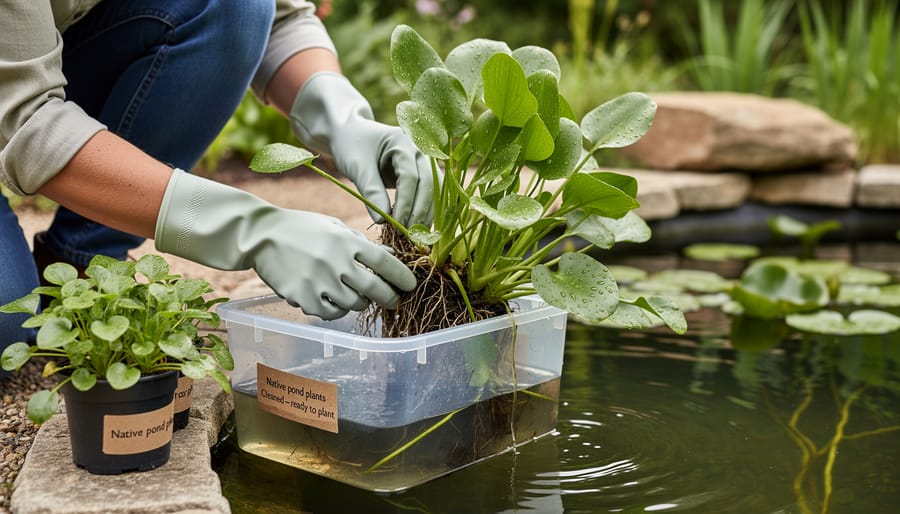
Creating a gorgeous, thriving water garden while staying on the right side of DNR regulations is easier than you might think. The key is knowing what to ask before you buy and being willing to explore alternatives that’ll give you the same visual impact without the legal headaches.
Start every plant or fish purchase with one simple question: “Is this species legal in my state?” Reputable nurseries and aquatic suppliers should know their local regulations cold. If a seller can’t answer confidently or brushes off your concern, that’s a red flag. Shop somewhere else. When buying online, double-check the seller’s compliance statements and look for phrases like “ships only to states where legal” in product descriptions. A few minutes of research now beats discovering you’ve accidentally stocked your pond with banned species later.
Native plants are your secret weapon for effortless beauty and compliance. They’re already adapted to your climate, require less maintenance, and they’ll never show up on an invasive species list. Ask your local extension office or native plant society for recommendations specific to your region. You’d be amazed how many stunning native alternatives exist for popular invasive species. Instead of water hyacinth, try native pickerelweed with its gorgeous purple spikes. Swap invasive yellow iris for blue flag iris, which offers similar height and structure.
For fish, stick with traditional pond favorites from reputable breeders: common goldfish, koi, and mosquito fish are legal almost everywhere and have proven track records. Avoid exotic species promising unusual colors or behaviors unless you’ve verified their legal status in your state.
Keep records of where you purchased each plant and fish. If regulations change, you’ll have documentation showing you acquired everything legally. Think of building your water garden like cooking from a trusted recipe, following the guidelines doesn’t limit your creativity, it just ensures your masterpiece won’t create problems down the road.
What to Do If You Already Have an Invasive Species
Discovering you’ve been nurturing a banned species in your pond can feel frustrating, but it’s a surprisingly common situation, and there are straightforward ways to handle it responsibly.
First, don’t panic and absolutely don’t release the plant or fish into nearby waterways. This is the worst possible action, even if it seems humane. Releasing invasive species into wild waters is precisely how they spread and damage ecosystems, and it’s illegal in most jurisdictions. It’s also how many of these species became problems in the first place.
For invasive plants, the safest disposal method is removing them completely and letting them dry out thoroughly on a tarp for several weeks. Once desiccated, bag them securely and dispose of them in your household trash. Some water gardeners also compost dried invasive plants in sealed composters, but check your local extension office first since some species can regenerate from tiny fragments.
If you’re keeping invasive fish, contact your state DNR or local extension office for specific guidance. Many areas offer amnesty programs or designated disposal sites. Some aquarium and pond clubs also coordinate responsible rehoming networks, though these typically can’t accept truly prohibited species. Never flush fish or pour pond water containing eggs or plant fragments down drains or storm sewers.
Your local extension office is your best resource here. They won’t penalize you for asking how to comply, and they can suggest legal alternatives that offer similar beauty and function. Most water gardeners who’ve navigated this say the replacement plants or fish ended up being better performers anyway. Mistakes happen, especially given how freely invasive species were sold in the past. What matters now is handling the situation responsibly and moving forward with compliant choices.
Frequently Asked Questions
Can I keep a banned plant if I already own it?
Most states prohibit possession entirely once a species is listed, meaning you cannot legally keep it even if you bought it before the ban. Check your specific state DNR website for grandfathering clauses, though these are rare for aquatic invasives.
What are the penalties for possessing or selling invasive species?
Penalties vary widely by state but typically include fines ranging from a few hundred to several thousand dollars per violation. Some states impose criminal charges for intentional release or commercial sale of prohibited species.
Do DNR regulations apply to indoor water features?
Generally yes, if the species is prohibited in your state. While indoor features pose lower escape risk, most state laws don’t distinguish between indoor and outdoor possession, so the same restrictions apply to aquariums and indoor fountains.
How often do DNR invasive species lists change?
Most states review and update their lists annually or biannually as new threats emerge and research evolves. Subscribing to your state DNR email alerts or checking their website each spring before ordering plants is a smart habit.
Are there federal invasive species lists in addition to state ones?
Yes, the federal government maintains lists through agencies like the U.S. Fish and Wildlife Service and USDA, which prohibit interstate transport and import of certain species. Your water garden must comply with both federal and state regulations.
What if my state doesn’t have an online invasive species list?
Contact your state DNR or Department of Agriculture directly by phone or email. County extension offices can also provide guidance and often maintain printed lists of prohibited and restricted aquatic species for your region.
Understanding these regulations becomes especially important during seasonal transitions. When you winter garden protection or winterize safely you have a perfect opportunity to evaluate your current plants and fish against updated DNR lists. This timing lets you responsibly remove any problematic species before spring growth begins and make compliant replacement choices for the coming season.
The regulatory landscape shifts as scientists identify new threats and track species spread patterns. Staying informed protects you from unintentional violations and helps preserve the waterways that make water gardening possible in the first place.
Checking your state’s DNR invasive species list might feel like one more item on your water gardening to-do list, but it’s genuinely one of the easiest ways to be a responsible pond owner. These regulations aren’t about limiting your creativity, they’re practical tools that protect your local waterways and keep your own pond ecosystem healthy in the long run.
I’ve found that understanding which species to avoid actually makes plant and fish selection simpler, not harder. You’ll save yourself future headaches from aggressively spreading plants or problematic fish, and you’ll sleep better knowing you’re not accidentally contributing to ecological problems in your area.
The wonderful news? Compliance and beauty aren’t mutually exclusive. There are countless stunning native plants, well-behaved ornamentals, and appropriate fish species that will make your water garden absolutely spectacular without any regulatory concerns. A quick check of your DNR list before you buy is all it takes.
Your water garden can be both a personal sanctuary and a small act of environmental stewardship. That’s a combination worth celebrating, and it starts with making informed, responsible choices from the very beginning.