
Transform Your Pond Into a Living Playground With Interactive Water Features
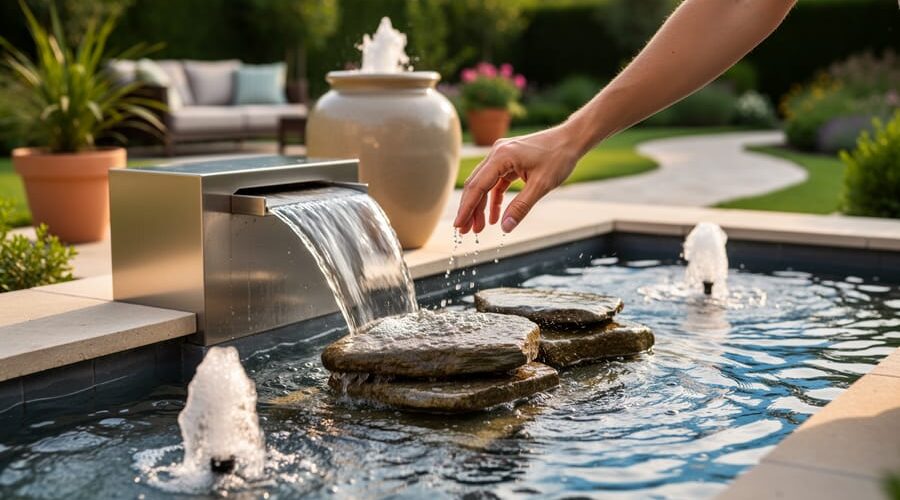
Transform your still pond into an engaging centerpiece by adding features that invite interaction and create movement. Fountains, spillways, and bubble jets give you hands-on control over water patterns while aerating your pond naturally. Touchable elements like stream rocks positioned near waterfalls let visitors feel the water’s energy, turning passive observation into active experience.
Choose interactive features based on your pond’s size and your desired level of involvement. Small ponds benefit from single spitters or bubbling urns you can adjust daily, while larger water gardens accommodate multiple spray patterns controlled by timers or manual valves. Consider how much tinkering you enjoy—some fountain heads offer five or more interchangeable nozzles that create different visual effects, perfect if you love experimenting with new looks throughout the seasons.
Installation becomes straightforward when you match pump capacity to your chosen feature. Most interactive additions connect directly to existing circulation systems through simple unions and ball valves, letting you divert water flow without major replumbing. Position features where you’ll naturally gather—near seating areas or along pathways—so interaction happens organically rather than requiring special trips to the pond’s edge.
Maintenance stays minimal when you select features designed for continuous outdoor use. Stainless steel and powder-coated brass resist corrosion, while removable nozzles make monthly cleaning quick. The real joy comes from those spontaneous moments: redirecting a stream on a hot afternoon, adjusting fountain height for visiting children, or simply turning water flow up when you need the soothing sound amplified.
What Makes a Water Feature ‘Interactive’?

The Difference Between Interactive and Traditional Features
Think of traditional water features as beautiful but passive elements in your garden. They run constantly, creating lovely sounds and visual appeal, but they don’t change based on what’s happening around them. A classic fountain sprays water in the same pattern hour after hour, and a waterfall flows steadily whether anyone’s watching or not.
Interactive water features, on the other hand, are like having a conversation with your pond. They respond to you and your environment. Motion sensors might trigger jets when someone walks past, or touch-activated controls let you change spray patterns with a simple swipe. Some features adjust their lighting based on the time of day or react to music playing nearby.
The key difference? Engagement. While traditional features provide consistent ambiance, interactive ones create moments of surprise and delight. They turn your pond from something you admire into something you play with and personalize. This makes them particularly exciting for families with children or anyone who loves entertaining outdoors and wants their water feature to be part of the fun.
Why Add Interactive Elements to Your Pond?
Adding interactive elements to your pond transforms it from a passive landscape feature into an engaging experience for everyone. I’ve seen countless pond owners light up when they install their first fountain or waterfall – suddenly their backyard becomes the neighborhood gathering spot!
For families with children, interactive features provide hours of entertainment. Kids love watching streams change direction, playing with floating elements, or observing how fish respond to feeding stations. These hands-on experiences create lasting memories while keeping little ones engaged with nature instead of screens.
Interactive water features also offer wonderful educational opportunities. You can teach children about water flow, ecosystems, and wildlife behavior through simple observation and interaction. Guests of all ages find themselves mesmerized by moving water, making your pond a natural conversation starter during gatherings.
Beyond entertainment, interactive elements dramatically enhance your pond’s aesthetic appeal. The movement, sound, and visual interest they create add depth and dimension to your water garden. Even a simple bubbler or small waterfall can elevate an ordinary pond into a captivating focal point that you’ll enjoy year-round.
Popular Types of Interactive Water Features
Touch-Activated Fountains and Sprays
Touch-activated features bring a magical, hands-on element to your pond that guests of all ages will love! These responsive additions let you control the water action with just a press or touch, creating instant wow moments.
The simplest option is a push-button fountain head that sends water jets shooting upward when activated. I installed one near my pond’s edge last summer, and it’s become the neighborhood favorite—kids (and adults!) can’t resist making the water dance. These typically connect to your existing pump system with a simple control valve that opens when the button is pressed.
Sensor-activated spray jets take things up a notch by responding to motion or touch without physical buttons. Wave your hand near the sensor, and water arcs spring to life. They’re perfect for creating interactive play areas around your pond’s perimeter.
Bubbling rocks with touch controls offer a subtler approach. These decorative elements look natural when dormant but activate gentle bubbling or stronger spurts when triggered. They blend beautifully into rock gardens and pond edges.
Most touch-activated features run on low-voltage systems for safety around water, and installation is straightforward—you’re essentially adding a control mechanism between your pump and the water outlet. Just ensure your pump has adequate flow capacity to handle the additional feature when activated.
Motion-Sensor Water Elements
Motion-sensor water elements bring a delightful element of surprise to your pond, activating automatically when someone walks by. These features use infrared or motion detection technology to trigger fountains, jets, or lighting displays, creating memorable moments for guests and family members alike.
The technology works through small sensors that detect movement within a specific range, typically 10 to 25 feet. When triggered, they send a signal to activate your chosen water effect for a preset duration, usually 30 seconds to several minutes. I installed my first motion-activated fountain three years ago, and watching my grandkids discover it never gets old!
Pond owners have several options to choose from. Simple motion-activated fountain heads connect to existing pumps and start when someone approaches. Combination units pair motion sensors with LED lighting for nighttime drama. More advanced systems allow you to program multiple water effects in sequence, creating a choreographed display.
Installation is straightforward for most DIY enthusiasts. Mount the sensor near your pond’s edge at knee height, connect it to your pump or fountain according to manufacturer instructions, and adjust the sensitivity settings. Most units run on low-voltage systems or batteries, making them safe and energy-efficient additions to any pond setup.
Remote-Controlled and App-Based Systems
Technology has completely transformed how we interact with our ponds, and I’m honestly excited about what’s possible now! Modern remote-controlled and app-based systems let you adjust your water feature from the comfort of your couch or even while you’re away from home.
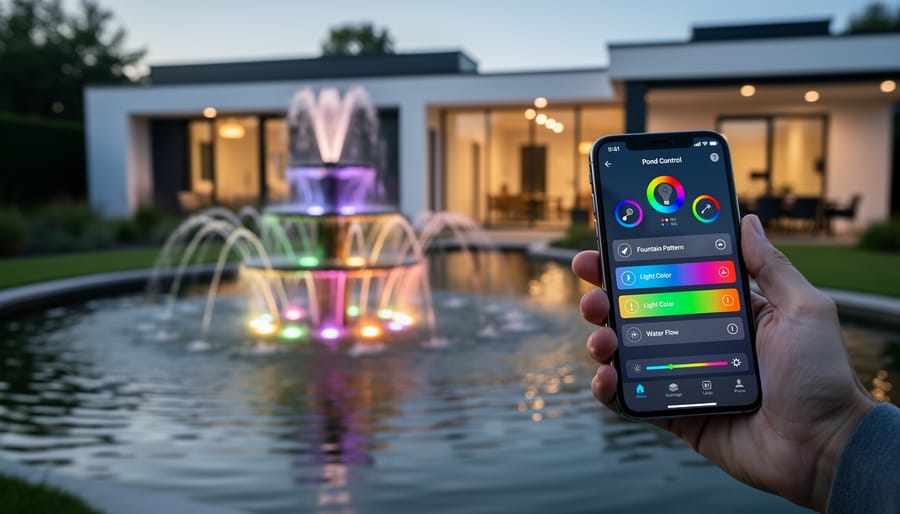
These smart systems typically connect via WiFi or Bluetooth, giving you control over multiple elements at once. You can change fountain spray patterns from a gentle bubbler to an impressive shooting jet with just a few taps on your phone. Want to create different moods throughout the day? Adjust flow rates to match your energy, whether that’s a calming trickle during breakfast or a more dramatic display when entertaining guests in the evening.
The real magic happens when you combine these features. Many systems let you synchronize fountain patterns with lighting combinations, creating choreographed displays that change colors and movements together. Some advanced controllers even include scheduling features, so your pond can automatically adjust throughout the day without any input from you.
Most systems are surprisingly straightforward to install, with waterproof controllers that connect to your existing pump and lighting setup. The apps are generally user-friendly, designed for regular homeowners rather than tech experts, which means you’ll be creating custom water shows in no time.
Floating Interactive Elements
Floating interactive elements bring incredible flexibility to your pond because you can move them around whenever you want a fresh look! I absolutely love these features – they’re perfect if you’re not quite ready to commit to permanent installations or if you’re renting your home.
Solar-powered floating fountains are my top recommendation for beginners. Simply place them on the water’s surface, and they’ll start spraying as soon as the sun hits the solar panel. No wiring, no complicated setup. I moved mine three times last summer just to experiment with different fountain patterns across my pond, and it took less than a minute each time.
Push-activated lily pad sprayers are pure magic, especially if you have kids visiting. These clever devices look like oversized lily pads, and when someone steps on them (they float at the surface), they release a gentle spray of water. Your grandchildren will spend hours playing with them!
Another fun option is floating LED orbs that respond to touch by changing colors. They create stunning reflections at night and double as interactive toys during evening gatherings. The battery-operated versions typically last 8-10 hours per charge.
The beauty of floating features is their versatility – test different positions, remove them for winter storage, or swap them out seasonally without any hassle.
Planning Your Interactive Enhancement
Assessing Your Pond’s Readiness
Before you dive into adding an interactive water feature, let’s make sure your pond is ready for the upgrade. Think of this as a friendly health check for your water garden!
Start with the basics: measure your pond’s size and depth. Most interactive features need at least 18 inches of water depth to function properly, while fountains and bubblers can work in shallower areas. Jot down these numbers as they’ll guide your feature selection.
Next, evaluate your existing pump capacity. Check the gallons per hour (GPH) rating on your current pump. If you’re planning to add a fountain or waterfall, you might need to upgrade to handle the additional water flow. A simple rule: bigger features need stronger pumps.
Don’t forget about electrical access. You’ll need a weatherproof outdoor outlet within safe reach of your pond. If you’re running extension cords across your yard, it’s time to call an electrician for a proper solution.
Finally, consider your pond inhabitants. Fish generally love the added oxygen from moving water, while some delicate water lilies prefer calmer zones. The good news? You can usually find a happy balance that works for everyone in your pond ecosystem.
Choosing Features That Match Your Goals
The best interactive water feature for your pond is the one that fits naturally into your daily life. Start by thinking about who’ll enjoy it most. If you have young children or grandkids who visit regularly, splash stones and gentle fountains are perfect for safe, supervised play. For adults seeking relaxation, consider elegant waterfalls or bubbling urns that create soothing background sounds. Hosting outdoor gatherings? Features with lighting elements become conversation starters during evening entertainment.
Budget matters, but think beyond the initial purchase price. A simple spouting fountain might cost less upfront, while a sophisticated pondless waterfall requires more investment but needs minimal upkeep. Be honest about your maintenance tolerance too. I learned this the hard way when I installed a multi-tiered fountain that looked stunning but demanded weekly cleaning. Now I stick with simpler designs that match my busy schedule.
Consider your existing pond setup as well. Is your pump powerful enough to run additional features? Do you have adequate electrical access? Taking inventory of what you already have helps avoid costly surprises and ensures your new interactive element enhances rather than complicates your water garden experience.
Power and Electrical Considerations
Let me be honest with you—mixing water and electricity can feel intimidating, but it doesn’t have to be! Most interactive water features run on low-voltage pumps (typically 12-24 volts), which are much safer than standard household current. These pumps simply plug into a weatherproof outdoor outlet using a ground fault circuit interrupter (GFCI), which instantly cuts power if it detects any moisture issues.
For smaller features like bubbling rocks or fountain ornaments, solar-powered options are fantastic. I’ve installed several solar fountains, and they’re incredibly simple—no wiring whatsoever! Just position the solar panel in a sunny spot and you’re done. The downside? They won’t run at night or on cloudy days.
Wired pumps offer consistent performance and handle larger, more complex setups. Always keep electrical connections at least six feet from water’s edge, use outdoor-rated extension cords, and never bypass safety features.
Here’s my rule: if you need to install new outlets, run underground wiring, or feel uncertain about any electrical aspect, call a licensed electrician. It’s worth every penny for peace of mind. Safety always comes first in water gardening!
Installation Steps for DIY Interactive Features
Starting Simple: Adding a Controlled Fountain Head
If you already have a pond pump working away, you’re closer than you think to creating your first interactive water feature! Adding a controlled fountain head is the perfect beginner upgrade that transforms still water into an engaging display.
Start by measuring your existing pump’s flow rate, usually listed in gallons per hour (GPH). This number matters because fountain heads are designed for specific flow ranges. A pump pushing 500 GPH won’t power a fountain head designed for 2000 GPH, and you’ll end up disappointed with a weak dribble instead of a beautiful spray.
Once you know your pump’s capacity, choose a fountain head that matches. Bell patterns, tier designs, and simple spray jets are all popular options. Most fountain heads simply attach to your pump’s outlet with basic threaded connections or hose clamps.
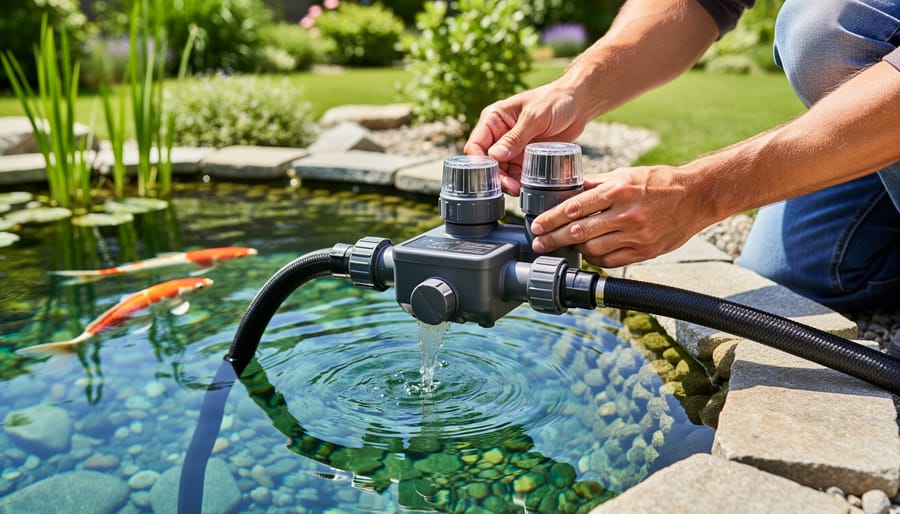
Here’s where the interactive part comes in. Installing a simple ball valve between your pump and fountain head gives you manual control over the spray height and intensity. Turn it clockwise to reduce flow for a gentle bubbling effect, or open it fully for maximum drama.
Want to get fancier? Remote-controlled inline valves let you adjust your fountain from across the yard. Some even connect to smart home systems, so you can turn your fountain on when guests arrive or schedule it to run during peak garden viewing hours.
The beauty of this upgrade is its simplicity. You’re not rewiring or replumbing your entire pond system. You’re just adding one thoughtful component that puts control literally in your hands.
Installing Touch-Activated Elements
Adding touch-activated elements transforms your pond into an engaging centerpiece that responds to your family’s interaction. Start by choosing a pump splitter (also called a diverter valve) that attaches to your existing pump’s outlet, creating separate lines for your standard fountain and new button-controlled jets. Most splitters feature simple screw-on connections that require no special tools.
For the control mechanism, invest in waterproof momentary switches designed specifically for outdoor water features. These switches, when pressed, activate the jets for as long as you hold them down, creating exciting bursts of water. Mount them on decorative posts near your pond edge, positioning them about 3 feet high for easy access by kids and adults alike.
The wiring is straightforward. Run low-voltage wire from your switch to a relay box positioned near your pump, keeping all electrical connections inside waterproof junction boxes rated for outdoor use. Always use GFCI-protected outlets for safety. I installed mine along a stone border, concealing the wires beneath decorative rocks.
Test your setup before finalizing placement. There’s nothing quite like watching children’s faces light up when they discover they can control the water display with just a simple push.
Setting Up Smart Controls
Modern smart controls have completely changed how I manage my water features, and honestly, I wish I’d known about them years ago! Setting up a wifi-enabled pump system is easier than you might think, and the convenience is absolutely worth it.
Most smart pump systems connect directly to your home wifi network. You’ll start by downloading the manufacturer’s app to your smartphone, then follow the simple pairing process, which typically involves pressing a button on the pump’s control unit while the app searches for the device. The whole setup usually takes about 10-15 minutes.
Once connected, you can adjust water flow rates, set schedules for when your fountains or waterfalls run, and even create custom lighting sequences if your system includes LED lights. I love programming mine to start up just before I get home from work, so I’m greeted by the soothing sound of flowing water.
The real game-changer is energy management. You can schedule your pumps to run during off-peak electricity hours or turn features on only when you’re actually outside enjoying your space. Many systems also send maintenance alerts when it’s time to clean filters or check water levels, which has saved me from several potential problems.
Making It Work With Fish and Plants
Fish-Friendly Interactive Features
If you’re keeping fish, the good news is that many interactive features can coexist beautifully with your finned friends! The key is choosing gentle options that create movement without overwhelming your pond.
Bubble features and gentle fountain sprays work wonderfully with fish. They add that visual interest and soothing sound you want while keeping turbulence minimal. Think of them as creating a light massage rather than a whirlpool! Position these features toward one side of your pond, leaving calmer zones where fish can rest and feed peacefully.
Floating features deserve special mention here. Solar-powered floating fountains are particularly fish-friendly since they move with the water rather than creating harsh jets. I’ve watched koi actually seem to enjoy swimming near these gentle bubbles, almost like they’re playing!
Here’s my personal rule: if it creates waves that reach the pond edges forcefully, it’s too much for most fish. You want ripples, not rapids. Also, maintain at least one-third of your pond surface as calm water where fish can retreat, especially during feeding time or hot weather when they need more oxygen-rich, settled areas.

Protecting Your Plants
Your pond plants work hard to keep your water healthy and beautiful, so let’s make sure your interactive features play nicely with them! When positioning fountains, waterfalls, or jets, keep them away from water lilies and floating plants, which prefer calm water. Strong currents and splashing can damage delicate lily pads and prevent blooms from opening properly.
I learned this the hard way when I installed a bubbling fountain right next to my favorite yellow lily. Within a week, the poor thing looked miserable! Now I place interactive features at least three feet from sensitive plants.
Marginal plants along your pond edges are more forgiving, but heavy spray can still flatten their foliage. Choose adjustable features that let you control water flow and direction. Better yet, use your interactive elements to create gentle movement that actually benefits plant zones by improving circulation without causing chaos.
Position taller fountains toward the center where deeper water naturally exists, leaving shallow planting shelves undisturbed. This approach gives you the best of both worlds – exciting water action and thriving plants working together beautifully.
Maintenance and Seasonal Care
Regular Cleaning and Checkups
Keep your interactive water feature running smoothly with simple maintenance routines that take just minutes each month. I learned this the hard way when my motion sensors stopped responding because they were covered in algae!
Check your sensors weekly by waving your hand in front of them to ensure they’re detecting movement properly. If they’re sluggish, gently wipe them with a soft, damp cloth. For underwater sensors, use an algae-free sponge to avoid scratching the lens.
Every month, inspect all electrical connections to make sure they’re dry and secure. Test your valves by running through each interactive function, listening for smooth operation without grinding or sticking. If valves sound rough, they might need cleaning or lubrication with waterproof grease.
Control panels should be wiped down regularly to prevent dirt buildup on buttons and displays. Once a season, check all wiring for any wear or damage from curious wildlife or weather exposure. Remove any debris from valve housings and sensor areas, as leaves and twigs can interfere with proper operation. This preventive care keeps everything responsive and extends the life of your interactive components significantly.
Winterizing Interactive Elements
When temperatures drop below freezing, it’s time to protect your interactive water features from winter damage. I learned this the hard way my first year when ice cracked my favorite fountain nozzle!
Start by removing any battery-operated or solar-powered components. Take out pump units from fountains and spray bars, drain them completely, and store them somewhere dry. Even pumps rated for winter use can benefit from indoor storage, extending their lifespan significantly.
Disconnect and drain all tubing and hoses. Water trapped inside will expand when frozen, causing splits you won’t discover until spring. I like to blow compressed air through my lines to remove every last drop.
Removable decorative elements like floating spheres, tipping bamboo spouts, and adjustable nozzles should come indoors. Clean them thoroughly before storage to prevent algae buildup during their winter rest.
Some features can stay put if you’re in a mild climate. Sturdy stone spillways and permanently installed copper waterfalls typically handle cold weather well, though you’ll still want to shut off water flow. Underwater LED lights designed for ponds usually tolerate freezing if submerged below your pond’s freeze line.
Label everything as you disassemble it. Your spring self will thank you when reassembly becomes a breeze rather than a frustrating puzzle!
Budget-Friendly Options to Get Started
You don’t need to spend a fortune to add interactive elements to your water garden! Some of the most engaging features can be created with surprisingly simple materials and a bit of creativity.
Start with a basic fountain pump and some flexible tubing. A small submersible pump (around $30-50) paired with creative spray nozzles can create delightful patterns. I remember visiting a friend who used a basic pump with a spinning sprinkler head from the hardware store, mounted just above the water surface. The kids loved trying to predict which direction it would spray next!
Solar-powered fountains are another wallet-friendly option, typically ranging from $40-80. They’re perfect for smaller ponds and require zero electrical work. Just float them in place, and let the sun do the rest. The only catch? They work best in direct sunlight, so placement matters.
For true DIY enthusiasts, consider repurposing everyday items. PVC pipes can become custom spray bars, creating curtains of water that ripple across your pond surface. Drill holes along one side, connect to your pump, and experiment with different patterns. Total cost? Usually under $20.
Motion-activated lighting adds nighttime interactivity without complicated wiring. Battery-powered LED strips designed for outdoor use can be positioned around your pond edges for around $25-40. When visitors approach, the lights spring to life, creating magical evening ambiance.
If you’re upgrading an existing pond, adding a simple bubbler rock is both affordable and impactful. These hollow rocks (or you can drill your own) sit atop a small pump and create gentle burbling sounds. They typically cost $30-60 and add instant zen appeal while increasing beneficial water movement and oxygenation.
Interactive water features transform your pond from a beautiful backdrop into a living centerpiece that draws everyone closer to the water. The wonderful thing about these enhancements is that you don’t need to tackle everything at once. Start with something simple like a small fountain or a strategically placed spitter, then gradually add elements as your confidence grows. I’ve watched countless pond owners begin with modest additions and discover a genuine passion for creating these engaging water displays.
What really matters is how these features change the way you experience your outdoor space. You’ll find yourself spending more time by the pond, whether it’s morning coffee while watching water dance across stones or evening gatherings where guests naturally gravitate toward the mesmerizing sounds and movements. Children become fascinated explorers, and even the most tech-obsessed teens put down their phones to interact with the water.
These aren’t just decorative additions; they’re investments in creating memorable moments and genuine connections with nature and loved ones. Your pond becomes more than something you maintain – it becomes something you truly enjoy living with every single day.