
What the National Wildlife Federation Says About Invasive Species in Your Water Garden
The National Wildlife Federation identifies invasive species as non-native plants and animals that spread aggressively, disrupt local ecosystems, and threaten native biodiversity. For water gardeners, this matters more than you might think: that pretty pond plant you saw at the nursery could be on your state’s prohibited list, and releasing the wrong fish or snail into your backyard water feature can inadvertently contribute to environmental harm downstream.
The NWF maintains regional watchlists and classification systems that help pond keepers distinguish between safe ornamental choices and problematic species that have caused ecological damage across North America. Their research shows that many common water garden favorites, including certain water hyacinths, water lettuce varieties, and specific koi relatives, have escaped cultivation and choked waterways, outcompeted native plants, and decimated local fish populations in states from Florida to California.
Understanding which species to avoid isn’t about limiting your creative options. It’s about making informed choices that keep your pond beautiful while protecting the streams, rivers, and wetlands in your region. The NWF provides free resources that break down invasive species by state and habitat type, giving you practical guidance on what to plant and stock.
This guide walks you through the NWF’s classification system, highlights the most common invasive species found in backyard ponds, and shows you exactly how to build a stunning water garden using responsible alternatives. You’ll learn which regional watchlists apply to your area and discover native species that offer the same visual impact without the ecological risk.
Understanding the NWF’s Approach to Invasive Species
The National Wildlife Federation doesn’t work alone when tracking invasive species. They partner with state departments of natural resources, the U.S. Fish and Wildlife Service, and the Army Corps of Engineers to build comprehensive aquatic invasive resources that water gardeners can actually use. This collaborative approach means their watchlists reflect both national-level threats and region-specific concerns that matter to your backyard pond.
The NWF categorizes invasive species into three practical tiers. Established invaders are already widespread and causing documented ecological damage, think water hyacinth choking Florida waterways or Asian carp dominating Midwest rivers. Emerging threats are species showing early signs of invasive behavior in limited areas but haven’t yet exploded across regions. Watchlist species are the ones you’ll see most often in garden centers: ornamental plants and popular fish that aren’t currently invasive in your area but have proven problematic elsewhere under similar conditions.
Why the focus on aquatic environments? Water gardens create a direct pipeline to natural waterways through overflow during storms, intentional releases, or even something as simple as disposing of plant trimmings in a nearby creek. The NWF knows that pond owners aren’t trying to cause harm, most don’t realize that beautiful water lettuce or those extra goldfish can devastate local ecosystems. That’s why their aquatic watchlists specifically call out species commonly sold for ornamental use, unlike broader invasive lists that focus on agricultural or forest threats. They’re also tracking how climate change affects which species can survive winter in northern zones, making heat management and temperature shifts critical factors in predicting future invasions.
Regional Watchlists: Why Your Location Matters
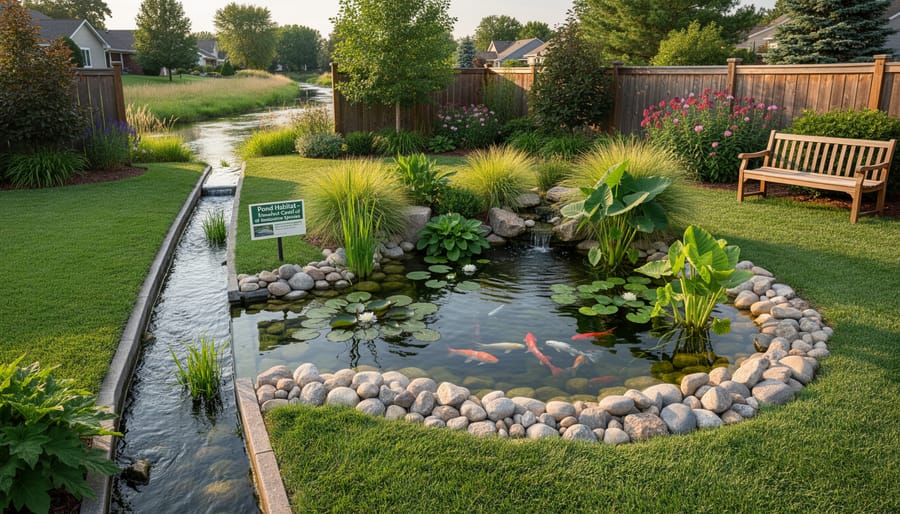
How Regional Climate Shapes Invasive Risks
Climate determines which invasive species pose real threats to your water garden. A plant that runs rampant in Florida’s humid warmth might barely survive a Minnesota winter, while cold-hardy invaders from Europe thrive in northern states but struggle in desert heat.
Water hyacinth illustrates this perfectly. In USDA zones 9-11, this floating plant spreads aggressively year-round, clogging waterways within weeks. Move north to zone 7, and frost kills it back each winter, limiting its invasive potential. Pond owners in Georgia face genuine ecosystem risks from water hyacinth escapes, while Michigan gardeners deal with minimal threat from the same species.
Temperature isn’t the only factor. Humidity, rainfall patterns, and seasonal water fluctuations all influence which organisms establish in the wild. Red-eared slider turtles, frequently released from backyard ponds, colonize successfully across the southern tier where mild winters allow year-round foraging. Northern releases often fail because turtles can’t find adequate food or suitable hibernation sites.
The Southwest presents unique challenges. Evaporation concentrates minerals in ponds, creating conditions that favor salt-tolerant invaders. Species that wouldn’t survive dilute eastern waterways thrive in these alkaline environments.
This regional variation explains why the NWF maintains location-specific watchlists rather than a single national list. Your climate zone determines which “pretty pond plant” becomes an ecological disaster versus a harmless ornamental that dies at first frost.
Finding Your Regional Watchlist
Start by visiting the National Wildlife Federation website and searching for “invasive species” along with your state name. The NWF partners with state agencies, so you’ll often find links directing you to your local Department of Natural Resources or Fish and Wildlife office. These state pages provide the most current, location-specific guidance.
Your state’s DNR invasive species lists typically include photos, descriptions, and legal status for plants and animals relevant to your region. Bookmark these resources since they update regularly as new threats emerge or regulations change.
For water garden specifics, look for aquatic plant sections or pond management guidelines. Many states offer downloadable PDFs showing problematic species by category. Cross-reference any plant or fish you’re considering against these lists before purchasing. If your state’s site feels overwhelming, call their invasive species coordinator directly. These specialists answer questions about local regulations and can clarify whether a particular species is safe for your pond.
Common Water Garden Invaders on NWF Watchlists
Invasive Aquatic Plants to Avoid
Water hyacinth ranks among the most notorious escapees from backyard ponds. Its glossy leaves and lavender flowers make it a tempting purchase at garden centers, but this South American native can double its coverage every two weeks in warm conditions. Once it reaches natural waterways, water hyacinth forms dense mats that choke out native plants, block sunlight, and deplete oxygen levels that fish need to survive. Florida, Louisiana, and California have spent millions trying to control populations that originated from ornamental ponds.
Parrot feather presents a deceptively tame appearance with its feathery, emerald foliage extending above the water surface. Originally from South America, this submerged plant spreads aggressively through stem fragments, a single piece can establish a new colony. It’s particularly problematic because pond owners often trim it for maintenance, and those clippings can travel downstream during heavy rains to colonize new areas.
Water lettuce looks like floating heads of pale green lettuce and creates an attractive textured layer on pond surfaces. But this tropical species reproduces rapidly through offshoots, and its thick coverage blocks light and oxygen exchange. It’s banned or restricted in many southern states where year-round warmth allows unlimited growth.
Purple loosestrife, though not exclusively aquatic, thrives in wet margins around ponds. Its striking magenta flower spikes are hard to resist, yet a single plant produces millions of seeds annually. These seeds spread through water, shoes, and equipment, allowing loosestrife to dominate wetland edges and crowd out native species that wildlife depends on for food and shelter.
Problem Fish and Aquatic Animals
Goldfish rank among the most commonly released pond fish, yet they transform rapidly from docile pets into aggressive competitors in natural waterways. When dumped into lakes or streams, goldfish revert to their wild carp ancestry, growing up to a foot long and outcompeting native fish for food and habitat. They uproot aquatic vegetation while foraging, clouding water and destroying spawning grounds for indigenous species.
Koi present similar problems on a larger scale. These ornamental carp can live for decades and reach three feet in length. Released koi interbreed with common carp populations, strengthening invasive genetics while consuming vast quantities of aquatic insects, small fish eggs, and plant matter that native species depend on. The NWF particularly warns against releasing koi when ponds overflow during storms or when owners tire of their maintenance demands.
Red-eared slider turtles dominate the invasive reptile category. Originally from the southern United States, these popular pet turtles now occupy waterways across all fifty states and multiple continents. They aggressively compete with native turtles for basking spots and food sources, and females dig nests that destroy riverbank stability. A single released slider can live forty years, producing hundreds of offspring.
Other problematic pond inhabitants include non-native crayfish species that burrow into dam walls, Chinese mystery snails that alter nutrient cycles, and bullfrogs that consume native amphibians. The common thread? Each seemed harmless in a backyard pond but became ecologically destructive when given access to natural ecosystems.
Hitchhikers: Unintentional Invaders
Not every invasive species arrives by choice. Many sneak into your pond as stowaways on plants you buy from nurseries or online retailers. These hitchhikers often go unnoticed until they’ve established themselves and started causing problems.
Bladder snails and ramshorn snails frequently ride in on the roots and leaves of aquatic plants. A single egg cluster can spawn hundreds of offspring within weeks. While they’re not always harmful, some species outcompete native snails and create dense populations that clog filters and smother plant surfaces.
Filamentous algae arrives as microscopic spores clinging to new plants or in the water inside shipping bags. Once introduced, it can spread rapidly across your pond’s surface, choking out ornamental plants and depleting oxygen. Similarly, blue-green algae (actually cyanobacteria) can hitchhike its way into your water garden and produce toxins harmful to fish and pets.
Duckweed species often arrive as tiny fragments stuck to other plants. What starts as a few fronds quickly multiplies into a dense mat covering your pond’s surface, blocking light and disrupting the ecosystem balance you’ve worked to create.
Always quarantine and thoroughly rinse new plants before adding them to your pond. Inspect every leaf, stem, and root carefully under good lighting.
How Invasive Species Escape Water Gardens
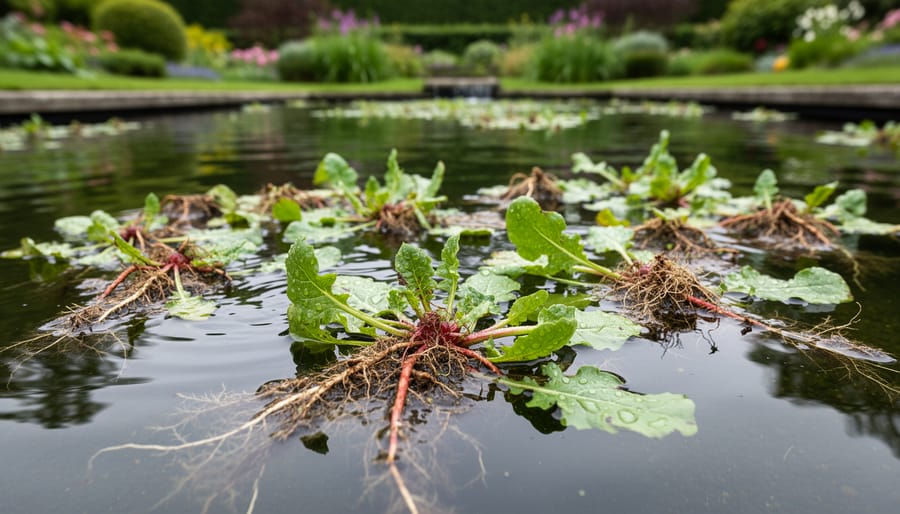
The most common escape route happens during heavy rain, when overflow carries floating plants and fish right out of your pond and into nearby storm drains. I learned this the hard way after a summer deluge sent half my water lettuce downstream before I could blink. That harmless-looking overflow doesn’t just drain away harmlessly, it connects to creeks, rivers, and wetlands where your pond plants find perfect conditions to colonize.
Flooding presents an even bigger risk. When water levels rise high enough to breach your pond’s edge, fish swim out into temporarily flooded yards and streets, then follow the water to permanent bodies. Koi and goldfish are especially good at this opportunistic escape, and they can survive in drainage ditches long enough to reach suitable habitat.
Plant trimmings create another pathway that catches people off guard. You divide your water hyacinth, toss the extras in the yard waste bin, and that bin ends up near a waterway at the processing facility. Or a neighbor admires your parrot feather, you give them a clipping, and they eventually dump it in a local pond when it outgrows their container. These hand-to-hand transfers spread invasives faster than natural dispersal ever could.
Even well-intentioned releases cause problems. Someone’s red-eared slider gets too big for the indoor tank, so they “set it free” in a nearby lake, thinking they’re doing the right thing. Pet goldfish get released during a move. These deliberate introductions, though often motivated by compassion, seed new invasive populations that displace native species and alter entire ecosystems. Managing stormwater runoff and building proper overflow systems stops most accidental escapes before they happen.
Building a Responsible Water Garden Using NWF Guidelines
Choosing Native and Safe Alternatives
Selecting pond inhabitants that won’t turn into ecological problems starts with understanding what thrives naturally in your region. Native plants like pickerelweed, blue flag iris, and cardinal flower provide the same visual appeal as invasive ornamentals while supporting local pollinators and wildlife. Check your state’s native plant society website for region-specific recommendations that match your hardiness zone.
For fish, resist the temptation to stock exotic species. Native minnows, mosquitofish, and sunfish control insects effectively without the risk of disrupting wild populations if they escape. If you prefer ornamental fish, keep them contained and never release them into natural waters, even goldfish. One released goldfish can survive, reproduce, and outcompete native species for decades.
The NWF recommends a simple rule: if a plant spreads aggressively in your pond, it will spread aggressively everywhere. Choose clump-forming plants over runners, and select varieties bred to be sterile. Water lilies, for instance, come in cultivars that produce fewer viable seeds.
When shopping, ask nurseries whether plants on your cart appear on regional watchlists. Reputable suppliers know which species create problems locally. Some states restrict certain aquatic plants entirely, so verify legality before purchasing. Your local cooperative extension office maintains lists of approved alternatives that match the beauty and function you want without the environmental cost.
Containment and Disposal Best Practices
Proper containment starts with your pond’s physical design. Install overflow barriers or spillways that drain into contained areas rather than storm drains or natural waterways. During heavy rains, check that runoff doesn’t carry plant fragments or seeds beyond your property. A simple mesh screen over drains catches escapees before they reach public water systems.
When trimming aggressive growers like water hyacinth or water lettuce, bag all cuttings immediately. Never toss trimmings into compost piles near streams or dump them in natural areas, assuming they’ll decompose harmlessly. Invasive plants can regenerate from tiny fragments. Instead, seal trimmings in plastic bags and dispose of them with household trash, or spread them in sunny spots away from water where they’ll dry completely and die.
Before you winterize your pond remove any watchlist species entirely rather than letting them overwinter. Freeze, dry, or bury removed plants deep in garden beds far from water sources.
For unwanted fish or animals, contact local aquarium clubs, pet stores, or hobbyist groups about rehoming. Many organizations accept surrendered pond fish. Never release them into lakes, rivers, or wetlands, even if they’re native to your broader region. That single act introduces diseases, disrupts established populations, and undermines years of conservation work.
What to Do If You Already Have a Watchlist Species
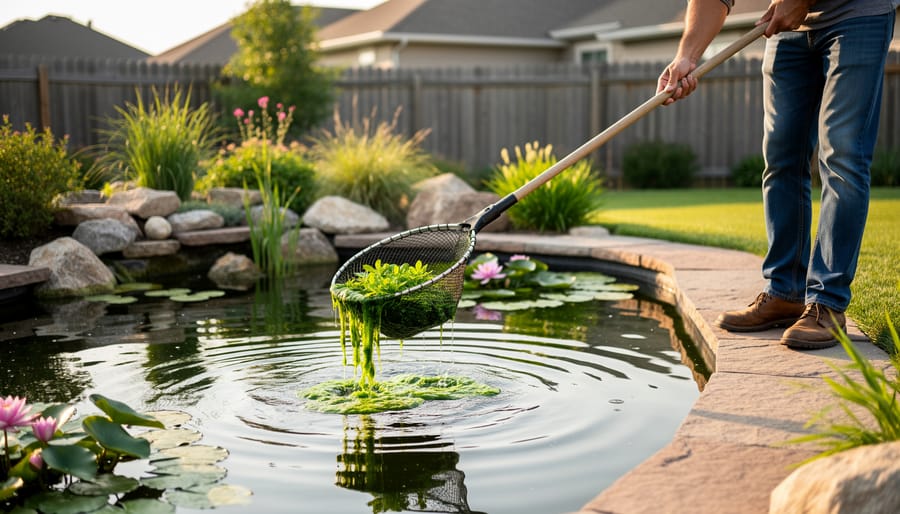
Finding a watchlist species in your pond doesn’t mean you’ve done anything wrong, many of these plants and fish were sold legally before regulations changed. What matters now is how you handle the situation.
First, stop the spread. Don’t trim and toss cuttings over the fence, don’t release fish into local waterways, and pause any plans to divide or share the plant with other water gardeners. Containment is your immediate priority.
Here’s how to safely remove and dispose of invasive species from your water garden:
- Identify the species completely using NWF resources or your state’s cooperative extension photos to confirm you’re dealing with a watchlist organism.
- Remove plants by hand, pulling or cutting them below the waterline and bagging all fragments, even tiny pieces can regenerate.
- Catch fish or aquatic animals using nets or traps rather than draining the entire pond, which can stress other inhabitants.
- Dry plant material in direct sunlight for several days until completely desiccated, then dispose of it in household trash, never in compost or yard waste.
- Freeze fish and animals solid for 72 hours before disposal, or contact local aquarium societies about humane surrender programs.
- Clean all tools, nets, and equipment with a 10% bleach solution to kill lingering fragments or eggs.
Many states require reporting certain invasive species sightings. Check your regional NWF watchlist or state natural resources website for protocols, some jurisdictions even offer free removal assistance. If your pond required water garden permitting your local agency may have specific disposal requirements you’ll need to follow.
Don’t try to solve the problem by releasing organisms “back to nature.” That’s how backyard ponds become invasion pathways. Responsible disposal protects the ecosystems we all enjoy.
Frequently Asked Questions
Are plants and animals on NWF watchlists illegal to own?
Not always. The NWF watchlists identify species of concern, but legal restrictions vary by state and local jurisdiction. Some states ban sale and possession of certain invasive species while others only prohibit their release into natural waterways.
What’s the difference between invasive and exotic species?
Exotic (or non-native) species come from elsewhere but don’t necessarily cause harm. Invasive species are non-native organisms that actively spread and damage ecosystems, outcompeting native plants and animals.
Who should I contact if I spot an invasive species in the wild?
Report sightings to your state’s Department of Natural Resources or Fish and Wildlife agency. Many states also maintain online invasive species reporting portals where you can submit photos and location details.
Can I still buy water hyacinth for my pond?
This depends entirely on your state. Several states, particularly in warmer regions where water hyacinth can survive winters, have banned its sale and possession. Check your state regulations before purchasing any aquatic plant.
What happens if my pond fish escape into local waterways?
Escaped fish can establish breeding populations, spread diseases, consume native species’ food sources, and disrupt entire aquatic ecosystems. In some jurisdictions, releasing non-native fish carries legal penalties including fines.
Beyond these common concerns, many water gardeners wonder whether they’re responsible if invasive species spread from their ponds unintentionally. While accidents happen, you can reduce liability and environmental impact by choosing contained pond designs, installing overflow barriers, and selecting species appropriate for your climate zone. If heavy rains or flooding might carry your pond inhabitants into nearby streams, that’s your signal to rethink what you’re keeping or improve your containment systems.
Remember that regulations evolve as scientists learn more about which species pose genuine threats. A plant that’s perfectly legal today might appear on next year’s restricted list. Staying connected with your state wildlife agency and checking the NWF’s updated watchlists annually keeps you ahead of regulatory changes and helps you make informed choices for your water garden’s future.
Your water garden shouldn’t come at the expense of the ecosystems you’re trying to celebrate. By consulting the National Wildlife Federation’s regional watchlists before you buy that next plant or fish, you’re making a choice that protects far more than your backyard pond.
Every time you research a species, choose a native alternative, or properly dispose of plant trimmings, you’re acting as an environmental steward. These small decisions ripple outward. They keep fragile wetlands from being choked by escaped water hyacinth. They protect native fish populations from invasive competitors. They preserve the biodiversity that makes water gardening rewarding in the first place.
The hobby thrives when we take responsibility for what we introduce to our ponds. Future generations of water gardeners deserve access to the same natural beauty and diversity we enjoy today, and natural ecosystems deserve protection from well-intentioned mistakes.
Start with your regional watchlist. Build your pond around species that belong in your landscape. When you do, you’re not just creating a beautiful water feature, you’re participating in something larger than yourself, a collective effort to keep our waterways healthy and thriving.