
What Are Biofilms in Water (and How Do They Work)?
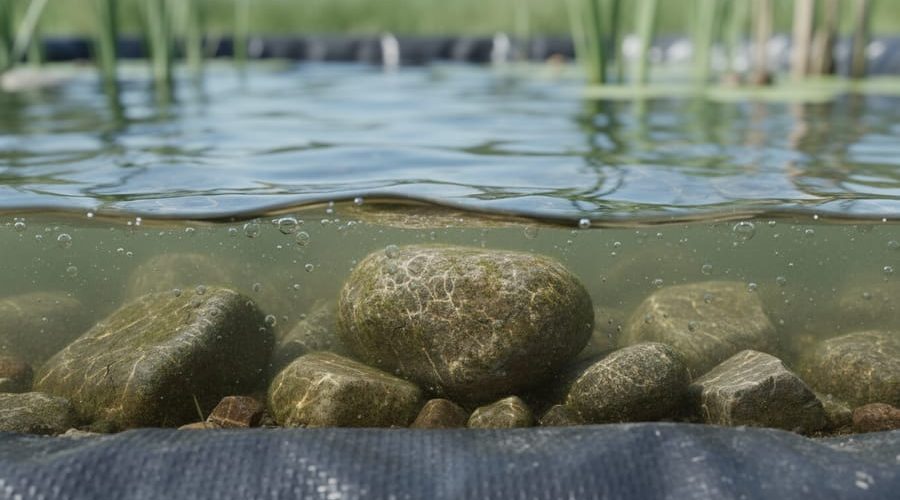
A biofilm in water is a thin, slimy layer of microorganisms, mostly bacteria, algae, and fungi, that cluster together on submerged surfaces, forming a protective matrix that clings to rocks, liner, plants, and equipment. If you’ve noticed a slick, jelly-like coating on your pond’s edge or felt something slippery underfoot on stones, you’ve encountered biofilm in action.
These microbial communities are completely natural and appear in nearly every aquatic environment, from pristine mountain streams to backyard ponds. Understanding biofilms matters because they play a dual role in your pond’s ecosystem. On one hand, beneficial biofilms break down organic waste, cycle nutrients, and provide food for invertebrates and fish. On the other, unchecked biofilm growth can signal imbalanced water conditions, clog filters, and create an unsightly mess that makes maintenance frustrating.
Most pond owners worry when they first spot biofilm, assuming it means something’s gone wrong. The truth is more nuanced. A thin, barely noticeable biofilm is a sign of a healthy, biologically active pond doing exactly what it should. Problems arise when biofilms thicken rapidly, develop foul odors, or appear alongside murky water and algae blooms.
This article will walk you through what biofilms actually are at a biological level, how they form and function in pond systems, the difference between helpful and harmful types, and practical strategies to manage them without disrupting the beneficial bacteria your pond relies on. You’ll finish with a clear sense of when to leave biofilm alone and when to take action.
What Biofilms Really Are
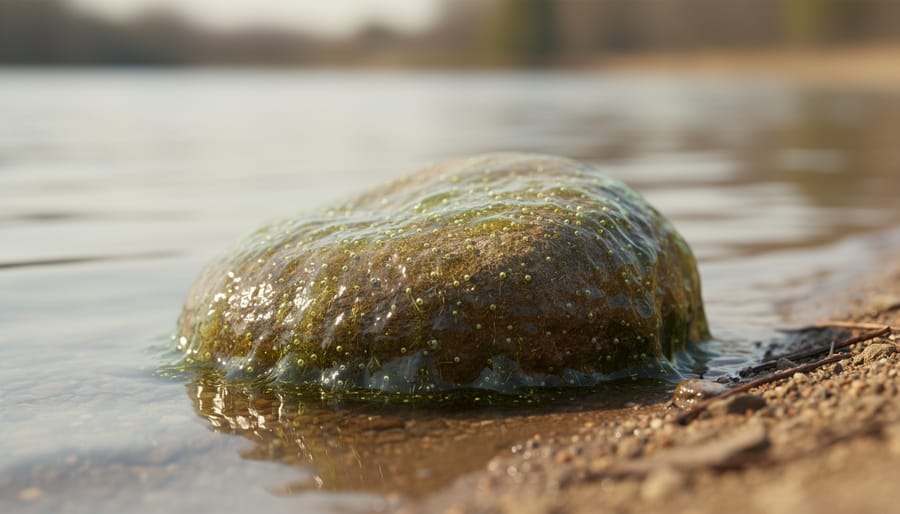
You know that slightly slimy feeling when you run your hand along a rock that’s been sitting in your pond for a while? That’s biofilm, and it’s not something to scrub away in a panic. A biofilm is essentially a microscopic city where bacteria, algae, fungi, and other tiny organisms band together on surfaces, producing a protective slime that holds the whole community together. Think of it as a living coating that forms wherever water meets a surface for any length of time.
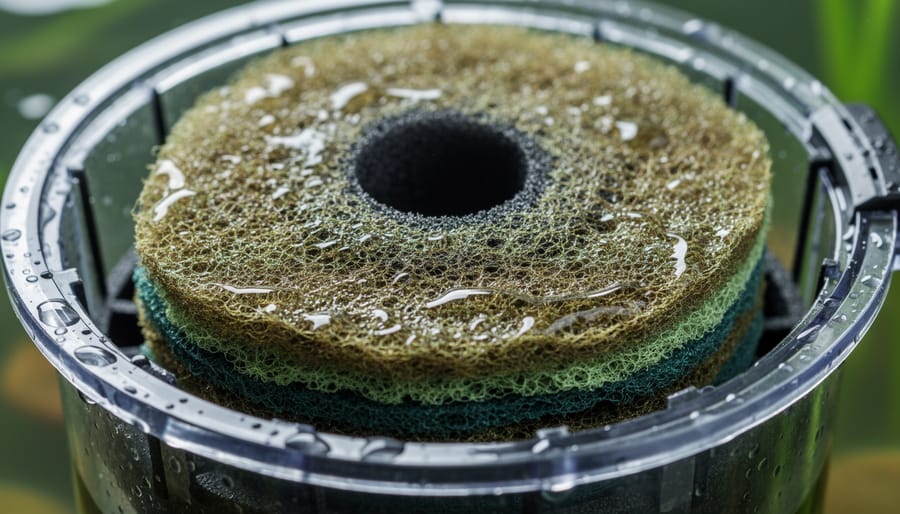
In your pond, biofilms show up in familiar places. That slippery layer on the rocks near your waterfall is biofilm. The brownish coating that develops on your filter media after a few weeks is biofilm. Even the slightly tacky feeling on submerged plant roots comes from these microbial communities setting up shop. The slime itself is made of sugars and proteins the microorganisms produce, creating a sticky shield that protects them from being washed away and helps them share nutrients.
- EPS (Extracellular Polymeric Substances)
- The slimy matrix of sugars, proteins, and other molecules that microorganisms secrete to create biofilm’s protective coating. This sticky layer anchors the community to surfaces and helps retain moisture and nutrients.
- Microbial Communities
- The diverse collection of bacteria, algae, fungi, and other microscopic organisms living together within a biofilm. These different species often work cooperatively, with some processing nutrients that others can then use.
- Substrate
- Any surface where biofilm can attach and grow, rocks, gravel, filter media, pond liner, plant roots, or equipment surfaces. Rougher substrates typically support thicker, more stable biofilm development.
- Colonization
- The process by which free-floating microorganisms settle onto a surface, attach themselves, and begin forming a biofilm community. Early colonizers often make it easier for additional species to join the developing biofilm.
What’s remarkable is how quickly biofilms establish themselves. Within hours of placing a new rock or piece of filter media in your pond, bacteria start attaching. Within days, you have a functioning community. These aren’t random collections of microbes, they’re organized structures where different organisms occupy specific positions, almost like neighbors in an apartment building, each playing a role in processing nutrients and breaking down waste.
How Biofilms Work in Your Pond
The Formation Cycle
Biofilm formation in your pond follows a predictable sequence that starts the moment you introduce water to a clean surface. Within minutes, a thin conditioning film of organic molecules settles on rocks, filter media, and liner surfaces, creating a foundation that bacteria find irresistible. Individual bacteria arrive next, free-floating cells from the water column that land on this prepared surface and stick.
Once anchored, these pioneer bacteria begin producing a sticky substance called extracellular polymeric substance (EPS), the slimy matrix that defines a biofilm. This gooey layer acts as both glue and fortress, holding the community together while protecting it from predators and environmental stress. The EPS is what makes that rock feel slippery under your fingers.
As the colony matures, more bacteria arrive and settle in, creating a complex structure of microorganisms embedded in matrix layers. Different species occupy different zones based on oxygen availability and nutrient access. Near the surface, aerobic bacteria thrive in oxygen-rich conditions, while deeper layers host species that prefer low-oxygen environments.
The final stage brings diversification, fungi, protozoa, and even algae join the community, creating a complete micro-ecosystem. Water channels form within the biofilm, delivering nutrients and oxygen to deeper layers while carrying waste away. This mature biofilm becomes a highly efficient biological filter, processing ammonia and breaking down organic matter around the clock. The entire cycle from bare surface to working biofilm typically takes two to six weeks in a new pond.
The Beneficial Work They Do
Once established, biofilms become your pond’s unsung workforce, quietly performing critical tasks that keep the water safe and clear. The most important job they handle is biological filtration, which transforms toxic fish waste into harmless substances. When fish excrete ammonia, it’s deadly to them even in small amounts. Beneficial bacteria within the biofilm community tackle this problem through a natural process where nitrification occurs in biofilms converting ammonia first into nitrite, then into nitrate, a far less harmful compound that plants readily absorb.
This conversion chain maintains healthy nitrogen balance in your pond, the difference between crystal-clear water and an ammonia spike that stresses or kills fish. Beyond nitrogen processing, biofilms break down organic debris like uneaten food, dead leaves, and decaying plant material, preventing these from accumulating and fouling the water. They also cycle phosphorus and other nutrients, making them available to aquatic plants while keeping levels low enough to starve out problem algae.
Think of biofilms as microscopic recycling centres operating around the clock, turning waste products into food for plants and maintaining the chemical equilibrium fish need to thrive. This biological work happens continuously, adjusting to feeding patterns and seasonal changes without any intervention from you.
Different Types of Pond Biofilms
Not all biofilms in your pond are created equal. The communities growing on different surfaces serve different purposes, and recognizing the distinctions helps you understand what’s happening beneath the water’s surface.
Aerobic and anaerobic biofilms represent the fundamental divide in pond microbiology. Aerobic biofilms thrive in oxygen-rich environments, think the surfaces near your waterfall, the top layers of your filter media, or rocks in shallow, well-circulated areas. These communities contain bacteria that breathe oxygen while breaking down waste, converting toxic ammonia into less harmful compounds. They’re the workhorses of biological filtration.
Anaerobic biofilms grow where oxygen can’t reach: deep in gravel beds, within thick substrate layers, or in stagnant corners of your pond. These bacteria don’t need oxygen and actually prefer its absence. While they complete the nitrogen cycle by converting nitrates into harmless nitrogen gas, thick anaerobic zones can produce hydrogen sulfide (that rotten egg smell) and rob the water of oxygen if they become too dominant.
Beneficial filter biofilms deserve special mention. These are the carefully cultivated communities living in your biological filter. They’re predominantly aerobic, specifically selected through your filtration system’s design to maximize waste processing. This brown, slimy coating on filter sponges or bio-media balls is exactly what you want, millions of beneficial bacteria working around the clock.
Algae-based biofilms form that greenish, slippery layer on sunlit rocks and liner surfaces. They’re partly algae, partly bacteria, living together in a photosynthetic partnership. While they compete with suspended algae for nutrients (a good thing), excessive growth indicates too many nutrients in your water.
Pathogenic biofilms are the troublemakers. These communities harbor disease-causing bacteria and can establish themselves when pond conditions deteriorate, poor circulation, low oxygen, accumulated organic matter. They’re relatively rare in well-maintained ponds but become a concern when beneficial biofilms can’t compete effectively.
Your pond likely hosts all these types simultaneously. The goal isn’t eliminating any category entirely but maintaining conditions where beneficial aerobic communities dominate and keep the problematic ones in check.
Where Biofilms Live in Your Pond
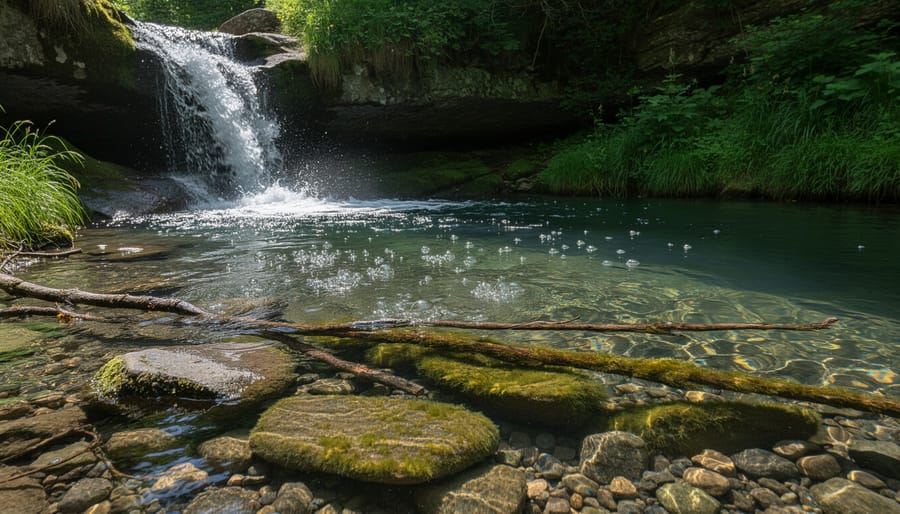
Once biofilms start forming in your pond, they don’t pick just one spot and stay put. They colonize nearly every underwater surface they can find, creating living layers throughout your pond ecosystem. Knowing where these microbial communities like to set up shop helps you recognize them, encourage the beneficial ones, and spot when things might be getting out of balance.
Your pond offers prime real estate for biofilm growth in several key locations:
- Filter media, the biological workhorses where beneficial bacteria colonies thrive on foam, plastic bio-balls, ceramic rings, and filter brushes
- Rocks and gravel, both decorative stones and substrate material develop that characteristic slippery coating
- Plant roots and stems, submerged vegetation provides textured surfaces where biofilms attach and contribute to nutrient uptake
- Pond liner surfaces, even smooth EPDM or PVC develops a thin biofilm layer, particularly in less-disturbed areas
- Waterfall edges and stream beds, the constant water flow delivers nutrients and oxygen, making these spots biofilm hotspots
- Pumps and plumbing, inside pipes, on pump housings, and around fittings where water movement keeps communities fed
- Ornaments and structures, anything you place in the water, from statuary to log bridges, becomes colonized within days
The slipperiness you feel when touching rocks or reaching into your skimmer basket is actually biofilm doing its job. In filters especially, that slightly slimy texture on media is exactly what you want, it signals a healthy bacterial community hard at work processing waste. Newly added rocks will feel rough and clean, but within a week or two in established ponds, they’ll develop that telltale coating.
Water movement patterns influence where biofilms grow thickest. Areas with moderate flow tend to support the healthiest communities because they deliver fresh nutrients and oxygen without washing bacteria away. Stagnant corners may develop different, often less beneficial biofilm types that can contribute to muck buildup rather than breaking it down.
The Good, the Bad, and the Balance
Biofilms aren’t simply good or bad, they’re essential biological systems that need the right conditions to help rather than hinder your pond. When thriving in balance, these microbial communities act as your pond’s cleanup crew, quietly processing waste and keeping water chemistry stable. But tilt that balance too far, and the same organisms can create problems that ripple through your entire ecosystem.
The benefits of healthy biofilm communities are substantial. They provide continuous natural filtration, converting toxic ammonia from fish waste and decaying matter into less harmful substances through the nitrogen cycle. These slime-covered surfaces compete directly with floating algae for nutrients, often winning that battle and keeping your water clearer. Beneficial biofilms also stabilize pond water balance by buffering pH swings and maintaining consistent water chemistry. They’re essentially self-sustaining biological filters that work around the clock without electricity.
The dark side emerges when biofilms grow unchecked or develop in oxygen-poor conditions. Thick biofilm mats can clog filter media, reducing water flow and filtration efficiency. Excessive growth on pond liners or in shallow areas can harbor anaerobic bacteria that produce hydrogen sulfide and other toxic compounds, especially where circulation is poor. When biofilms consume more oxygen than your pond can replenish, often during warm weather or nighttime hours, they can contribute to dangerous oxygen depletion that stresses fish. Unbalanced biofilm communities may also shelter harmful pathogens or parasites that threaten pond inhabitants.
The key difference between helpful and harmful biofilms often comes down to oxygen availability, which you can measure using redox potential in advanced setups. Aerobic biofilms in well-oxygenated areas perform beneficial filtration. Anaerobic biofilms in stagnant zones create problems. Your goal isn’t eliminating biofilms, that’s impossible and counterproductive, but creating conditions where the beneficial types flourish while problematic growth stays in check. Good circulation, adequate aeration, and thoughtful maintenance schedules achieve this balance naturally.
Managing Biofilms for a Healthy Pond
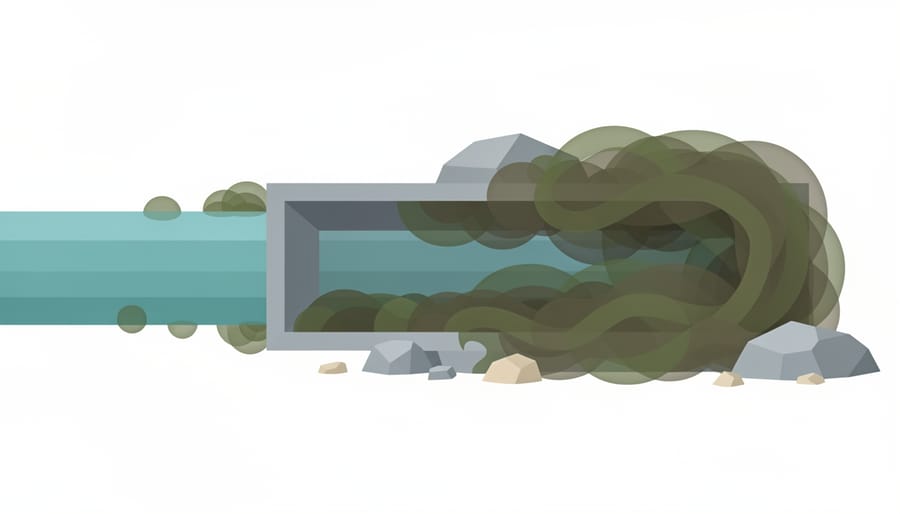
Managing biofilms means working with them, not against them. The goal is creating conditions where beneficial bacteria thrive while keeping problematic overgrowth in check.
Establish Biological Filtration First
Your filter needs time to develop a mature biofilm community. When starting a new pond or cleaning a filter, seed it with beneficial bacteria products to speed colonization. Keep the filter running continuously, turning it off kills the biofilm by starving it of oxygen and nutrients. Within four to six weeks, you’ll have a working biological filter that handles ammonia and nitrite naturally.
Avoid Over-Cleaning
The biggest mistake pond owners make is scrubbing everything spotless. That slimy coating on rocks and filter media is exactly what you want. Clean only when flow rates drop or debris accumulates heavily. When you do clean filter media, use pond water rather than tap water, chlorine kills beneficial bacteria instantly. Rinse gently until water runs clear, leaving some biofilm intact. Never replace all filter media at once; change half at most, giving bacteria from the old media time to colonize the new.
Maintain Oxygen Levels
Beneficial biofilms need oxygen. Install aeration through waterfalls, fountains, or dedicated aerators, especially in summer when oxygen levels naturally drop. Good circulation prevents dead zones where anaerobic bacteria take over and produce toxic hydrogen sulfide. Aim for visible water movement across the entire pond surface.
Control Nutrient Input
Excess nutrients fuel problematic biofilm growth and algae blooms. Feed fish only what they’ll eat in five minutes, remove fallen leaves promptly, and avoid fertilizer runoff from surrounding gardens. Regular pond water testing reveals whether nitrate and phosphate levels are climbing, giving you early warning before biofilms get out of balance.
Create a Cleaning Schedule
Check filters every two weeks during active months, monthly in winter. Rinse mechanical filter pads but leave biological media mostly alone unless flow drops noticeably. Gently brush visible surfaces like pump intakes and skimmer baskets, but leave rocks and gravel undisturbed. If algae-based biofilms coat everything green, address the underlying cause, usually excess nutrients or insufficient beneficial bacteria, rather than constantly scrubbing.
The best biofilm management is subtle. You’re creating a stable environment where good bacteria outcompete the bad, not fighting a constant cleaning battle.
How Biofilms in Water Is Used
Pond owners and water garden enthusiasts actively rely on biofilms as their primary biological filtration system. Rather than fighting these microbial communities, successful pond management puts them to work. Filter media, whether it’s ceramic rings, foam pads, or lava rock, provides ideal surface area for beneficial biofilms to colonize and process fish waste. Once established, these living filters continuously convert toxic ammonia into less harmful compounds, running 24/7 without electricity or chemical additives.
Professional pond designers strategically place rocks, gravel, and bog plants to maximize biofilm growth and natural filtration capacity. Koi keepers rely on mature biofilms in their filter systems to maintain water quality under heavy fish loads. Waterfall edges and stream beds covered in biofilm act as passive purification zones, polishing water as it flows over colonized surfaces.
Some pond owners even seed new filters with material from established systems to jump-start biofilm development. While microbiological testing can verify beneficial bacteria presence, most pond keepers simply monitor water clarity and fish health as proof their biofilms are working effectively.
Common Questions About Pond Biofilms
Pond owners often have the same worries when they first discover those slippery surfaces in their water feature. Let’s clear up the confusion with straightforward answers to the questions we hear most.
Is it normal for my pond rocks to feel slimy?
Yes, completely normal. That slippery coating is beneficial biofilm doing its job, breaking down waste and filtering your water naturally. It’s actually a sign your pond’s biological system is working properly.
How long does it take for biofilms to establish in a new pond?
A healthy biofilm community typically takes 4-6 weeks to fully establish after initial setup or after major cleaning. You’ll notice surfaces becoming slippery within 2-3 weeks as the colonization process begins.
Are biofilms safe for my fish and plants?
Beneficial biofilms are not just safe, they’re essential for fish health. They break down toxic ammonia from fish waste and create a balanced ecosystem that supports both fish and aquatic plants.
When should I worry about biofilm growth?
Be concerned if you notice thick, chunky buildup that smells foul, dark anaerobic slime in low-oxygen areas, or if your water clarity suddenly crashes. These signs indicate an imbalance rather than healthy biofilm activity.
The key is learning to distinguish between normal, healthy biofilm and problematic overgrowth. That slightly slick feeling on filter media, rocks, and plant roots means your pond’s microscopic workforce is thriving. You want to see thin, evenly distributed coverage rather than thick mats or patchy, discolored areas.
Many pond owners make the mistake of scrubbing everything clean, thinking they’re helping. Resist that urge. When you notice biofilm establishing, you’re seeing your pond mature into a self-sustaining system. The bacteria within those communities work around the clock converting harmful compounds, competing with nuisance algae, and stabilizing water chemistry.
If your pond smells earthy and fresh, your fish are active, and your water stays reasonably clear, your biofilms are doing exactly what nature intended. Trust the process, and only intervene when you spot genuine warning signs like cloudy water, gasping fish, or that sulfur smell indicating anaerobic conditions.
That slippery coating you feel on your pond rocks isn’t something to scrub away in panic, it’s actually a sign that your pond ecosystem is doing exactly what it should. Biofilms are hardworking communities of beneficial bacteria that quietly handle the dirty work of breaking down waste, controlling nutrients, and keeping your water balanced.
Once you understand how these microbial layers function, you can shift from fighting them to working with them. The key is maintaining balance: encourage the beneficial biofilms in your filter and on surfaces while keeping growth in check through proper oxygenation and sensible maintenance routines.
Next time you’re skimming the pond or cleaning your filter, remember that those slightly slimy surfaces represent millions of tiny workers performing biological filtration around the clock. They’re converting toxic ammonia, competing with nuisance algae, and stabilizing your water chemistry without you lifting a finger.
Healthy ponds aren’t sterile, they’re alive with beneficial microorganisms. Embrace the biofilm, understand its rhythms, and you’ll find pond care becomes less about constant intervention and more about supporting the natural processes that keep your water clear and your fish thriving.