
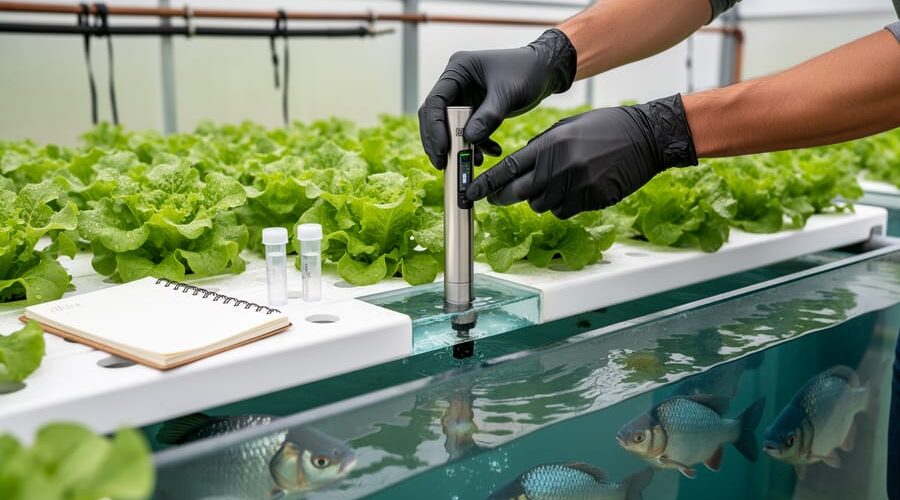
Keep Your Aquaponic Harvest Safe: The 7 HACCP Principles That Protect Your Family
Treat your homegrown fish and vegetables with the same food safety standards that commercial operations follow, because backyard aquaponic systems can harbor the same biological hazards as any food production facility. Identify critical control points in your system where contamination could occur, such as when fish waste converts to plant nutrients or when you harvest produce with wet hands. Monitor water temperature daily, keeping it between 68-86°F to prevent harmful bacteria growth while maintaining beneficial microbes that make your system thrive. Establish clear limits for pH levels, ammonia, nitrites, and nitrates, and know exactly what action to take when readings fall outside safe ranges.
The seven HACCP principles might sound like corporate food safety jargon, but they translate perfectly to your backyard setup and could mean the difference between confidently serving your homegrown lettuce at dinner or wondering if that slight off-smell means trouble. These principles were developed by NASA to keep astronauts safe, and now they protect everyone from large-scale food manufacturers down to hobbyists growing tilapia and tomatoes in their backyards. You do not need a food science degree or expensive equipment to implement them.
Think of HACCP as your personalized safety checklist, a systematic approach that helps you spot potential problems before they become actual problems. Whether you are growing food for your family or sharing extras with neighbors, these principles give you confidence that what you are producing is genuinely safe to eat. The beauty of applying HACCP to aquaponics is that most monitoring steps you are probably already doing, like checking water quality and observing fish behavior, you just need to formalize them into a reliable safety system.
Why Food Safety Matters in Your Backyard Aquaponic System
I’ll never forget the day I proudly harvested my first batch of lettuce from my backyard aquaponic setup, only to have my neighbor casually mention that fish waste can harbor some pretty nasty bacteria. My excitement turned to worry as I stared at the beautiful greens sitting in my kitchen. Had I just put my family at risk?
Here’s the thing about aquaponics that caught me off guard: you’re not just gardening, you’re running a mini food production system. Those gorgeous tomatoes and crisp lettuce leaves aren’t just ornamental plants. They’re destined for your dinner table, which means food safety absolutely matters.
The reality is that aquaponic systems present some unique challenges when it comes to food safety. Fish waste, while an amazing natural fertilizer, can contain harmful bacteria like E. coli and Salmonella. The warm, moist environment that makes your plants thrive is also a perfect breeding ground for unwanted microorganisms. And that water continuously cycling through your system? It’s touching everything, from fish to roots to the vegetables you’ll eventually eat.
Then there are the everyday handling practices we don’t think twice about. Dipping your hands in the water after working in the garden, using the same tools for maintenance and harvesting, or not properly washing your produce can all introduce contamination risks.
I learned my lesson that day with the lettuce. After doing some research and talking to experienced growers, I realized I needed to treat my backyard system with the same food safety mindset that commercial growers use. That’s where HACCP principles come in. These guidelines might sound intimidating, but they’re really just a systematic way to identify potential problems and prevent them before they happen. Trust me, once you understand the basics, keeping your aquaponic harvest safe becomes second nature.
What HACCP Actually Means (In Plain English)
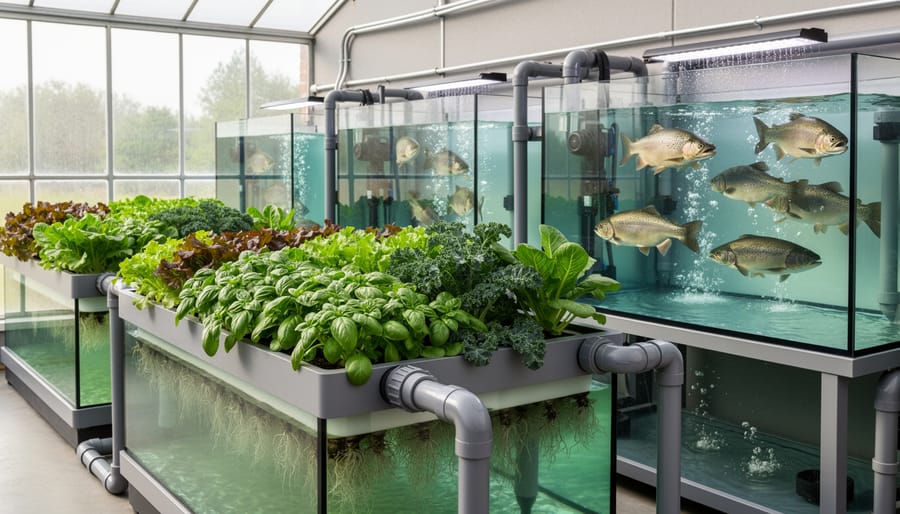
HACCP might sound like something straight out of a food science textbook, but here’s the good news: it’s actually just a fancy acronym for common sense safety practices. Standing for Hazard Analysis and Critical Control Points, HACCP is essentially a prevention-focused system that professional food handlers use to keep food safe from farm to table.
Think of it as your system’s personal safety guardian. Instead of waiting for something to go wrong with your aquaponic setup and then scrambling to fix it, HACCP helps you identify potential problems before they happen and set up checkpoints to prevent them. It’s like having a detailed pre-flight checklist, but for your water garden food production.
Originally developed for NASA to ensure astronaut food safety (yes, really!), this systematic approach has become the gold standard in commercial kitchens, restaurants, and food processing facilities worldwide. But don’t let that intimidate you. The beauty of HACCP is that it scales perfectly to backyard operations.
For your home aquaponic system, this means looking at your growing process step-by-step and asking simple questions: Where could contamination happen? What are the critical moments where I need to pay extra attention? How can I monitor these points regularly? It’s not about making things complicated; it’s about being intentional and observant with your water garden, ensuring that the fresh produce you’re growing is as safe and healthy as it is delicious.
Principle 1: Conduct a Hazard Analysis
Think of hazard analysis as being a detective in your own backyard aquaponic system. Your mission? Identifying anything that could potentially make your homegrown food unsafe to eat. Don’t worry – this isn’t about becoming a food scientist overnight. It’s simply about looking at your setup with fresh eyes and asking, “What could go wrong here?”
Let’s break this down into three main categories that are surprisingly easy to understand.
Biological hazards are your invisible troublemakers – bacteria like E. coli, Salmonella, or parasites that might hitch a ride into your system. In my own system, I once introduced some wild-caught minnows without quarantining them first. Big mistake! They brought parasites that stressed my whole fish population. Always source fish from reputable suppliers and handle fresh produce with clean hands. Keep an eye on any standing water areas where harmful bacteria might throw a party.
Chemical hazards include anything you add to your water that could accumulate in your plants or fish. That pH adjuster you’re using? It needs monitoring. Fish medications? Make note of withdrawal periods before harvesting. Even well-meaning additions like plant nutrients or water conditioners count here. I learned to keep a simple log of everything I add to my system – it’s a lifesaver when tracking potential issues.
Physical hazards are the easiest to spot – think broken pieces of equipment, loose screws, glass fragments, or debris falling into grow beds. I once found a piece of cracked PVC in my lettuce bed after a windy day. Regular visual inspections during your morning coffee walk-through can catch these before they become problems.
Start by walking around your system with a notepad and jotting down anything that fits these categories. This simple exercise forms the foundation of keeping your aquaponic harvest safe and delicious.
Principle 2: Determine Your Critical Control Points (CCPs)
Now that you’ve identified potential hazards in your aquaponics system, it’s time to pinpoint exactly where you can stop them in their tracks. Think of Critical Control Points as your system’s safety checkpoints – specific spots where you can actively prevent, eliminate, or reduce hazards to safe levels.
Let’s walk through the key areas where you’ll establish these control points in your backyard setup.
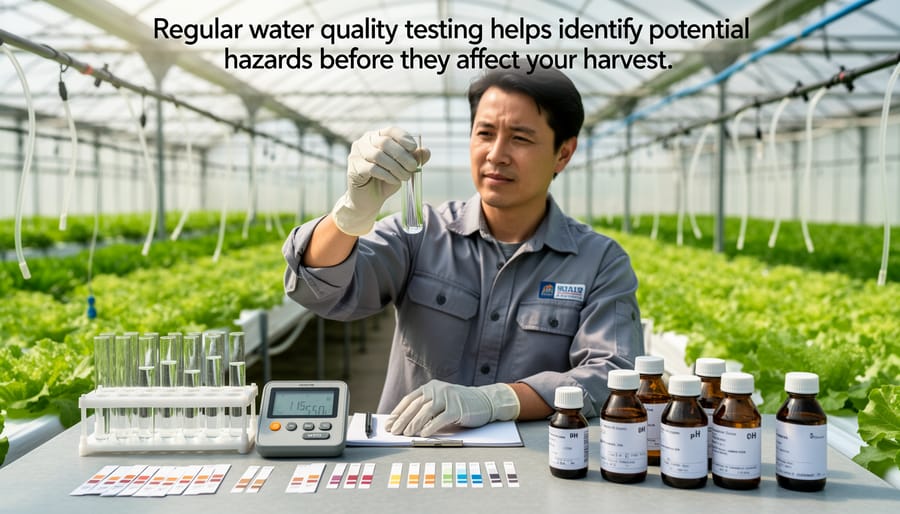
Start with your water quality monitoring station. This is typically your first line of defense. Set up a regular testing schedule at your water inlet and main growing tank. Here’s where you’ll catch problems with pH, ammonia, nitrites, and temperature before they become serious issues. I check mine every morning with my coffee – it’s become such a routine that I actually miss it when I’m away!
Your second critical checkpoint is during fish health inspections. Establish a weekly observation routine where you examine your fish for signs of disease, unusual behavior, or stress. This is where you can catch bacteria and pathogens before they spread through your entire system.
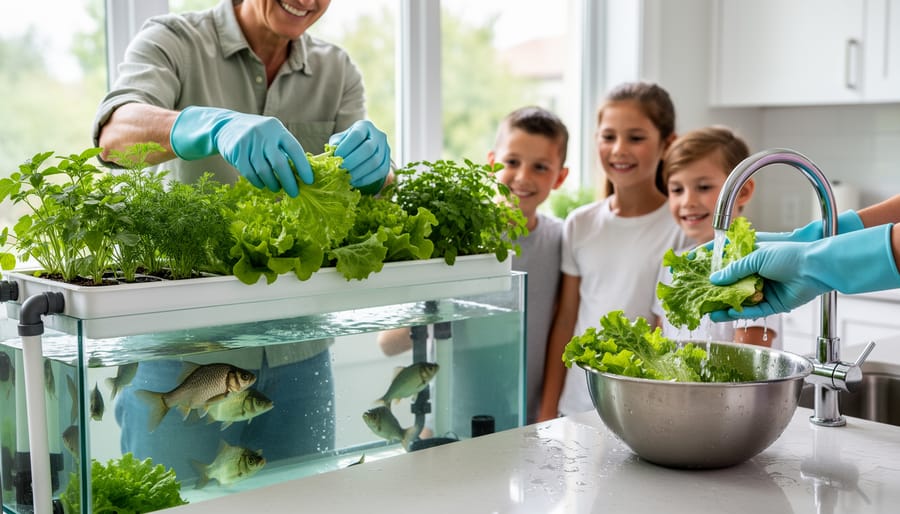
The harvesting stage represents another crucial control point. Whether you’re picking lettuce or catching fish, establish clean handling procedures. Always use sanitized tools, wash your hands thoroughly, and keep harvest containers clean.
Finally, make system cleaning your fourth checkpoint. Schedule regular maintenance for filters, grow beds, and pipes. This prevents biofilm buildup and keeps harmful organisms from establishing colonies in hard-to-reach places.
Document each checkpoint with simple checklists. You don’t need fancy forms – a basic notebook works perfectly. Note what you checked, when you checked it, and any corrective actions you took. This creates your safety trail and helps you spot patterns over time.
Principle 3: Establish Critical Limits
Now that you’ve identified what could go wrong and where it might happen, it’s time to set your safety boundaries—think of these as your system’s guardrails. Critical limits are the specific numbers that tell you when everything’s fine and when you need to take action.
Let’s start with temperature, which is super important for both fish health and food safety. Your water should stay between 18-30°C (64-86°F). If it drops below 15°C or climbs above 32°C, your fish will stress and beneficial bacteria slow down, creating perfect conditions for problems.
pH levels need to hover in that Goldilocks zone of 6.8-7.2. When pH drops below 6.5 or rises above 7.5, it’s time to act. I learned this the hard way when my system’s pH crashed to 6.2, and my plants looked miserable within days! Regular water quality monitoring helps you catch these shifts early.
Ammonia is toxic stuff—your critical limit here is simple: keep it at 0.5 ppm or lower, ideally under 0.25 ppm. Anything higher means your biofilter isn’t keeping up.
Nitrites should stay below 1 ppm. If they creep above this, your nitrogen cycle needs attention, possibly through system cleaning or reducing feeding.
Finally, nitrates are less dangerous but still matter. Keep them between 5-150 ppm. Below 5 means your plants are starving; above 150 indicates you’re overfeeding or under-planting.
Write these numbers down and stick them near your testing kit. When any parameter crosses its limit, you’ll know immediately that corrective action is needed—which brings us perfectly to our next principle.
Principle 4: Set Up Monitoring Procedures
Think of monitoring like checking in on a friend – you want to catch any concerns early, not wait until there’s a crisis! Setting up a simple, sustainable routine is the secret to keeping your aquaponics system safe without feeling overwhelmed.
Start with daily visual checks during your morning coffee or evening wind-down. Look at your fish – are they swimming actively and eating normally? Check the water clarity and observe your plants for any wilting or discoloration. This takes maybe five minutes, but you’ll quickly develop an eye for what’s normal in your system. I keep a small notebook by my fish tank and jot down anything unusual, even if it seems minor.
Weekly tasks should include testing your water parameters. pH, ammonia, nitrite, and nitrate levels tell you so much about what’s happening beneath the surface. You don’t need fancy equipment – basic test strips work perfectly fine for home systems. I test every Saturday morning and record the numbers in a simple chart. When something goes off track, I can look back and spot patterns.
Monthly deep inspections are your chance to really investigate. Check all plumbing connections, clean filters thoroughly, examine plant roots, and look for any buildup or blockages. This is also when I review my notebook entries to see if any small issues are becoming trends.
The tracking method matters less than actually doing it consistently. Some folks love detailed spreadsheets, while others prefer a basic phone note or even photos with captions. Choose whatever you’ll actually use. Remember, a simple system you follow beats a complex one you abandon. Your future self will thank you when you can quickly identify why your lettuce suddenly started struggling or trace back when those water parameters shifted.
Principle 5: Establish Corrective Actions
Even with the best monitoring in place, things can occasionally go sideways in your aquaponics system. Don’t panic! Having a solid action plan means you’ll know exactly what to do when those moments arrive.
Let’s start with high ammonia levels, probably the scariest scenario for any aquaponics gardener. If your test shows ammonia spiking, stop feeding your fish immediately. This gives your beneficial bacteria a chance to catch up without adding more waste to process. Next, do a partial water change of about 10-20% using dechlorinated water. I learned this the hard way when I added too many fish too quickly to a new system and watched my ammonia readings climb. That emergency water change saved my whole setup.
When fish show signs of illness like lethargy, loss of appetite, or unusual swimming patterns, quarantine affected fish right away if possible. Check your water parameters because sick fish often signal water quality issues. Reduce feeding and increase aeration while you investigate the root cause.
Unexpected pH swings need quick attention too. If pH drops suddenly, you can add small amounts of calcium carbonate or potassium carbonate to raise it gradually. Never add large amounts at once, as rapid changes stress fish more than the wrong pH itself. For pH that’s climbing too high, check if you have adequate fish waste or consider adding a natural buffer.
Contaminated water requires immediate action. Stop the system, remove the source of contamination, and perform significant water changes. Don’t harvest any produce until you’ve resolved the issue and tested your water thoroughly.
Prevention always beats correction. Regular testing, keeping detailed logs, and maintaining consistent feeding schedules help you spot trends before they become emergencies.
Principle 6: Create Verification Procedures
Think of verification as your regular health check-up for your aquaponics system. Just like you’d double-check your work on any DIY project, verification ensures all those careful prevention strategies you’ve put in place are actually doing their job.
Start simple with monthly mini-reviews of your whole system. Walk through your monitoring records and ask yourself: Am I catching problems before they become serious? When I last noticed an issue, did my monitoring catch it early enough? This honest reflection helps you spot gaps in your approach.
Test your equipment regularly too. If you’re using a pH meter, calibrate it every few weeks using calibration solutions from your local garden center. Temperature thermometers can drift over time, so check them against a known accurate one occasionally. I learned this the hard way when my “reliable” thermometer was off by three degrees, and I couldn’t figure out why my fish seemed stressed.
Keep a simple verification log, nothing fancy. Once a month, jot down what you checked and whether everything’s working as planned. Did you review last month’s pH readings? Check if your thermometer matches another one? Confirm your fish feeding schedule is preventing waste buildup?
Every three to six months, do a bigger picture review. Are your critical limits still appropriate for your system? Has anything changed that might require adjusting your monitoring approach? This doesn’t need to be complicated, just thoughtful and consistent.
Principle 7: Keep Records and Documentation
Here’s the thing about record-keeping: it’s not about creating mountains of paperwork that nobody ever looks at again. Think of it more like keeping a garden journal, but for your aquaponics system’s safety. When you jot down what you’re doing and what you’re seeing, patterns emerge that can save you headaches down the road.
I learned this the hard way when my fish started acting sluggish one summer. Because I’d been casually tracking water temperatures in a simple notebook, I could look back and see the pattern. The issue coincided with our heatwave, and my previous notes showed exactly what adjustments had worked before.
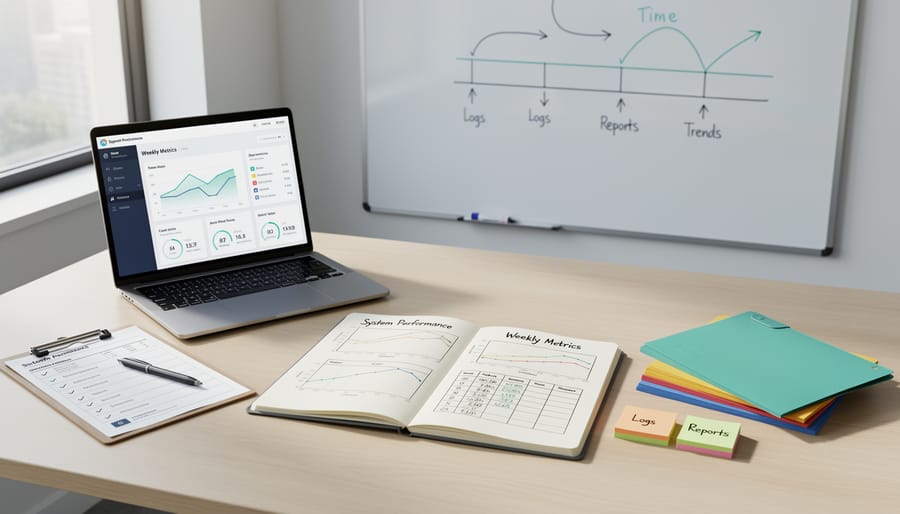
Your documentation doesn’t need to be fancy. Snap photos of your plants weekly with your phone and note the date. Keep a basic spreadsheet where you record pH tests, feeding times, and harvest dates. Even a dedicated notebook by your system works wonderfully. I use a weather-resistant journal and spend maybe five minutes every few days making quick notes.
The real magic happens when something goes wrong. Instead of panicking and guessing, you can flip back through your records and spot what changed. Did you add new fish right before that ammonia spike? Did switching fish food brands coincide with cloudy water?
These records also become your troubleshooting guide. When you successfully solve a problem, you’ve documented the solution for next time. You’re essentially writing your own personalized aquaponics manual, tailored specifically to your system and environment. That knowledge is invaluable and far more useful than any generic guide could ever be.
Putting It All Together: Your Aquaponic Food Safety Routine
Here’s the good news: once you’ve set up your HACCP routine, food safety becomes as natural as checking your fish each morning. I remember feeling overwhelmed at first, but within a month, my safety checks became second nature, just like testing water pH.
Let’s create a simple routine you can start today. Every morning during your regular system check, observe your fish behavior and water clarity while mentally noting any changes. This covers your monitoring piece. Weekly, set aside 15 minutes on the same day (I do mine every Saturday morning) to record your water parameters, inspect plants for disease, and review your feeding logs. This systematic approach catches problems before they become hazards.
Monthly, dive a bit deeper. Check your critical control points are still working properly. Test your backup systems. Review your records to spot any patterns you might have missed. Replace worn equipment before it fails. Think of it like maintaining your car, regular attention prevents breakdowns.
Here’s your starter checklist: Daily – observe fish and water. Weekly – test and record parameters, inspect plants, check filters. Monthly – equipment review, deep record analysis, supply inventory. Keep this checklist visible near your system.
The beauty of HACCP is that it builds confidence. You’re not guessing whether your lettuce is safe, you know it is because you’ve systematically eliminated hazards. That first salad from your aquaponic system tastes even better when you understand the thoughtful care behind it. Start small, stay consistent, and before you know it, you’ll be the neighborhood expert on growing safe, delicious produce from your backyard water garden.
See? When you break them down step-by-step, the seven HACCP principles aren’t nearly as intimidating as they might sound. You’ve just walked through the same food safety framework that professional operations use, adapted perfectly for your backyard water garden or aquaponics setup.
The beauty of these principles is that they build on common sense practices you probably already use in your kitchen. You’re simply applying that same thoughtful approach to your growing system. By identifying potential hazards, setting up critical control points, monitoring regularly, and keeping records, you’re creating a safety net that protects everyone who enjoys your harvest.
I remember the first time I confidently served salad greens from my aquaponics system at a family dinner. Knowing I’d followed these systematic steps gave me peace of mind, and watching everyone enjoy truly fresh, safe produce I’d grown myself was incredibly rewarding.
You now have everything you need to grow and share delicious, safe food with confidence. Your family and friends will love the fresh fish and vibrant vegetables from your water garden, and you’ll rest easy knowing you’ve taken the right steps to keep everyone healthy and happy.