
How to Build an Aquaponics System in Marquette: Integrated Pest Management for Cold Climates
Yes, you can build a thriving aquaponics system in Marquette, Michigan, even with Zone 5 winters and months of indoor growing. The key lies in combining proper system design with natural, fish-safe pest management strategies that keep your closed-loop ecosystem healthy without chemical interventions.
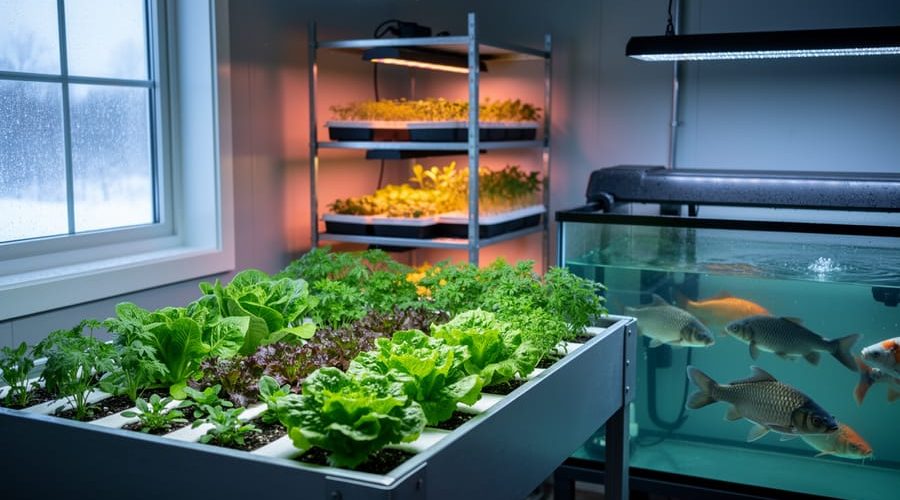
I’ll be honest: when I first heard about aquaponics in the Upper Peninsula, I was skeptical. Marquette’s long, dark winters and temperature swings seemed like deal-breakers for a system that needs warm water, consistent light, and pest-free plants. But after working with local growers and testing setups in my own heated garage, I discovered that cold-climate aquaponics isn’t just possible, it’s actually easier to manage in some ways. The controlled indoor environment protects your fish and plants from harsh weather while giving you year-round harvests of lettuce, herbs, and even tomatoes.
The catch? Indoor systems create the perfect breeding ground for aphids, whiteflies, and fungus gnats. Traditional pesticides would poison your fish, so you need integrated pest management techniques designed specifically for aquaponic environments. This guide walks you through building a Marquette-appropriate system and implementing prevention-first pest control methods that protect both your tilapia and your greens. You’ll learn how to position your setup for Michigan’s light conditions, maintain the delicate nitrogen cycle through winter, and catch pest problems before they crash your system. Whether you’re converting a basement corner or outfitting a small greenhouse, these strategies work in real Marquette conditions.
What You’ll Need: Tools and Materials
Building an aquaponics system in Marquette requires careful material selection to handle both the cold climate and natural pest management needs. You’ll want everything on hand before you start, since winter trips to hardware stores aren’t fun and some specialty items need to be ordered online.
The core components break down into several categories, each serving a specific purpose in your integrated system:
- Fish System: 50-100 gallon food-grade tank or IBC tote, aquarium heater (essential for Marquette winters), air pump with stones for oxygenation, water testing kit for ammonia/nitrite/nitrate/pH
- Grow Beds: Food-grade containers 12 inches deep, expanded clay pebbles or gravel (3-4 bags), bell siphon kit or timer for flood-drain cycles, grow bed liner if using non-food-safe containers
- Plumbing: Water pump rated for your tank size, PVC pipes and fittings (½ inch or ¾ inch), flexible tubing, uniseals or bulkhead fittings, shut-off valves for maintenance
- IPM Tools: Fine mesh screening (window screen works), yellow sticky traps, magnifying glass or jeweler’s loupe, spray bottle for neem oil solutions, beneficial insect starter cultures
- Climate Control: Full-spectrum LED grow lights (necessary during Marquette’s short winter days), small fan for air circulation, thermometer and hygrometer combo, insulation wrap for pipes if in unheated garage
For companion plants and beneficial insects, you’ll need starter seedlings of basil, marigolds, and nasturtiums (all naturally pest-repellent), plus ladybugs and predatory mites available from garden suppliers. Local Marquette garden centers sometimes carry beneficial insects in spring, but ordering online ensures year-round availability.
Don’t skimp on the water testing kit. Cheap strips aren’t accurate enough for aquaponics where fish lives depend on water quality. Get a liquid test kit with separate tubes for each parameter. You’ll use it constantly during the first month and weekly thereafter.
Most items are available at Marquette hardware stores or online, though you might need to plan ahead for specialty aquaponics components during winter shipping delays. Budget around $300-600 for a starter system, depending on tank size and whether you source used containers.
Safety Warnings and Important Considerations
Before you start building, understand that aquaponics combines water and electricity in ways that demand your full attention to safety. A misstep here can harm you, your fish, or your entire system.
Electrical hazards are your primary concern. Water pumps, air stones, grow lights, and heaters all run continuously near hundreds of gallons of water. Install ground fault circuit interrupters on every outlet, keep power strips elevated above potential flood levels, and create drip loops in all power cords so water runs down and away from connections. In Marquette’s dry winter air, static discharge can also be an issue when you’re working around electronic controllers.
Handle your fish with clean, wet hands only, never dry hands, which strip their protective slime coat. When introducing new fish, always quarantine them separately for two weeks to prevent disease from entering your main system. Temperature shock kills quickly, so match water temperatures within two degrees before transferring fish between containers.
Marquette-specific risks include freeze protection for any plumbing that runs through unheated spaces. Even a garage or basement can dip below freezing during a polar vortex event. Insulate all pipes and keep backup heat sources ready. Indoor humidity from your system will likely reach 60-70%, which can encourage mold growth on nearby walls. Run a dehumidifier or ensure excellent ventilation, especially during long Marquette winters when you can’t simply open windows.
Never use copper-based algaecides, hydrogen peroxide in high concentrations, or any product not explicitly labeled aquarium-safe. When in doubt, don’t add it.
Understanding Aquaponic IPM in Cold Climates
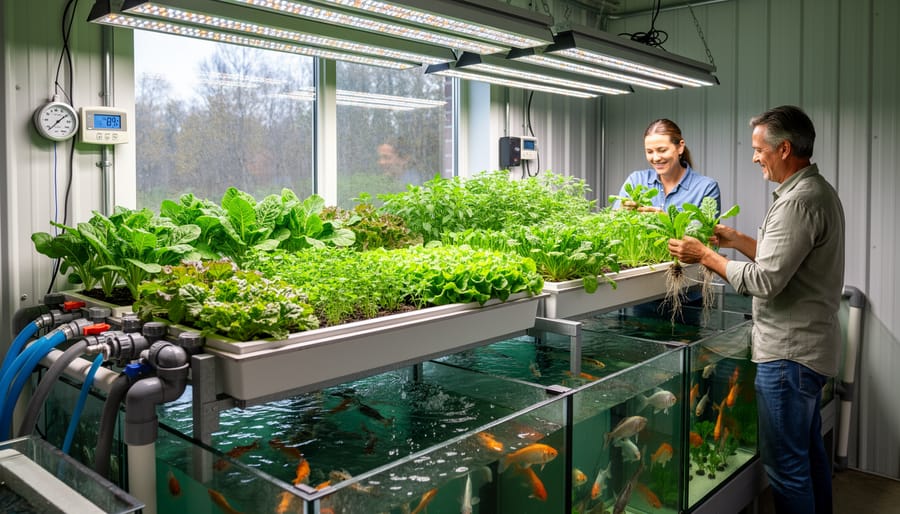
Integrated Pest Management in aquaponics differs fundamentally from traditional gardening because you’re working with a closed ecosystem where what affects one component affects all others. IPM is a prevention-first approach that prioritizes designing pest resistance into your system rather than fighting infestations after they appear. In Marquette’s climate, this philosophy becomes especially practical because you’ll likely grow indoors year-round, giving you complete control over your environment from day one.
Marquette’s USDA zone 5 climate actually presents a surprising advantage: your aquaponics system will be isolated indoors, separated from the outdoor pest populations that plague summer gardens. You won’t deal with Japanese beetles, cucumber beetles, or many other common outdoor pests that simply can’t reach your grow beds. However, this indoor environment creates its own challenges. The constant warmth and humidity that make aquaponics so productive also create ideal conditions for fungus gnats, aphids, and whiteflies if you don’t take preventive measures.
The IPM hierarchy for aquaponics starts with cultural controls: choosing resistant plant varieties, spacing plants for airflow, and maintaining optimal humidity levels between 50-70%. Next comes mechanical controls like screening vents, using sticky traps for monitoring, and manually removing affected leaves before problems spread. Biological controls, introducing beneficial insects like ladybugs and predatory mites, form your third line of defense and work continuously without harming fish. Chemical controls sit at the bottom of the hierarchy because most pesticides will kill your fish, making them essentially off-limits.
This prevention-first approach suits Marquette growers particularly well. You’re already investing effort in climate control for winter heating, so adding ventilation fans and dehumidifiers to prevent pest-friendly conditions makes sense. The initial investment in beneficial insects and careful system design pays off through reduced problems later, letting you focus on harvesting rather than fighting infestations in your limited growing season alternative.
Step-by-Step: Building Your Pest-Resistant Aquaponics System
Step 1: Choose and Prepare Your Indoor Location
Pick a spot in your home or greenhouse that can handle humidity and weight, a fully stocked system weighs hundreds of pounds. Basements work well in Marquette because they maintain stable temperatures during brutal winters, but you’ll need supplemental lighting. Ground-floor rooms with southern exposure give you natural light, though you’ll sacrifice living space.
Your location needs electrical outlets on GFCI circuits and a floor that won’t be damaged by occasional splashes. Concrete or tile beats carpet every time. Position your system away from heating vents that create temperature swings, which stress both fish and beneficial bacteria.
Ventilation matters more than most beginners realize. Aquaponics pumps moisture into your air constantly, and Marquette’s sealed winter homes trap that humidity. Install an exhaust fan or crack a window periodically, stagnant, humid air invites fungal diseases and mold. Good airflow also discourages fungus gnats before they colonize your grow beds.
Screen any windows or vents with fine mesh to block incoming pests. Even in February, insects find their way indoors through the smallest gaps. This upfront barrier work saves you from chasing aphids and whiteflies later.
Step 2: Install Your Fish Tank and Filtration
Your fish tank is the heart of the system, and proper setup determines everything downstream. For a starter aquaponics setup in Marquette, a 50-75 gallon tank works well, large enough to maintain stable water chemistry but manageable indoors during winter. Position it on a sturdy, level surface near your grow beds to minimize plumbing distance.
Install a solids filter immediately after the tank outlet. This mechanical filter catches fish waste before it clogs your system, preventing the anaerobic pockets where fungus gnats breed. Simple swirl filters or settling tanks work perfectly and cost little to build.
Establishing proper water flow prevents stagnant areas where mosquitoes lay eggs, critical in Marquette’s humid indoor environments. Your pump should cycle the entire tank volume every 1-2 hours. Add an air stone to the tank for additional oxygenation, which fish need and pests hate.
Don’t add fish yet. The tank needs to cycle for 4-6 weeks first, building beneficial bacteria colonies that convert ammonia to nitrates. Start this process now using fishless cycling methods, your plants will thank you later.
Step 3: Build and Connect Your Grow Beds
Start by constructing grow beds sized at roughly half your fish tank’s volume. For a 50-gallon tank, build beds totaling 25-30 gallons of growing space. Many Marquette aquaponic gardeners prefer media-filled beds using expanded clay pellets (hydroton) because they provide excellent biological filtration and mechanical support for larger plants like tomatoes and peppers.
Cut your grow bed containers to 12 inches deep minimum, this depth allows roots to fully develop while maintaining the flood-and-drain cycle critical for pest prevention. Shallow beds stay too wet, inviting fungus gnats.
Install bulkhead fittings at the bottom for drainage, then add a bell siphon or timed pump to create the flood-and-drain action. Water should flood completely, then drain within 15 minutes. This cycling prevents the constantly-soggy conditions that attract pests while keeping roots oxygenated.
Before adding media, line the top two inches of your bed with fine mesh screening. This physical barrier stops fungus gnats from accessing the moist media to lay eggs, a simple step that eliminates your most likely Marquette indoor pest.
Rinse your clay media thoroughly before filling beds. Dust creates cloudy water that stresses fish and clogs systems.
Step 4: Introduce Beneficial Insects and Organisms
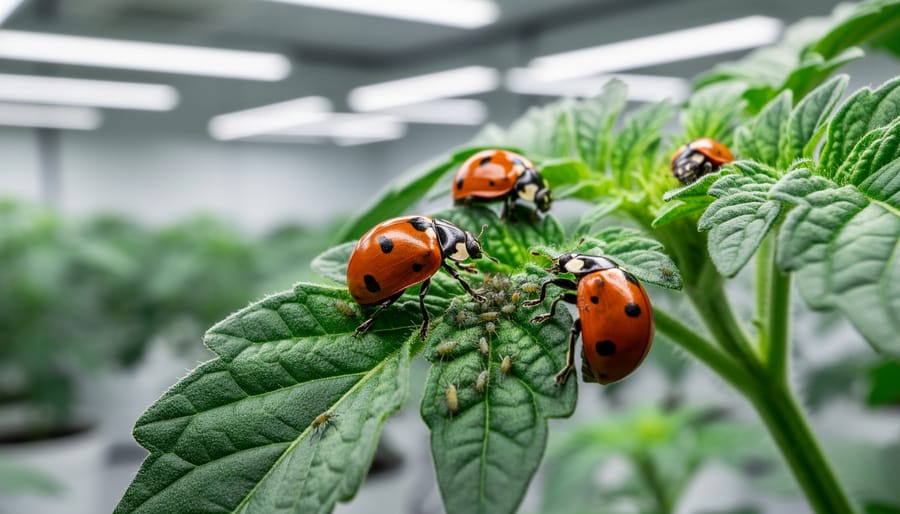
Once your grow beds are planted and water is flowing, introduce your beneficial insect team before any pests arrive. Order cold-hardy strains suited to indoor conditions, standard ladybugs often fly toward windows and escape, so ask suppliers for flightless varieties or Hippodamia convergens native to the Upper Midwest. Release 50-100 ladybugs for a small system, spreading them across plants at dusk when they’re less active.
Add predatory mites like Amblyseius swirskii to grow bed media; these microscopic hunters target thrips and spider mite eggs without bothering your plants or fish. Sprinkle a tablespoon of mite-infused substrate near plant bases in each bed.
Consider rove beetles (Dalotia coriaria) for media beds, they patrol the root zone eating fungus gnat larvae, which thrive in constantly moist aquaponic conditions. Release 10-15 beetles per square foot of growing area.
Reintroduce beneficials every 4-6 weeks initially, then quarterly once populations stabilize. They need some pest presence to survive, so don’t panic if you spot a few aphids, that’s dinner.
Step 5: Plant Strategically with Companion Species
Start with leafy greens like lettuce, kale, and Swiss chard. They tolerate low light better than fruiting plants, which matters during Marquette’s short winter days. Position basil between your lettuce rows. The aromatic oils repel aphids and whiteflies while thriving in the same conditions as your greens.
Add marigolds at the edges of your grow beds. They won’t produce the harvest your vegetables will, but they attract hoverflies and other beneficials that patrol for pests. In aquaponics, marigolds handle the constant moisture surprisingly well.
Cluster similar plants together rather than mixing randomly. Group your basil, cilantro, and other herbs in one section. This concentrated scent confuses pests better than scattered individual plants.
Avoid overcrowding. Leave two to three inches between plants so air circulates freely. Poor airflow in Marquette’s humid indoor systems invites fungal problems and creates pest hiding spots. Dense plantings look productive but actually increase your pest risk.
Replace harvested plants immediately to maintain your companion planting pattern and keep beneficials fed year-round.
Monitoring and Early Detection Techniques
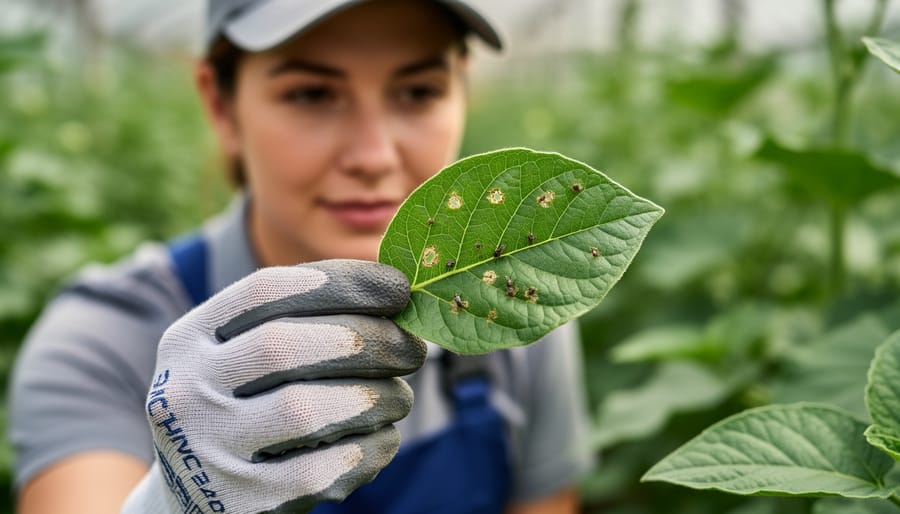
Catching pest problems before they explode into infestations separates successful aquaponics systems from struggling ones. In Marquette’s indoor growing environment, where you’re running year-round, establishing a consistent inspection routine matters more than any reactive treatment.
Set aside 10 minutes every other day for a walk-through inspection. Start at your fish tank, cloudy water or fish hanging near the surface can signal stress that weakens your whole system. Move to the grow beds and flip leaves over, checking undersides where aphids and whiteflies hide. Look for sticky residue, tiny moving dots, or yellowing that starts between veins rather than at edges.
Run your hand gently through foliage in different zones. Clouds of small flying insects mean you’ve got fungus gnats or whiteflies that need attention now. Check where stems meet growing media, this damp zone attracts pests first.
Yellow sticky traps hung at plant height give you early warning without chemicals. Position one trap per four square feet of growing area and replace weekly. Count the insects caught each time. Three aphids this week and fifteen next week tells you to act before you see visible damage.
Inspect new plants thoroughly before adding them. Quarantine purchases for three days if possible, watching for hitchhikers. Once pests enter your closed system, they’re much harder to eliminate than prevent.
Keep a simple log, date, what you saw, where you saw it. Patterns emerge quickly. You’ll notice fungus gnats spike after you top up growing media, or aphids cluster on your basil but ignore tomatoes. This knowledge, combined with fish-safe fertilizers and natural controls, keeps your Marquette system balanced through long winters without reaching for anything that’ll harm your fish.
Common Marquette Aquaponics Pests and Natural Solutions
Indoor aquaponics in Marquette creates a warm, humid environment your plants love, but unfortunately, a few pests love it too. The good news? Your fish living below the grow beds make conventional pesticides absolutely off-limits, which forces you toward natural solutions that actually work better long-term. Any chemical that drips into your fish tank can kill your entire aquatic ecosystem, so embracing fish-safe integrated pest management isn’t optional, it’s the only path forward. This constraint turns out to be a blessing because it pushes you toward prevention and biological controls that create lasting balance rather than endless chemical battles.
Aphids are your most likely intruders, hitchhiking in on new plants or slipping through vents. These tiny sap-suckers cluster on tender new growth and reproduce frighteningly fast. Your first defense is a strong spray of water to knock them off, they’ll fall into the water below and become fish food. Release ladybugs or lacewings, which devour aphids by the hundreds. If populations explode, mix one tablespoon of castile soap (not detergent) per quart of water and spray directly on aphids, then rinse plants with plain water 15 minutes later so soap doesn’t drip into your system.
Fungus gnats thrive in the damp conditions around media beds, and fungus gnats in greenhouses become especially problematic during Marquette’s long winters when you can’t open windows for ventilation. Adults don’t harm plants, but their larvae feed on roots and organic matter. Yellow sticky traps catch adults and show you how severe your population is. Adding a half-inch layer of sand or perlite on top of media beds prevents adults from laying eggs where larvae can reach food. Beneficial nematodes watered into grow beds will hunt down larvae in the media itself.
Whiteflies are less common in closed systems but devastating if they establish themselves. They fly up in clouds when you disturb plants and leave sticky honeydew that leads to mold. Yellow sticky traps work well for monitoring and catching adults. Introduce parasitic wasps like Encarsia formosa, which lay eggs inside whitefly larvae, your fish won’t eat these tiny beneficials, and they’ll patrol your plants continuously. Reflective mulch on grow bed surfaces confuses whiteflies and makes your plants less attractive.
The key principle connecting all these solutions is following HACCP principles by identifying critical control points and preventing problems rather than reacting to infestations. Your closed system means every intervention must be carefully considered for fish safety, but that limitation leads to more sustainable, effective pest management than conventional gardening ever achieves.
Verification and Next Steps: Testing Your System’s Success
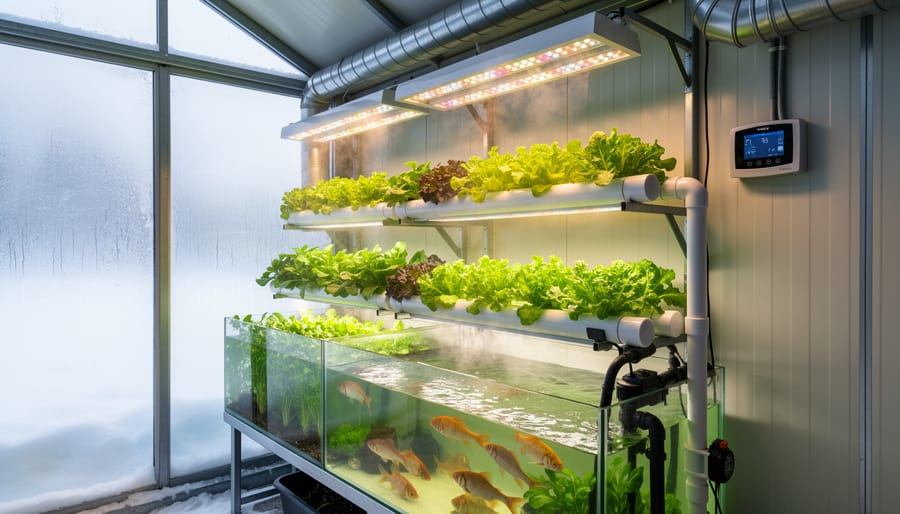
Your system is fully cycled and running when you see clear signs across water, plants, and fish. Testing these markers regularly tells you whether your pest management is working and your aquaponics has reached stable equilibrium.
Start with water quality, the foundation of everything. Test ammonia, nitrite, and nitrate levels weekly for the first two months, then biweekly once established. In a mature system, ammonia and nitrite should read zero while nitrates stay between 5-40 ppm. A sudden ammonia spike signals a problem with your beneficial bacteria colony, while climbing nitrates mean your plants aren’t consuming nutrients efficiently. pH matters too, aim for 6.8-7.2, a compromise that keeps both fish and plants happy in Marquette’s typically soft tap water. If pH drifts outside this range, your nutrient uptake slows and plants become stressed, inviting pests.
Fish behavior reveals system health instantly. Happy fish swim actively throughout the tank, come eagerly to feeding times, and show vibrant color. They shouldn’t gasp at the surface (indicates low oxygen) or hide constantly (suggests water quality issues or stress). Check that they’re eating all their food within five minutes. Leftover feed breaks down into ammonia and attracts pests, particularly fungus gnats.
Plant indicators are equally telling. New growth should emerge bright green, not yellowed or stunted. Leaves facing upward with no curling or spotting show good conditions. Root systems growing into the grow bed media appear white or cream-colored, never brown or slimy. Growth rates will slow during Marquette’s dark winter months even with supplemental lighting, but plants shouldn’t stop growing entirely or shed leaves.
For pest monitoring, your weekly visual inspection should confirm populations remain minimal. Here’s what successful IPM looks like in practice:
- No more than 1-2 aphids per plant, quickly disappearing as ladybugs patrol
- Sticky traps catching fewer than 5 fungus gnats per week
- Beneficial insects visible on plants and grow bed surfaces
- No webbing, leaf damage, or clusters of pest eggs
- Companion plants thriving without signs of stress
- Water surface clear, with no mosquito larvae present
If pests exceed these thresholds, adjust your approach before populations explode. Add more beneficial insects, improve air circulation, or remove heavily infested leaves.
Common first-cycle problems include cloudy water (normal during the first 2-3 weeks as bacteria establish), slow plant growth (expected until nitrates build), and fish refusing food (reduce feeding until water parameters stabilize). These issues resolve as the system matures, typically within 4-6 weeks.
Once you’ve maintained stable readings for a month, consider expanding. Add more grow bed space to increase plant capacity, introduce new fish species for diversity, or experiment with different companion planting arrangements. Many Marquette aquaponics gardeners eventually add a second tank or convert a spare room into a year-round growing space, building on their proven IPM foundation.
Frequently Asked Questions
Building an aquaponics system in Marquette’s cold climate raises practical questions, especially when you’re combining fish care with natural pest management. Here are answers to the concerns we hear most often from Upper Peninsula growers.
How much does it cost to heat an indoor aquaponics system through a Marquette winter?
Heating costs vary based on your system size and home insulation, but expect to add $40-80 monthly to your electric bill for a small to medium system. Placing your setup in a heated living space rather than a garage or basement cuts costs significantly, and insulating your fish tank with foam board helps maintain stable temperatures without constant heating.
Can I run an outdoor aquaponics system in Marquette during summer?
Yes, but only from late May through early September when nighttime temperatures stay consistently above 50°F. You’ll need a plan to either move everything indoors before the first frost or accept it as a seasonal system, which makes the investment in infrastructure harder to justify compared to year-round indoor growing.
When should I actually intervene with pests versus letting beneficial insects handle them?
Intervene immediately if you see pest populations doubling daily or if they’re causing visible plant damage faster than beneficials can control them. A few aphids are normal and give your ladybugs something to eat, but if you’re seeing curled leaves or sticky honeydew coating multiple plants, it’s time for manual removal or targeted natural sprays like diluted neem oil.
Where can I source aquaponics materials locally in Marquette?
You can find many components at local hardware stores and farm supply shops, but specialized items like bell siphons, grow media, and water testing kits typically require online ordering. The Marquette Food Co-op sometimes carries beneficial insects seasonally, and connecting with the local gardening community through the UP Master Gardeners can lead to material swaps and local supplier recommendations.
Another common question involves balancing fish and plant numbers. Start with a conservative ratio of one pound of fish for every five to ten gallons of water, then adjust based on how quickly your plants consume the nutrients. You’ll know you’ve found the right balance when your plants grow steadily without signs of nutrient deficiency (yellowing leaves) or excess (algae blooms in the water). It takes about six weeks for a new system to stabilize, so resist the urge to add more fish immediately if plants look light green at first.
The timing of your system startup also matters in Marquette. Beginning in fall or winter means you’re learning during the season when you’ll actually be running the system most, and you’ll have it dialed in by the time spring arrives. Starting in summer might seem easier, but you’ll face a learning curve later when heating and humidity management become critical. Either way works, but winter startups better prepare you for the reality of year-round operation in a cold climate.
Building an aquaponics system in Marquette isn’t just possible, it’s actually one of the most rewarding ways to grow fresh food year-round in Michigan’s Upper Peninsula. The closed indoor environment that Marquette’s climate demands becomes your advantage: you’re starting with a controlled space where integrated pest management works better than in traditional gardens exposed to unpredictable outdoor conditions.
You’ve learned that prevention beats reaction every time. Physical barriers, beneficial insects, companion planting, and consistent monitoring form a natural defense system that protects both your plants and fish without risky chemicals. The fish themselves benefit from your pest-free approach, and the whole ecosystem thrives when balanced properly.
Start small with your first system. A modest setup lets you master water chemistry, observe pest dynamics, and understand the cycling process without overwhelming yourself. Those first weeks require patience as beneficial bacteria establish and your ecosystem finds its rhythm, but that initial effort pays off for years.
The satisfaction of harvesting fresh greens in February while snow piles up outside? That’s something every Marquette grower should experience. Your aquaponics system represents more than fresh food, it’s a living example of sustainable growing adapted perfectly to where you live.