Why Your New Fish Need a Quarantine Tank (And How to Set One Up)

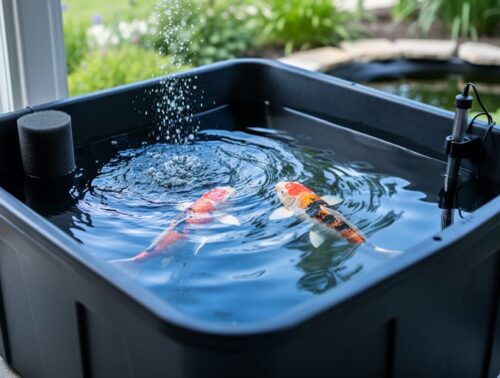
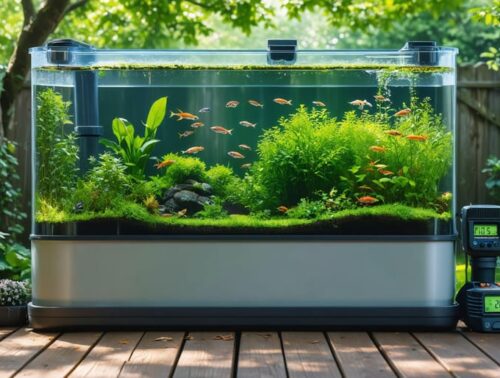
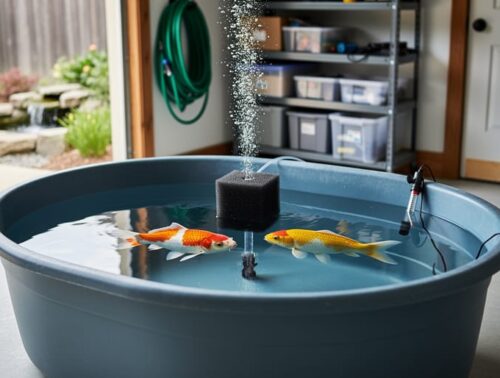
Set up your quarantine system before you bring new fish home—a 50-100 gallon stock tank or spare aquarium with a basic sponge filter and heater will protect your entire pond population from disease. Even healthy-looking fish from reputable dealers can carry parasites, bacterial infections, or viruses that show no symptoms until stress triggers an outbreak in your main pond.
Quarantine every new fish for a minimum of four weeks, watching carefully during the first two weeks when most problems surface. This waiting period isn’t just about spotting visible signs of illness like white spots, torn fins, or lethargy. You’re …

Read more Why Your New Fish Need a Quarantine Tank (And How to Set One Up)

Why That 9 Pound Fish Could Crash Your Pond Ecosystem

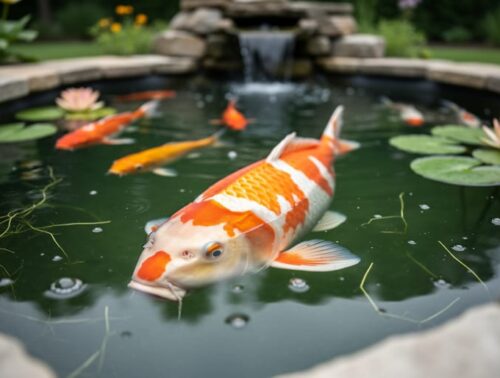
That nine-pound koi gliding majestically through your backyard pond might be your pride and joy, but it could also be quietly suffocating your entire aquatic ecosystem. Large fish create challenges that catch most pond owners completely off guard—excessive waste that overwhelms biological filtration, oxygen depletion that stresses smaller fish, and bio-load calculations that suddenly don’t add up the way they did when your fish were fingerlings.
If you’re wondering whether your pond can handle that impressive specimen, you’re asking exactly the right question at exactly the right time. The difference between a …

Read more Why That 9 Pound Fish Could Crash Your Pond Ecosystem

Why 250 Fish in Your Pond Could Be a Disaster (Or Perfectly Fine)

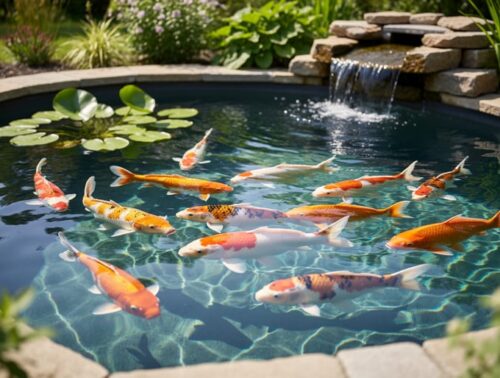
Calculate your pond’s volume by measuring length times width times average depth, then multiply by 7.5 to get gallons. This tells you if your 250 fish are comfortably housed or dangerously overcrowded. A standard rule suggests one inch of fish per 10 gallons of water, so 250 six-inch koi would need at least 15,000 gallons, while 250 three-inch goldfish could thrive in 7,500 gallons.
Test your water weekly for ammonia, nitrite, and nitrate levels using a simple liquid test kit from any pet store. Ammonia above 0.25 ppm or nitrite above 0.5 ppm signals overcrowding stress, meaning your biological filter can’t handle the …

Read more Why 250 Fish in Your Pond Could Be a Disaster (Or Perfectly Fine)

Protect Your Pond: How to Stop Invasive Fish Before They Take Over

Invasive fish species threaten more than just the natural balance of our waterways – they can completely devastate your carefully cultivated healthy pond ecosystem within weeks. From aggressive carp uprooting essential plants to mosquito fish outcompeting native species for food, these unwanted aquatic visitors pose a serious challenge for pond owners nationwide. But don’t worry – you’re not powerless against these underwater invaders. Understanding the early warning …

Read more Protect Your Pond: How to Stop Invasive Fish Before They Take Over

Feed Your Pond Fish Like a Pro: Smart, Sustainable Practices That Work

Sustainable fishing practices shape our oceans’ future and the dinner choices we make today. As global fish populations face increasing pressure, understanding which seafood options are environmentally responsible has never been more critical. This comprehensive guide empowers you to make informed decisions about sustainable fish consumption, whether you’re shopping at your local market or dining out.
From tracking fish population health to understanding aquaculture practices, sustainable fishing involves balancing human needs with marine ecosystem preservation. By following key sustainability indicators – …

Read more Feed Your Pond Fish Like a Pro: Smart, Sustainable Practices That Work

Essential Aquatic Life Zones: How to Create Perfect Living Spaces in Your Pond

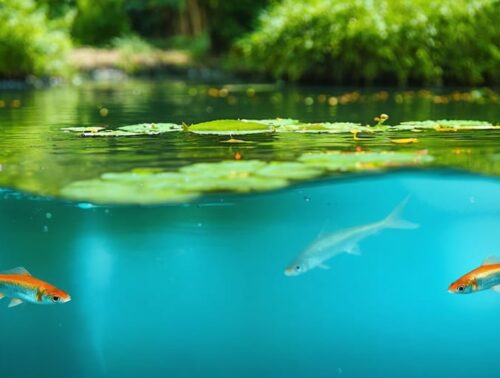
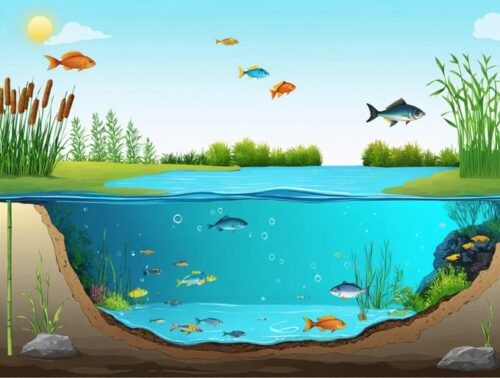
Dive into the fascinating layers of your pond ecosystem by understanding aquatic life zones – the distinct regions that shape water quality and fish health. These natural divisions, including the sunlit surface zone, the oxygen-rich middle zone, and the nutrient-dense bottom zone, work together like a perfectly orchestrated underwater neighborhood. Each zone plays a crucial role in maintaining healthy fish populations, supporting beneficial bacteria, and preventing common pond diseases. Whether you’re …

Read more Essential Aquatic Life Zones: How to Create Perfect Living Spaces in Your Pond

Protect Your Pond Fish from These Deadly Water Toxins

Test pond water weekly for toxic algae blooms, checking specifically for blue-green growth and measuring dissolved oxygen levels. These hidden dangers in pond water can rapidly devastate fish populations if left unchecked. Install an emergency aeration system to quickly combat sudden toxin spikes, particularly during warm summer months when dangerous compounds concentrate. Monitor fish behavior daily – gasping at the surface, lethargy, or unusual swimming patterns signal potential toxin presence. Create a …

Read more Protect Your Pond Fish from These Deadly Water Toxins

Keep Your Seasonal Fish Pond Thriving Year After Year

Seasonal ponds transform your backyard into a dynamic ecosystem that changes dramatically with each passing season. These natural water features pulse with life, expanding during wet periods and naturally receding during drier months, creating unique habitats that support an incredible variety of wildlife. From spring peepers announcing the thaw to late-summer dragonflies darting across the surface, seasonal ponds offer an ever-changing display of nature’s rhythms.
Unlike permanent water features, these temporary wetlands play a crucial role in supporting specialized species that have adapted to their cyclical nature. Wood …

Read more Keep Your Seasonal Fish Pond Thriving Year After Year

Fish Breeding Tubs: The Secret to Successful Backyard Fish Production

Transform an ordinary tub into a thriving fish breeding sanctuary with precise temperature control, dedicated spawning zones, and proper filtration. Select a food-grade plastic container at least 50 gallons in capacity, ensuring durability and safety for your breeding pairs. Install adjustable heaters to maintain optimal spawning temperatures between 68-75°F (20-24°C), crucial for successful backyard fish breeding. Create distinct breeding areas using aquatic plants, spawning mops, or breeding grass, …

Read more Fish Breeding Tubs: The Secret to Successful Backyard Fish Production

Why Phytoplankton Makes Your Fish Pond Thrive (And How to Maintain It)

Dive into the microscopic powerhouses that form the foundation of every thriving pond ecosystem. Phytoplankton, the tiny floating plants that give pond water its green tint, are nature’s unsung heroes. These microscopic organisms produce up to 80% of your pond’s oxygen, feed countless aquatic creatures, and help maintain crystal-clear water when properly balanced. Like a well-conducted orchestra, phytoplankton work in harmony with other pond elements to create the perfect balance …

Read more Why Phytoplankton Makes Your Fish Pond Thrive (And How to Maintain It)