
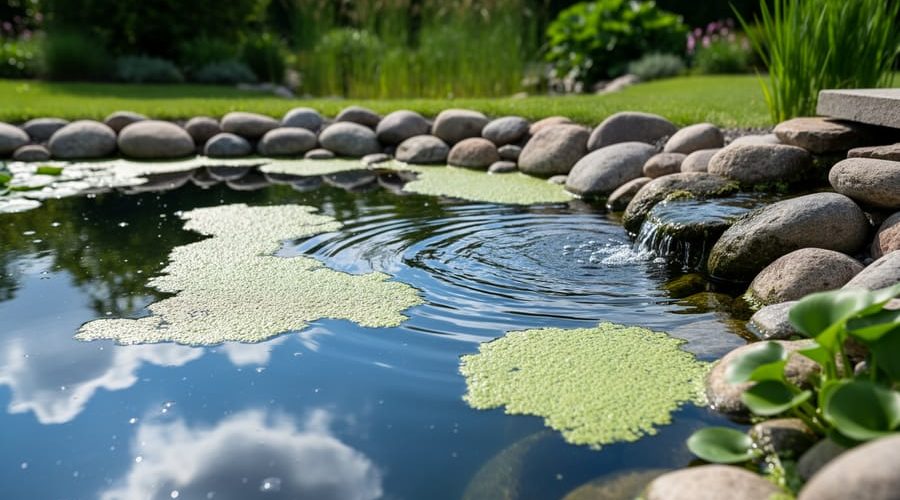
How to Prevent and Control Ocean Algal Blooms in Your Backyard Pond
Controlling algal blooms in your pond starts with balancing nutrients, improving circulation, and maintaining healthy pond biodiversity. The same forces that create massive ocean blooms visible from space work in your backyard water garden, just on a smaller scale. When excess nutrients (primarily nitrogen and phosphorus) combine with warm temperatures and sunlight, algae explode into thick mats that choke out other aquatic life and turn crystal-clear water into pea soup overnight.
I’ve watched countless pond owners panic when their water turns green in spring, convinced they’ve done something terribly wrong. The truth is, understanding ocean algal blooms gives you the blueprint for preventing the same cycle in your pond. Large-scale marine blooms teach us that preventing these events is far easier than fighting them once they start.
Ocean scientists have identified the precise conditions that trigger blooms: nutrient overload (often from agricultural runoff), stagnant water, warm temperatures, and abundant sunlight. Your pond faces identical risks. Overfeeding fish, decaying leaves, inadequate filtration, and poor water movement create the perfect storm for algae to dominate your ecosystem.
The good news? You have control over every single one of these factors. By managing nutrient inputs, increasing water movement, adding beneficial bacteria, and introducing the right plants, you’ll create an environment where algae struggles to gain a foothold. This isn’t about harsh chemicals or expensive equipment. It’s about working with natural processes to keep your pond balanced year-round, exactly the way healthy ocean ecosystems self-regulate when human interference doesn’t tip the scales.
Understanding What Causes Algal Blooms in Water Features
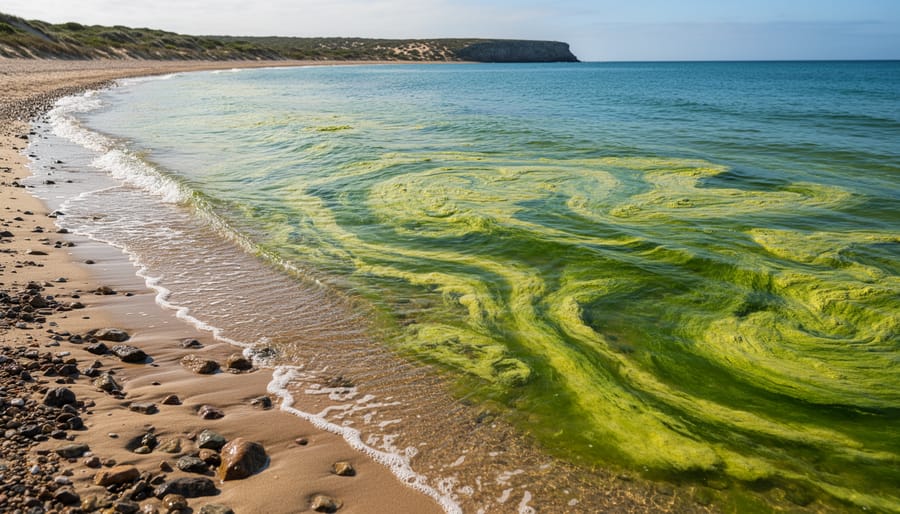
Algal blooms happen when microscopic algae, those single-celled plants floating in your water, reproduce faster than the ecosystem can handle. The same triggers causing massive ocean blooms also fuel the green water in your backyard pond.
Three conditions need to align. First, excess nutrients, particularly nitrogen and phosphorus, act as fertilizer for algae. In oceans, agricultural runoff carrying these nutrients can trigger blooms stretching for miles. In your pond, fish waste, uneaten food, decomposing leaves, and lawn fertilizer washing in during rainstorms provide the same fuel. When nutrient levels spike, algae populations explode overnight.
Second, sunlight drives photosynthesis. Algae need light to grow, and shallow ponds with clear water and no shade become algae factories during summer. More light means faster reproduction, turning water from crystal clear to pea soup in days.
Third, warm, still water creates ideal breeding conditions. Heat speeds up algae metabolism while stagnant water concentrates nutrients instead of dispersing them. This is why ocean blooms often occur in warm coastal areas with limited circulation, and why your pond gets greenest during July and August when the water sits undisturbed at 75°F or higher.
Understanding these connections helps you see your pond as a miniature ocean. The principles governing both systems are identical, it’s just a matter of scale. Control nutrients, manage sunlight exposure, and keep water moving, and you address the root causes rather than just treating symptoms.
What You’ll Need to Prevent and Control Algal Blooms
You’ll need a handful of basic supplies to keep algae under control, and none of them require a degree in marine biology. Think of these tools as your early-warning system and maintenance crew rolled into one.
Start with a water testing kit that measures nitrogen, phosphorus, and pH levels. These simple kits (often just test strips or droplet reagents) tell you exactly what’s feeding algae in your pond. Nitrogen and phosphorus are the main culprits behind blooms, so tracking them helps you catch problems before green water takes over. pH testing matters because extreme readings can stress fish and plants, making your whole ecosystem more vulnerable to algae outbreaks.
Pond plants do double duty as natural competitors and nutrient sponges. Water lilies, hornwort, and submerged oxygenators pull nitrogen and phosphorus straight from the water before algae can grab them. They also provide shade, which cuts down on the sunlight algae need to multiply. A well-planted pond practically maintains itself.
Here’s what else you’ll want on hand:
- Beneficial bacteria productsLive cultures that break down organic waste and outcompete harmful algae for resources
- Filtration equipmentMechanical and biological filters that remove debris and process fish waste before it becomes algae fuel
- Aerators or fountainsDevices that keep water moving and oxygenated, making conditions less favorable for algae
- Pond nets or skimmersTools for removing leaves, dead plant material, and surface debris that contribute nutrients
- Basic maintenance suppliesBrushes for scrubbing surfaces, buckets for partial water changes, and gloves for handling wet materials
You don’t need every item on day one. Start with testing supplies and basic maintenance tools, then add filtration upgrades or beneficial bacteria as your budget allows. The testing kit is non-negotiable, though. You can’t fix what you can’t measure, and guessing at water chemistry usually means wasting money on solutions that don’t address your specific problem.
Important Safety and Ecosystem Considerations
Before tackling an algal bloom, you need to protect the living ecosystem that depends on your pond. Fish, plants, beneficial bacteria, frogs, dragonflies, and visiting birds all rely on balanced water conditions, and hasty fixes can cause more harm than the algae itself.
Your first concern is dissolved oxygen. When algae die off rapidly, whether from treatment or natural causes, decomposition consumes oxygen and can suffocate fish overnight. Always run your aerator or fountain continuously during bloom treatment, especially in warm weather when oxygen levels naturally drop.
Test your water parameters before adding anything to the pond. Know your current pH, ammonia, nitrite, and nitrate levels so you can spot dangerous shifts. Some treatments raise or lower pH dramatically, stressing fish that are already coping with poor water quality. If your fish are gasping at the surface or your pond plants look yellowed and weak, address those symptoms first before introducing new products.
Protect wildlife that visits your pond. Frogs, toads, and beneficial insects are extremely sensitive to chemicals. If you spot tadpoles or dragonfly larvae, stick with natural control methods like manual removal and plant additions rather than commercial treatments.
Recognize when the situation needs professional help. If fish are dying, the water smells like rotten eggs, or the bloom returns within days despite your efforts, contact a pond specialist. Some blooms, particularly toxic cyanobacteria, require expert assessment and aren’t safe for DIY handling.
Step-by-Step Process to Prevent Algal Blooms
Testing your pond water is the foundation of algal bloom prevention. Pick up a quality test kit that measures nitrogen, phosphorus, and pH levels. Run your first test in the morning when readings are most stable, and record the numbers in a notebook or phone app. These baseline readings tell you exactly what you’re working with. If your phosphorus sits above 0.05 mg/L or your nitrates exceed 20 mg/L, you’re in algae-friendly territory. Retest every two weeks during warm months to track your progress and catch any spikes early.
- Test Your Water to Establish Baseline Nutrient LevelsUse your test kit to measure nitrogen, phosphorus, and pH. Record these numbers and retest every two weeks during growing season. This data shows you whether your prevention efforts are working and helps you spot problems before algae takes hold.
- Reduce Nutrient SourcesFeed your fish only what they’ll eat in three to five minutes, once or twice daily. Remove uneaten food immediately. Clear out fallen leaves, grass clippings, and plant debris weekly since decomposing organic matter pumps nutrients into your water. If fertilizer runoff from your lawn reaches the pond, redirect downspouts or create a buffer zone with gravel or plants to filter that water before it enters.
- Add Pond Plants That Compete with Algae for NutrientsPlants are your best allies because they absorb the same nitrogen and phosphorus that algae crave. Aim to cover 40-60% of your pond’s surface with a mix of floating plants that tackle rising nutrient levels submerged oxygenators like hornwort, and marginal plants around the edges. Water lilies provide bonus shade while their roots filter nutrients from the water column.
- Install or Upgrade Filtration and AerationGood filtration captures debris before it breaks down and releases nutrients. If you’re running an undersized filter for your pond volume, upgrade to a model that processes your entire water volume at least once every two hours. Add an aerator or fountain to keep water moving, which prevents the still, warm conditions algae loves and helps beneficial bacteria colonize your biological filter media.
- Introduce Beneficial BacteriaThese microscopic workers break down fish waste, uneaten food, and organic debris before they turn into algae fuel. Add bacterial treatments according to package directions, typically weekly during warm weather when your pond is most active. Choose products with multiple bacterial strains for broader coverage, and remember that bacteria need oxygen to thrive, which is why aeration matters.
- Provide Shade to Reduce SunlightAlgae needs light to photosynthesize, so cutting available sunlight slows its growth. Beyond your floating plants, consider adding a strategically placed umbrella, shade sail, or overhanging plants near the pond’s sunniest side. Aim for 40-60% shade coverage total. If your pond sits in full sun all day, you’re making algae prevention much harder than it needs to be.
- Establish a Regular Maintenance ScheduleSet recurring calendar reminders for weekly debris removal, biweekly water testing during warm months, monthly filter cleaning, and seasonal plant trimming. Consistency beats intensity here. Spending 15 minutes every week prevents the three-hour emergency cleanups when algae gets out of control. Adjust your schedule seasonally since ponds need more attention in summer and less in winter.
Each step builds on the previous one, creating overlapping layers of protection. You might not implement all seven steps immediately, and that’s fine. Start with water testing and nutrient reduction, then add plants and filtration as your budget allows. The key is making steady progress rather than trying to fix everything overnight. Most pond owners see noticeable improvement within three to four weeks once they address their top two nutrient sources and add competitive plants.
Watch for signs your prevention plan is working: clearer water, reduced green tint, less frequent string algae formation, and stable test results in the ideal range. If your numbers stay stubbornly high despite your efforts, look for hidden nutrient sources like a neighbor’s lawn runoff, excessive wildlife visits, or an overstocked fish population. Sometimes the solution is reducing fish numbers or redirecting water flow rather than adding more treatments.
How to Control an Active Algal Bloom
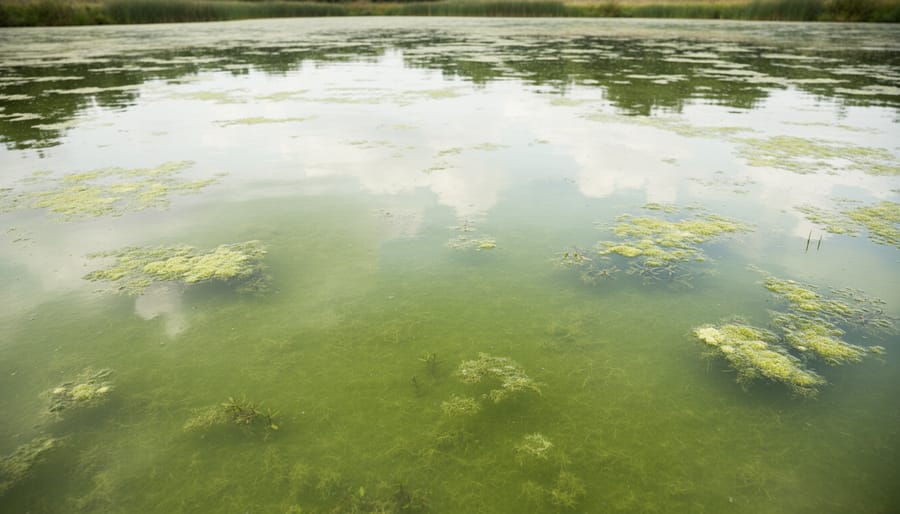
Despite your best prevention efforts, you may still find yourself facing an active algal bloom. Don’t panic, there are several natural methods to bring your pond back into balance without resorting to harsh chemicals.
Start with manual removal. For string algae, simply twist it around a stick or rake and pull it out. This physical removal immediately reduces the algae population and removes nutrients from your system. Green water blooms require a different approach since you can’t see individual algae cells.
Increase water circulation right away. Algae thrive in still, stagnant conditions. Run your fountain or aerator continuously, or add a temporary pump if you don’t have one. Moving water disrupts algae growth and increases oxygen levels, which supports beneficial bacteria that compete with algae.
Perform a partial water change of 10-15% to dilute nutrient concentrations. Don’t replace more than this at once, as dramatic water changes stress fish. If you’re dealing with a severe bloom, do smaller changes every few days rather than one large one.
Cut back on fish feeding immediately. Uneaten food and fish waste are major nutrient sources. Feed sparingly or skip feeding for a few days, your fish will be fine grazing on natural pond organisms.
Add fast-growing floating pond plants like water lettuce or water hyacinth, which absorb nutrients quickly and provide shade. Supplement with beneficial bacteria products to accelerate the breakdown of organic matter. These bacteria colonies establish themselves within days and begin outcompeting algae for resources.
Consider installing or upgrading your pond filtration system to handle the bioload more effectively. A UV clarifier works particularly well against green water blooms, clumping algae cells so your filter can remove them.
Stay patient. Most blooms clear within two to three weeks using these natural methods, and your pond’s ecosystem will be stronger for it.
Testing Your Results and Maintaining Balance
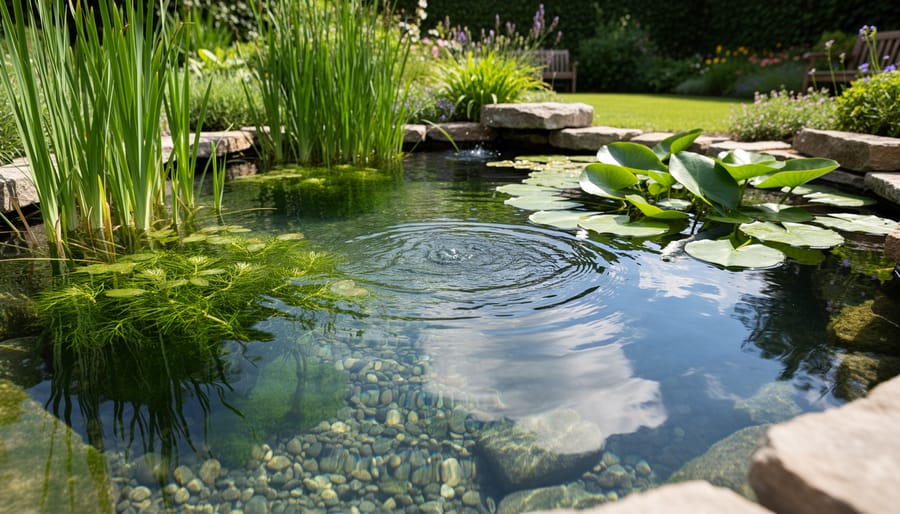
After implementing your prevention steps, watch for these clear indicators that your efforts are working. Test your water every two weeks for the first month, then monthly once you’ve achieved perfect pond balance. Your nitrogen and phosphorus levels should drop noticeably within three to four weeks. Water clarity improves gradually, expect to see the bottom of your pond or distinguish individual fish at depth as algae populations shrink.
A healthy, balanced pond shows these signs:
- Water stays clear for days between maintenance, not cloudy or green
- String algae appears in small patches only, not thick mats
- Fish are active and visible, with healthy appetites
- Pond plants grow vigorously without being overtaken by algae
- Water smells fresh and earthy, never swampy or sulfurous
- Wildlife like frogs and dragonflies visit regularly
Adjust your approach seasonally. Spring demands more frequent testing as temperatures rise and fish become more active. Summer heat requires extra attention to water levels and aeration. Fall means removing debris before it decays into nutrients. Winter lets you ease off, but don’t skip your equipment checks.
If algae returns despite your efforts, revisit your nutrient sources. Something in your routine, perhaps overfeeding or inadequate filtration, needs fine-tuning. Patience matters here. Natural balance takes time to establish, but once achieved, maintaining it becomes almost effortless.
Common Questions About Algal Blooms in Ponds
How quickly will you see results? Most minor blooms start to clear within 7-10 days once you address the root causes, nutrient reduction and improved circulation make the biggest difference. Severe blooms can take 2-3 weeks, especially if you’re relying on natural methods like beneficial bacteria and plants rather than harsh chemicals. Patience pays off because you’re fixing the underlying problem, not just treating symptoms.
How long does it take to clear a bloom?
Minor blooms typically clear in 7-10 days with proper treatment, while severe blooms may take 2-3 weeks. Natural methods work slower than chemicals but create lasting balance.
Are all algae bad for my pond?
No. A thin film of algae on rocks and surfaces is normal and actually beneficial, it provides food for some fish and indicates a living ecosystem. Problems arise when algae grow unchecked and dominate the water.
Can I use fish to control algae?
Grass carp and certain goldfish varieties eat some algae, but they’re not a complete solution. They work best as part of a broader strategy that includes filtration, plants, and nutrient control.
What’s the difference between green water and string algae?
Green water is millions of microscopic algae floating freely, turning the entire pond murky. String algae (also called hair algae) grows in visible clumps or mats that attach to surfaces, it’s easier to remove manually but harder to prevent.
Not all algae spell trouble. A thin coating on rocks or the pond bottom is perfectly normal, it’s part of a healthy ecosystem and provides grazing opportunities for fish. You only have a problem when algae multiply so fast they cloud the water or form thick mats that choke out other life.
Testing frequency depends on your pond’s history. New ponds or those recovering from blooms benefit from weekly tests until you’ve established stable conditions. Mature, balanced ponds only need monthly checks during the growing season, with extra attention after heavy rains or when you notice water clarity changes.
Speaking of rain, yes, it can contribute to blooms. Rainwater itself is clean, but runoff from lawns, gardens, and hard surfaces carries fertilizers and organic debris straight into your pond. That’s why adding plants around your pond’s edges helps, they act as a buffer, absorbing excess nutrients before they reach the water. A well-placed rain garden or planted border does double duty, beautifying your landscape while protecting your pond from nutrient spikes that trigger blooms.
Preventing algal blooms isn’t about fighting your pond, it’s about working with it. The same forces that create massive ocean blooms operate in your backyard water feature, just on a smaller scale. When you balance nutrients, encourage helpful organisms, and let natural processes do their work, you’re mimicking the ecosystem checks that keep healthy waters clear.
This approach takes patience. You won’t see results overnight, and some trial and error is normal. But that’s part of the learning curve, and honestly, part of the fun. Each season teaches you something new about your pond’s rhythms and needs. Adding oxygenating pond plants creates competition for nutrients while beautifying your space. A quality pond filtration system works behind the scenes to maintain water quality. And following seasonal maintenance schedules keeps everything running smoothly year-round.
Your pond is a living system, not a problem to solve. Trust the process, stay consistent with testing and upkeep, and enjoy watching your ecosystem thrive. The clearer your water becomes, the more you’ll appreciate the delicate balance you’ve created.