
Why Your Wildlife Pond Keeps Failing (The Hydroperiod Secret)
Your pond’s water level shouldn’t stay constant year-round if you want to maximize wildlife. Hydroperiods—the natural seasonal rhythm of water rising and falling—are the secret ingredient that transforms an ordinary garden pond into a thriving ecosystem that attracts everything from dragonflies to frogs.
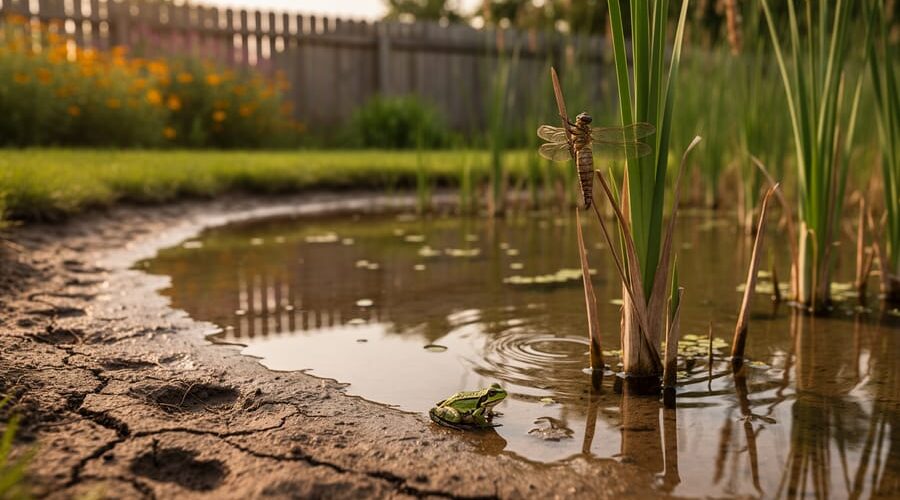
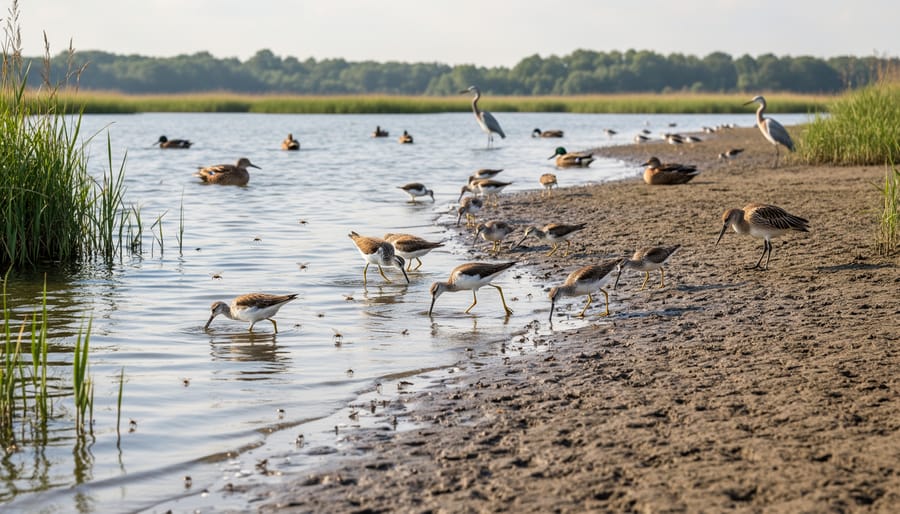
Think of hydroperiods as nature’s reset button. In the wild, ponds and wetlands naturally fluctuate with rainfall and evaporation, creating zones that are sometimes wet, sometimes dry. This simple variation does something remarkable: it prevents fish from establishing populations in temporary pools, giving amphibians a safe nursery. It exposes mudflats that wading birds love. It creates shallow margins where dragonfly nymphs can emerge without being eaten. Without this natural ebb and flow, you’re missing out on entire groups of creatures that could call your pond home.
Most pond owners accidentally fight against hydroperiods by constantly topping up their water level, trying to keep it picture-perfect year-round. I’ve been there myself—frantically filling my pond during a dry summer, worried it looked too low. Then I visited a stunning wildlife pond that had shrunk to half its spring size, and the exposed margins were absolutely buzzing with life. The owner explained she’d stopped interfering with natural water levels three years prior, and her species count had doubled.
Creating diverse wildlife pond habitats doesn’t require expensive equipment or expert knowledge—it often means doing less, not more. Understanding and working with hydroperiods is one of the simplest yet most powerful changes you can make to your pond management approach.
What Exactly Is a Hydroperiod? (And Why You Should Care)
Think of your garden for a moment. It changes with the seasons, right? Spring brings rain and lush growth, summer might dry things out a bit, autumn sees leaves falling and decay beginning. These natural rhythms are everywhere in nature, and your pond has one too. That rhythm is called a hydroperiod.
In simple terms, a hydroperiod is the wet-dry cycle of a wetland or pond. It’s the pattern of when water is present, how deep it gets, and how long it sticks around before the water level drops or the area dries out completely. Just like the changing seasons above ground, this rise and fall of water creates different conditions throughout the year.
Here’s the thing that surprises most pond owners: those changing water levels aren’t a problem to fix. They’re actually a feature, not a bug. Many of us grew up thinking a proper pond should always be full to the brim, like a swimming pool. But natural ponds work differently, and wildlife has spent millions of years adapting to these fluctuations.
Let me share what I learned when I stopped fighting my pond’s natural water loss. I used to frantically top up my pond every time the level dropped an inch. Then I noticed something curious: the more I maintained that constant level, the fewer frogs I saw. It turns out that amphibians, dragonflies, and countless other creatures time their life cycles around predictable water level changes.
Dragonfly larvae, for example, need exposed muddy edges to climb out and transform into adults. Some frog species deliberately lay eggs in areas that will dry up later because temporary pools don’t support fish that would eat their tadpoles. Water plants respond to dropping levels by setting seed, creating food supplies for birds and insects.
When we keep water levels artificially constant, we accidentally eliminate these natural cues and opportunities. It’s like keeping your garden at one temperature year-round. You’d lose the spring flowers that need winter cold, and the autumn colors that need shorter days. Your pond’s wildlife needs those fluctuations too.
The Wildlife That Depends on Hydroperiod Cycles
Amphibians: The Hydroperiod Specialists
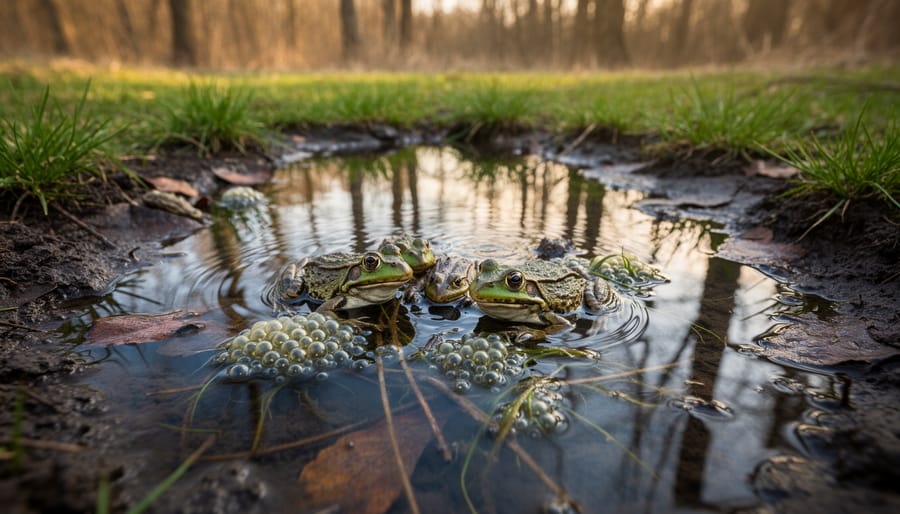
Amphibians are nature’s perfect hydroperiod experts! They’ve evolved over millions of years to take advantage of temporary water bodies in absolutely brilliant ways. Here’s the amazing part: frogs, toads, and newts have developed an incredible timing sense that tells them exactly when to breed based on water availability.
When spring rains fill seasonal pools and ponds, amphibians respond almost immediately. They race to these temporary habitats because they offer something permanent ponds can’t provide: freedom from fish. This is the game-changer for tadpole survival. Fish absolutely love eating amphibian eggs and tadpoles, which is why you’ll notice far fewer frogs breeding in your pond if it has a permanent fish population.
Temporary pools that dry up after a few months create what I call a “predator-free nursery.” The tadpoles have just enough time to develop legs and hop away before the water disappears, but fish can’t establish populations in these short-lived habitats. It’s nature’s perfect timing mechanism.
Different species have adapted to different hydroperiod lengths. Some breed in pools lasting just 6-8 weeks, while others need 3-4 months. By understanding this, you can create varied depths in your pond to accommodate multiple species and their unique timing needs.
Insects and Invertebrates
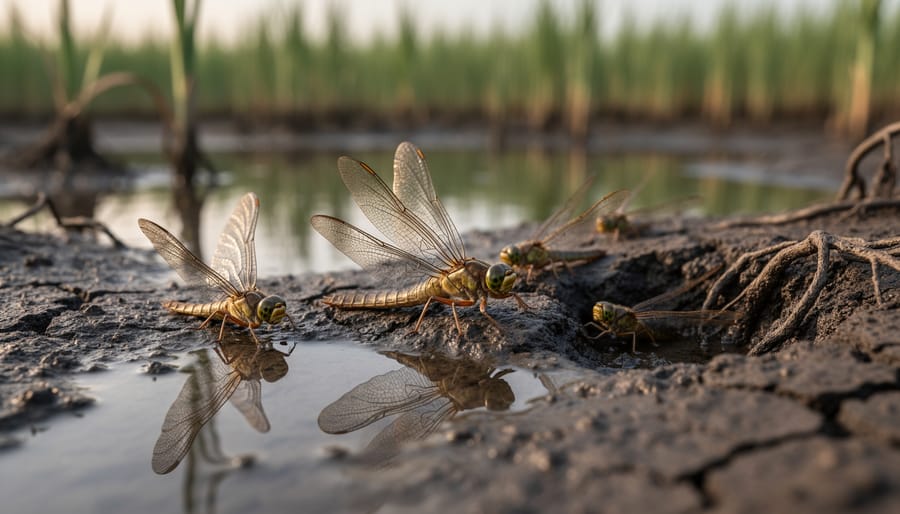
Here’s where things get really exciting! The seasonal drying of pond edges creates opportunities that permanent water simply can’t offer. When water levels drop, you’ll notice muddy margins developing, and these are absolute gold for certain invertebrates. Dragonflies and damselflies, for instance, need damp substrate to complete their life cycles. Their larvae climb out of the water to transform into adults, and those exposed mudflats provide perfect emergence sites.
The drying phase also acts as a natural reset button for your pond’s ecosystem. Fish populations get controlled naturally, which sounds harsh but actually benefits many invertebrates that would otherwise become fish food. Without fish predation during critical breeding times, you’ll see explosive growth in water beetles, pond skaters, and aquatic snails. This abundance creates a rich food web that supports everything from frogs to visiting birds.
When your pond refills, all this invertebrate activity jumpstarts the entire system. Think of it as nature’s way of supporting pond invertebrates through built-in management cycles. You’re essentially mimicking natural wetlands that have sustained incredible biodiversity for thousands of years.
Birds and Mammals
Your pond’s changing water levels create a constantly refreshing buffet and home-building supply for birds and mammals. When water recedes during drier periods, mudflats emerge loaded with invertebrates—think of it as nature’s all-you-can-eat restaurant opening its doors. Wading birds like herons pick through these shallow zones, while smaller songbirds collect exposed mud for nest construction.
As water levels rise again, the newly flooded vegetation becomes perfect cover for ducklings and moorhens. I’ve watched attracting pond birds become so much easier once I embraced these natural fluctuations rather than fighting them. The varying depths create different habitat zones—deep water for diving ducks, shallow margins for dabbling species, and exposed edges for mammals like water voles or visiting hedgehogs.
Even small mammals benefit from the dried vegetation that collects along shifting waterlines, using it as both food and nesting material. The key is that these changing conditions prevent any single species from dominating, keeping your pond dynamic and welcoming to diverse visitors throughout the seasons.
Natural vs. Managed Hydroperiods: What’s the Difference?
In nature, ponds and wetlands are anything but static. They’re dynamic systems that rise and fall with the seasons, swelling after spring rains and sometimes shrinking to muddy edges by late summer. This natural ebb and flow is what we call a hydroperiod, and it’s precisely this variation that makes natural water bodies such biodiversity hotspots.
Most garden ponds, on the other hand, are designed to look consistently full. We install liners to prevent water loss, top them up with the hose when levels drop, and generally aim for that picture-perfect reflection year-round. There’s nothing wrong with this approach for ornamental ponds, but it creates a very different habitat than what most pond wildlife evolved alongside.
Think about it from a frog’s perspective. In natural ponds, water levels drop gradually through summer, concentrating food sources and creating warm, shallow areas perfect for tadpole development. Those muddy margins that appear as water recedes? They’re goldmines for wading birds and insects. When autumn rains refill the pond, they flush nutrients and create new opportunities for different species to thrive.
The good news is you don’t need to drain and refill your pond manually or invest in complicated systems to mimic these patterns. Nature can do most of the work for you. The secret is allowing your pond to respond naturally to weather rather than fighting against it. This means resisting the urge to top up every time the water level drops an inch or two, and designing your pond edges to accommodate fluctuation rather than expecting water to sit at one fixed point.
I learned this lesson after years of obsessively maintaining constant water levels. Once I relaxed my grip and let my pond breathe with the seasons, I noticed more dragonflies, additional frog spawn, and birds I’d never seen before visiting those exposed muddy margins. The pond became wilder, more alive, and honestly, required less effort from me.
How to Manage Hydroperiods in Your Wildlife Pond
Assessing Your Current Pond Setup
Before diving into hydroperiod management, let’s take a friendly look at what you’re working with. Grab a notepad and head out to your pond with these simple questions in mind.
First, how does your water level behave throughout the year? Does it stay pretty constant, or do you notice seasonal changes? Perhaps it drops significantly in summer or overflows in spring. Understanding your natural pattern is your starting point.
Next, what type of pond do you have? A flexible liner, preformed shell, or natural clay-lined pond will each respond differently to water level management. Knowing this helps you understand your options.
Where does your water come from? Is it rainwater, a stream, groundwater, or do you top it up with the hose? Your water source plays a huge role in how easily you can create varied hydroperiods.
Finally, take note of current visitors. Are you seeing frogs, newts, dragonflies, or birds? The wildlife already present gives you clues about what’s working and what might improve with hydroperiod adjustments. I remember checking my own pond and realizing the constant water level was likely why certain species never showed up. That simple observation changed everything.
Creating Intentional Water Level Fluctuations
The good news is that creating intentional water level fluctuations doesn’t require fancy equipment or expensive installations. You can start small and adjust as you see how your pond responds.
One of the easiest approaches is simply reducing top-ups during summer months. I know it feels counterintuitive to let your pond drop when it’s hot outside, but this is exactly what happens in nature. Allow the water level to gradually decrease naturally through evaporation, revealing those muddy margins that amphibians and invertebrates love. Just make sure you’re not losing more than about a third of your total depth.
Creating overflow zones gives you more control. Dig a shallow depression at one end of your pond that sits slightly higher than the main basin. During winter rains, water spills into this zone, expanding your pond’s footprint. Come summer, it dries out first, creating that seasonal variation without affecting the deeper areas where fish might shelter.
Installing an adjustable drain takes things to the next level. A simple standpipe system lets you manually control water height by raising or lowering a pipe that determines the maximum water level. You can find affordable options at most pond supply stores.
The real magic happens when you work with natural rainfall patterns rather than against them. Stop fighting the seasons. Let winter rains fill your pond generously, then ease back on refilling during drier months. You’re mimicking what centuries of evolution have prepared wildlife to expect.
Designing Zones for Different Water Levels
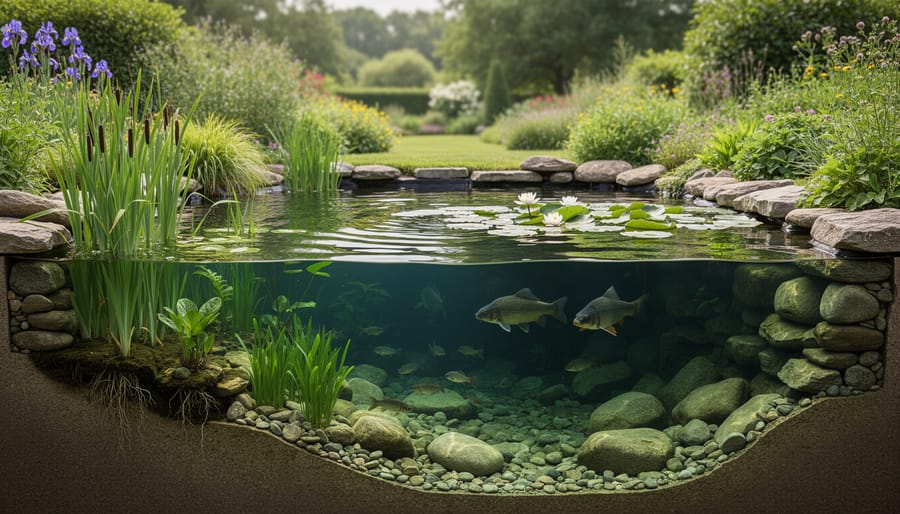
Think of your pond like a layered cake, where each level serves a different purpose as water rises and falls. The magic happens when you design distinct depth zones that accommodate various creatures throughout the year.
Start with your shallow shelves, which should sit between 5-15 centimeters deep. These sun-warmed areas are perfect for marginal plants like rushes and irises, and they become fantastic amphibian nurseries when water levels are high. As water recedes, they transform into muddy edges where insects thrive and birds come to feed.
Your middle zone, ranging from 20-40 centimeters, acts as the transition area. This is where you’ll find submerged plants during high water and exposed sediment during dry spells. I’ve watched dragonfly nymphs migrate through this zone as conditions change, and it’s where many aquatic beetles make their homes.
The deep zone, your pond’s heart, should be at least 60-80 centimeters at its lowest point. This area provides crucial refuge during droughts and cold winters, maintaining stable temperatures when shallow areas freeze or evaporate.
When creating microhabitat zones, aim for gradual transitions rather than steep drop-offs. A gentle gradient of about 1:3 or 1:4 allows creatures to move safely between zones and creates maximum edge habitat. Use rocks, logs, or terraced soil to establish these levels, ensuring each shelf is wide enough to support plant growth and provide stable footing for wildlife exploring your pond’s changing landscape.
Timing Your Hydroperiod Cycles
Timing is everything when it comes to creating effective hydroperiods for wildlife! The key is syncing your water level changes with the breeding cycles of the creatures you want to support.
For amphibians like frogs, toads, and newts, spring is the magic season. Aim to have your pond at full capacity from early March through June. This gives breeding adults plenty of deep water to lay eggs, and tadpoles need those consistent water levels to complete their transformation. I learned this lesson the hard way when I let my pond drop too early one May and watched tadpoles stranded in shrinking puddles – not a happy moment!
As summer progresses into late July and August, you can begin allowing gradual water level drops. This actually helps control predators like dragonfly larvae that feast on tadpoles, giving late-season breeders a better chance.
Come autumn and winter, maintaining lower water levels creates those crucial shallow zones where invertebrates thrive in leaf litter and muddy margins. Then, as February arrives, start refilling to welcome the new breeding season.
The beautiful part? Once you establish this rhythm, it becomes second nature, like any other seasonal garden task.
Common Concerns (And Why They’re Not Deal-Breakers)
“Won’t My Fish Die If Water Levels Drop?”
Good news—you can absolutely manage hydroperiods while keeping fish! The trick is understanding that you don’t need your entire pond to fluctuate dramatically. Think of it as creating zones within your water feature.
If you love both fish and wildlife (and who doesn’t?), focus on partial hydroperiod management. Keep the deepest central area of your pond consistently filled—this is where your fish will thrive year-round. Aim for at least 18-24 inches of depth in this core zone, which stays stable regardless of season.
The magic happens at the margins. These shallow edges can fluctuate naturally or through your gentle management, exposing muddy banks in late summer and refilling in autumn. Your fish won’t venture into these shallow areas anyway—they prefer deeper, cooler water.
I’ve seen countless ponds where koi happily swim in the center while dragonfly larvae flourish in the seasonal shallows just feet away. The fish actually benefit from this setup because those variable margins become nurseries for insects and invertebrates that eventually become fish food.
If you’re worried, start conservatively. Allow just the shallowest 6-12 inches at the pond’s edge to experience water level changes while maintaining consistent depth everywhere else. You’ll quickly see that fish and flexible water levels can absolutely coexist beautifully.
“Will My Pond Look Ugly with Lower Water?”
Not at all! In fact, many wildlife ponds at their absolute best show exposed margins during drier months. Think of natural ponds you’ve seen in parks or nature reserves – they don’t maintain constant water levels, and they’re stunning because they change with the seasons.
The secret is planning for those exposed edges. When you’re building or renovating your pond, create gradual, gently sloping margins rather than steep sides. Plant moisture-loving species at different levels around your pond. Marsh marigolds, irises, and creeping jenny will thrive in the wet mud when water recedes, creating gorgeous displays rather than bare liner.
I’ve learned to appreciate my pond’s different “looks” throughout the year. Summer brings that full, lush appearance we typically picture, but autumn’s lower levels reveal interesting pebbles, fascinating mud patterns, and shore plants showing off their autumn colors. It’s like having several different water features in one!
The key is embracing this natural rhythm rather than fighting it. A pond that changes feels alive and dynamic. Those exposed muddy margins that might initially concern you? They’re actually prime habitat for invertebrates and foraging birds. Beauty and function working together perfectly.
“What About My Pond Liner Getting Damaged?”
I completely understand your concern about liner damage—I’ve worried about this myself! Here’s the good news: seasonal water level changes are actually less stressful on pond liners than keeping them constantly submerged. When water levels drop gradually, the liner settles gently rather than experiencing constant pressure. The real enemy is UV exposure, but you can combat this easily. During planned drawdowns, drape shade cloth over exposed sections, or better yet, allow marginal plants to naturally cascade over the edges. Their foliage creates perfect UV protection while looking beautiful. If you have a rubber EPDM liner, it’s incredibly UV-resistant anyway. I’ve found that liners fail more often from constant overstretching or sharp objects underneath than from seasonal exposure. The key is gradual changes—never drain your pond suddenly. Think of it like your garden hose: occasional flexing keeps it supple, while staying kinked in one position causes cracks. Your liner benefits similarly from gentle, natural movement.
Simple Tweaks That Make Hydroperiod Management Easier
Managing hydroperiods doesn’t mean you need to invest in complicated equipment or spend hours each week adjusting water levels. I’ve found that a few simple adjustments can make the whole process practically run itself, leaving you more time to simply enjoy watching the wildlife that arrives.
The easiest tweak is creating a gentle slope at your pond’s edge rather than steep sides. This way, when water levels naturally drop during drier months, you’ll automatically create varying zones of moisture that different creatures love. I reshaped one section of my pond using just a spade and some pebbles over a weekend, and the difference in frog activity was noticeable within weeks.
Installing an overflow pipe at your desired maximum water level is another game-changer. Set it slightly below your pond’s rim, and excess rainwater simply drains away without you lifting a finger. This prevents your pond from flooding during wet seasons while maintaining that important water level variation throughout the year.
Consider adding a rain chain or decorative downspout diverter to control how much rainwater enters your pond. During rainy seasons, you can redirect some overflow away from the pond, and during dry spells, channel it all in. It’s like having a volume knob for your hydroperiod, and it doubles as a lovely garden feature.
Planting moisture-loving vegetation around your pond edges creates what I call a “transition zone” that naturally extends your hydroperiod benefits. These plants thrive whether they’re sitting in shallow water or damp soil, so they look great through the seasonal changes while providing cover for amphibians.
Finally, keep a simple rain gauge near your pond and jot down occasional water level observations on your phone. You don’t need precise measurements, just rough notes like “pond full” or “mudflats showing.” After one season, you’ll understand your pond’s natural rhythm and can make tiny adjustments that work with, not against, what’s already happening.
What to Expect: Your Pond’s Transformation Timeline
Managing your pond’s hydroperiod is a bit like planting a garden—you won’t see dramatic changes overnight, but the wait is absolutely worth it. Let me walk you through what you can realistically expect as your pond transforms into a wildlife haven.
In the first few weeks after adjusting your hydroperiod, you might notice smaller changes first. Watch for increased activity from insects like pond skaters and diving beetles. These little guys are your early indicators that things are moving in the right direction. If you’ve created shallow areas that dry periodically, you’ll spot birds visiting more frequently to forage in the muddy margins.
By month two or three, amphibians will start taking notice. Frogs and toads are surprisingly quick to find newly suitable breeding spots. If your timing aligns with spring, you might see spawn appearing in those shallow zones you’ve created. This is always an exciting moment—your first real confirmation that your hydroperiod adjustments are working!
As seasons progress through your first year, pay attention to the plant life. Native marginal plants will establish more vigorously in areas with fluctuating water levels. You’ll notice different plants thriving in different zones, creating that natural diversity that wildlife loves.
The most dramatic transformations typically appear in year two. Dragonfly populations often boom, newts may establish breeding territories, and you might attract species you’ve never seen before. Some pond owners report seeing their first grass snakes or visiting waterfowl during this phase.
Remember, nature works on her own schedule. Some changes happen quickly, while others unfold gradually. Keep a simple journal or take monthly photos—you’ll be amazed looking back at how far your pond has come!
Here’s what I love most about managing hydroperiods: you’re not fighting nature, you’re joining forces with it. Instead of maintaining the same water level year-round and wondering why certain creatures never show up, you’re simply mimicking what wetlands have done successfully for millions of years. It’s gardening with water instead of soil, and the results can be truly magical.
The beauty of hydroperiod management is that small adjustments create disproportionately large rewards. Letting your pond level drop naturally in summer might seem insignificant, but it’s the difference between a lifeless water feature and one buzzing with dragonflies, visited by amphibians, and surrounded bybirdsong. These subtle seasonal fluctuations send powerful signals to wildlife that your pond is the real deal—a genuine habitat worth claiming as home.
I’ll never forget the first spring after I started managing water levels intentionally in my DIY wildlife pond. The explosion of tadpoles was astonishing, and watching parent frogs return year after year to the same shallow margins has become an annual celebration in our household. My kids now anticipate these seasonal visitors like old friends.
Working with hydroperiods isn’t complicated or expensive—it just requires observation, patience, and trust in natural rhythms. Your pond will reward that trust tenfold with biodiversity you never imagined possible in your own backyard.