
Why Your Pond Turns Green (And What’s Really Causing Those Toxic Algal Blooms)
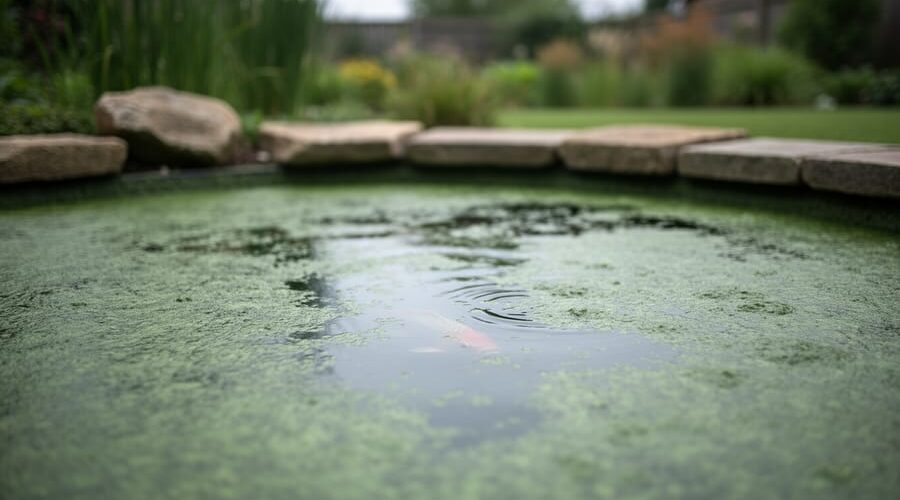
You’ve just walked out to check on your beautiful backyard pond, only to find the water has transformed into a thick, murky green soup practically overnight. That shocking moment when crystal-clear water turns into what looks like pea soup isn’t just an aesthetic nightmare—it’s a toxic algal bloom, and understanding what triggers it is your first step toward prevention.
Toxic algal blooms happen when microscopic algae explode in population, releasing harmful toxins that can sicken wildlife, pets, and even humans. While a small amount of algae is normal in any healthy pond ecosystem, certain conditions create the perfect storm that turns manageable algae into a full-blown environmental crisis. The frustrating truth is that most pond owners unknowingly create these ideal conditions without realizing it.
Think of algae like weeds in a garden—they’re opportunists waiting for the right combination of nutrients, warmth, and sunlight to take over. When excess nutrients flood your pond from sources like lawn fertilizer runoff, decaying leaves, or fish waste, you’re essentially rolling out the welcome mat. Add in warm temperatures and plenty of sunlight penetrating the water, and you’ve created an all-you-can-eat buffet where algae multiply at alarming rates.
The good news? Once you understand the specific triggers behind these blooms, you can take targeted action to restore balance to your pond and prevent future outbreaks from stealing your peace of mind.
What Exactly Are Toxic Algal Blooms?
Let me paint a picture you might recognize: you walk out to your beautiful pond one morning, and instead of seeing your fish gliding through crystal-clear water, you’re greeted by what looks like thick pea soup. Maybe there’s a green film coating the surface, or perhaps it smells a bit like rotting vegetables. Welcome to the world of toxic algal blooms.
So what exactly are these blooms? Think of algae as tiny plants that naturally live in every pond. In normal amounts, they’re actually helpful, providing oxygen and food for small creatures. But when conditions are just right (or rather, just wrong), these microscopic organisms throw a party and multiply like crazy. This rapid overgrowth is what we call an algal bloom.
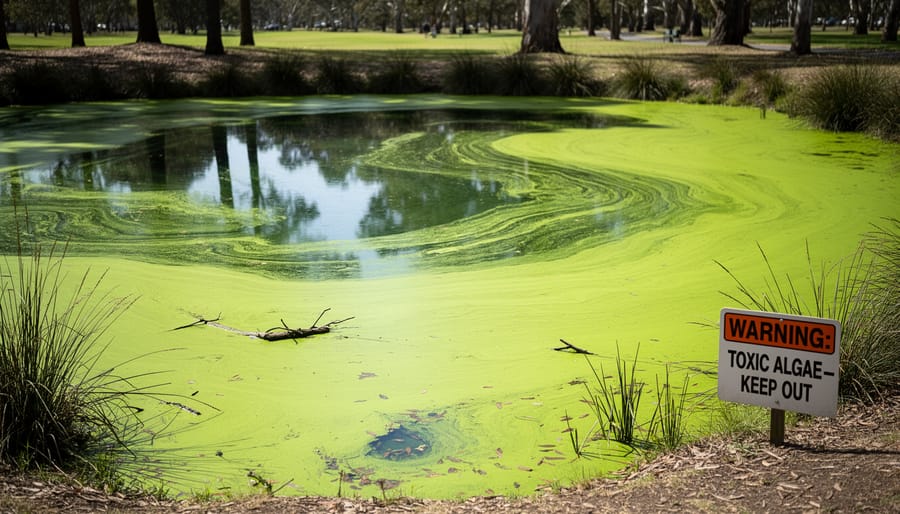
Here’s where things get serious. Not all algae blooms are toxic, but certain harmful algae types produce toxins that can sicken or even kill fish, pets, and wildlife. These nasty varieties, particularly blue-green algae (which isn’t actually algae but cyanobacteria), are the troublemakers we need to watch for.
What should you look for? Toxic blooms often appear as thick green or blue-green scum floating on the surface, sometimes looking like spilled paint. You might notice your water turning murky overnight, clumps of stringy growth along the edges, or that distinctive musty, earthy smell wafting from your pond. Your fish might gasp at the surface or act lethargic. Some pond owners describe it as their water looking like someone dumped green food coloring in it.
The key difference between normal algae and harmful blooms is the speed and intensity. A little green tint is natural, but a dramatic color change that happens quickly signals trouble.
The Three Main Culprits Behind Algal Blooms in Your Pond
Too Many Nutrients (The Algae Buffet)
Think of your pond like an all-you-can-eat buffet, and algae as the enthusiastic guest who never knows when to stop. When there’s too much food available, algae population explodes into those thick, soupy blooms we all dread.
The main culprits feeding this feast are nitrogen and phosphorus. These nutrients act like fertilizer, and just as your garden plants grow faster with plant food, algae thrives on these same ingredients. Here’s where things get interesting—you might be accidentally rolling out the welcome mat.
Fish waste is the biggest contributor in most ponds. Every time your koi or goldfish eat, they produce waste that breaks down into nitrogen and phosphorus. It’s the circle of life, but in a closed system like a pond, these nutrients accumulate quickly. Overfeeding makes this worse because uneaten food sinks to the bottom and decays, releasing even more nutrients into the water.
Dead leaves, spent blooms, and grass clippings that blow into your pond also decompose and contribute to the nutrient load. I learned this lesson the hard way when autumn leaves turned my once-clear pond into pea soup within weeks.
Runoff from your lawn is another sneaky source. That fertilizer you applied to get a lush green yard? Rain washes it straight into your pond, creating an excess nutrients problem that sends algae into overdrive.
Sunlight and Warm Water (Algae’s Perfect Growing Conditions)
Think of algae like sunbathers at the beach—they absolutely thrive in warmth and sunshine! When your pond gets plenty of direct sunlight combined with warm water temperatures, you’re basically rolling out the red carpet for algae growth.
Here’s what happens: algae are simple plants that use photosynthesis to grow, just like the flowers in your garden. But unlike your roses that take weeks to bloom, algae can double their population in just 24 hours when conditions are perfect. Sunlight provides the energy they need, while warm water speeds up their metabolism. It’s like they’ve had three cups of coffee!
Shallow ponds are especially vulnerable because the sun penetrates all the way to the bottom, warming the entire water column. If your pond lacks shade from trees, overhanging plants, or structures, every square inch becomes prime real estate for algae colonies.
You’ll probably notice seasonal patterns in your pond. Spring brings the first mild blooms as temperatures rise and sunlight increases. Summer is typically peak algae season—those dog days of July and August when your water might turn pea-soup green seemingly overnight. Come fall, as temperatures drop and daylight decreases, algae growth naturally slows down.
I’ve watched my own pond transform each year. That bright green explosion in late June? Right on schedule! Understanding this seasonal rhythm helps you anticipate problems and take preventive action before blooms get out of control. The good news is that knowing when algae prefers to party means you can crash it early.
Poor Water Circulation and Stagnant Zones
Think of your pond like a room in your house. When air doesn’t circulate, it gets stuffy and unpleasant, right? The same thing happens in water. When there’s no movement, you’ve got a recipe for trouble.
Still water is like a quiet neighborhood where algae can throw a wild party undisturbed. Without circulation, heavier nutrients sink to the bottom and just sit there, accumulating day after day. Meanwhile, warmer water stays on top, creating a cozy blanket that algae absolutely loves. These stagnant zones become nutrient-rich “dead zones” where toxic algae can multiply faster than you can say “pea soup pond.”
I learned this the hard way with my first backyard pond. I thought it looked peaceful and serene, but what I didn’t realize was that peaceful meant problem. The corners especially became algae magnets because water just pooled there with nowhere to go.
Here’s what’s happening beneath the surface: without water movement, oxygen levels drop in deeper areas. Fish waste, decaying leaves, and other organic matter settle on the bottom where they break down slowly, releasing even more nutrients. It’s like setting up an all-you-can-eat buffet specifically for algae.
In contrast, well-circulated ponds keep water moving constantly. This distributes oxygen evenly, prevents thermal layering, and stops nutrients from concentrating in specific areas. Moving water also makes it harder for algae to establish those dense colonies that turn your beautiful pond green and potentially toxic.
Hidden Causes You Might Not Know About
Your Fish Population Might Be Too High
I learned this lesson the hard way when I first started keeping koi. More fish seemed like more fun, right? But here’s the reality: every fish in your pond is a little nutrient-producing machine. They eat, they breathe, they excrete waste, and all of that adds up quickly.
Even if you have a fantastic filtration system running 24/7, overstocking creates a constant flood of organic matter that your pond struggles to process. Fish waste breaks down into ammonia, then nitrites, and finally nitrates—which are like an all-you-can-eat buffet for algae. Your filter can handle some of this, but when you’ve got too many fish, you’re essentially creating more nutrients than your system can manage.
Think of it this way: if your pond is designed for ten goldfish but you’ve packed in twenty, you’ve doubled the waste production. That means double the fish food going in, double the ammonia being produced, and double the nutrients available for algae to gobble up. It doesn’t matter how good your equipment is—you’re fighting an uphill battle.
A good rule of thumb is one inch of fish per ten gallons of water, though larger fish like koi need even more space. If you’re seeing persistent algae blooms despite regular maintenance, your fish population might be the hidden culprit.
That Beautiful Lawn Fertilizer Is Feeding Your Algae
Here’s something many pond owners don’t realize: that gorgeous, green lawn surrounding your pond might be the biggest culprit behind your algae troubles. When you fertilize your grass, you’re essentially setting up a buffet for algae growth.
Every time it rains, those nutrient-rich fertilizers wash right off your lawn and into your pond. Nitrogen and phosphorus, the same elements that make your grass flourish, are exactly what algae needs to explode into a bloom. I’ve seen pristine ponds turn pea-soup green within days after a heavy rainstorm following lawn treatment.
The problem intensifies on sloped properties where gravity naturally channels runoff straight toward the water. Even if you’re careful with application, your neighbors’ landscape practices can affect your pond too. Water doesn’t respect property lines.
This doesn’t mean you need to sacrifice your lawn’s health. The key is timing and technique. Apply fertilizers when rain isn’t forecasted, use slow-release formulas, and consider creating buffer zones around your pond with native plants that can absorb excess nutrients before they reach the water. These simple adjustments can dramatically reduce the nutrient load feeding your algae problem.
Decaying Organic Matter at the Bottom
Here’s the thing about pond bottoms—they’re like nature’s compost bin, quietly breaking down over time. When autumn leaves drift into your pond, or aquatic plants die back at season’s end, they don’t just disappear. They sink to the bottom and gradually decompose, creating that dark, mucky layer you might notice during spring cleanups.
As this organic matter breaks down, it releases nutrients—particularly phosphorus and nitrogen—back into the water. Think of it like a slow-release fertilizer packet that you never asked for! Those rising nutrient levels create the perfect buffet for algae to feast and multiply.
The warmer your water gets, the faster this decomposition happens, which explains why many pond owners notice worse algae problems in summer. That thick muck layer isn’t just unsightly—it’s actively fueling those frustrating green blooms.
Why Ecosystem Balance Is Your Best Defense
Here’s something I learned after years of fighting algae with chemicals and gadgets: the best defense isn’t really a defense at all. It’s creating an environment where toxic algae simply can’t take over in the first place. Think of it like maintaining a healthy garden—you don’t just pull weeds, you grow strong plants that naturally crowd them out.
A balanced pond ecosystem works exactly this way. When everything’s in harmony, you’ve got multiple natural forces working together to keep toxic algae in check, without you having to constantly intervene.
First, beneficial bacteria become your invisible workforce. These microscopic helpers break down fish waste, decaying leaves, and other organic matter before they can release excess nutrients into the water. Less available nutrients means less fuel for algae to explode into those nasty blooms.
Second, aquatic plants act as nutrient sponges. Water lilies, submerged plants, and marginal species all compete directly with algae for the same resources—nitrogen and phosphorus. When your plants are thriving, they’re essentially starving out potential algae problems. I’ve seen ponds transform from murky green to crystal clear simply by adding the right plant mix.
Third, healthy ponds develop a diverse community of organisms—zooplankton, beneficial algae species, insects, and microorganisms—that all compete for resources and keep any single species from dominating. It’s nature’s version of checks and balances.
The beauty of working with your pond’s ecosystem is that it becomes self-regulating over time. Instead of constantly battling problems, you’re creating conditions where problems don’t develop. You’re not fighting against nature—you’re partnering with it. This approach takes a bit more patience upfront, but it delivers long-term results that chemicals and quick fixes simply can’t match.
Simple Steps to Address the Root Causes
Control Nutrient Levels
The good news is that nutrient control is something you can actively manage, and it makes a huge difference. Start with your fish feeding routine. I learned this the hard way when I realized I was practically creating an algae buffet by overfeeding my koi! Feed only what your fish can consume in about five minutes, once or twice daily. Uneaten food becomes nutrient fuel for algae.
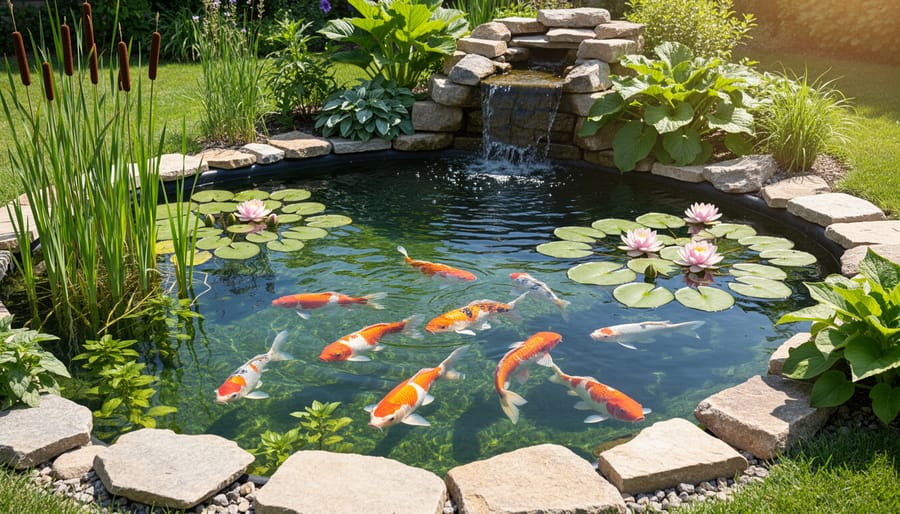
Next, let your plants do the heavy lifting. Aquatic plants like water lilies, hornwort, and water lettuce are nature’s nutrient sponges. They compete directly with algae for those excess nutrients, especially nitrogen and phosphorus. The more plant coverage you have, the less food available for algae to explode.
Be mindful of what happens around your pond too. Lawn fertilizers, grass clippings, and leaves all wash nutrients into your water. Keep fertilized areas away from pond edges and use barriers or berms to redirect runoff.
Finally, test your water regularly. A simple test kit from your local garden center helps you monitor nitrate and phosphate levels. Once you know your baseline numbers, you can adjust feeding, add more plants, or perform partial water changes to keep nutrients in check before algae takes over.
Manage Sunlight and Temperature
Think of your pond like a slow cooker on a hot summer day—when things warm up too much, algae goes into overdrive. Sunlight and temperature are the dynamic duo that fuel toxic algal blooms, so managing both is absolutely essential.
Start by thinking about shade. I learned this the hard way when my first pond sat in full afternoon sun and turned into pea soup by July! Floating plants like water lettuce or water hyacinths create natural shade, blocking some of those direct rays that algae love. They also compete with algae for nutrients, giving you double the benefit.
When planning a new pond or reworking an existing one, consider its position carefully. A spot that gets morning sun but afternoon shade is ideal—you’ll keep the water cooler during peak heat hours. If you’re still in the design phase, deeper is better. Deeper ponds naturally stay cooler since sunlight can’t penetrate and heat the entire water column. Aim for at least 18-24 inches deep in most areas, with deeper zones if possible. These cooler, darker depths create an environment where algae struggles while beneficial pond life thrives.
Keep Water Moving
Stagnant water is like a welcome mat for algae—it just loves sitting still! One of the best ways I’ve found to fight toxic algal blooms is keeping your pond water constantly moving. Think of it as giving your pond a gentle workout that never stops.
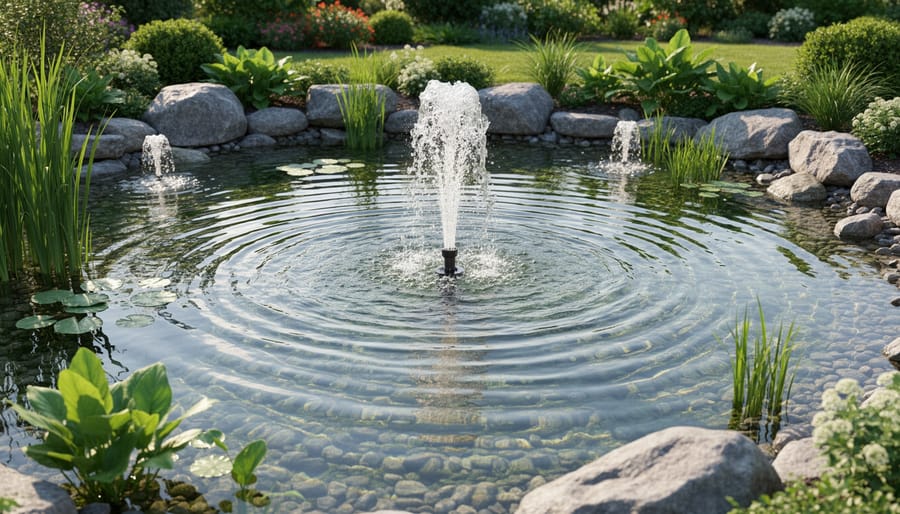
Installing a fountain, waterfall, or submersible pump creates circulation that disrupts algae’s favorite growing conditions. When I added a small fountain to my backyard pond, I noticed the difference within weeks. The movement does two important things: it distributes oxygen throughout the water column and prevents those warm surface layers where algae thrives from forming.
You don’t need anything fancy or expensive. Even a simple pump that creates gentle ripples across the surface helps enormously. Position your pump or fountain so water circulates through dead zones—those corners and shallow areas where water tends to sit motionless. If you have a waterfall, make sure the returning water reaches across the pond rather than just dropping straight down.
A good rule of thumb is ensuring your entire pond volume circulates at least once every two hours. This constant motion creates an environment where algae struggles to take hold, while beneficial pond life flourishes.
Understanding what triggers toxic algal blooms is truly empowering. When you know that excess nutrients, stagnant water, and too much sunlight are the main culprits, you can take simple, practical steps to keep your pond clear and healthy. I remember when I first realized my pond wasn’t just a decorative feature in my backyard—it was actually a thriving pond ecosystem with plants, fish, beneficial bacteria, and yes, even algae, all living together. That shift in perspective changed everything for me.
Your pond is a living, breathing system that thrives on balance. When something tips out of equilibrium—whether it’s overfeeding fish, fertilizer runoff from nearby gardens, or inadequate water circulation—algae seizes the opportunity to multiply rapidly. But here’s the good news: maintaining that balance isn’t complicated or overwhelming. With regular monitoring, thoughtful feeding practices, proper aeration, and maybe some shade-providing plants, you can prevent blooms before they even start.
Don’t feel discouraged if you’ve struggled with green water in the past. Every pond owner has been there, myself included. The key is viewing challenges as learning opportunities. Armed with this knowledge about what causes toxic blooms, you’re now equipped to create a beautiful, balanced pond environment that you, your family, and your aquatic friends can enjoy for years to come. You’ve got this!