
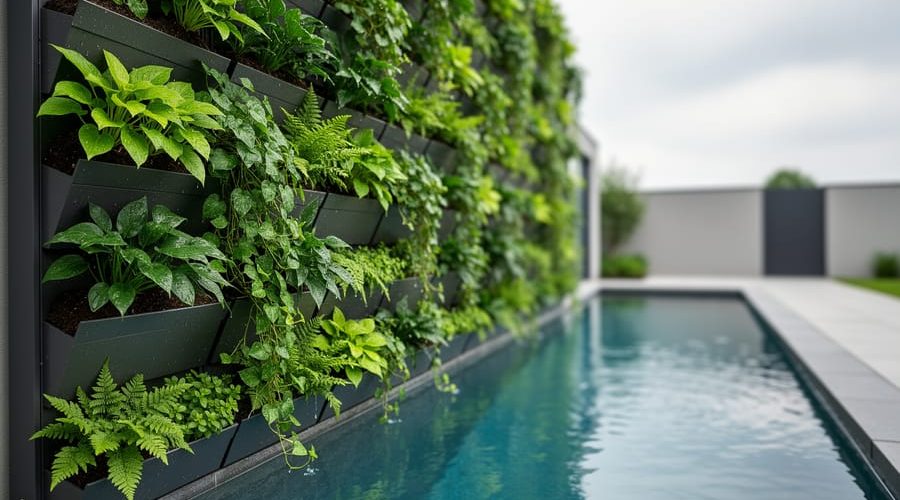
What Is a Residential Green Wall (and How Does It Work in Your Water Garden)?
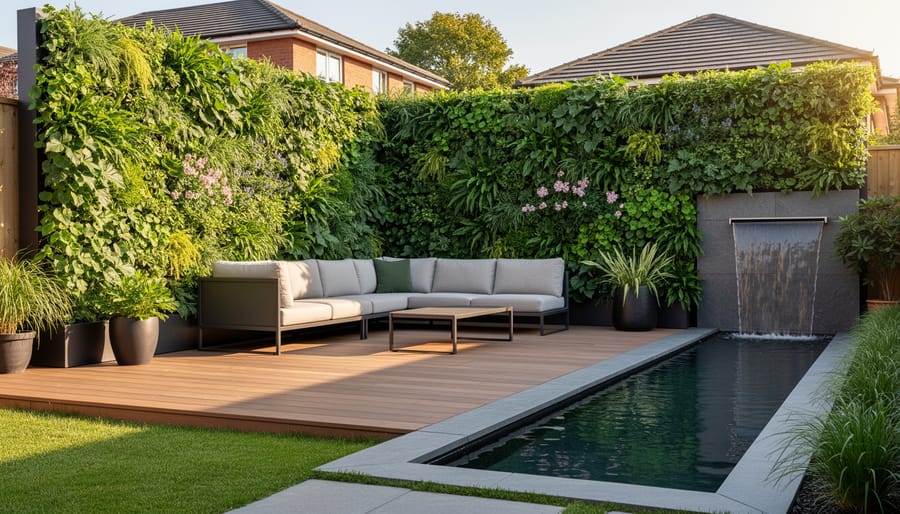
A residential green wall is a vertical garden structure attached to or integrated into a home’s exterior or interior wall, where plants grow in specialized panels, pockets, or modular systems rather than in the ground. These living walls transform unused vertical space into lush, functional gardens that cool the air, filter pollutants, reduce noise, and add striking visual appeal to patios, courtyards, and water garden settings.
For water gardeners, green walls offer a natural extension of pond ecosystems. The same principles that make aquatic plants thrive apply here: circulation, moisture balance, and thoughtful plant selection. A well-designed green wall alongside your pond can soften hard surfaces, provide shade that reduces algae growth, and create a microclimate that benefits both the garden and the people enjoying it. In 2026, as climate extremes make outdoor comfort harder to achieve, green walls stand out as one of the most effective ways to lower ambient temperature and manage stormwater runoff right where you live.
Installing a residential green wall doesn’t require a degree in horticulture or a contractor’s budget. Many systems are modular and DIY-friendly, designed to hang on fences, garage walls, or freestanding frames near water features. The key is understanding how these structures retain moisture, deliver nutrients, and support root systems without soil in the traditional sense. Some rely on hydroponic channels fed by recirculating pumps, while others use felt pockets filled with lightweight growing media.
This guide walks you through what green walls are, how they work, the main types available, and how to choose plants and install a system that complements your water garden. Whether you’re looking to green a blank wall or integrate vertical planting into a climate-resilient backyard design, you’ll find practical steps and real-world advice to get started.
What a Residential Green Wall Actually Means
A residential green wall is a vertical planting system designed for home use that lets you grow plants upward on walls, fences, or freestanding structures rather than outward in traditional beds. Think of it as gardening turned on its side, instead of a horizontal border, you’re creating a living tapestry that climbs skyward, transforming blank vertical surfaces into lush, layered displays of foliage and flowers.
The key distinction here is structure. Unlike climbing vines that simply grab onto a trellis or arbor and do their own thing, a true green wall uses a purpose-built framework, panels, pockets, or modular containers, that holds plants in place and delivers water and nutrients directly to their roots. You’re not waiting years for a vine to fill in. You’re installing a complete system that supports dozens of individual plants, arranged and maintained as a cohesive vertical garden from day one.
To clarify the terminology you’ll encounter when researching residential green walls, here are the essential terms:
- Green wall vs. living wall
- Often used interchangeably, though “living wall” sometimes refers to more complex indoor or commercial installations with automated systems. For home water gardens, the terms mean the same thing.
- Modular system
- Pre-fabricated panels or trays that snap or hang together, each holding multiple plants. These systems simplify installation and make plant swaps easy.
- Hydroponic vs. soil-based
- Hydroponic green walls grow plants in inert media with nutrient-rich water, while soil-based systems use traditional potting mix. Soil-based is more forgiving for beginners and integrates naturally with pond environments.
- Hardscape integration
- The process of anchoring your green wall to existing patio walls, fences, or retaining structures so it becomes a permanent, functional part of your outdoor design.
For water gardeners, green walls offer an exciting vertical dimension. Your pond already draws the eye horizontally across the water surface. A green wall behind it or along an adjacent patio wall pulls that visual interest upward, creating depth and enclosure. It’s a natural extension of your ecosystem, too, many moisture-loving plants that thrive beside ponds adapt beautifully to vertical growing, and the humidity from your water feature actually benefits the wall. You’re not replacing your pond plants; you’re stacking another layer of life onto your outdoor space, turning every vertical inch into an opportunity for greenery, habitat, and beauty.
How Green Walls Work Next to Your Pond or Patio
The Three Essential Systems
Every green wall, no matter the size, relies on three interacting systems working in harmony. Think of them as the skeleton, circulatory system, and drainage network of your vertical garden.
The structural framework is what holds everything up. It can be as simple as a wooden lattice anchored to a fence or as robust as a metal grid bolted to a masonry wall. The key is solid attachment and weight capacity. A saturated green wall is heavy, soil, plants, and water add up fast. I’ve seen beautiful DIY builds using galvanized mesh, wire panels, or even repurposed pallets. Whatever you choose, ensure it’s weatherproof and can handle the load when wet.
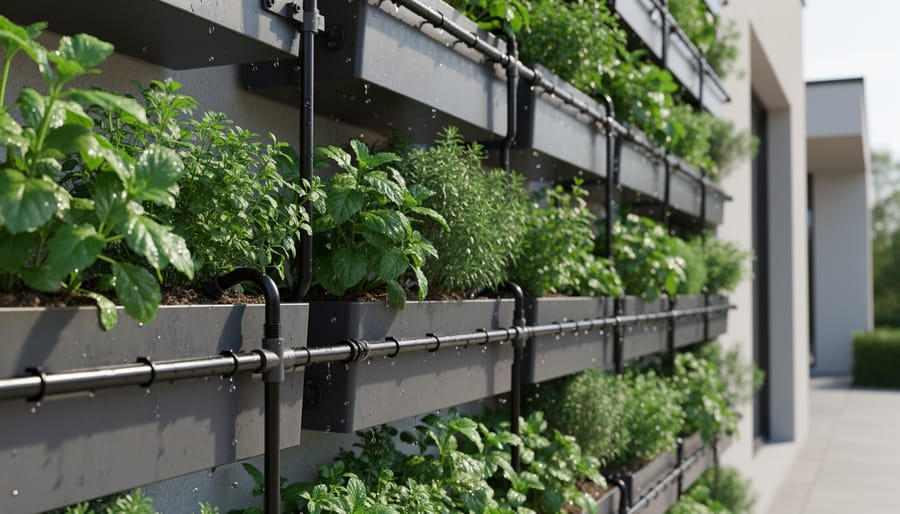
Water delivery keeps your plants alive. Drip irrigation lines snaking through the structure provide even, controlled moisture. Some systems recirculate water from a reservoir at the base, perfect if you’re already running a pond pump and want to integrate your green wall into that loop. Others use a timer-controlled drip from a hose bib. The goal is consistent hydration without flooding or letting pockets dry out.
Drainage prevents root rot and structural damage. Gravity does most of the work, but you need a plan for runoff. Water should flow downward through the growing medium and exit at the bottom, either into a catch basin you can reuse or onto a gravel bed. Good drainage also protects the wall behind your plants from moisture damage.
How Green Walls Enhance Climate Resilience
A green wall on your patio or beside your pond does far more than look pretty. When the plants on your vertical garden transpire, drawing water from their roots and releasing it through their leaves, they cool the surrounding air through evapotranspiration. That process works like a natural air conditioner, lowering temperatures on hot decks and around seating areas by several degrees on a summer afternoon. You’ll feel the difference when you sit near a living wall versus a bare brick fence.
Green walls also tackle stormwater in a way that complements smart water management in your water garden. The plants and growing medium absorb rain that would otherwise sheet off hard surfaces, reducing runoff into drains and filtering out dust and pollutants before water reaches your pond. Federal stormwater management research confirms that vertical planting systems can intercept significant volumes during storm events, especially when integrated with ground-level gardens.
Patios and paved areas trap heat, creating localized hot spots that make outdoor living uncomfortable and stress nearby pond ecosystems. A green wall breaks that cycle. Just as green roofs reduce heat island effects in urban settings, your vertical garden absorbs and reflects less heat than concrete or metal, keeping the patio cooler and stabilizing water temperatures in adjacent features.
Finally, the dense foliage acts as a physical buffer, softening wind gusts that can disturb delicate water plants and dampening traffic or neighbor noise. A well-planted wall turns your patio into a calmer, quieter microclimate where both you and your pond’s wildlife thrive.
Main Types of Green Wall Systems for Home Water Gardens
Modular Panel Systems
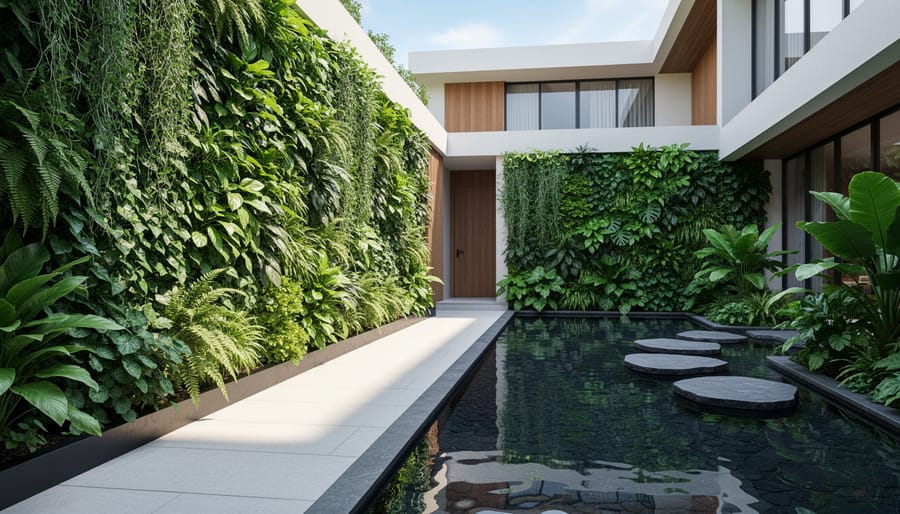
Modular panel systems arrive as complete, self-contained units, often plastic or composite frames with pre-formed planting pockets, that stack or clip together on a wall. You mount a backing rail, snap the panels into place, slide in plants, and connect a drip line. Installation takes an afternoon, not a weekend, which makes them ideal for first-timers who want instant vertical impact beside a pond or patio without carpentry. Panels are lightweight, so they work on fence boards, brick, or even treated timber screens. Most include built-in reservoirs or channels that distribute water evenly, reducing guesswork. Because they’re modular, you can start with two or three panels near your pump housing, see how you like the look and care rhythm, then expand along a fence line. Pairing a green wall with other save water landscaping strategies, like mulched beds and drip irrigation, creates a cohesive, climate-smart garden that looks lush year-round without waste.
Pocket and Felt Systems
Pocket and felt systems use fabric layers or sewn pockets mounted on a backing board or frame. Plants slide into individual pockets filled with lightweight growing medium, or their roots nestle between felt layers that wick moisture from an irrigation line running along the top or back. These systems are remarkably lightweight, often under five pounds per square foot when saturated, so they work on walls that can’t support heavier modular panels.
They’re ideal for tight patio corners, narrow fence sections, or accent walls near your pond where space is limited. The fabric flexes slightly, which helps roots establish without cracking rigid containers. Installation is straightforward: hang the panel, connect a drip line or gravity-feed reservoir, plant through the pockets, and you’re done. Maintenance is equally simple, top up the reservoir, trim overgrowth, and swap out seasonal plants as needed. The main trade-off is durability: felt and fabric degrade faster than plastic modules, typically needing replacement every three to five years depending on UV exposure and water quality.
Trellis-and-Planter Combos
Trellis-and-planter combos feel immediately familiar if you’ve ever grown a tomato or trained a clematis, you’re simply lifting the planting upward from a container at the base. A sturdy wooden or metal trellis sits behind or within a rectangular planter box, and climbing or vining plants weave their way up the framework. This approach offers the easiest maintenance because the soil stays in one accessible trough at ground level, no ladders, no awkward pocket refills, just normal watering and weeding you’d do with any planter.
For water gardeners, this style meshes perfectly with existing habits. You can position a planter against a fence near your pond edge, run drip tubing from your pond pump’s overflow, and let hardy jasmine, passion vine, or even pole beans scramble upward. The trellis provides instant privacy or screening for filters without sealing off airflow, and you control plant density by choosing how many vines you install. In 2026, modular cedar and powder-coated steel combos are widely available, or you can build your own from reclaimed lumber and heavy-gauge wire mesh for next to nothing.
DIY Pallet and Frame Builds
DIY pallet and frame builds offer the most flexibility if you’re working with an unusual corner, a curved patio wall, or a spot that standard panels just won’t fit. You’re essentially creating a custom vertical planter from scratch using reclaimed wood pallets, cedar or pressure-treated lumber, or even galvanized wire mesh stretched over a simple frame.
This approach is budget-friendly, often under $50 for materials, and lets you match the dimensions and aesthetic exactly to your pond surround. I’ve built pallet green walls by filling the slats with landscape fabric pouches of soil and tucking in sedges and creeping thyme. The rustic look suits naturalistic water gardens beautifully.
The trade-off is time and effort: you’ll need to sand, seal, and assemble the structure yourself, and irrigation usually means hand-watering or rigging a basic drip line. But if you enjoy weekend projects and want something truly one-of-a-kind, DIY builds deliver personality and cost savings no modular system can match.
How to Use Green Walls in Your Water Garden and Patio Design
A green wall near your water feature isn’t just decoration, it’s a hardworking partner that solves real design and ecological challenges. I’ve used vertical plantings to hide unsightly pump housings, frame pond views, and turn blank fence panels into living backdrops that tie the whole patio together. The beauty is in the flexibility: you can tuck a narrow felt system against a wall where ground space is tight, or build a freestanding trellis planter to define zones without blocking sightlines.
One of the most popular applications is screening equipment. Pond filters, electrical boxes, and hose reels rarely win beauty contests. A strategically placed green wall, even a simple modular panel filled with trailing sedges and ferns, camouflages these necessities while maintaining easy access for maintenance. I’ve seen gardeners mount hinged frames that swing open like doors, keeping pumps out of sight yet reachable in seconds.
Privacy and shade matter just as much. A tall green wall along a patio edge blocks neighbor sightlines without the fortress vibe of a solid fence. Climbers on a trellis combo filter light beautifully, creating dappled shade over seating areas that’s cooler than an awning and far more pleasant to look at. Pair this with smart outdoor lighting aimed upward through the foliage, and you’ll have an evening retreat that feels like a secret garden.
Green walls also function as ecological infrastructure. Planted densely with moisture-loving perennials and natives, they attract beneficial insects, pollinators, and songbirds, extending the biodiversity your pond already supports. Positioned to catch patio runoff or roof drainage, they act as biofilters: roots and growing media trap sediment and absorb excess nutrients before water reaches your pond, a process proven to remove pollutants like nitrogen and phosphorus from stormwater. This dual role, beautiful and functional, makes green walls ideal for climate-conscious water gardeners managing rain and heat.
Here are specific ways to deploy green walls around your water garden:
- Privacy screen along property lines or adjacent to seating areas
- Living backdrop framing a koi pond or waterfall feature
- Edible herb wall positioned next to patio dining zones for easy harvesting
- Pollinator habitat planted with native wildflowers and salvias
- Vertical art feature using contrasting foliage colors and textures
- Microclimate moderator cooling a sun-baked patio or sheltering tender pond plants from wind
The key is matching the wall’s placement to your site’s needs. A shady north-facing wall suits ferns and hostas, while a sunny west exposure calls for sedums and ornamental grasses that handle afternoon heat. Start with one purpose, shade, screening, or habitat, and build from there as you see what thrives.
Choosing Plants That Thrive on Vertical Walls Near Water
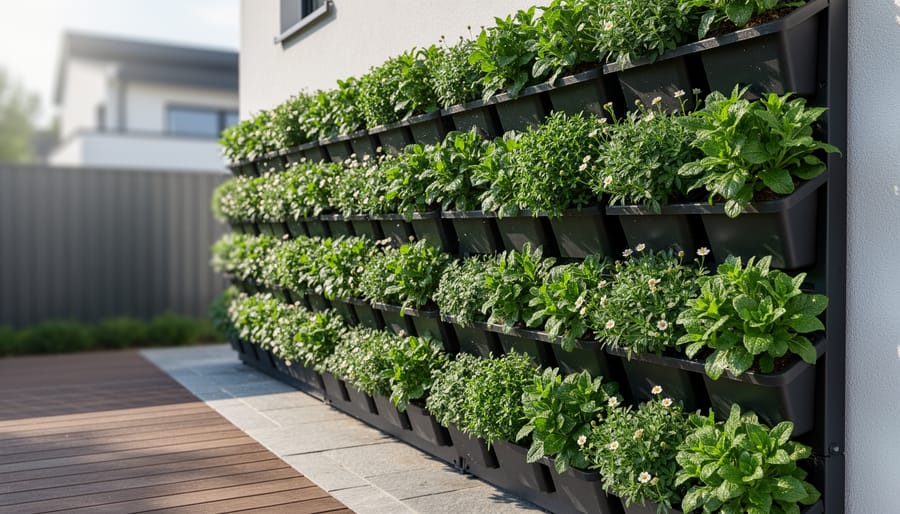
Pick plants that love moisture and humidity, and you’ll have a green wall that practically takes care of itself next to your pond or water feature. The microclimate near water is ideal for many perennials and foliage plants that struggle in dry garden beds, so lean into that advantage rather than fighting it.
Start with moisture-loving ferns like Japanese painted fern or autumn fern, which thrive in the dappled light and humidity common around ponds. Sedges, especially compact varieties like Carex morrowii ‘Ice Dance’ or Carex oshimensis ‘Evergold’, adapt beautifully to vertical planting, tolerate wet feet, and add fine texture year-round. Creeping herbs such as creeping thyme, oregano, and pennyroyal handle occasional splash, spread slowly to fill gaps, and release fragrance when brushed. For shadier walls, hostas (choose smaller cultivars) and heuchera offer bold foliage and surprising tolerance for vertical growing if their roots stay moist.
Don’t overlook compact aquatic marginals. Dwarf papyrus, miniature cattails, and creeping Jenny (Lysimachia nummularia) cascade gracefully and link your wall visually to the pond itself. If your wall gets full sun, consider drought-tolerant succulents like sedum or sempervivum in the upper, drier pockets, reserving the lower, wetter zones for ferns and moisture lovers.
Here are beginner-friendly plants that consistently perform well on residential green walls near water:
- Creeping Jenny, vigorous, golden or green foliage, cascades beautifully
- Ferns (autumn, Japanese painted, maidenhair), soft texture, shade-tolerant
- Hostas (small varieties), bold leaves, reliable in partial shade
- Ivy (English or Algerian), evergreen, fast coverage, low maintenance
- Spider plants, tolerates humidity, produces offsets easily
- Strawberries (alpine varieties), edible fruit, attractive foliage, spreads well
- Mints (spearmint, peppermint, chocolate mint), aromatic, vigorous, contains root spread
- Compact rush varieties (Juncus effusus ‘Spiralis’), vertical interest, wetland character
Root systems matter. Shallow-rooted plants like ferns and sedges adapt quickly to the limited soil depth in modular panels or felt pockets. Deep-rooted perennials struggle unless you provide thicker planting media or ground-based planters with trellis support.
For seasonal interest in your year-round water garden mix evergreen structure plants (ivy, sedges, dwarf conifers) with seasonal bloomers like trailing lobelia, calibrachoa, or pansies. Rotate annuals in spring and autumn to keep the wall fresh, but let your perennial backbone do the heavy lifting year after year. Choose what you enjoy looking at and what fits your maintenance rhythm, and your green wall will reward you with lush, living texture that complements the water below.
Installing and Maintaining Your Green Wall
Getting your green wall up and running is easier than you might think, especially if you’re already comfortable with pond pumps and planter beds. Start by choosing a spot that gets the light your plants need, most moisture-loving varieties thrive in morning sun with afternoon shade, which often means an east-facing patio wall near your pond. Check that the wall can handle the weight when saturated; a fully planted modular panel or felt system can weigh 15 to 25 kilograms per square metre. If you’re mounting on timber or lightweight cladding, reinforce with sturdy battens or a metal frame anchored into studs.
Next, secure your chosen system to the wall using rust-proof fixings, stainless steel screws or galvanized brackets work well in damp environments. Leave a small air gap behind the panels to prevent moisture buildup and protect the wall surface. Connect your irrigation line; if you’re using a recirculating setup, tap into your pond pump’s output with a T-fitting and run a drip line or soaker hose along the top of the green wall. Set a simple timer so watering happens early morning, which also helps stop mosquitoes by keeping water moving and plants healthy. Plant from the bottom up, gently tucking roots into pockets or securing plugs into modular cells, and water thoroughly by hand on the first day to settle everything in.
Maintenance slots neatly into your pond routine. During the growing season, check soil moisture every few days, green walls dry out faster than ground beds, so you might water daily in hot weather or every second day in milder spells. Feed lightly with a diluted liquid fertilizer once a fortnight; pond-safe organic options work beautifully and won’t harm fish if runoff drips near the water. Trim back leggy growth and deadhead spent flowers monthly to keep the wall looking fresh and encourage bushier plants. In autumn, swap out annuals for cool-season varieties or evergreen ferns, and mulch the top pockets with a thin layer of compost.
In cold climates, winterize by draining irrigation lines, wrapping exposed plumbing with foam pipe insulation, and moving tender plants indoors if your system is modular. Hardy perennials and native sedges usually survive in place with a light mulch blanket. Come spring, refresh the growing media, replant any gaps, and restart your watering schedule, your green wall will bounce back stronger each year.
Common Questions About Residential Green Walls
Can I use water from my pond to irrigate my green wall?
Yes, and it’s one of my favorite tricks. Pond water is rich in nutrients from fish waste and organic matter, making it an excellent fertilizer for your vertical plants. I run a simple recirculating pump from my pond to a header tank above my green wall, gravity-feeding the plants and returning excess water to the pond. This creates a closed loop that filters the pond water while feeding the wall. Just avoid this if you’ve recently treated your pond with medications or algaecides, and install a basic screen filter to catch debris that might clog irrigation lines.
How much does a small residential green wall cost to set up?
A modest DIY system covering 15 to 25 square feet typically runs between 200 and 600 dollars in 2026, depending on materials and plant choices. Repurposed pallets, basic drip irrigation, and landscape fabric can bring costs down to the lower end. Modular panel systems with built-in reservoirs push toward the higher range but save installation time. Plants are often the biggest variable, starting from cuttings or divisions from your existing garden keeps costs minimal, while purchasing mature perennials or specialty ferns adds up quickly.
Will a green wall attract mosquitoes or other pests?
Not if you manage water correctly. Mosquitoes need standing water to breed, so a well-draining system that doesn’t puddle won’t create habitat for them. I’ve found green walls actually attract beneficial insects like lacewings, ladybugs, and native bees, which help control aphids and other plant pests. If you notice any pest buildup, a quick spray with the hose or a gentle organic insecticidal soap treatment usually handles it. The increased biodiversity around your pond and patio tends to balance itself naturally.
Can green walls handle extreme climates?
Yes, with the right plant selection and seasonal adjustments. In hot regions, choose drought-tolerant species like sedums and provide afternoon shade or extra irrigation. Cold-climate gardeners can use hardy ferns and evergreens, and either wrap systems in winter or bring modular panels indoors.
How long does a residential green wall last?
The structure can last 10 to 20 years with proper maintenance, while plants may need refreshing every 3 to 5 years depending on species and growing conditions. Regular pruning and occasional replanting keep the wall looking vibrant.
Should I hire a professional or build it myself?
If you’re comfortable with basic carpentry and irrigation setup, DIY is entirely feasible and far cheaper. Professionals make sense for large installations, complex structures, or if you want automated systems with sophisticated controls.
Do green walls need a lot of maintenance?
Less than you’d think. After establishment, most systems need watering checks twice weekly, light fertilizing monthly during the growing season, and seasonal pruning. They’re comparable to maintaining a hanging basket garden.
What if my patio gets full sun all day?
Full sun works well if you pick the right plants and keep irrigation consistent. Succulents, Mediterranean herbs like rosemary and thyme, and sun-loving sedges thrive in bright conditions. The key is ensuring your irrigation system delivers enough water to offset evaporation, especially during summer heat. I’ve had great success with a simple timer on a drip line, running twice daily for 10 minutes each. Placing your green wall where it gets morning sun and afternoon shade from a nearby tree or structure also helps reduce water stress without limiting your plant options.
Residential green walls bring a living, breathing dimension to your water garden that goes far beyond aesthetics. They cool your patio, absorb stormwater runoff, support pollinators, and turn blank vertical surfaces into productive, climate-resilient features that work hand-in-hand with your pond ecosystem.
You don’t need a huge budget or professional installation to get started. A simple trellis-and-planter combo or a DIY pallet build can transform a corner of your patio in a single weekend. Choose plants that love humidity, connect your irrigation to a timer or recirculating pump, and watch your vertical garden establish itself through the seasons.
The real magic happens when your green wall and pond begin to interact, moisture from the pond feeds humidity-loving ferns, runoff from the wall trickles into your filtration system, and beneficial insects move freely between water and vertical plantings. You’re building a layered, resilient outdoor space that adapts to heat, drought, and storm events while staying beautiful and functional.
Start small, experiment with a few pocket panels or a modest climber, and see what works in your specific microclimate. The vertical dimension opens up creative possibilities that flat ground simply can’t match. Whether you’re screening a pump, adding privacy, or just enjoying the way morning light catches dew on a wall of sedges, you’re investing in a greener, cooler, more connected home landscape.