
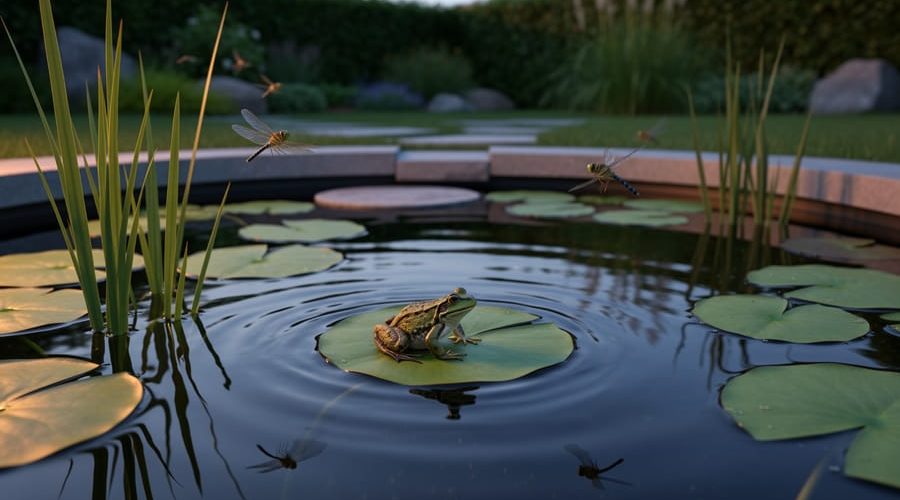
How to Get Your Water Garden Wildlife Certified in 2026
Wildlife garden certification turns your pond into an officially recognized habitat by meeting a set of documented conservation standards, typically verified through an online application and site evaluation process that takes one to two weeks from submission to approval.
If you’ve spent months or even years transforming your backyard water feature into a thriving ecosystem complete with native plants, visiting frogs, and nesting dragonflies, certification offers something meaningful beyond the satisfaction of watching wildlife flourish. It provides third-party validation that your pond meets science-based habitat benchmarks, connects you with a community of conservation-minded water gardeners, and in many regions can qualify your property for small tax benefits or conservation easements.
The process itself is straightforward. Most certification programs require photographic evidence of your pond’s wildlife features, a brief site description, and documentation that you provide food sources, clean water, shelter, and places for wildlife to raise young. You’ll submit this material through an online portal, and depending on the program, you may receive a physical plaque, digital badge, and listing on a public registry of certified habitats.
What makes certification particularly valuable for pond owners is that it gives you a clear roadmap. Instead of guessing whether your water garden truly serves wildlife, you’ll work toward specific, measurable criteria like native plant diversity, chemical-free maintenance practices, and safe wildlife access points. The application process often reveals small improvements you hadn’t considered, turning good intentions into documented conservation impact.
Whether your pond is a modest preformed liner tucked into a corner or an expansive naturalistic ecosystem, certification is achievable with thoughtful planning and the right preparation.
Why Certify Your Water Garden for Wildlife
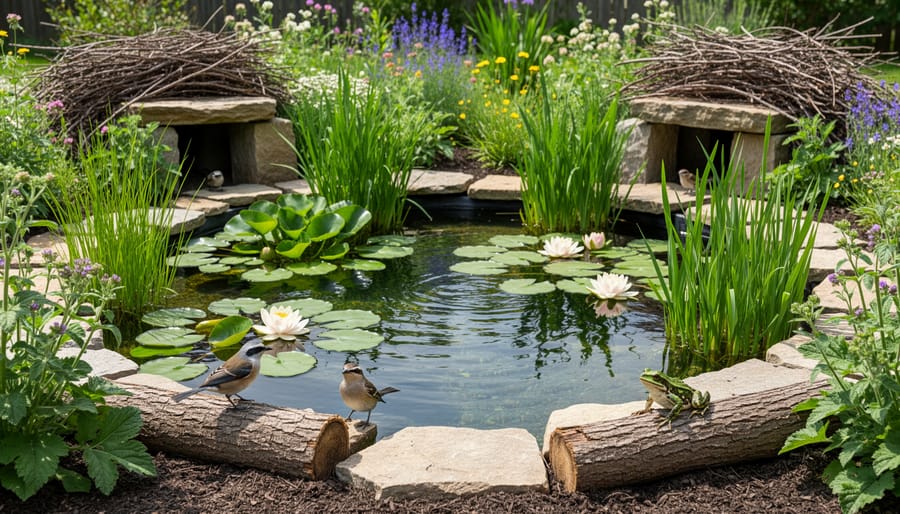
You might be wondering if official certification is really worth the effort when your pond already attracts frogs, dragonflies, and birds. I felt the same way until I received my first certification plaque and realized it transformed how I viewed my own backyard water garden, it wasn’t just a hobby anymore, but a documented contribution to local wildlife conservation.
Certification validates what you’ve already accomplished. That wildlife-friendly pond you’ve nurtured? Official recognition confirms you’re meeting science-based standards for habitat creation. It’s the difference between thinking you’re helping wildlife and knowing you are. When you can point to specific criteria you’ve met, native plant coverage, chemical-free water management, year-round food sources, you gain confidence that your efforts truly matter.
The benefits extend well beyond personal satisfaction:
- Provides critical habitat corridors that connect fragmented ecosystems in developed areas
- Attracts native pollinators like bees and butterflies alongside aquatic species
- Creates teaching opportunities for children, neighbors, and visitors about water ecology
- Joins you with a community of certified wildlife gardeners who share knowledge and support
- Increases your property’s ecological value and can inspire others in your neighborhood
Community recognition matters more than you’d expect. That certification sign by your pond sparks conversations with curious passersby, turning your water garden into a living classroom. I’ve had neighbors stop to ask about the dragonflies hovering over my certified pond, leading to three more wildlife water gardens on our street alone.
The educational ripple effect is real. When people see an official certification, they take your pond seriously as conservation rather than decoration. You become a local resource, someone who can guide others toward creating their own certified habitats. That shift from hobbyist to recognized wildlife steward feels remarkable, and it strengthens the collective impact we all have on struggling local ecosystems.
What You’ll Need Before You Apply
Before you submit your certification application, gathering the right materials and documentation makes the process smooth and increases your chances of approval. Most certification programs want evidence that your water garden genuinely supports wildlife, so you’ll need to demonstrate what you’ve created and maintained.
Start by collecting these essential tools and materials:
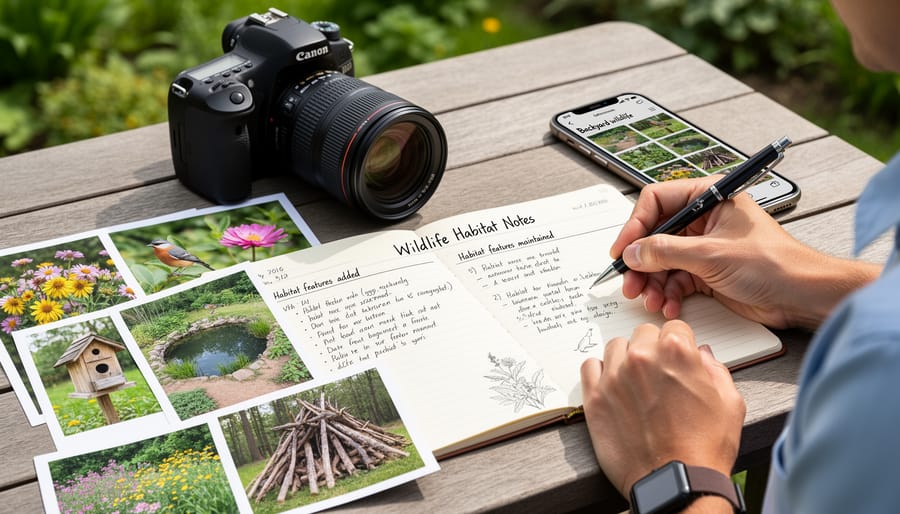
- Camera or smartphone for clear, well-lit photos of your pond from multiple angles
- Notebook or digital app for tracking wildlife species you’ve observed visiting your water garden
- Measuring tape for recording pond dimensions, depth zones, and planting areas
- Plant inventory list with common and scientific names of aquatic and marginal species
- Basic water quality records showing pH levels, temperature readings, and chemical-free maintenance practices
The documentation itself matters as much as your physical pond features. You’ll need comprehensive photographs that showcase different areas of your water garden, wide shots showing the overall layout, close-ups of planted zones, images of wildlife features like log piles or shallow edges, and seasonal views if possible. Certification reviewers want to see that your pond offers varied habitats, not just open water.
Your plant list should identify native species specifically, since certification programs heavily favor regional flora that naturally supports local wildlife. Include where each plant grows (submerged, floating, marginal), and note any food sources like seed heads or nectar-producing flowers. If you’ve spotted visiting wildlife, frogs, dragonflies, birds, or beneficial insects, keep dated observations with brief descriptions. This demonstrates your water garden actively attracts and sustains creatures.
Certification bodies look for diversity in your enhancements: multiple water depths for different species, shelter options like overhanging plants or rock crevices, year-round food availability, and chemical-free maintenance. Having records that prove you’ve avoided pesticides and synthetic fertilizers strengthens your application considerably. Gather utility bills or receipts showing eco-friendly pond products if you have them. The more evidence you compile upfront, the faster your certification review progresses.
Important Considerations Before Certifying
Before you pursue certification, take time to set yourself up for success. Certification isn’t just a one-time achievement, it requires ongoing commitment and preparation.
Start by examining your current pond maintenance routine. If you’re using algaecides, chemical clarifiers, or pesticides anywhere near your water feature, you’ll need to eliminate them. Wildlife certification programs require chemical-free environments, and even products marketed as pond-safe can harm amphibians, beneficial insects, and aquatic invertebrates. Switch to natural maintenance methods and allow at least several weeks for any chemical residues to clear before applying.
Check your local council regulations regarding water features. Some areas require permits for ponds over a certain depth or volume, and a few municipalities have restrictions on creating wildlife habitats due to mosquito concerns. Contact your council before proceeding, you don’t want certification for a feature that violates local codes.
Budget for both the initial certification fee and ongoing costs. Most programs charge between thirty and fifty dollars for certification, with some requiring renewal every few years. Beyond fees, you’ll need to maintain the habitat itself. That means replacing pond plants that don’t survive, keeping water levels stable during dry periods, and continuing to provide food sources.
Be realistic about your ability to measure biodiversity and document changes over time. Certification bodies may ask for updates or verification that you’re maintaining standards. Even a DIY mini pond requires consistent care to support wildlife long-term. If you’re planning major renovations or might move house soon, consider waiting until your situation stabilizes.
Step-by-Step Certification Process
Step 1: Assess Your Current Water Garden Features
Grab a notebook and walk around your pond with fresh eyes, as if you’re seeing it for the first time. Start by listing every plant growing in and around the water, are they native species that local wildlife recognize as food and shelter? Note the different water depths: shallow edges for amphibians, deeper zones for fish to hide, maybe a boggy area where dragonflies can lay eggs.
Look for existing wildlife conservation pillars like rock piles where frogs bask, overhanging plants that provide cover, or muddy banks perfect for nesting birds. Check if your pond connects to or could enhance nearby wildlife corridors hedgerows, native plantings, or wild areas that link habitats.
Certification programs typically count food sources (insects attracted by native flowers, algae, seeds), nesting opportunities (dense marginal plants, hollow logs), water quality (chemical-free maintenance), and year-round access (sloped edges, ice-free zones in winter). Jot down every feature you spot. Most pond owners discover they already have more wildlife enhancements than they realized, you’re just making the invisible visible.
Step 2: Add Missing Wildlife Habitat Elements
Once you’ve identified what’s missing from Step 1, it’s time to fill those gaps. Most certification programs look for four key habitat elements around your water garden: food sources, water (which you’ve got covered!), shelter, and places to raise young.
Start with marginal plants if you’re running short on cover. Pickerelweed, cattails, and iris create vertical structure where dragonflies can perch and frogs can hide from predators. Aim for at least three different native marginal species clustered around 30% of your pond’s edge. They don’t just look good, they provide the layered habitat that bumps up your certification points.
Add rocks and logs for basking spots. Turtles, frogs, and insects need sunny platforms to regulate body temperature. Position flat rocks at water level and slightly above, creating a gentle gradient. A half-submerged log offers similar benefits and becomes a nursery for aquatic insects.
Create varied water depths if your pond is uniformly deep. Shallow areas (4-6 inches) warm quickly in spring, supporting tadpoles and beneficial insects. You can build up sections with stacked rocks or add a separate shallow basin connected to your main pond.
Don’t overlook the area immediately around your pond. A small brush pile 10 feet back gives toads and small mammals shelter, while native flowering plants like coneflower or bee balm within 15 feet provide nectar for pollinators that complete the ecosystem web certification programs want to see.
Step 3: Document Your Water Garden Wildlife Enhancements
Strong documentation makes your certification application stand out and speeds up the approval process. Start by photographing your pond on a clear day when the water is calm, take wide shots showing the entire water garden in its surroundings, then closer images highlighting specific features like plant groupings, shallow margins, and wildlife-friendly zones. Capture at least one photo from each cardinal direction so reviewers can understand your pond’s layout and sun exposure.
Create a simple sketch or site map marking key elements: where native plants grow, depth variations, shelter areas, and any nesting sites you’ve installed. You don’t need artistic skills, a basic hand-drawn diagram with labels works perfectly. List every plant species by common and scientific name if possible, noting which are native to your region. Do the same for wildlife you’ve observed: birds, amphibians, insects, even visiting mammals.
Record your sustainable practices in a short paragraph: how you avoid chemicals, manage algae naturally, conserve water, or provide year-round food sources. Keep a simple wildlife journal for a few weeks before applying, noting which creatures visit and when adds credibility. Compile everything in a folder (digital or physical) with clear labels, making it easy for certification reviewers to see you’ve genuinely created habitat, not just a decorative pond.
Step 4: Choose Your Certification Program
Several organizations offer wildlife habitat certification, each with slightly different focuses and benefits for water garden owners.
The National Wildlife Federation’s Garden for Wildlife program is the most established option. It’s nationally recognized, costs around $20, and emphasizes creating sustainable habitats that support birds, butterflies, and other wildlife. Their certification works well for ponds because they count water sources as a major habitat requirement, your water garden already checks that box.
Local Audubon chapters sometimes run their own certification programs, particularly for bird-friendly habitats. If your pond attracts waterfowl or wading birds, this route offers more localized recognition and connects you with nearby birding communities. Check your state or regional Audubon website to see what’s available.
Regional conservation groups and native plant societies also certify wildlife habitats, often at no cost. These programs tend to emphasize native plants and local ecosystem support, which aligns perfectly with wildlife ponds focused on regional species.
Choose based on your priorities: national recognition and resources (NWF), bird-specific focus (Audubon), or deep local ecosystem connections (regional groups). You can always pursue multiple certifications as your water garden develops.
Step 5: Complete and Submit Your Application
With your documentation ready and certification program chosen, it’s time to fill out the application. Most programs offer online forms that walk you through their habitat checklist, you’ll answer questions about water sources, food plants, cover areas, and nesting sites. Check boxes for each feature your pond provides, like floating vegetation for frogs or shallow edges for birds.
Upload your best photos showing different pond zones and wildlife-friendly elements. The clearer your images, the easier verification becomes. Some programs let you attach a simple site map, which helps reviewers understand your layout.
Application fees typically range from $20 to $50 for basic certification, though some local programs are free. You’ll pay through the organization’s website or mail a check with paper applications.
Processing times vary, expect two to six weeks for most programs. National Wildlife Federation certifications often arrive within two weeks, while smaller organizations might take longer during peak spring application periods. You’ll receive email confirmation when your application is under review, then a welcome packet once approved.
How to Verify Your Certification and Next Steps
After you hit “Submit,” most certification programs send an email confirmation within a few days acknowledging receipt of your application. The actual review and approval process typically takes two to four weeks, depending on the organization and application volume. You’ll receive your official certification packet by mail or email, which usually includes a certificate suitable for framing, detailed information about your membership or registration, and guidelines for displaying your achievement.
Once your water garden earns its official wildlife habitat status, take these actions to make the most of your certification:
- Download and print your digital certificate or wait for your physical certificate to arrive, then consider framing it for your home or garden shed.
- Order or install official certification signage near your pond, many programs offer weatherproof metal signs, or you can create a custom garden plaque identifying your space as a certified wildlife habitat.
- Register your water garden on the certification organization’s online map or directory so other wildlife enthusiasts in your area can find and be inspired by your work.
- Review the ongoing maintenance standards required to keep your certification active, and set calendar reminders for any annual documentation or renewal requirements.
- Continue documenting wildlife visits with photos and a simple journal, this record validates your habitat’s success and provides material for future sharing.
- Share your achievement on social media, neighborhood groups, or local gardening clubs to inspire others and connect with fellow certified pond owners.
Maintaining your certification is straightforward. Keep your water garden’s wildlife features intact, avoid harmful chemicals, and continue providing food, water, cover, and places to raise young. Some programs require a brief annual update or renewal fee, but most simply ask that you uphold the habitat standards you demonstrated in your application.
Consider hosting an informal garden tour for neighbors or joining online communities of certified wildlife gardeners. Your pond can serve as a living example that encourages others to support local ecosystems, turning your personal accomplishment into broader conservation impact.
Common Questions About Water Garden Wildlife Certification
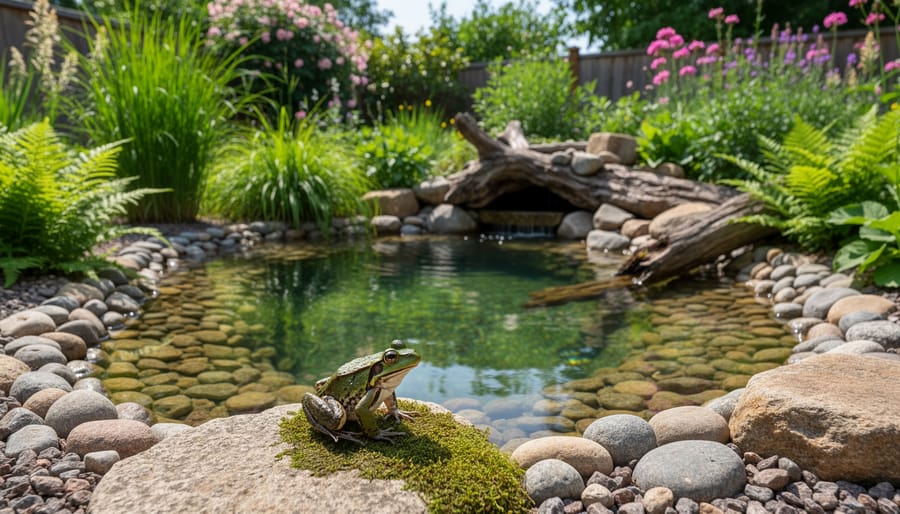
Most pond owners have similar questions when they first consider certification, and understanding the details upfront helps you decide if it’s the right move for your water garden.
Can I certify a koi pond or ornamental water feature?
Yes, though you’ll need to demonstrate wildlife value beyond the fish. Most programs look for native plants, shallow areas for amphibians, and features that support insects and birds, not just your koi.
Do small container water gardens qualify for certification?
Absolutely. Even a half-barrel water garden can qualify if it provides food, water, cover, and places to raise young for wildlife. Size matters less than habitat diversity.
How much does wildlife garden certification cost?
Fees vary by program. National Wildlife Federation charges around $20-$30, while some regional programs are free. Most include a certificate and optional yard sign for an additional fee.
What if wildlife doesn’t show up right away?
Give it time, sometimes six months or more. Wildlife discovers new habitats gradually, especially if you’ve just added native plants or shelter. Certification doesn’t require proof of specific visitors, just suitable habitat elements.
How often do I need to renew my certification?
Most certifications don’t require formal renewal, but you should maintain the habitat standards you documented. Some programs offer optional annual contributions to stay listed in their registries.
Can I certify a pond that uses a pump or filter?
Yes, mechanical systems are fine. Certification focuses on wildlife habitat features, not whether your pond is purely natural. Just avoid harmful chemicals and maintain safe water quality.
Another common worry is whether a pond that’s primarily decorative can meet wildlife standards. The good news is that aesthetic appeal and wildlife value often overlap, those same marginal plants and rock edges that look beautiful also provide exactly what certification programs seek. You don’t have to choose between a tidy, attractive pond and one that supports local species.
If you’re still maintaining fish in your water garden, that’s perfectly acceptable. The key is balancing your ornamental goals with habitat elements. A shallow plant shelf alongside your deeper fish zone, or a separate bog garden connected to your main pond, demonstrates that wildlife consideration. I’ve seen stunning koi ponds earn certification because the owners thoughtfully included frog-friendly zones and dragonfly perches.
Getting your water garden certified as a wildlife habitat is more than checking boxes on an application, it’s a meaningful way to recognize the difference you’re making for local ecosystems. Whether your pond hosts frogs, dragonflies, birds, or aquatic plants, certification validates your conservation efforts and connects you to a passionate community of wildlife gardeners who share your commitment.
The process itself is surprisingly approachable. Start by taking stock of what you’ve already created, the marginal plants, the varied depths, the natural edges. You’ll likely discover you’re closer to certification than you thought. Adding any missing elements becomes an enjoyable project rather than a chore, and documenting your water garden lets you see your pond through fresh eyes.
Once certified, you’ll join thousands of gardeners who’ve turned their backyards into sanctuaries. Display your certification with pride, share your journey with neighbors, and take satisfaction in knowing your water garden provides essential habitat. You’re not just maintaining a pond anymore, you’re stewarding a small piece of wilderness that supports life in ways both visible and hidden. That’s something worth celebrating.