
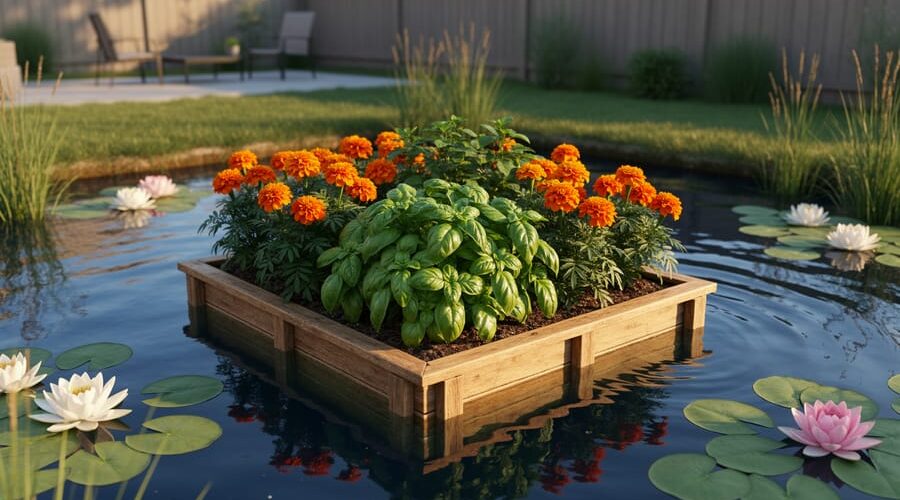
How the Aztecs Grew Food on Water (And What Your Backyard Pond Can Learn)
Picture floating gardens rising from ancient lake waters, bursting with vegetables, flowers, and herbs – all without a single drop of irrigation. The Aztecs mastered this five centuries ago with chinampas, rectangular garden beds anchored in shallow lake waters that fed crops from below while creating stunning waterside landscapes. These weren’t just farms; they were engineering marvels that turned swamps into thriving food systems and transformed water into the ultimate growing partner.
Today, you can capture this same magic in your backyard pond or water feature. The chinampa method offers modern gardeners a sustainable way to grow abundant plants while creating beautiful water gardens that practically maintain themselves. The water does the heavy lifting – delivering nutrients, regulating temperature, and eliminating the daily watering chore that exhausts traditional gardeners every summer.
Whether you’re working with a small pond, a repurposed container, or dreaming of a larger water garden installation, chinampa principles adapt beautifully to any scale. You’ll discover how ancient wisdom solves modern problems: water conservation, soil depletion, and limited growing space. This isn’t about recreating history – it’s about borrowing brilliant ideas that still outperform many contemporary growing methods. Ready to turn your water feature into a productive, gorgeous garden that honors centuries of indigenous innovation? Let’s explore how these remarkable floating gardens work and how you can build your own version this weekend.
What Were Aztec Water Gardens Really Like?
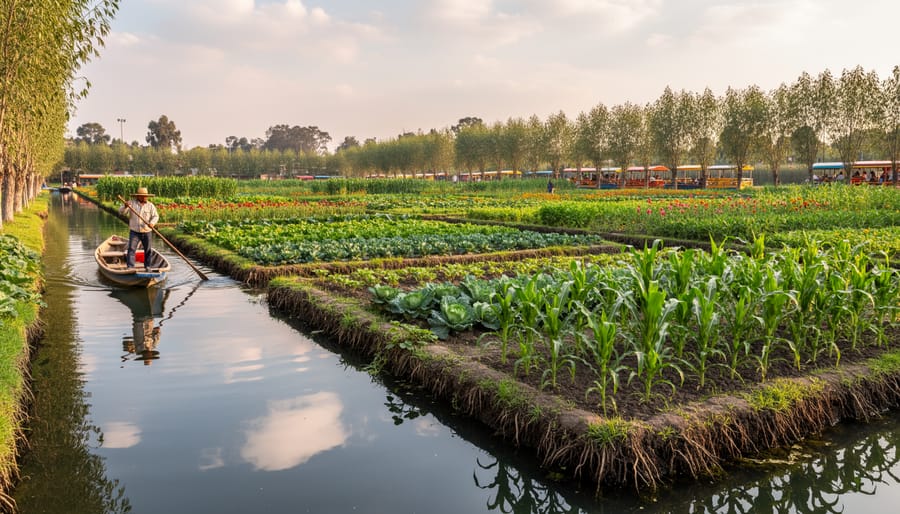
The Genius Behind Floating Gardens
Picture this: you’re standing ankle-deep in a shallow lake, and you need to create farmland. Sounds impossible, right? The Aztecs figured out an ingenious solution that would make any modern engineer jealous.
They started by weaving together long stakes made from willow or cypress trees, creating rectangular frames that could stretch anywhere from 10 to 300 feet long and about 10 to 30 feet wide. Think of it like building a giant basket right there in the water. These frames became the foundation for everything that followed.
Next came the filling process, and this is where it gets really clever. The Aztecs layered mud, decaying vegetation, and lake sediment into these frames. They’d literally scoop up the nutrient-rich muck from the lake bottom and pile it in. Between each layer, they’d add water plants and reeds to help bind everything together, kind of like adding rebar to concrete.
But here’s my favorite part: they planted willow trees along the edges. As these trees grew, their roots became living walls that held the entire structure together. It’s like nature’s own retaining wall system. The roots would intertwine and strengthen over time, making each garden more stable with every passing season.
The brilliant engineering didn’t stop there. These gardens sat just above the waterline, which meant the plants could draw moisture up through the soil naturally. No complicated irrigation needed. The lake provided constant hydration from below, while the decomposing organic matter created incredibly fertile soil that could support multiple harvests each year. The Aztecs essentially created self-watering, self-fertilizing raised beds centuries before we had garden centers selling similar concepts.
More Than Just Pretty Plants
Here’s what might surprise you most about Aztec chinampas – they weren’t just about growing food. They were complete, thriving ecosystems where everything worked together like a well-choreographed dance. And understanding this is the key to creating your own successful water garden.
The Aztecs grew an incredible variety of crops on their chinampas. Corn, beans, squash, tomatoes, chili peppers, and flowers all flourished in the rich, moist soil. But here’s where it gets interesting – they didn’t stop at plants. The canals between the raised beds teemed with fish and frogs, which provided protein and helped control mosquitoes. Talk about multitasking!
The secret sauce was the nutrient cycling. Fish waste fertilized the water, which then nourished the plants through their roots. The plants, in turn, filtered the water and provided shade that kept it cool for the fish. Aquatic plants like water lilies grew along the edges, offering additional filtration while their roots stabilized the chinampa walls. It was sustainable gardening before we even had a word for it.
Water flow played a crucial role too. The Aztecs designed their canals to allow gentle circulation, preventing stagnation while keeping nutrients evenly distributed. They’d regularly dredge nutrient-rich mud from the canal bottoms and spread it on their planting beds – nature’s perfect fertilizer, already broken down and ready to use.
This interconnected approach is something we can absolutely recreate in our backyards. When you think about your water garden as a complete ecosystem rather than just a collection of pretty plants and koi, you’re tapping into centuries of proven wisdom. The beauty of this system is that once it’s balanced, it practically maintains itself. The Aztecs knew that working with nature, not against it, always yields the best results.
Why Ancient Water Gardens Still Matter Today
Lessons in Sustainability We Forgot
Here’s what amazes me most about the Aztecs: they figured out sustainable farming centuries before we even coined the term “sustainability.” Their chinampa system was essentially a zero-waste operation that would make modern environmentalists weep with joy.
Think about it – they took lake muck, aquatic plants, and decomposing materials that would otherwise go unused and turned them into incredibly fertile growing beds. Nothing was wasted. The water plants they pulled from the canals became natural fertilizer, while the channels between gardens served as fish nurseries. Talk about working with nature instead of against it!
The water conservation aspect is brilliant too. Unlike traditional irrigation that loses water to runoff and evaporation, chinampas sat right in the water. Plants drew exactly what they needed through their roots, and any excess nutrients filtered back into the aquatic ecosystem. It’s a concept that connects beautifully with modern hydroponic approaches we’re rediscovering today.
And the biodiversity in water gardens? The Aztecs created entire ecosystems. Birds nested in the willows lining each plot, fish thrived in the canals, beneficial insects pollinated the crops, and microorganisms kept the soil healthy. They proved that productivity and environmental health aren’t opposites – they’re partners.
We’re essentially trying to relearn what they perfected long ago: work with natural cycles, eliminate waste, and let different species support each other.
Small-Space Growing That Actually Works
Here’s what makes chinampa-style growing perfect for modern backyards: you don’t need acres of land or pristine soil to get started. If you’ve got a small pond, a large container, or even a soggy corner of your yard that nothing seems to grow in, you’re already halfway there.
The Aztecs developed chinampas partly because they were working with challenging swampy terrain. Sound familiar? Those wet spots where grass won’t grow and traditional raised beds would rot? That’s chinampa territory. Instead of fighting your soil conditions, you work with them.
Here’s the practical magic: raised growing beds surrounded by water channels only need to be 3-6 feet wide. You can easily reach the center from either side without stepping on the soil, which means no compaction and healthier roots. I’ve seen amazing setups in backyards smaller than a two-car garage.
Poor soil quality doesn’t matter much either. You’re essentially creating new soil from compost, pond muck, and aquatic plants. That nutrient-rich mix from your pond? It’s garden gold. Every time you clean out algae or trim water plants, you’ve got fresh material to layer onto your growing beds.
The best part is the water does double duty. It irrigates your vegetables while your vegetables filter and clean the water naturally. In my own garden, the tomatoes growing beside my koi pond have never needed traditional watering, even during dry spells. The roots simply reach down toward that consistent moisture source, and everything thrives together.
Bringing Aztec Techniques to Your Water Garden
Creating Raised Planting Beds in Your Pond
Ready to bring ancient Aztec innovation to your backyard pond? Building raised planting beds inspired by chinampas is easier than you might think, and the results are absolutely stunning. I remember the first time I created one in my own pond—watching those vegetables grow right above the water surface felt like connecting with centuries of garden wisdom.
Start by choosing your location. For pond-edge beds, select a shallow area where water is about 6-12 inches deep. If you’re going the floating route, you’ll need deeper water with calm conditions. I always recommend starting with a stationary edge bed for your first attempt—it’s much more forgiving.
For materials, gather untreated lumber or composite decking boards (treated lumber can leach chemicals into your pond), landscape fabric, chicken wire, and waterproof wood glue or stainless steel screws. You’ll also need a mixture of compost, aged manure, and aquatic soil.
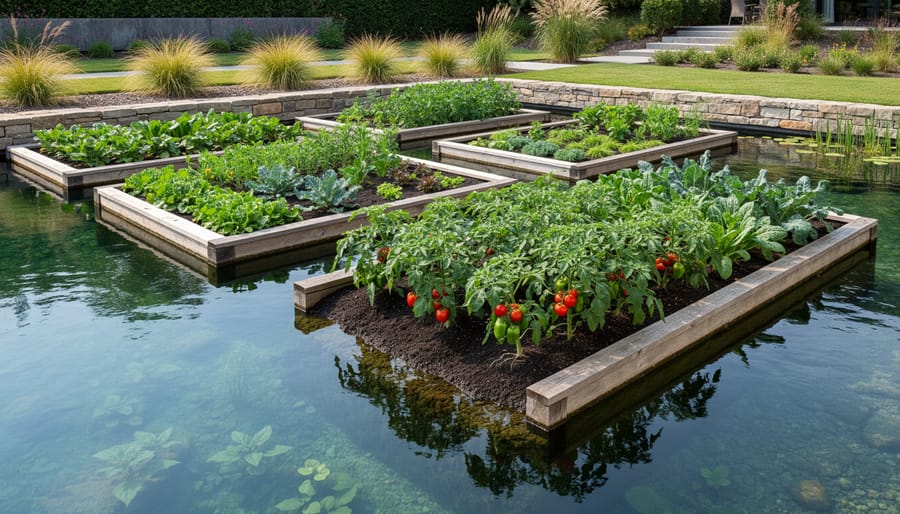
Begin by constructing a rectangular frame using your chosen lumber. Make it about 3-4 feet wide and as long as fits your space—my favorite starter size is 4×6 feet. Line the bottom and sides with landscape fabric, securing it with staples. This prevents soil loss while allowing water to seep through, just like the original chinampas.
Position your frame in the shallow water, anchoring it with stakes driven into the pond bottom. Fill the lined frame with alternating layers of compost and pond muck if available. Top it off with your soil mixture, mounding it slightly in the center for drainage.
For floating beds, attach sealed plastic barrels or foam blocks underneath your frame for buoyancy, then tether them securely to prevent drifting. Plant moisture-loving vegetables like lettuce, tomatoes, or herbs around the edges, keeping taller plants toward the center for stability.
The Plant-Fish Partnership
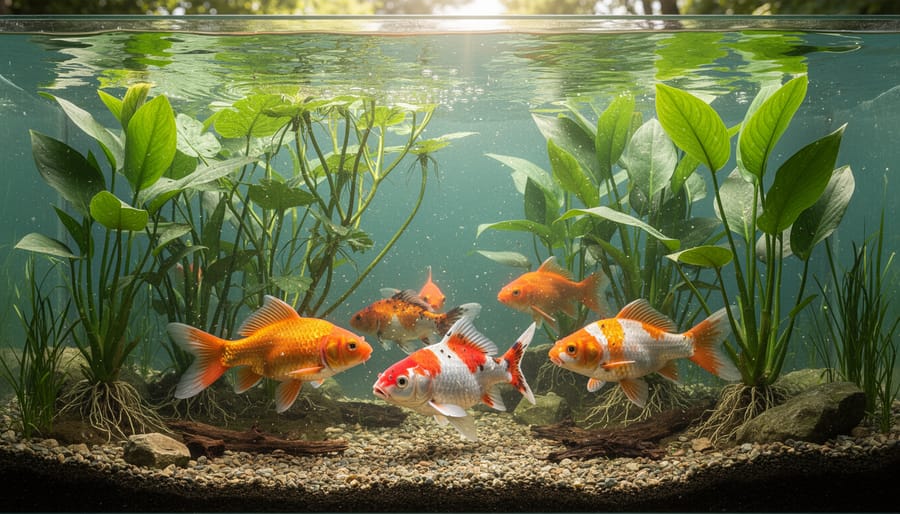
The ancient Aztecs understood something we’re just rediscovering today: fish and plants are natural partners that help each other thrive. In your water garden, you can recreate this beautiful relationship that made chinampas so productive.
Think of it as nature’s perfect trade agreement. Your fish produce waste that’s rich in nitrogen and other nutrients. Instead of becoming a problem, this waste becomes plant food. Meanwhile, your aquatic plants act as natural water filters, cleaning the water for your fish while providing shade and shelter. It’s a win-win situation that keeps your pond healthy with minimal effort on your part.
Start by choosing the right plants for your setup. Submerged plants like hornwort and anacharis are workhorses that oxygenate the water and absorb excess nutrients. Floating plants such as water lettuce and water hyacinth create shaded areas where fish love to hang out on hot days. Around the edges, plant marginals like cattails and pickerel rush. These recreate the lush borders of traditional chinampas while filtering water that flows past their roots.
For fish, goldfish and koi are popular choices that work wonderfully in this system. They’re hardy, produce plenty of nutrient-rich waste, and won’t damage your plants too aggressively. If you want to stay closer to the Aztec spirit, consider native species appropriate for your region.
The key is balance. Start with one inch of fish per square foot of water surface, then add plants generously. You’ll know you’ve got it right when your water stays clear without constant intervention. That’s the magic of the plant-fish partnership working exactly as the Aztecs intended centuries ago.
Natural Nutrient Cycling in Action
Here’s where the magic really happens – and trust me, once you see this system working, you’ll feel like an ancient Aztec engineer! The beauty of a chinampa-inspired water garden is that nature does most of the heavy lifting for you.
Start by stocking your pond with goldfish or koi. As they swim around living their best lives, they’re constantly producing ammonia-rich waste. Instead of being a problem that requires constant cleaning, this waste becomes plant food. The trick is finding the right balance – I usually recommend one inch of fish per square foot of water surface to start.
Your aquatic plants are the unsung heroes here. Their roots dangle in the water, absorbing those nutrients before they can build up and cause algae blooms. Water lettuce, water hyacinth, and cattails are particularly hungry feeders. I’ve watched my water lettuce double in size within weeks, all while keeping my pond crystal clear.
The cycle completes itself when beneficial bacteria colonize your plant roots and any gravel or rocks in your system. These microscopic helpers convert harmful ammonia into nitrites, then into nitrates that plants can easily absorb. It’s like having an invisible maintenance crew working around the clock.
Monitor your water occasionally with simple test strips, but resist the urge to over-intervene. The system needs time to establish its rhythm – usually about six weeks. Once balanced, you’ll spend less time maintaining and more time enjoying your thriving ecosystem.
Best Plants for an Aztec-Inspired Water Garden
Edible Plants That Thrive at the Water’s Edge
The beauty of Aztec-inspired water gardens is that you can grow food right alongside your pond! The raised bed structure keeps plant roots happy while the adjacent water provides natural moisture regulation. Here are my favorite edibles that absolutely love this setup.
Watercress is the superstar here. Plant it at the very edge where it can trail into the water, and you’ll have peppery greens within weeks. I always keep a patch growing because it’s practically maintenance-free and adds such a fresh kick to salads.
Tomatoes thrive in the rich, moist soil of raised beds near water. Cherry varieties like ‘Sweet 100’ work wonderfully because they don’t need as much space. The consistent moisture levels mean less stress about watering during hot spells.
Leafy greens such as lettuce, spinach, and chard are perfect choices. They appreciate the cooler microclimate created by nearby water and won’t bolt as quickly in summer heat. Plant them in succession every few weeks for continuous harvests.
Herbs are naturals for pond-side planting. Mint varieties should be contained in pots, but they love the moisture. Parsley, cilantro, and basil all flourish here too. The humidity seems to intensify their flavors beautifully.
Climbing beans and peas can use simple stakes in your raised beds, making excellent use of vertical space. They’ll reward you with fresh pods all season long.
For perfect plant combinations, consider mixing fast-growing radishes between slower crops like peppers. This companion planting approach maximizes your harvest space, just like the ancient Aztecs intended.
Aquatic Plants That Do Double Duty
The Aztecs knew what modern science has confirmed: the right plants are nature’s best water purifiers. When you choose aquatic plants for your water garden, you’re not just adding beauty—you’re building a living ecosystem that takes care of itself.
Water hyacinth and water lettuce float on the surface, their trailing roots acting like natural filters that grab onto excess nutrients and keep algae in check. I’ve watched my pond transform from murky to crystal-clear within weeks of adding these floating wonders. Just remember, in warmer climates these can spread quickly, so you’ll want to thin them out regularly.
Submerged plants like hornwort and anacharis are your oxygenation heroes. They work quietly below the surface, pumping oxygen into the water while providing shelter for beneficial bacteria and small aquatic creatures. Think of them as your pond’s lungs.
For the edges, pickerel rush and arrowhead plants create vertical interest while their root systems stabilize soil and filter runoff—exactly what the Aztecs needed for their chinampa borders. These marginal plants also give frogs and dragonflies perfect perching spots, bringing even more life to your garden.
The beauty of this approach? Once established, these plants work together, creating balance naturally.
Real Gardens Using These Ancient Ideas
A Backyard Pond That Grows Dinner
Meet Sarah from Portland, who transformed her struggling backyard pond into a thriving food system using Aztec-inspired principles. Three years ago, her ornamental pond was constantly murky and required endless maintenance. After researching chinampas, she decided to experiment with productive water gardening.
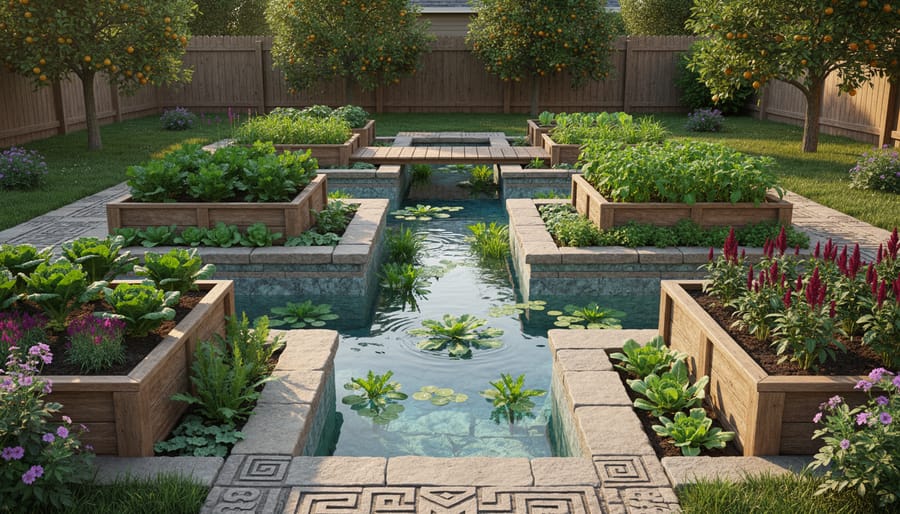
Sarah installed shallow raised beds around her pond’s perimeter using recycled lumber, filling them with nutrient-rich muck she dredged from the pond bottom mixed with compost. She planted watercress, mint, and taro directly in the water, while tomatoes, peppers, and herbs flourished in the beds above. Willow cuttings provided natural edging that doubled as basket-weaving material.
The transformation amazed her. The plants naturally filtered the water, eliminating her algae problem completely. Her fish thrived on fallen insects and plant matter, and she harvested both vegetables and freshwater prawns by summer’s end. What started as a decorative feature now produces fresh ingredients year-round while requiring less work than before.
Sarah’s favorite part? Harvesting dinner just steps from her kitchen while watching dragonflies hover over crystal-clear water. She’s proof that ancient wisdom works beautifully in modern backyards.
Community Projects Reviving Old Wisdom
Around the world, innovative groups are breathing new life into ancient chinampa wisdom through community water garden projects. In Mexico City, the Yolcan cooperative works to restore and maintain traditional chinampas in Xochimilco, teaching visitors sustainable farming methods that have endured for centuries. Meanwhile, urban farms in California and Arizona are adapting these techniques to create productive raised-bed gardens surrounded by water channels, combining food production with beautiful aquatic plantings.
Educational institutions are getting involved too. Several schools have built miniature chinampa systems as outdoor classrooms where students learn about ancient engineering, ecology, and sustainable food systems. These hands-on spaces help kids understand how innovative water management can solve modern problems while honoring indigenous knowledge.
Even backyard enthusiasts are joining in. Home gardeners are creating scaled-down versions using stock tanks or small ponds with raised beds, proving you don’t need vast wetlands to benefit from this brilliant system. These projects demonstrate that ancient wisdom can thrive in contemporary spaces, inspiring us all to think differently about water, gardens, and sustainability.
Common Challenges and How to Solve Them
What Works in Different Climates
The beauty of Aztec water gardens is their adaptability! The original chinampas thrived in subtropical Mexico City, but you can embrace these techniques anywhere with a few smart tweaks.
In warmer zones (8-11), you’re in luck! These climates mirror the original growing conditions, so you can experiment with year-round vegetables like tomatoes, peppers, and squash. Your water channels will need shade covers during scorching summers to prevent excessive evaporation and algae blooms.
For cooler climates (zones 4-7), think seasonally. I’ve had great success building smaller, portable chinampa beds that I can protect during frost. Focus on cool-weather crops like lettuce, kale, and herbs during spring and fall. Consider incorporating climate-appropriate water garden design principles to extend your growing season.
Arid regions benefit tremendously from this water-conserving method since the surrounding canals reduce irrigation needs dramatically. The key is mulching heavily to minimize moisture loss.
Remember, the Aztecs were master adapters who worked with their environment, not against it. Observe your local conditions, start small, and adjust as you learn what thrives in your unique space.
Keeping the Balance Without Constant Fussing
Here’s the wonderful truth about Aztec-inspired water gardens: they’re designed to largely take care of themselves! The ancient farmers understood something we’re just rediscovering – balanced ecosystems need surprisingly little interference.
Think of yourself as a gentle guide rather than a micromanager. Check your garden weekly during growing season, but resist the urge to tinker constantly. A little algae on the edges? That’s actually beneficial, providing food for insects and helping filter water naturally. Only intervene when you see thick mats forming or water turning pea-soup green.
Seasonal changes are your friend, not your enemy. In fall, let some plant matter decompose naturally – it feeds your system just like in traditional chinampas. Come spring, remove excess debris but leave those nutrient-rich bottom layers alone.
The key question I always ask myself: “Is this actually a problem, or does it just look different than I expected?” Nature rarely needs rescuing. Add fresh water during hot months to replace evaporation, thin out overgrown plants when they crowd each other, and trust the system you’ve created.
When fish seem sluggish or plants yellow dramatically, then step in. Otherwise, observe more and fuss less. Your Aztec garden will reward your patience with a thriving, self-sustaining ecosystem that practically runs itself.
You’ve learned how the ancient Aztecs mastered the art of growing food on water, creating floating gardens that fed an entire empire. Now it’s your turn to bring a piece of that wisdom into your own backyard. The beauty of Aztec-inspired water gardening is that you don’t need to be an expert or have acres of space to get started. Even a small pond or container water garden can become your personal chinampa experiment.
Starting small is the secret to success. Try floating a single planter in your existing pond, or dedicate just one corner to testing these techniques. Plant some lettuce, herbs, or flowers and watch how they respond to the constant water access. You’ll quickly discover what the Aztecs knew centuries ago: plants absolutely thrive when their roots have direct access to nutrient-rich water.
There’s something deeply satisfying about connecting with methods that have sustained communities for generations. When you harvest tomatoes from your floating garden or cut fresh herbs grown on your miniature chinampa, you’re participating in a tradition that spans continents and centuries. You’re also creating a garden that’s both stunning to look at and genuinely productive, giving you flowers and food from the same space.
Don’t worry about perfection on your first try. Every water gardener learns through experimentation, and that’s part of the joy. Start this weekend, keep it simple, and let your curiosity guide you. Your water garden adventure awaits.