
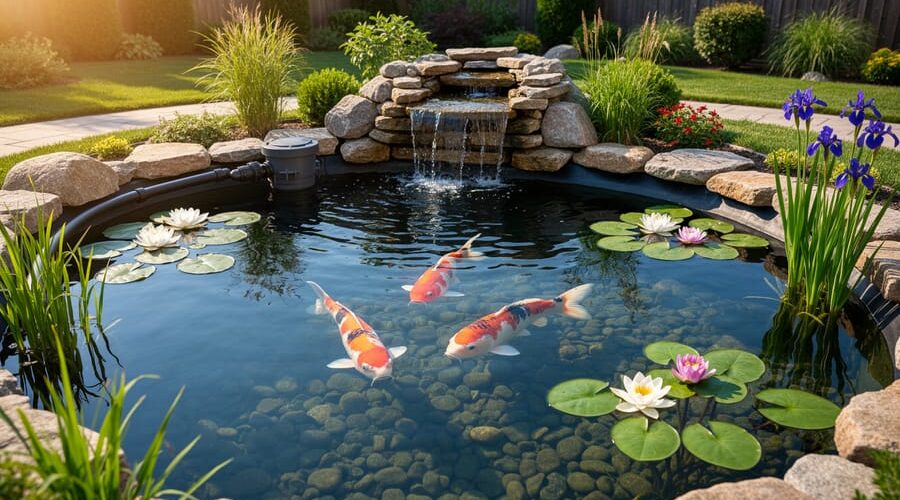
Greenwater Just Saved My Pond (Here’s What It Actually Does)
That green soup floating in your pond isn’t just unsightly—it’s a sign your water ecosystem needs help. I learned this the hard way three summers ago when my backyard pond transformed from crystal clear to pea green in just two weeks. What I discovered through research and community forums changed everything: greenwater technology encompasses a range of proven methods that tackle the root cause of algae blooms rather than just treating symptoms.
The most effective solutions combine UV clarifiers, which use ultraviolet light to clump algae particles for easy removal, with proper biological filtration that starves algae of nutrients. Add strategic pond plants that compete with algae for those same nutrients, and you’ve got a three-pronged attack that actually works long-term.
Understanding which technology fits your specific pond size, fish load, and budget makes all the difference between wasting money on temporary fixes and creating lasting clarity. The good news? You don’t need a degree in aquatic science to implement these solutions—just the right information and a willingness to take consistent action. Let’s dive into what actually works, backed by real experiences from fellow pond enthusiasts who’ve won the battle against greenwater.
What Greenwater Technology Really Means for Your Pond
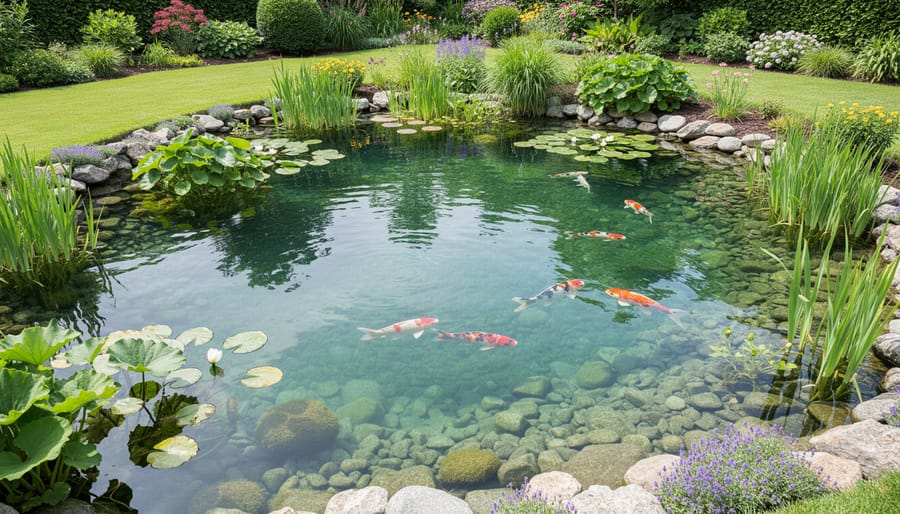
The Green vs. Green Problem
Let me clear up something that confuses a lot of folks when they first dive into researching pond problems online. When you search for greenwater technology, you’re actually stepping into a naming quirk that trips up even experienced water gardeners.
Here’s the deal: greenwater itself refers to that pea-soup appearance in your pond caused by millions of microscopic algae floating around. It’s the problem, not the solution. But greenwater technology is the complete opposite – it’s the umbrella term for all the methods and equipment we use to combat that algae bloom and restore crystal-clear water.
Think of it like this: if you had a mouse problem in your house, the mice are the issue, but mouse control technology would be your traps, deterrents, and prevention methods. Same concept here.
This confusion pops up constantly in water gardening forums, and I’ve seen newcomers get really frustrated trying to figure out if greenwater is something they should want or avoid. The answer is simple: greenwater in your pond is what you’re trying to fix, and greenwater technology is your toolkit for fixing it. Throughout this guide, when I mention greenwater technology, I’m always talking about the solutions – UV clarifiers, beneficial bacteria, filtration upgrades, and natural balance methods that actually work to clear your water.
How This Tech Actually Works
Here’s the thing about greenwater technology – it’s really just working with nature instead of against it. When your pond turns that murky green soup color, you’re dealing with microscopic algae having a population explosion. The tech we use tackles this in three main ways.
First up is UV clarification, which sounds fancy but it’s basically a special light bulb inside a tube that your pond water flows through. As those tiny algae cells pass by the UV light, it zaps their ability to reproduce and causes them to clump together so your filter can catch them. Think of it like a security checkpoint for unwanted guests.
Biological filtration is your pond’s natural cleanup crew. Special filter media provides a home for beneficial bacteria that compete with algae for nutrients. These good bacteria are like having a garden helper who eats the same food the weeds need – starve out the problem naturally.
The balance approach combines these methods with plants, proper fish stocking, and smart feeding habits. It’s about creating an ecosystem where algae just can’t get the upper hand. I learned this the hard way after years of battling green water – once I stopped fighting and started balancing, my pond practically took care of itself.
Three Greenwater Solutions the Community Swears By
UV Clarifiers: The Fast Fix
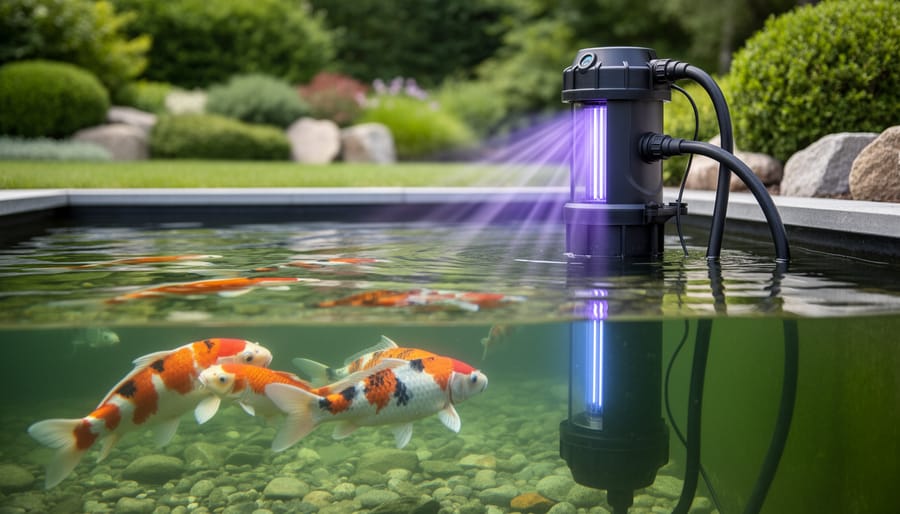
When your pond looks like pea soup, a UV clarifier might just be your new best friend. These devices work like magic – well, science actually – by exposing water to ultraviolet light as it flows through. The UV radiation disrupts algae cells at the microscopic level, causing them to clump together so your filter can catch them. Think of it as stunning the algae into submission.
Choosing the right size is crucial. Most manufacturers rate their units by pond volume, but here’s a community tip: always go one size up, especially if your pond gets full sun. A 2000-gallon pond? Get the 3000-gallon unit. You’ll thank yourself later.
Installation is straightforward for most DIYers. Mount the UV unit after your pump but before your filter. Water flows through a clear tube surrounding the UV bulb, gets zapped, and continues on its way. Many people integrate these with smart pond filters for even better results.
Expect to see clearer water within five to seven days – seriously! It’s that dramatic. One forum member called it “watching my pond transform from swamp to swimming pool clarity.”
Remember to replace your UV bulb annually. They lose effectiveness over time even if they’re still glowing. Mark your calendar when you install it, because a year flies by faster than you’d think.
Beneficial Bacteria Boosters
Nature has its own cleanup crew, and beneficial bacteria are your pond’s best friends when fighting greenwater! These microscopic helpers work behind the scenes, breaking down organic waste that algae love to feed on. By reducing those nutrients, you’re essentially cutting off the algae’s food supply.
I discovered beneficial bacteria products during my second summer of pond ownership, after watching my crystal-clear water turn pea-soup green seemingly overnight. The difference was remarkable within two weeks of regular treatment.
Look for products containing nitrifying bacteria strains like Nitrosomonas and Nitrobacter. These powerhouses convert harmful ammonia into less toxic compounds while starving out algae. Most come in liquid or powder form, making application super simple. Just pour the recommended dose near your waterfall or filter intake, and let them get to work.
For best results, add beneficial bacteria weekly during warm months when algae thrives most aggressively. Water temperature above 50°F helps bacteria colonize faster. You can also create a DIY bacteria booster by adding a handful of finished compost wrapped in mesh near your filter, though commercial products offer more concentrated, pond-specific strains.
Remember, patience is key. Unlike UV clarifiers, bacteria need time to establish colonies and show results.
Plant-Powered Systems
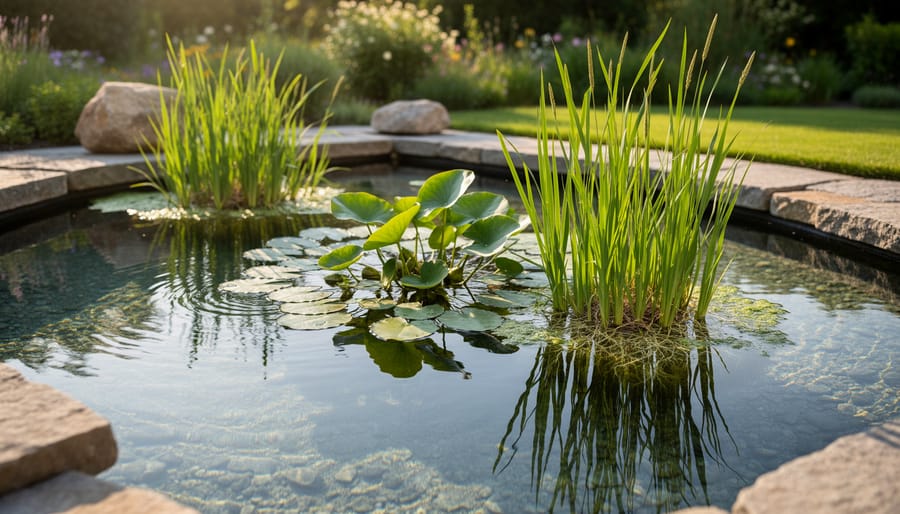
Nature gives us an incredible filtration system—aquatic plants! I’ve watched my own pond transform from murky green to crystal clear just by adding the right plants. Here’s the thing: plants compete with algae for the same nutrients, and when you give plants the advantage, algae loses.
Bog filters are game-changers. These are planted areas where water flows through plant roots before returning to your pond. The roots act like tiny water treatment factories, removing nutrients that would otherwise feed algae. You can build one alongside your pond using gravel, waterproof liner, and marginal plants like iris, rushes, and pickerel weed.
For in-pond solutions, submerged plants like hornwort and anacharis are fantastic oxygen producers and nutrient hogs. Floating plants such as water lettuce and hyacinth shade the water, making it harder for algae to photosynthesize. The key is choosing plants suited to your climate and pond size—smart aquatic plant selection makes all the difference.
Start with covering about 60-70% of your pond’s surface with plants. It might look crowded initially, but you’ll notice clearer water within weeks as your plants establish themselves and outcompete the algae.
What Worked in My Pond (And What Didn’t)
I’ll be honest with you—my first attempt at greenwater technology was a complete disaster. I bought an expensive UV clarifier thinking it would magically solve my pea-soup pond problem overnight. Spoiler alert: it didn’t. I made the classic beginner mistake of buying a unit that was way too small for my 2,000-gallon pond. I watched my wallet get lighter while my water stayed stubbornly green for weeks.
What finally turned things around was actually slowing down and doing some homework. I upgraded to a properly sized UV unit (my pond needed at least 55 watts, not the wimpy 18-watt model I initially purchased), and I also addressed my real problem: overfeeding my fish. Turns out, technology can’t fix bad habits. Within two weeks of combining the right-sized UV clarifier with better feeding practices and adding more aquatic plants, my water transformed from murky green to crystal clear.
The barley straw experiment was my cheapest success story. I spent about fifteen dollars on a bale, tossed a mesh bag of it in the pond, and waited. It took roughly three weeks, but the green gradually faded. The downside? It looked a bit messy floating there, and I had to replace it every few months. Still, for the price, I can’t complain.
My biggest “what didn’t work” moment was trying to use pool chemicals someone recommended on a forum. Please learn from my mistake—don’t do this. I nearly wiped out my entire fish population and had to do emergency water changes for days. Stick with pond-specific solutions.
The lesson I learned through all this trial and error? Greenwater technology works best as part of a balanced approach. You need the right equipment size, good pond maintenance habits, and realistic expectations. There’s no single magic bullet, but combining methods really does deliver results.
Choosing the Right Tech for Your Water Garden
Small Ponds vs. Large Ponds
Your pond size really matters when choosing the right greenwater technology! For smaller ponds under 500 gallons, a quality UV sterilizer paired with a decent mechanical filter usually does the trick. Think of it as your one-two punch against algae. I’ve seen ponds this size clear up beautifully with just a 15-watt UV unit.
Medium ponds between 500 and 2,000 gallons benefit from upgrading to pressurized filters with built-in UV chambers. These combo units save space and work efficiently together. You might also consider adding beneficial bacteria treatments to support your filtration.
For larger ponds over 2,000 gallons, you’ll want robust systems with higher wattage UV units, multiple filtration stages, and possibly protein skimmers. Some pond keepers I know swear by adding natural filtration zones with plants to supplement mechanical systems. The investment is bigger, but it’s proportional to your water volume. Remember, undersized equipment just means constant frustration and green water returning every few weeks.
Budget-Friendly Starting Points
You don’t need to break the bank to start tackling green water! I began my journey with a simple DIY barley straw method, costing less than $10. Just pop some barley straw in an old mesh laundry bag and float it in your pond. It releases natural compounds as it decomposes that help control algae over time.
Another fantastic starter option is adding more aquatic plants, particularly fast-growing varieties like water hyacinth or hornwort. They compete with algae for nutrients and cost just a few dollars each. I picked up three bunches of hornwort for $15, and within weeks, my water clarity improved noticeably.
For those ready to invest a bit more, consider a basic UV clarifier starting around $50-80. Combined with smart water garden technology choices, these small steps create big changes. Remember, patience is your friend here. Natural solutions take a few weeks to show results, but they’re gentle on your wallet and your pond’s ecosystem.
Common Mistakes to Avoid
Let me share some hiccups I’ve seen fellow water gardeners encounter—and yes, I’ve stumbled into a few myself!
The biggest mistake? Throwing money at equipment before understanding your pond’s actual needs. I watched my neighbor install three UV clarifiers thinking more equals better, when his real issue was overfeeding his fish. Start small and observe how your pond responds before investing in the complete arsenal.
Another common slip-up is the “set it and forget it” mentality. I learned this the hard way when my UV bulb stopped working after a year, and I didn’t notice for months because it still lit up. Those bulbs lose effectiveness even when they look fine, so mark replacement dates on your calendar.
Expecting overnight miracles ranks high on the mistake list too. When I first tackled greenwater with beneficial bacteria, I was checking hourly like watching water boil. These natural solutions need patience—typically two to four weeks to show real improvement. If you’re dealing with various common pond problems, remember that sustainable fixes take time.
Finally, don’t ignore the basics while focusing on fancy technology. No amount of equipment compensates for poor filtration, inadequate aeration, or overstocking fish. I’ve seen pristine ponds maintained with simple setups because the fundamentals were rock-solid.
The good news? These mistakes are all fixable and part of the learning journey. Every experienced pond keeper has been there!
You’ve come such a long way in understanding greenwater technology, and I want you to know something important: crystal-clear water really is achievable. I’ve been exactly where you might be right now, staring at a green pond and wondering if it’ll ever look beautiful again. The good news? With the right approach and a bit of patience, you’ll get there.
Remember, every pond is unique, and what works perfectly for your neighbor might need tweaking for your situation. That’s completely normal and part of the journey. The technologies we’ve explored today, from UV clarifiers to beneficial bacteria, are all proven tools that thousands of pond enthusiasts have used successfully.
Here’s where I’d love to hear from you. Head over to our community forum and share your own greenwater battles and victories. What’s working in your pond? What challenges are you facing? Your experience could be exactly what another pond keeper needs to hear today. We’re all learning together, and there’s something incredibly encouraging about knowing you’re not alone in this.
Keep going, stay patient with the process, and don’t hesitate to reach out when you need support. Your clear water success story is waiting to happen.