
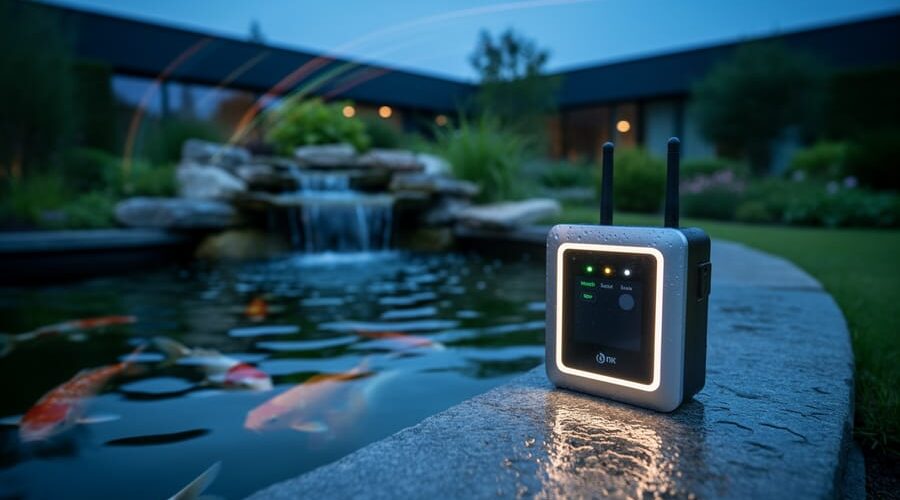
Why Your Smart Pond Needs Protection From Tomorrow’s Hackers
Your smart pond controller, the one you access from your phone to adjust fountain timers and monitor water quality, could become vulnerable to a type of hacking that doesn’t even exist yet—but it’s coming. Quantum computers, machines that work fundamentally differently from the laptop on your desk, are advancing rapidly, and they’ll eventually crack the encryption protecting your pond system’s wireless connections, login credentials, and data.
Before you panic and disconnect everything, understand this: quantum threats to home pond systems won’t materialize overnight. Experts predict another 5-10 years before these machines pose real risks to consumer devices. But here’s what matters now—the passwords and security protocols you’re using today could be harvested by hackers and stored until quantum computers can break them open like a time capsule.
Think of current encryption as a incredibly complex combination lock. Your pond controller uses this lock every time it communicates with your phone or the cloud. Today’s computers would need centuries to guess the combination. Quantum computers might do it in hours.
The good news? You don’t need a degree in physics to protect your pond investment. Simple steps taken now—updating firmware regularly, switching to quantum-resistant security options as manufacturers release them, and using stronger authentication methods—will shield your system from both current and future threats. This technology shift isn’t about fear; it’s about staying one step ahead, just like you do when maintaining balanced, healthy pond water throughout the seasons.
What Exactly Are Smart Ponds (And Why Hackers Care)
The Devices That Make Your Pond ‘Smart’
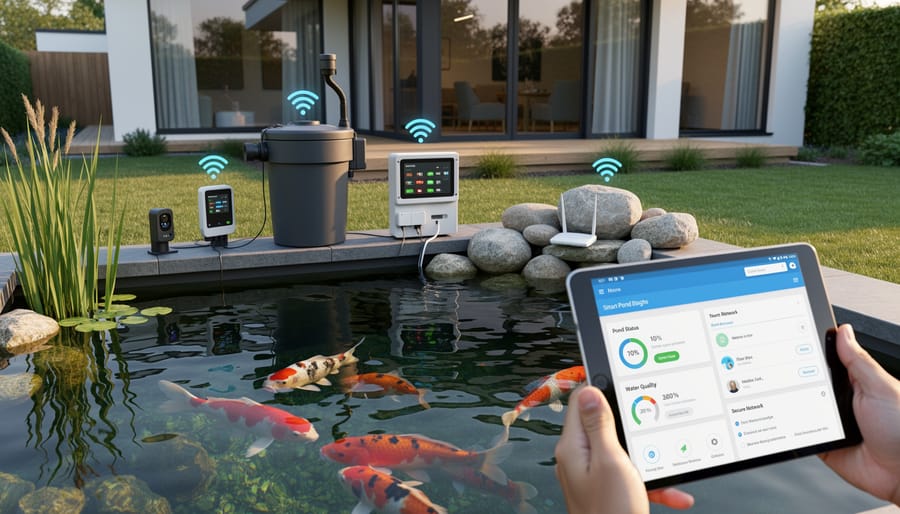
Before we dive into quantum computing threats, let’s get familiar with the smart technology already working in your pond. These smart pond IoT devices connect to your home WiFi network, allowing you to monitor and control your pond from anywhere using your smartphone.
WiFi-enabled pumps are game-changers, letting you adjust water flow remotely and set schedules that keep your pond circulating efficiently. pH and temperature sensors continuously check water quality, sending alerts when levels drift outside the ideal range for your fish and plants. Automatic feeders dispense precise portions at scheduled times, perfect for when you’re away on vacation. Water level monitors notify you about evaporation or leaks before they become problems.
Most of these devices connect through monitoring apps that bring everything together in one dashboard. You can track trends, receive notifications, and make adjustments with a few taps. While this convenience is wonderful, each connected device is a potential entry point that future quantum computers might exploit, which is why understanding these vulnerabilities matters for protecting your water garden investment.
What Hackers Could Actually Do to Your Pond
Let’s talk real scenarios here, friend. If someone actually breached your smart pond system, what could they do? The truth is, most pond security threats fall into three categories.
First, the nuisance level: imagine someone remotely turning your pond lights into a disco show at 3 AM, or cranking your fountain to maximum spray, soaking your patio furniture. Annoying? Absolutely. Dangerous? Not really.
Then there’s the intermediate threat: tampering with your automatic feeder to overfeed your koi (causing water quality issues), or shutting off your pump during hot weather. This could stress your fish and create algae blooms, requiring some cleanup and monitoring.
The serious scenario involves life-support systems. If you have expensive koi and rely on automated aeration or filtration with remote monitoring, someone could disable these systems. In summer heat or winter cold, this could genuinely threaten fish health within hours.
Here’s the reassuring part: these attacks require someone to specifically target your pond, which is unlikely unless you’re managing a commercial operation. Random hackers aren’t cruising neighborhoods looking for backyard ponds to mess with. Still, understanding these possibilities helps you make smart security choices without losing sleep over your goldfish.
Quantum Computing Explained (Without the Headache)
Think of It Like This: The Difference Between a Flashlight and the Sun
Think of your regular computer like a flashlight searching through a dark warehouse. It checks each box one at a time, shelf by shelf, until it finds what it needs. Sure, it’s pretty fast, but it still has to go in a specific order. Now, quantum computers? They’re like the sun suddenly lighting up that entire warehouse at once. They can peek at all the boxes simultaneously.
Here’s where it gets interesting for your smart pond system. When your pond controller creates a password, it’s like hiding a key in one of millions of boxes. Your regular computer flashlight would take years, maybe centuries, to check every box. But a quantum computer’s sunshine approach could spot that key much faster by examining multiple possibilities at the same time.
The good news? We’re not quite at full-strength sunshine yet. Today’s quantum computers are more like a really bright camping lantern, powerful but not unstoppable. They’re growing brighter every year, though, which is why experts are paying attention and developing new locks for our digital doors.
The Password-Breaking Problem
Think of your smart pond equipment like a locked diary with a secret combination. Right now, the “locks” protecting your pond controller, automatic feeder, and water quality sensors use mathematical puzzles so complex that regular computers would need millions of years to solve them. That’s what keeps your login credentials and pond data safe.
Here’s where quantum computers change the game. Unlike regular computers that check one combination at a time, quantum computers can test millions of possibilities simultaneously. Imagine having a super-powered key that could try every combination on your pond system’s lock at once, instead of going through them one by one.
The encryption protecting your pond devices today, like the passwords and security codes you use to access your equipment remotely, relies on these time-consuming puzzles. But a powerful quantum computer could potentially crack these codes in hours rather than millennia. It’s like the difference between picking a lock with a single paperclip versus having a master key that opens everything instantly.
The good news? We’re not there yet, and the pond tech industry is already working on quantum-resistant solutions.
The Timeline: When Should Pond Owners Actually Worry?
Good news, pond friends – you can breathe easy for now! Think of quantum computing threats like that ambitious pond expansion project you’ve been planning. You know it’s coming eventually, but you’re not breaking ground tomorrow.
Most experts agree that quantum computers powerful enough to crack current encryption won’t be ready for at least 5-10 years, possibly longer. Your smart pond controller and automated feeders aren’t exactly high-value targets for cybercriminals wielding expensive, experimental quantum technology anyway. It’s like worrying about someone using a NASA telescope to peek at your koi – theoretically possible but wildly impractical.
Here’s the realistic perspective: Large corporations, government agencies, and financial institutions are the primary targets. Your backyard pond setup, while precious to you, simply doesn’t warrant that level of sophisticated attack. Cybercriminals go where the big payoffs are, and unless you’re running a commercial fish farm with millions in revenue, you’re not keeping them up at night.
That said, preparation is like spring pond maintenance – better done gradually than in a last-minute panic. As manufacturers release security updates for your smart pond devices, install them. When you eventually replace aging equipment, choose products with modern encryption standards. Consider it future-proofing, similar to how you’d install adequate filtration from the start rather than upgrading later.
The key takeaway? Stay informed, but don’t lose sleep. Focus on basic security practices now, and the quantum-resistant future will arrive with plenty of warning.
How Quantum Computing Can Actually Help Protect Your Pond
Quantum-Safe Encryption Coming to Consumer Devices
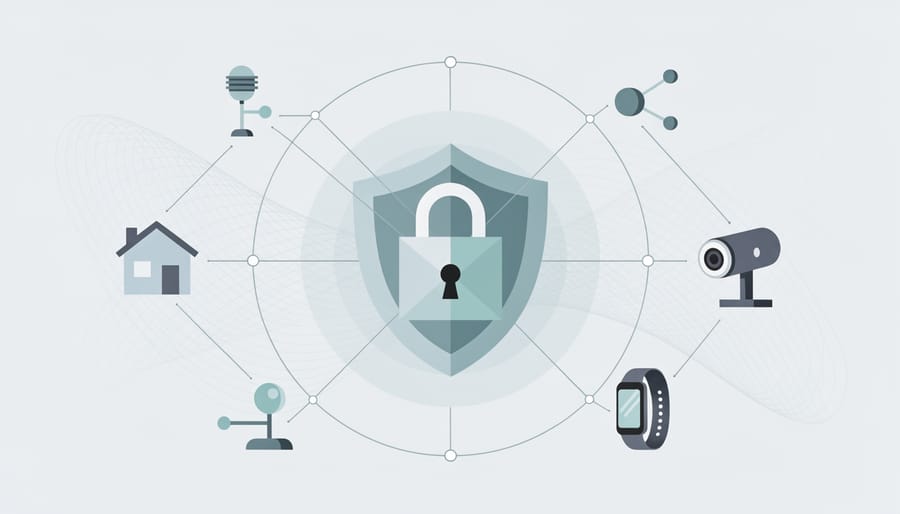
Good news for all of us pond enthusiasts who’ve embraced smart technology! Security experts worldwide are working hard to develop quantum-safe encryption standards that will protect our devices well before quantum computers become a real threat. Think of it as getting your umbrella ready before the storm clouds even appear.
Organizations like NIST (the National Institute of Standards and Technology) are already testing new encryption methods that even quantum computers won’t be able to crack. These new standards will gradually roll out to consumer devices over the next few years, much like how your smartphone automatically updates its security features in the background.
For your smart pond equipment, this means manufacturers will eventually update their systems with quantum-resistant encryption through regular firmware updates. It’s the same process you’re already familiar with when your pond controller or automated feeder gets a software update. The best part? Most of this protection will happen automatically, without you needing to become a cybersecurity expert.
In the meantime, focus on protecting your smart pond with the tried-and-true security practices we already have available today.
Better Threat Detection Through Quantum Technology
Here’s the good news: quantum computing isn’t just a threat to your smart pond system – it can actually become your best defender! Think of quantum computers as incredibly fast security guards who can spot troublemakers in a crowd much quicker than regular guards.
Traditional computers checking your pond’s network for threats work like going through a to-do list one item at a time. Quantum computers, however, can examine multiple possibilities simultaneously, identifying suspicious activity on your WiFi-connected pumps or monitoring systems in seconds rather than hours. This means if someone tries to hack into your smart pond controller, quantum-powered security tools could catch them before they cause any damage.
For pond owners, this technology could eventually mean security systems that automatically detect when your devices are being targeted, sending you instant alerts on your phone. While these quantum security solutions are still being developed, they’ll likely arrive alongside any quantum threats, keeping your water garden safe without requiring you to become a tech expert.
What You Can Do Right Now to Future-Proof Your Smart Pond
Choose Devices With Security Updates in Mind
When shopping for smart pond equipment, think of it like choosing a smartphone – you want a manufacturer who’ll stick with you for the long haul. Before clicking “buy,” visit the company’s website and look for their security update policy. The best manufacturers clearly state how long they’ll support devices with security patches, ideally at least 3-5 years.
Check product reviews and forums where other pond owners share their experiences. Has the company actually delivered on promised updates? Do they communicate openly when vulnerabilities are found? These are green flags that show they take security seriously.
While true quantum-resistant features are still emerging, some forward-thinking companies are already designing systems with upgradeable firmware architecture. This means when quantum-safe encryption becomes standard, your device can receive those updates rather than becoming obsolete. It’s like future-proofing your investment.
I learned this lesson the hard way when my first smart pond monitor stopped receiving updates after just one year. The manufacturer had gone silent, leaving me with a device that couldn’t connect securely. Now I always research the company’s track record before purchasing. Look for established brands with dedicated customer support teams and active development communities – they’re more likely to navigate the quantum computing transition alongside you.
The Simple Security Habits That Make a Big Difference
While quantum computers won’t crack your pond’s security tomorrow, building solid habits today means you’ll be protected now and ready for whatever comes next. Think of it like maintaining your pond filter – regular upkeep prevents bigger problems down the road.
Start with passwords. Instead of “Pond123,” create something like “BlueDragonfly!Swims2024.” Even better, use a password manager to generate unique passwords for each device. I learned this lesson after using the same password everywhere – not my proudest moment!
Next, segment your network. Keep your smart pond equipment on a separate Wi-Fi network from your main home devices. Most modern routers let you create a “guest network” in about five minutes. It’s like having separate gates for different garden areas – if one gets compromised, the others stay secure.
Finally, enable automatic updates wherever possible. Your pond controller, smartphone app, and home router all need regular patches. Set aside the first Sunday of each month for smart pond maintenance and quick security checks. These small steps create layers of protection that’ll serve you well, whether facing today’s threats or tomorrow’s quantum challenges.
Setting Up Your Network the Smart Way
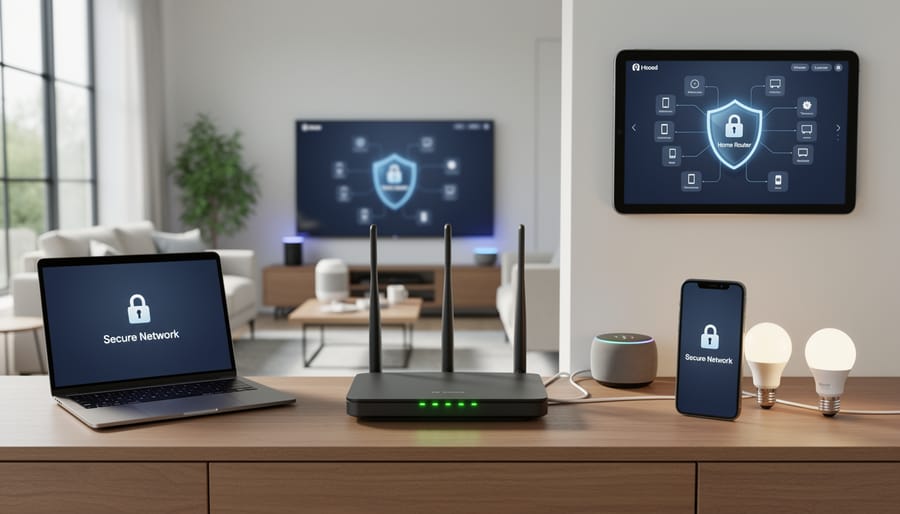
Think of your home network like the fence around your pond – you want to keep the good stuff in and the unwanted visitors out! Start with your router, which acts as the gatekeeper. Change that default password right away (yes, the one that came printed on the sticker). Choose something strong that you’ll remember, like combining your favorite fish name with numbers.
Here’s a game-changer: set up a separate guest network just for your smart pond devices. Most modern routers let you do this in the settings menu. This way, if someone hacks your pond pump controller, they can’t access your personal computer or phone. It’s like having a separate gate for pond maintenance workers.
While you’re in those router settings, enable WPA3 encryption if available, or at least WPA2. Think of this as upgrading from a chain-link fence to a solid privacy fence. Also, turn off features you don’t need, like remote management, unless you specifically use them. The fewer doors open, the fewer ways in for troublemakers!
Here’s the truth about quantum computing and your smart pond: yes, it’s a real technology that will eventually change cybersecurity, but no, you don’t need to panic or disconnect your beloved pond system today. Think of it like knowing a big storm might come someday—you prepare thoughtfully, but you don’t abandon your beautiful water garden.
The most important takeaway? Quantum computers powerful enough to break current encryption are still years away, and the security industry is already working on solutions. Your smart pond equipment manufacturers will update their systems long before quantum threats become real. In the meantime, the practical security steps we’ve discussed—strong passwords, regular updates, monitoring your network—protect you against the threats that actually exist right now.
Remember, smart pond technology has brought us incredible benefits: perfect water balance, healthier fish, less maintenance hassle, and more time to simply enjoy our outdoor spaces. Don’t let fear of future technology steal the joy from today’s innovations.
Stay informed by occasionally checking for firmware updates and following news from your device manufacturers. But mostly, focus on what matters most: watching your koi glide through crystal-clear water, listening to your fountain’s peaceful sounds, and sharing your thriving pond with friends and family. Technology should enhance these moments, not create worry. You’ve got this, and your smart pond is in good hands—yours.