
Why Your Pond Water Stays Crystal Clear (Or Doesn’t)
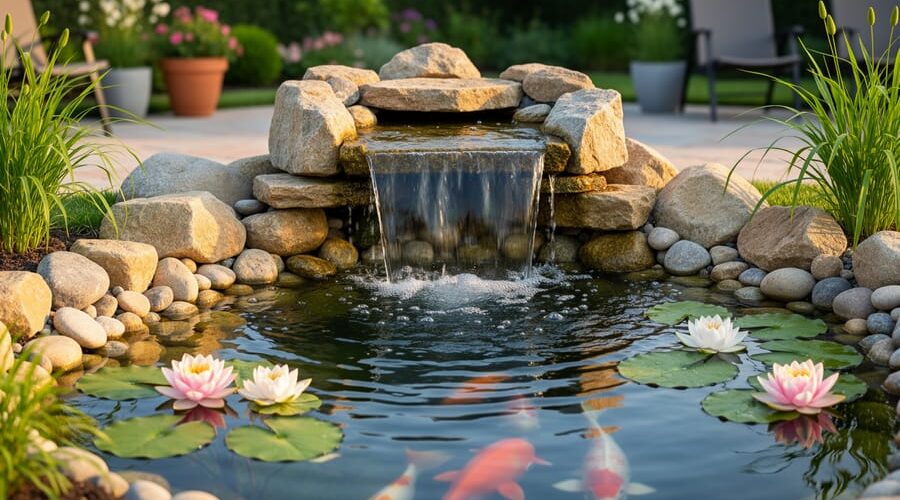
Picture this: you’re standing by your pond on a warm summer evening, watching water cascade over rocks while knowing that same beautiful waterfall is secretly working overtime to keep your water crystal-clear. That’s the magic of waterfall filters—they’re the hardest-working feature in your backyard, combining stunning visual appeal with serious filtration power.
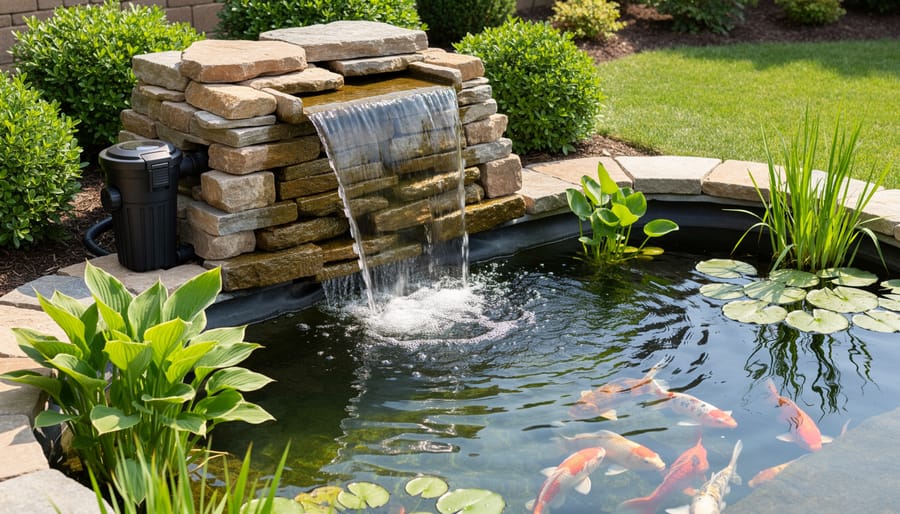
A waterfall filter sits at the edge of your pond, usually disguised behind rocks or plants, where it receives pumped water, pushes it through layers of filtration media, and sends it cascading back into your pond as clean, oxygenated water. Think of it as a spa treatment for your pond that runs 24/7. The water passes through mechanical filters that trap debris like leaves and fish waste, then flows through biological media where beneficial bacteria break down harmful ammonia and nitrites into safer compounds.
What makes waterfall filters special is their dual purpose. While traditional box filters hide in your pond doing their job quietly, waterfall filters create that soothing sound of moving water while housing the same powerful filtration system. They’re perfect for smaller to medium-sized ponds up to about 1,000 gallons, though larger models can handle bigger water features.
Whether you’re planning your first pond or upgrading your existing setup, understanding how these filters work will help you create a healthier ecosystem for your fish and plants while adding that enchanting waterfall element you’ve been dreaming about.
What Makes Waterfall Filters Different from Other Pond Filters
If you’ve ever wished your pond filter could pull double duty, waterfall filters might be exactly what you’re looking for. Unlike traditional box filters or pressurized units that hide away in the corner of your pond or get buried in the landscape, waterfall filters are designed to be seen and admired while they work their filtration magic.
The key difference is right there in the name. These filters create a beautiful cascading waterfall effect while simultaneously cleaning your pond water. When I installed my first waterfall filter years ago, I was amazed at how it transformed what was essentially a maintenance necessity into an attractive focal point that actually enhanced my backyard’s appeal.
Here’s how they work their magic. Water gets pumped from your pond up into the filter unit, which sits at the edge or slightly elevated above the water level. Inside, the water flows through multiple stages of filtration media—typically foam pads for mechanical filtration to catch debris, and biological media like lava rock or specialized biomedia where beneficial bacteria colonize and break down harmful ammonia and nitrites. After passing through these filtration stages, the clean water spills back into your pond as a gentle waterfall.
This design creates excellent circulation throughout your entire pond, which is something your fish and plants will absolutely love. The waterfall action also adds oxygen to the water, promoting a healthier ecosystem overall.
Waterfall filters shine brightest in small to medium ponds, typically up to 1,000-2,000 gallons. They’re particularly effective because they combine three essential functions—mechanical filtration, biological filtration, and aeration—all in one compact, attractive package. For larger ponds, you might need additional filtration, but for many backyard water gardens, a properly sized waterfall filter handles everything beautifully while looking great doing it.
How Waterfall Filters Actually Clean Your Pond
The Three-Stage Cleaning Process
Your waterfall filter works like a three-part cleaning crew, each member tackling different jobs to keep your pond sparkling. Let me walk you through how these hardworking stages transform murky water into a crystal-clear haven.
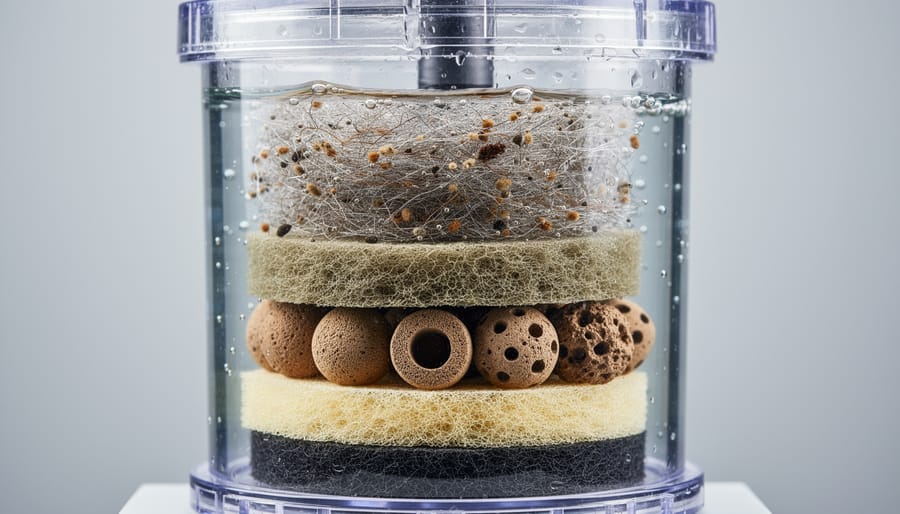
The first stage is mechanical filtration, which acts like a strainer catching the big stuff. As water flows through foam pads or filter mats, it traps leaves, fish waste, uneaten food, and other floating debris. Think of it as your pond’s bouncer, stopping unwanted guests at the door. You’ll notice this foam turning brown or green between cleanings, which means it’s doing its job perfectly.
Next comes biological filtration, the real hero of the show. This is where beneficial bacteria set up camp in specialized bio-media like plastic balls or ceramic rings. These microscopic helpers feast on ammonia (from fish waste) and convert it into less harmful nitrites, then into even safer nitrates. It’s like having a tiny cleanup crew working around the clock to neutralize toxins that could harm your fish.
The third stage is often overlooked but equally important: the waterfall itself. As water cascades down, it creates oxygen-rich bubbles that benefit fish and support those beneficial bacteria. This natural aeration contributes to overall pond health by preventing stagnant conditions and algae blooms.
Together, these three stages create a self-sustaining cleaning system that mimics nature’s own purification process.
Why the Waterfall Effect Matters More Than You Think
Beyond their good looks, waterfall filters deliver serious practical benefits that can transform your pond’s health. Let me share why mine became such a game-changer.
The oxygenation benefits alone make waterfall filters worth considering. As water tumbles down those rocks, it creates countless tiny bubbles that infuse oxygen into your pond. I noticed my fish became more active and vibrant within weeks of installation. This pond oxygenation becomes especially critical during hot summer months when oxygen levels naturally drop.
Here’s a bonus I didn’t expect: moving water keeps mosquitoes away. These pesky insects only lay eggs in still water, so that gentle cascade acts as a natural repellent. No more swatting around the pond during evening watering sessions.
And yes, the visual appeal matters too. That soothing sound and natural movement creates an outdoor focal point that draws everyone outside. My neighbours constantly comment on how relaxing it sounds from their yards. Beauty meeting function is what water gardening is all about.
Choosing the Right Size Waterfall Filter for Your Pond
The Simple Formula for Filter Sizing
Here’s the good news: sizing your waterfall filter doesn’t require a degree in pond engineering! The basic formula centers around GPH, or gallons per hour, which tells you how much water your pump pushes through the filter each hour.
For ponds without fish, you’ll want your pump to circulate the total pond volume once every two hours. So if you have a 1,000-gallon pond, aim for a pump rated at 500 GPH. Your filter should handle at least that flow rate.
Now, if you’re keeping fish, things get a bit more demanding. Fish produce waste that needs efficient filtration, so you’ll want to circulate your entire pond volume once per hour. That same 1,000-gallon pond now needs a 1,000 GPH pump and filter combination.
Here’s my quick reference guide: Calculate your pond volume in gallons, then match it to your pump’s GPH rating for fish ponds, or use half that number for fish-free ponds. Remember that koi ponds might need even more circulation due to their higher bioload. When in doubt, it’s generally better to size up slightly rather than undersizing your system.
When Bigger Really Is Better
Sometimes playing it safe with sizing just doesn’t cut it, and going bigger with your waterfall filter is absolutely the right call. If you have heavily stocked fish ponds, your fish are producing way more waste than a standard pond, which means you need extra filtration muscle to keep up. I learned this the hard way when my koi population grew faster than I expected!
Ponds sitting in full sun also benefit from oversized filters. That constant sunshine speeds up algae growth and increases evaporation, putting more stress on your filtration system. Trust me, you’ll thank yourself later when your pond stays clear while your neighbor’s green soup struggles.
Water gardens packed with overhanging trees or lots of aquatic plants create another challenge. Falling leaves, decaying plant matter, and organic debris can quickly overwhelm an undersized filter. Going one size up gives you breathing room to handle that extra load without constant maintenance. Think of it as insurance for those seasons when nature dumps more than usual into your pond.
Top Waterfall Filter Features Worth Your Money
Filter Media That Does the Heavy Lifting
The filter media inside your waterfall filter is where the real magic happens. Think of it as the engine that powers your pond’s clarity. Let me walk you through the main types you’ll encounter.
Foam pads are your first line of defense. These dense sponges trap larger debris like leaves and fish waste before they can clog up finer media. I replace mine every season, and it’s amazing how much gunk they catch. Look for foam that’s at least one inch thick with medium to coarse pores for the best balance.
Matala mats are my personal favorite for biological filtration. These textured sheets provide tons of surface area where beneficial bacteria can colonize and break down harmful ammonia. They come in different densities, and I typically stack them from coarse to fine for optimal flow.
Bio-balls and ceramic rings excel at housing bacteria colonies while maintaining excellent water flow. Their irregular shapes create pockets where bacteria thrive undisturbed. They last for years, making them cost-effective in the long run.
When shopping for media, prioritize durability and porosity. Quality media shouldn’t break down quickly or compress easily. Remember, you’re building a home for billions of helpful bacteria, so give them the best real estate possible.
Design Features That Save You Time
Let me tell you, the best waterfall filters are designed with your precious weekends in mind! Look for models with easy-clean designs that feature quick-access panels or removable filter compartments. I’ve spent way too many Saturday mornings wrestling with complicated filters, so trust me when I say this matters.
Built-in UV clarifier options are absolutely worth considering. These handy additions zap algae and harmful bacteria as water flows through, keeping your pond crystal clear without extra effort on your part. Instead of dealing with two separate units, everything works together in one streamlined system.
Adjustable flow controls let you fine-tune your waterfall’s flow rate without any headaches. Simply turn a valve to create anything from a gentle trickle to a rushing cascade, perfect for adjusting seasonal needs or when you’re dealing with different fish loads.
Backwash capabilities are game-changers for busy pond owners. With just a valve flip, you reverse the water flow to flush out trapped debris. This beats disassembling everything for cleaning every single time. Some filters can be backwashed in under five minutes, meaning you’ll spend more time enjoying your pond and less time maintaining it.
Construction Quality That Lasts
When shopping for a waterfall filter, think of it as an investment that’ll face sun, rain, snow, and freezing temperatures year after year. I learned this the hard way when my first budget filter cracked after just one winter! Look for units made from high-density polyethylene or ABS plastic that can handle temperature swings without becoming brittle. UV-resistant housings are absolutely essential since constant sun exposure will fade and weaken cheap materials within a season or two. Check that all seams and edges are thick and reinforced, not thin and flimsy. The lid should fit snugly with a secure locking mechanism to prevent debris from getting inside. Quality filters often feature double-walled construction for extra durability and better insulation. Don’t forget about the media baskets and internal components either. They should be sturdy enough to handle repeated removal for cleaning without warping or cracking. A well-built filter might cost more upfront, but it’ll save you money and frustration by lasting for many years of trouble-free operation.
Installing Your Waterfall Filter Without the Headaches
Finding the Perfect Spot
Finding the right home for your waterfall filter can make all the difference between a stunning water feature and a constant headache. I learned this the hard way when I first placed mine too far from my pond, only to discover I’d need a much more powerful pump than expected!
Start by choosing a spot at least slightly elevated above your pond’s water level. Even a gentle slope of a few inches helps gravity do its job, creating that natural waterfall effect you’re after. If your yard is completely flat, don’t worry. You can build up a small berm using soil and rocks to create the height you need.
Keep maintenance in mind when selecting your location. You’ll be cleaning the filter media regularly, so make sure you can easily reach it without balancing precariously over the water. A spot about two to three feet from the pond’s edge typically works beautifully. This distance gives you walking space while keeping plumbing runs short and efficient.
Think about how the waterfall will look from your favorite viewing spots, whether that’s your patio, deck, or kitchen window. The best placement showcases the waterfall while appearing naturally integrated into your landscape, tucked among rocks and plants rather than sitting awkwardly in the open.
The Installation Day Checklist
You’ve got your new waterfall filter, and installation day is finally here! Let’s walk through this together so you can avoid the headaches I had with my first setup (hint: reading the manual actually helps).
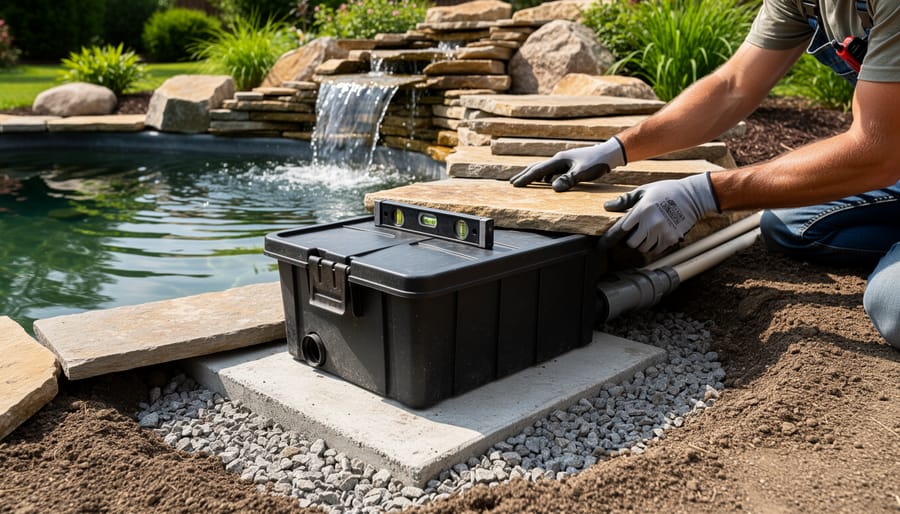
Start by gathering your tools before you begin. You’ll need a shovel, a level (this is crucial!), scissors or a utility knife for cutting pond liner if needed, and adjustable wrenches. Having everything within arm’s reach saves frustration when you’re halfway through and realize you’re missing something.
First, position your filter at the top of your waterfall. This sounds obvious, but take time to find the perfect spot. Use that level to ensure the filter sits flat, or you’ll end up with uneven water flow that looks more like a dribble than a cascade. I learned this the hard way watching water pool on one side while the other stayed dry.
Connect your pump to the filter using appropriate diameter tubing. Make sure connections are snug and secure, using hose clamps if your kit includes them. A common pitfall here is forcing connections that don’t quite fit, you want snug, not strained.
Before filling with water, double-check that your filter media is properly installed according to the manufacturer’s instructions. Each type has a specific order, and getting this right from the start means better filtration immediately.
Run water through the system before adding fish or plants. This test run lets you spot leaks, adjust water flow, and make sure everything cascades beautifully. Adjust the spillway or flow valves until you achieve your desired waterfall effect.
Finally, be patient with yourself. Most installations take longer than expected, and that’s completely normal.
Keeping Your Waterfall Filter Running Like New
Your Monthly Five-Minute Maintenance Routine
Setting aside just five minutes each month can save you hours of frustration down the road. I like to think of it as a friendly check-in with your filter, kind of like catching up with an old friend.
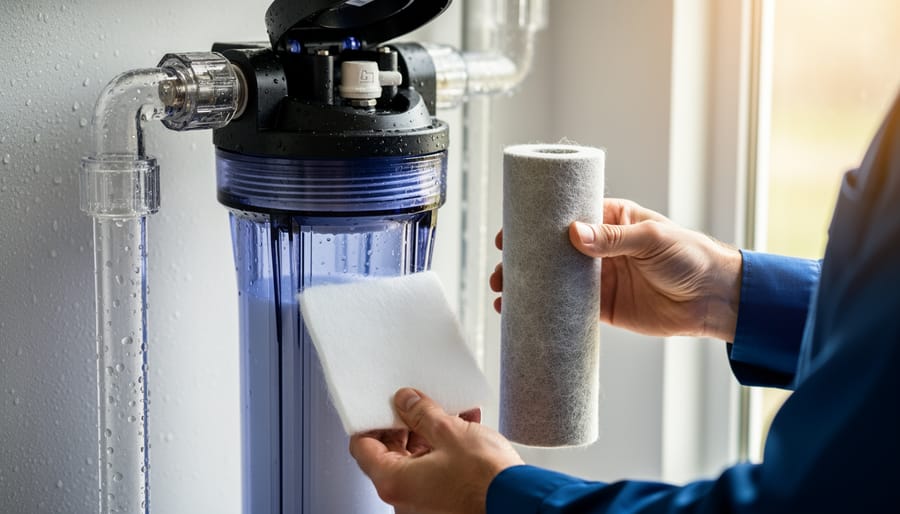
Start by observing your waterfall’s flow. Is water streaming evenly, or has it slowed to a trickle? Reduced flow usually means your filter media is clogged with debris. Next, peek inside the filter chamber. If you spot leaves, twigs, or that lovely green sludge building up, it’s time for a quick rinse. Simply remove the filter pads or media, give them a gentle squeeze in a bucket of pond water (never tap water, which kills beneficial bacteria), and pop them back in.
Watch for warning signs between maintenance sessions. Cloudy water, unpleasant odors, or fish gasping at the surface all signal your filter needs immediate attention. Your pump should run quietly too. Unusual grinding or gurgling sounds mean something’s amiss.
Here’s a handy trick: Mark your calendar on the first of each month as “pond day.” Making it routine means you won’t forget, and your pond will reward you with crystal-clear water all season long. Trust me, consistent small efforts beat emergency cleanups every time.
Seasonal Care That Protects Your Investment
Your waterfall filter works hard all season long, so giving it a little seasonal TLC will keep it running smoothly for years to come. Think of it like changing your car’s oil—regular maintenance prevents expensive problems down the road.
When spring arrives and you’re eager to get your pond going again, start by giving your filter a thorough inspection. Remove any leaves or debris that accumulated over winter, check that all connections are secure, and test your pump before adding fish back to the pond. I always do a practice run for a few hours to make sure everything’s flowing properly. Clean or replace filter media if it’s looking worn, and gradually restart your system to avoid shocking beneficial bacteria that might have survived the cold months.
During summer, your filter is working overtime. Check water flow weekly and rinse mechanical media when you notice the flow slowing down. Hot weather means more evaporation, so top off your pond regularly to keep your pump submerged and happy. This is also prime time to watch for any unusual sounds or reduced waterfall flow—early detection prevents bigger headaches.
As fall approaches, you’ll want to add netting over your pond to catch falling leaves before they clog your filter. Once leaves drop and temperatures consistently dip below 50°F, it’s decision time. In mild climates, you can run your filter year-round with reduced flow. In freezing regions, disconnect and drain all components, clean thoroughly, and store your pump indoors. I learned the hard way that trapped water can crack housings when it freezes!
Common Problems and How to Fix Them Fast
Even the best waterfall filters occasionally throw us a curveball, but don’t worry—most issues are surprisingly easy to fix! Let’s walk through the most common problems and get your filter back to peak performance.
If you’re noticing reduced water flow, the culprit is usually clogged filter media. Think of it like a coffee filter that’s working too well—it catches everything until it can’t let water through easily anymore. Simply remove and rinse your foam pads and filter mats with pond water (never tap water, which kills beneficial bacteria). I usually give mine a good squeeze until the water runs clearer. If flow is still sluggish, check your pump intake for debris like leaves or string algae that might be blocking it.
Leaking can feel stressful, but it’s often just a minor adjustment away from being solved. First, make sure your filter is sitting level—an uneven surface causes water to spill over one side. Check that the liner or rubber gaskets are properly seated and haven’t shifted during cleaning. Sometimes the waterfall spillway itself needs repositioning if water is running down the outside instead of cascading properly into the pond.
Noisy operation usually means your pump is either running dry or sucking air. Check that your water level hasn’t dropped too low and that the pump is fully submerged. A gurgling sound often indicates you need to adjust the flow rate—sometimes less is more! Try dialing back the pump speed slightly.
For ineffective filtration where your water stays cloudy or green, patience is key after initial setup. Beneficial bacteria colonies need two to six weeks to establish. During this time, avoid over-cleaning your media. If problems persist after this break-in period, you might need to add more biological media or upgrade to a larger filter for your pond size. Remember, filtration is a marathon, not a sprint!
You’ve reached the exciting point where you’re ready to bring together beauty and function in your pond! Waterfall filters truly are the workhorses of water gardening, quietly doing their job while creating that soothing sound we all love. I remember when I installed my first one—I was amazed at how quickly my water cleared up and how much more alive my pond felt with water cascading down the rocks.
The best part? You now have all the information you need to choose the perfect waterfall filter for your pond. Whether you’re starting from scratch or upgrading your current setup, you understand the key factors: matching the filter to your pond size, considering your fish load, and thinking about the maintenance schedule that fits your lifestyle.
Don’t let any lingering doubts hold you back. Thousands of pond owners just like you have successfully installed and maintained waterfall filters, and you can too. Start with the basics we’ve covered, take it step by step, and remember that your pond doesn’t need to be perfect overnight. Water gardening is a journey, and each season brings new growth and learning.
Your pond deserves crystal-clear water and that magical waterfall sound. You’ve got the knowledge, you’ve got the passion, and now it’s time to make it happen. Your dream water garden is waiting!