
Why Every Pond Owner Needs Water Safety Training (And Where to Find the Best Videos)
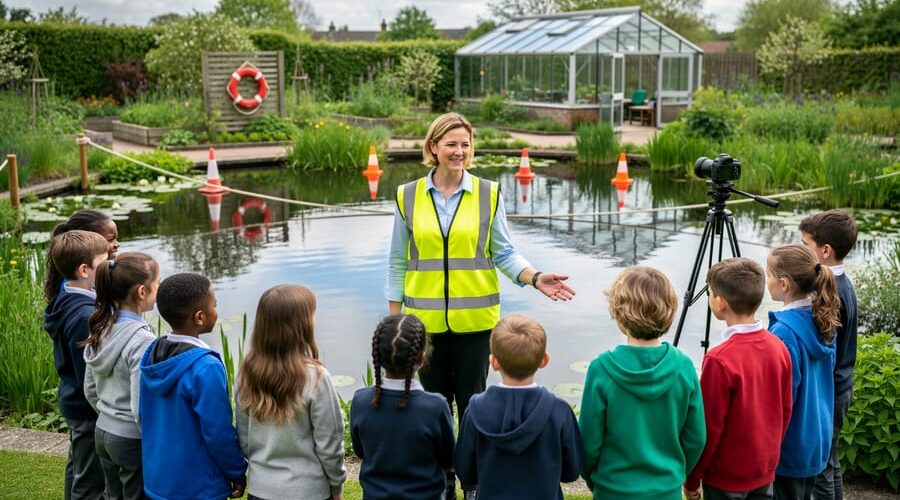
Assess your current supervision protocols before students ever step near your water garden by watching training videos that demonstrate proper adult-to-student ratios, emergency response procedures, and safe activity zones around ponds. Look for videos showing real classroom scenarios with educators modeling correct positioning—adults should always place themselves between deeper water and students, maintaining clear sightlines across the entire garden space.
Choose video resources that cover the three-minute rule: instructors must be able to reach any student at the water’s edge within three minutes during activities. This practical standard helps you map out your garden layout and identify where additional supervision might be needed during lessons. Videos demonstrating this principle in action make it easier to train volunteer helpers and teaching assistants who may lack water safety experience.
Incorporate short, focused safety clips into your regular staff meetings rather than scheduling lengthy one-time training sessions. Five-minute videos covering specific topics like student positioning during planting activities, proper tool handling near water, and recognizing distress signals create more retention than hour-long presentations. You’ll find that frequent, bite-sized training keeps safety protocols fresh in everyone’s mind throughout the growing season.
Water gardens offer tremendous benefits of school gardens, from hands-on science lessons to peaceful observation spaces, but they require thoughtful preparation. Video training transforms abstract safety guidelines into concrete actions your team can visualize and replicate. When educators see exactly how to manage students around water features, they gain confidence to facilitate rich learning experiences while maintaining vigilant oversight. The right training videos don’t just check a compliance box—they empower your entire team to create safe, engaging outdoor classrooms where students can explore aquatic ecosystems without unnecessary risk.
The Hidden Dangers Lurking in Your Water Garden
Why Children Are Particularly Vulnerable Around Ponds
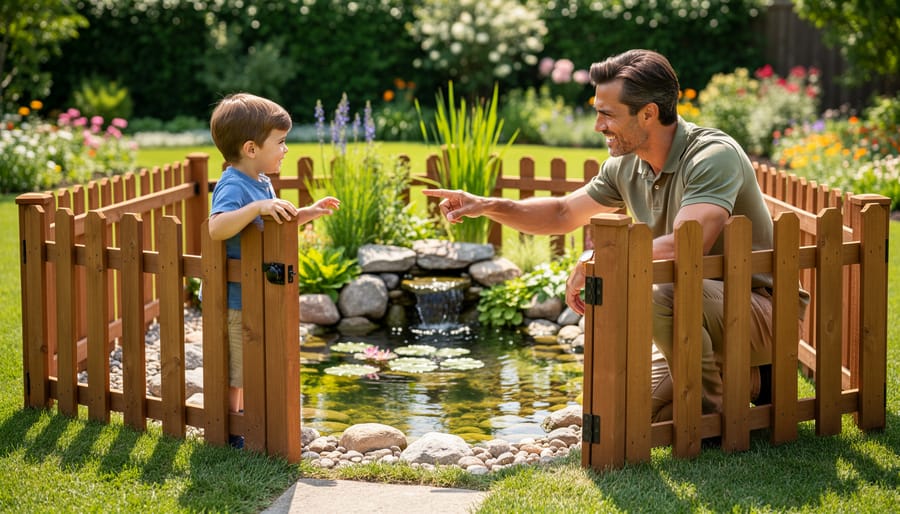
Young children are naturally drawn to water—it sparkles, ripples, and seems almost magical to curious minds. Unfortunately, this fascination combined with their developmental stage creates a perfect storm of vulnerability. Children under five have a high center of gravity and limited coordination, making them prone to toppling forward when they lean over to touch the water or examine a frog.
Here’s something that surprised me when I first learned it: toddlers can drown in as little as two inches of water, and it happens quietly—without the splashing or calls for help we might expect. Their instinctive response when falling face-first into water is often to freeze rather than push themselves back up.
Beyond physical limitations, children lack the ability to assess risk. That beautiful koi swimming near the edge looks like something to grab, and a slippery stone appears like a stepping stone to adventure. When planning preschool pond activities, understanding these developmental realities helps us create magical learning experiences without compromising safety. Statistics show that drowning remains a leading cause of accidental death in young children, but with proper supervision and safety measures, your pond can be both beautiful and secure.
Seasonal Safety Concerns You Might Overlook
Different seasons bring their own set of water safety challenges that are easy to miss if you’re not watching closely. During winter months, ice formation can create slippery surfaces around your pond edges, making it hazardous for anyone walking nearby during outdoor lessons or maintenance checks. If you live in colder climates, make sure your training videos address how to safely navigate frozen pond areas and the risks of thin ice.
Summer presents a completely different concern with algae blooms. These natural occurrences can make water surfaces slippery and sometimes produce toxins that aren’t safe for skin contact. Your safety training should cover how to identify problematic algae growth and establish protocols for when water activities need to be postponed.
Fall often gets overlooked, but it deserves attention too. Fallen leaves create slippery mats on decks and paths around water features, and decaying organic matter can affect water quality. I learned this the hard way one autumn when wet leaves made my pond walkway feel like an ice rink! Training videos should remind educators to maintain clear pathways and discuss seasonal water quality changes. By understanding these seasonal variations, you’ll create safer learning environments year-round.
What Makes Water Safety Videos So Effective for Educators
The Difference Between Watching and Reading About Safety
Think about the last time you tried learning something new from a manual. Perhaps you read about installing a pond pump or building a waterfall feature. Now imagine watching someone actually do it on video. The difference is night and day, right?
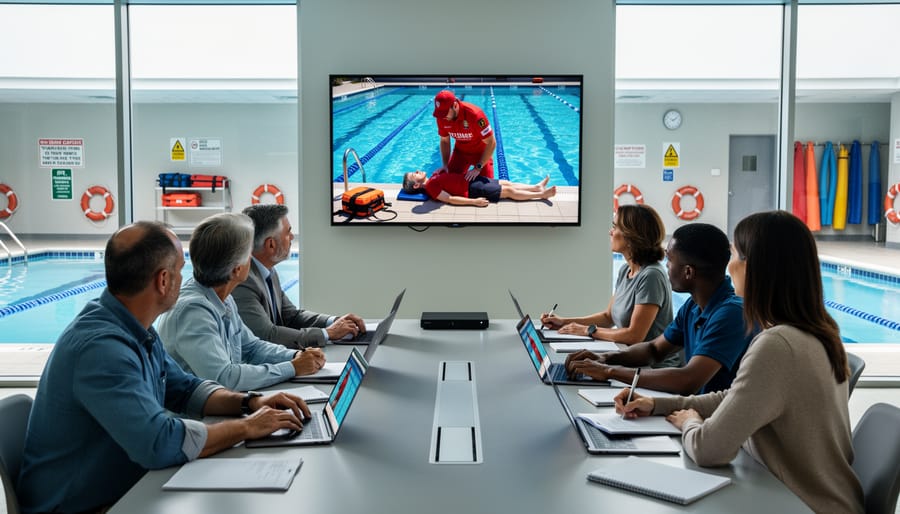
The same principle applies when training educators about water safety around ponds and water gardens. Reading a safety checklist might tell you to maintain proper supervision, but watching a video demonstrates what that actually looks like in action. You see how instructors position themselves near water features, how they organize students during pond observations, and what potential hazards to watch for in real-time.
Videos engage multiple senses simultaneously. You’re not just processing words on a page—you’re watching body language, hearing tone and urgency, and observing the actual environment where incidents might occur. This multi-sensory approach helps your brain create stronger memory connections, making it easier to recall procedures when you need them most.
Studies consistently show that people retain information better through visual learning. When you watch an educator demonstrate proper rescue techniques or show how to secure pond netting, those images stick with you far longer than written descriptions. Plus, you can pause, rewind, and review tricky sections until you feel confident—something impossible with static text materials.
Essential Topics Your Training Videos Should Cover
Supervision Strategies and Zone Management
Proper supervision around water gardens starts with understanding the golden rule: never leave students unattended near water, even for a moment. Quality water safety videos emphasize maintaining a 1:4 adult-to-child ratio for elementary students and 1:6 for older groups when working around ponds or water features.
Zone management creates clear boundaries everyone understands. Designate a “wet zone” where students interact with water under direct supervision and a “dry zone” for observation and preparation. Use bright pool noodles, garden edging, or colorful rope to mark these boundaries visually. In my years teaching water gardening workshops, I’ve found that students respect boundaries better when they help set them up.
Assign specific roles to supervisors. One adult acts as the “water watcher” with eyes constantly on students near the pond, while another manages equipment and transitions. Rotate these positions every 15 minutes to maintain alertness. Position supervisors at different angles around the water feature to eliminate blind spots.
Establish a buddy system where students pair up and check on each other throughout activities. This peer accountability adds an extra safety layer while teaching responsibility. Before any water garden lesson begins, conduct a quick headcount and review the safety zones together.
Emergency Response Procedures
Knowing what to do when accidents happen can make all the difference around water features. The golden rule is simple: reach or throw, don’t go. If someone’s struggling in your pond, extend a pool skimmer, branch, or rope instead of jumping in yourself. I learned this the hard way when my neighbor’s child slipped near my koi pond, and my instinct was to leap in. Thankfully, I remembered my training and grabbed a nearby rake handle instead.
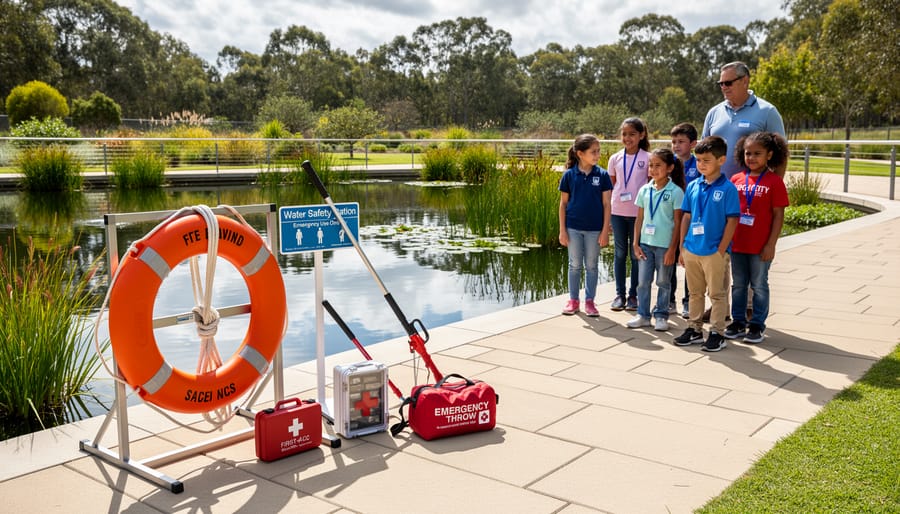
Always keep a life ring or throwing rope within arm’s reach of your water garden, especially during group visits or educational activities. Before any pond activity, identify the person responsible for calling 911 and ensure everyone knows where their phone is. Even in shallow water features, accidents can happen quickly.
Time is critical in water emergencies. Call for professional help immediately if someone is unconscious, not breathing, or if you can’t reach them safely from shore. While waiting for emergency services, keep talking to the person and encourage them to stay calm. Never attempt an in-water rescue unless you’re trained and have proper flotation equipment. Your safety comes first because you can’t help anyone if you become a victim too.
Physical Safety Barriers and Equipment
Let me share something from my own experience: I once watched a child nearly tumble into my koi pond during a neighborhood gathering, and it completely changed how I approached water safety. When creating training videos, start with the basics that really matter. Show educators how to properly install and maintain barriers like decorative fencing that’s at least four feet high with self-latching gates. Demonstrate rigid pond covers for when the water garden isn’t supervised, and highlight the benefits of shallow entry shelves or beach-style edges that provide safer access points. Your videos should include close-up demonstrations of proper equipment installation, common mistakes to avoid, and regular maintenance checks. Walk viewers through choosing the right barriers for different pond types, whether it’s a small container garden or a larger water feature. Include footage of both permanent solutions and temporary barriers for special events or class visits. Remember, these physical safeguards work best when combined with active supervision, so emphasize that barriers support rather than replace vigilant adult oversight.
Where to Find Quality Water Safety Training Videos
Free Resources Worth Your Time
You don’t need to spend a fortune on water safety training videos when excellent free options exist right at your fingertips. The American Red Cross offers fantastic online resources, including downloadable guides and video content focused on pool and pond safety. Their materials are professionally produced and cover everything from basic supervision strategies to emergency response procedures.
Your local cooperative extension office is another goldmine that many people overlook. These county-based programs often provide free safety videos specific to your region’s concerns, from managing algae blooms to understanding local water conditions. Just give them a call or browse their website to see what’s available.
Don’t forget about water garden associations and aquatic plant societies either. Organizations like the Water Garden Society frequently share member-created content that addresses real-world scenarios you’ll actually encounter. These videos feel more personal and relatable since they’re made by fellow pond enthusiasts who’ve learned lessons firsthand.
YouTube channels from university extension programs also deserve your attention. Look for content from agricultural colleges or environmental science departments. They combine academic expertise with practical demonstrations, giving you the best of both worlds without any subscription fees.
Professional Certification Programs
If you’re an educator who regularly leads student activities around ponds or water gardens, professional certification programs provide thorough training that goes beyond basic videos. These comprehensive courses typically run from half-day workshops to multi-day intensives and include hands-on practice scenarios alongside video instruction.
Organizations like the American Red Cross and YMCA offer water safety instructor certifications that cover supervising groups near aquatic environments. While these programs require investment (usually $200-500), they give you official credentials and liability protection that free resources can’t provide. Many aquatic education programs also bundle safety certification with their environmental education training, which is perfect if you’re teaching pond ecology alongside safety protocols.
The beauty of these programs is they’re specifically designed for educators rather than lifeguards, so the content focuses on preventing accidents during learning activities rather than emergency response alone. You’ll learn age-appropriate supervision techniques, how to assess water hazards in natural settings, and strategies for teaching kids respectful interaction with aquatic environments. Most certifications need renewal every two years, keeping your knowledge current with the latest safety practices.
How to Implement What You Learn Into Your Teaching Practice
Creating Your Own Student Safety Guidelines
After watching quality water safety videos, you’ll be ready to create guidelines tailored to your specific teaching situation. Start by considering your students’ ages and swimming abilities. Younger children need simpler, more direct rules like “always have an adult present” and “stay three steps back from the pond edge,” while older students can understand more nuanced expectations about respecting water environments.
Base your rules on what you’ve learned from professional training videos. If instructors emphasized the buddy system, make it part of your routine. If they demonstrated proper reaching techniques for emergencies, practice these with your students before starting outdoor lessons. Write down your top five non-negotiable safety rules and review them at the beginning of every session at your water garden classroom.
Consider creating a simple safety checklist that includes weather conditions, student headcounts, and equipment checks. Share these guidelines with parents and administrators so everyone understands your safety approach. Remember, the best rules are ones you can consistently enforce while still maintaining the wonder and excitement of outdoor learning around water.
Teaching Kids Water Safety Without Scaring Them
When introducing children to pond safety, think of it as teaching them to appreciate water rather than fear it. Start with the positives—show them the fascinating creatures living in and around the pond, the plants that thrive there, and how these ecosystems work. Then naturally weave in safety practices as part of respecting this special environment.
Use age-appropriate language that empowers rather than frightens. Instead of “You could drown,” try “We always stay with our buddy near the pond so everyone can enjoy it safely.” Demonstrate proper behavior yourself—walk slowly around pond edges, keep a safe distance from deep areas, and explain your actions out loud.
Interactive educational pond activities naturally reinforce safety rules without making them the scary focus. When kids are engaged in observing tadpoles or testing water quality, they’re learning boundaries while having fun. Create simple, memorable rules like “Three steps back from the edge” or “Ask before you touch” that become second nature through repetition and positive reinforcement.
Water safety training isn’t something you do once and forget about. Think of it as part of your ongoing journey as an educator, just like tending a water garden requires regular attention throughout the seasons. The beauty of water gardens lies in their ability to captivate students and teach valuable lessons about ecosystems, but that magic only happens when everyone feels safe and confident around the water.
Here’s my encouragement to you: start small. You don’t need to watch every training video available or become a certified lifeguard tomorrow. Pick one quality video today, gather your teaching team, and spend thirty minutes learning together. Maybe it’s a refresher on recognizing drowning signs, or perhaps it’s understanding how to set up safer observation zones around your pond. That single step builds momentum.
Share what you learn with fellow educators in your school or community. Post helpful resources in your teacher forums, email a link to that coordinator planning outdoor activities, or chat about it over coffee. Water safety knowledge multiplies when we pass it along, creating a network of informed adults who can all watch out for the children in their care.
Your water garden should be a place of wonder, not worry. With the right training backing you up, it absolutely can be.