
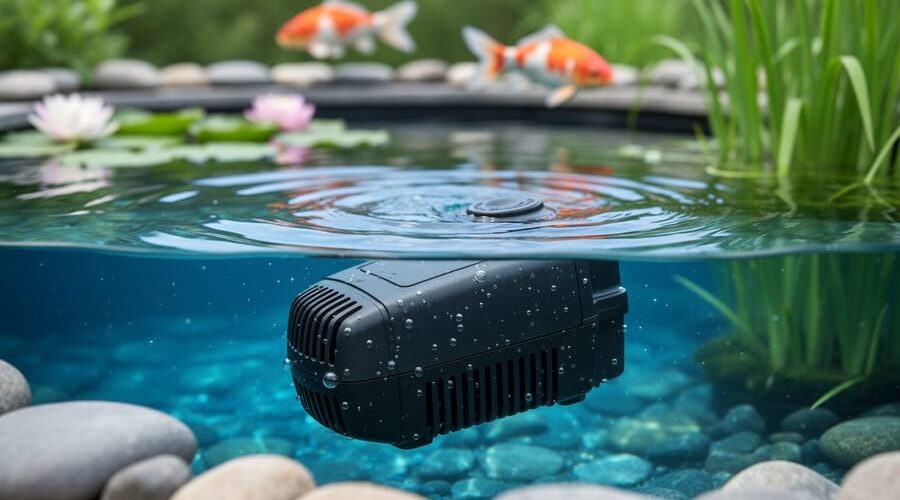
Why Underwater Pond Filters Outperform Every Other System
Choosing the right filtration system can make or break your pond’s health, and underwater filters offer a unique solution that many pond owners overlook. These submersible workhorses sit quietly beneath the surface, combining mechanical and biological filtration in a compact, hidden package that won’t disrupt your carefully designed water garden aesthetic.
I installed my first underwater filter in a small backyard pond about five years ago, skeptical that something so simple could handle the job. Within weeks, the water cleared up beautifully, and I didn’t have that bulky external filter box interrupting the view of my koi. That experience taught me these filters shine brightest in specific situations: smaller ponds up to 1,000 gallons, preformed pond setups where external plumbing feels overwhelming, or anywhere you want filtration without the visual clutter.
The key is understanding what you’re getting. Underwater filters pull water through foam and bio-media, trapping debris while beneficial bacteria colonize the media and break down harmful ammonia and nitrites. They’re straightforward to install since everything stays in the pond, but they do require regular cleaning because you can’t just let muck accumulate at the bottom of your pond.
This guide walks you through selecting the right size for your pond volume and fish load, proper placement to maximize circulation, installation steps that take less than an hour, and a maintenance routine that keeps everything running smoothly. You’ll know exactly whether an underwater filter fits your needs and how to make it work perfectly.
What Makes Underwater Pond Filters Different
Understanding what sets underwater pond filters apart starts with where they live. Unlike external filters that sit outside your pond or hang-on systems that perch at the edge, underwater filters work completely submerged beneath the water’s surface. This simple location difference creates a whole range of practical benefits and limitations.
The basic mechanics are straightforward. These filters pull water through their intake, push it through various filtration media (usually foam, sponges, or bio-balls), and return cleaned water back into the pond. Most underwater models combine mechanical and biological filtration in one compact unit. The pump draws debris into the filter where it gets trapped, while beneficial bacteria colonize the media surfaces to break down harmful ammonia and nitrites.
What really distinguishes these filters is their all-in-one design. You get filtration and water circulation from a single piece of equipment sitting on your pond floor. Compare this to external setups that require separate pumps, tubing runs, and weatherproof housing outside the pond. That simplicity translates to easier installation for beginners.
Size matters here too. Underwater filters tend to be more compact because they don’t need protective enclosures or extensive plumbing. I remember switching from a bulky external system to an underwater unit in my smaller koi pond. The space I freed up around the pond’s edge made maintenance access so much easier.
The hidden placement offers aesthetic advantages. No visible equipment means nothing to detract from your water garden’s natural look. For wildlife ponds or decorative features where you want equipment out of sight, underwater filters excel.
However, they do have boundaries. These filters work best in smaller to medium ponds, typically up to 1,000-2,000 gallons depending on fish load. Larger ponds with heavy stocking usually need the superior capacity that external systems provide.
The Real Benefits You’ll Notice Immediately
Your Pond Stays Beautiful (No Visible Equipment)
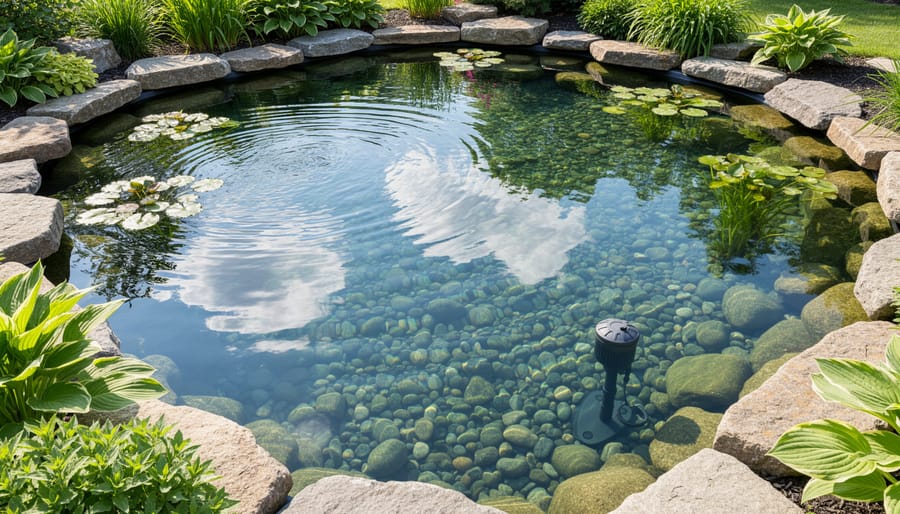
One of the biggest advantages of underwater pond filters is what you don’t see. Unlike traditional external filtration systems with their bulky boxes sitting at the pond’s edge and visible tubes running everywhere, underwater filters tuck discreetly beneath the surface. The entire filtration unit stays hidden underwater, creating a clean, uncluttered look around your pond.
This invisible approach really matters if you’ve invested time creating a natural-looking water feature. Nothing breaks the illusion of a woodland stream or wildlife pond quite like bright plastic equipment lined up along the bank. I learned this the hard way with my first pond, where an external canister filter became the unfortunate focal point of my carefully planned rock garden.
Underwater filters solve this problem beautifully. They work quietly below the waterline, often camouflaged with rocks or planted containers on top. Your visitors see koi gliding through crystal-clear water, lily pads floating serenely, and perhaps a gentle fountain spray. What they don’t see is the hardworking filtration system doing its job underneath.
For smaller ornamental ponds and container water gardens, this streamlined setup is perfect. You get effective filtration without sacrificing the peaceful, natural aesthetic that drew you to water gardening in the first place.
Quieter Operation That Won’t Disturb Your Garden
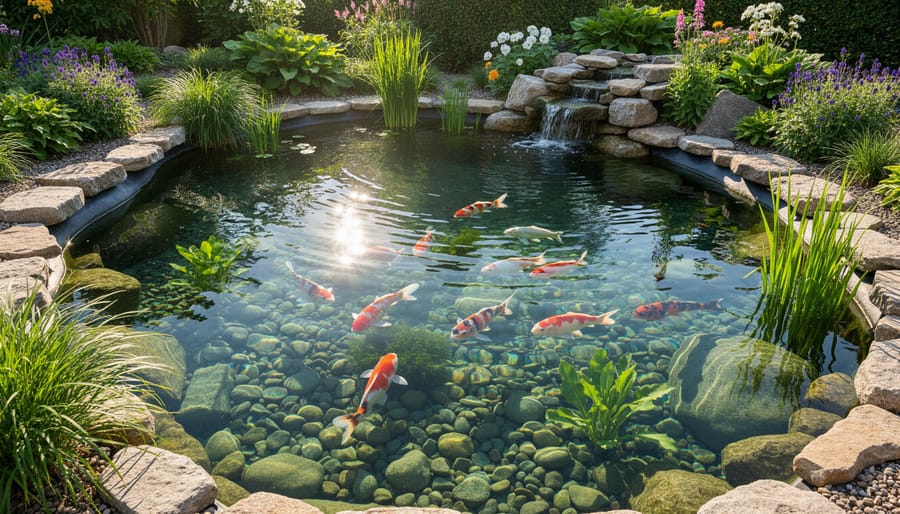
One of the most underrated benefits of underwater pond filters is how peaceful they are. If you’ve ever stood near an external filter system, you know what I mean. Those pumps can hum, gurgle, and splash loud enough to pull your attention away from the gentle sounds you actually want in your garden.
Submersible filters operate beneath the water’s surface, which acts as a natural sound barrier. The water itself absorbs and dampens the mechanical noise from the pump and motor. What might be a noticeable hum in an external unit becomes barely audible when it’s submerged a few feet down. You’ll still hear your waterfall or fountain feature, but without the competing mechanical soundtrack.
This makes a real difference during quiet evenings on your patio or when you’re trying to enjoy morning coffee near the pond. Your neighbors will appreciate it too, especially if your pond sits close to a property line.
Freeze Protection Built Right In
Here’s one of those brilliant design perks that most people never think about until winter arrives: underwater filters naturally protect themselves from freezing damage. Because they sit below the surface, they stay insulated by the surrounding water, which rarely freezes solid in properly maintained ponds. Even when ice forms on top, the water below typically remains liquid, keeping your filter safe.
This built-in protection saves you the hassle of winterizing equipment or hauling heavy units into storage each fall. I learned this lesson the hard way years ago when I left a surface-mounted filter outside during an unexpected cold snap. The cracked housing was an expensive reminder that winter prep matters. With my underwater filter, though? I just let it run or leave it in place, depending on my winterization approach.
The key is maintaining proper pond depth. In most climates, keeping your filter at least 18 inches below the surface puts it well within the safe zone where water temperatures stay above freezing.
Less Maintenance Than You’d Expect
Here’s a pleasant surprise: underwater pond filters actually need less fussing than many pond owners anticipate. Because they sit below the surface, they’re naturally less exposed to debris like leaves and twigs that blow into traditional above-water filters. This means fewer unexpected blockages to deal with during windy autumn days.
The cleaning routine itself is straightforward. Most models have foam pads or sponge filters that you simply rinse off every few weeks. I’ve found that keeping a dedicated bucket nearby makes this task take just minutes. Pull out the filter media, give it a good squeeze and rinse in pond water (never tap water, which kills beneficial bacteria), and you’re done.
Clogging issues happen far less frequently than you’d think. The intake design on quality underwater filters tends to be well-protected with pre-filters or coarse sponges that catch larger particles before they reach the main filtration chamber. This two-stage approach means the core filter stays cleaner longer, extending the time between deep cleanings to once or twice per season rather than weekly chores.
When Underwater Filters Work Best (And When They Don’t)
Underwater filters shine in smaller ponds, typically those under 1,000 gallons. If you’ve got a modest backyard water feature with a few goldfish or koi, these compact workhorses fit perfectly into your setup. They’re particularly brilliant for preformed pond kits where space is at a premium and you don’t want bulky equipment spoiling the view.
The sweet spot for underwater filters is ponds with light to moderate fish loads. I learned this the hard way when I overstocked my 500-gallon pond with koi. My trusty submersible filter struggled to keep up, and I had to supplement it with additional filtration. If you’re keeping a handful of goldfish or a small community of native fish, you’re in good shape.
- Perfect for small ponds under 1,000 gallons with minimal space requirements.
- Installation is straightforward without complicated plumbing or external equipment.
- Quiet operation compared to external pumps and filter systems.
- Budget-friendly option for beginner pond keepers.
- Struggles with heavy fish loads and larger ponds over 1,000 gallons.
- Requires more frequent cleaning than external filter systems.
- Takes up valuable swimming space inside the pond.
- Less effective biological filtration compared to multi-chamber external filters.
You’ll want to reconsider underwater filters if you’re planning a large koi pond or a heavily stocked environment. Serious koi keepers usually need the powerful biological filtration that multi-chamber external systems provide. Ponds over 2,000 gallons really benefit from external filters that can handle higher waste loads without constant maintenance.
Container ponds and whiskey barrel setups? Underwater filters are absolutely your best friend. They keep things simple and effective without complicated installations.
But here’s where they fall short: ponds with heavy debris from overhanging trees need skimmers and external filters that can handle leaves and twigs better. Underwater filters get clogged quickly in these situations. And if you’re building a natural filtration systems approach with bog filters and planted edges, you might find an underwater filter redundant.
Think about your maintenance personality too. If climbing into waders to pull out a filter every week doesn’t appeal to you, external systems offer easier access. But if you’re happy with regular pond interaction and prefer hiding equipment completely, underwater filters deliver that clean aesthetic you’re after.
Choosing the Right Underwater Filter for Your Pond
Sizing Your Filter Correctly
Getting the right filter size is easier than you think, but it makes all the difference between crystal-clear water and a constant struggle with algae. The golden rule? Your filter should handle at least twice your pond’s total volume every hour.
Start by calculating your pond’s volume. For rectangular or square ponds, multiply length times width times depth (all in feet), then multiply by 7.5 to get gallons. Round or oval ponds? Multiply the diameter by itself, then by the depth and by 5.9. If you have an irregular shape, break it into sections and add them together.
Now match that volume to your filter’s flow rate. A 1,200-gallon pond needs a filter rated for at least 2,400 gallons per hour. I learned this the hard way with my first pond. I bought a filter rated exactly for my pond size, and the water stayed murky. Once I upgraded to a larger capacity model, clarity improved within days.
Remember that fish load matters too. If you’re stocking heavily with koi or goldfish, bump up your filter size even more. Small pond filters typically handle up to 500 gallons, while larger submersible units manage 2,000 gallons or more. Always round up rather than down. Your fish will thank you.
Features That Actually Matter
Let me tell you what separates genuinely useful features from marketing fluff. UV clarifiers are absolutely worth the investment if green water drives you crazy. These built-in ultraviolet lights zap algae as water passes through, keeping your pond crystal clear. I’ve seen ponds transform within days once a UV unit kicks in.
Multi-stage filtration is another feature that earns its keep. The best underwater filters push water through mechanical filtration first (catching debris and fish waste), then biological filtration (where beneficial bacteria break down ammonia and nitrites). Some filters add a third stage with activated carbon or zeolite for extra water polishing. This isn’t just clever marketing. Each stage tackles different problems.
Flow rate matters more than most people realize. A filter rated for 1,000 gallons won’t struggle with an 800-gallon pond, but it’ll fail miserably in a 1,500-gallon setup. Always choose a filter rated slightly above your pond’s volume.
What about those “oxygen-boosting” claims? Skip them. Filters don’t meaningfully increase dissolved oxygen. If your fish need more oxygen, invest in proper pond aeration instead.
Easy-clean indicators and tool-free maintenance access genuinely save time. You’ll clean your filter regularly, so simple foam removal beats wrestling with clips and screws every single time.
Budget Considerations
Good news: underwater pond filters can fit almost any budget. Entry-level submersible filters start around $30 to $50 for small ponds (up to 500 gallons), while mid-range options for larger ponds typically run $80 to $200. High-end models with UV clarifiers and advanced media can reach $300 or more.
Here’s where I recommend spending extra: invest in a quality pump that matches your filter’s flow rate, and don’t skimp on replacement filter media. Cheap foam breaks down quickly and you’ll spend more replacing it frequently. A good pump motor saves energy costs and lasts years longer than budget alternatives.
Where you can save: fancy housings and decorative covers. A basic black filter housing works just as well as designer versions costing twice as much. You can always disguise it with rocks or plants yourself. Also, buying separate components rather than all-in-one kits sometimes offers better value if you already own a reliable pump.
Installing Your Underwater Filter the Right Way
Getting your underwater filter installed correctly doesn’t require a degree in pond engineering, but a little care during setup will save you headaches down the road. Let me walk you through the process I’ve used successfully in my own ponds and helped countless friends tackle in theirs.
Start by choosing your filter’s home carefully. Place it in the deepest part of your pond if possible, but avoid burying it in thick sediment at the bottom. You want water flow around the entire unit. I learned this the hard way when I positioned my first underwater filter too close to a muddy corner where debris constantly accumulated. Within weeks, the intake was clogged.
Before you even think about getting wet, run your filter through a quick rinse. Remove all filter media and rinse them with pond water (never tap water, which kills beneficial bacteria). This removes any manufacturing residue or dust that might cloud your water initially.
Now for the actual placement. If your filter comes with suction cups or stabilizing feet, use them. A filter that tips over or shifts around won’t work efficiently. Some models include weighted bases, which work wonderfully on firm pond bottoms. For softer substrates, consider placing the filter on a flat stone or paver to create a stable foundation.
Connect your tubing to any fountain heads, waterfalls, or return outlets before submerging the filter. It’s much easier to get a tight seal while you’re dry. Check that all connections are secure by giving them a gentle tug. A loose fitting means water bypasses your filter media, which defeats the whole purpose.
Lower the filter slowly into position. As you submerge it, tilt it slightly to let air bubbles escape from the chamber. Trapped air reduces filtration efficiency and can cause the pump to run noisily or strain.
Plug in the unit and watch for steady water flow from your outlet. The first few minutes might produce some cloudy water as the system purges itself. That’s normal. What you’re looking for is consistent flow without sputtering or unusual noises.
If you notice weak flow immediately, don’t panic. Sometimes the impeller needs a moment to prime itself fully. Give it five minutes. Still weak? Unplug, pull up the filter, and check that you removed all packaging materials from inside the pump housing. Yes, I’ve forgotten this step myself.
Position any spray heads or fountain attachments to create surface agitation, which helps oxygenate your pond. You’ll notice fish congregating near these areas because they love the oxygen-rich water.
Keeping Your Underwater Filter Running Smoothly
Your underwater filter works hard to keep your pond crystal clear, but it can’t do the job without a little help from you. Regular maintenance isn’t complicated, and staying on top of it means fewer headaches down the road.
Let’s start with the basics. Every pond filter needs routine attention, and submersible models are no exception. The good news? Most maintenance tasks take just minutes once you get into a rhythm.
| Frequency | Task | Why It Matters |
|---|---|---|
| Weekly | Check water flow and inspect for debris | Catches blockages before they become problems |
| Monthly | Rinse pre-filter sponges or screens | Maintains optimal flow rate and efficiency |
| Seasonal (Spring/Fall) | Deep clean filter media and housing | Prepares filter for temperature changes and heavy load periods |
| Annual | Inspect pump components and replace worn parts | Prevents unexpected failures and extends filter lifespan |
The most common issue I see? People wait too long between cleanings. When you notice reduced water flow or cloudy water despite the filter running, that’s your pond telling you something needs attention. Don’t ignore these signals.
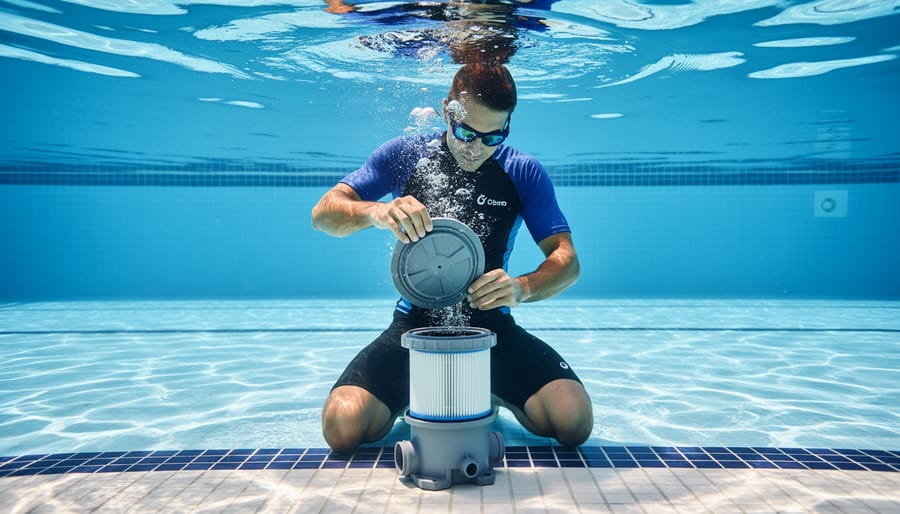
Cleaning your underwater filter is straightforward. Turn off the power first (always!). Lift the unit from the pond and remove any large debris from the intake. Rinse foam pads and sponges in pond water, never tap water. Chlorine kills the beneficial bacteria your filter depends on, so save those microbes by using water from your pond or a bucket of dechlorinated water.
Seasonal considerations matter too. In spring, give your filter a thorough inspection after winter dormancy. Check all seals, clean everything properly, and replace any media that looks deteriorated. Come fall, decide whether you’ll run your filter through winter or store it. If you’re in a climate with harsh freezes, storing might be safer.
Watch for warning signs that your filter needs immediate attention. Unusual noises often indicate debris stuck in the impeller. A significant drop in output means clogged media or a failing pump. Leaking around seals suggests worn gaskets that need replacement.
I learned this the hard way one summer when I delayed a simple cleaning. Within days, my previously clear pond turned murky. A 15-minute cleaning session fixed everything. Regular maintenance beats emergency repairs every time.
Common Problems and Quick Fixes
Even the best underwater pond filter can hit a snag now and then, but most issues are easier to solve than you might think. Let’s walk through the problems I see most often and how to fix them without calling in the experts.
If your filter suddenly seems weaker or water flow has slowed to a trickle, the foam pads are probably clogged. This happens faster than people expect, especially during spring and fall when debris piles up. Pull out the filter, rinse those pads under your garden hose (never use soap), and you’ll usually see flow restored immediately. I check mine every two weeks during heavy shedding seasons, which saves me from bigger headaches later.
Notice your pump making grinding or rattling noises? That’s typically the impeller telling you it needs attention. Disconnect the power first, then carefully remove the impeller cover and clean out any string algae, twigs, or pebbles that worked their way inside. A soft brush works wonders here. While you’re at it, inspect the impeller blades for cracks or wear.
Green water persisting despite regular cleaning suggests your UV bulb might be done. These bulbs lose effectiveness after about 10,000 hours of use, even if they still glow. Mark your calendar when you install a new one so you’ll know when replacement time rolls around, usually annually.
Is your filter running but the water clarity hasn’t improved? You might have the wrong size unit for your pond volume. Filters are rated for specific gallon capacities, and pushing one beyond its limits just won’t cut it. Double-check your pond’s actual volume and compare it to your filter’s rating. Sometimes adding a second filter or upgrading is the only real solution.
Finally, if your filter keeps tripping the electrical breaker, inspect the cord for damage and make sure connections are completely dry. Water and electricity don’t mix, so addressing this quickly matters for both your fish and your safety.
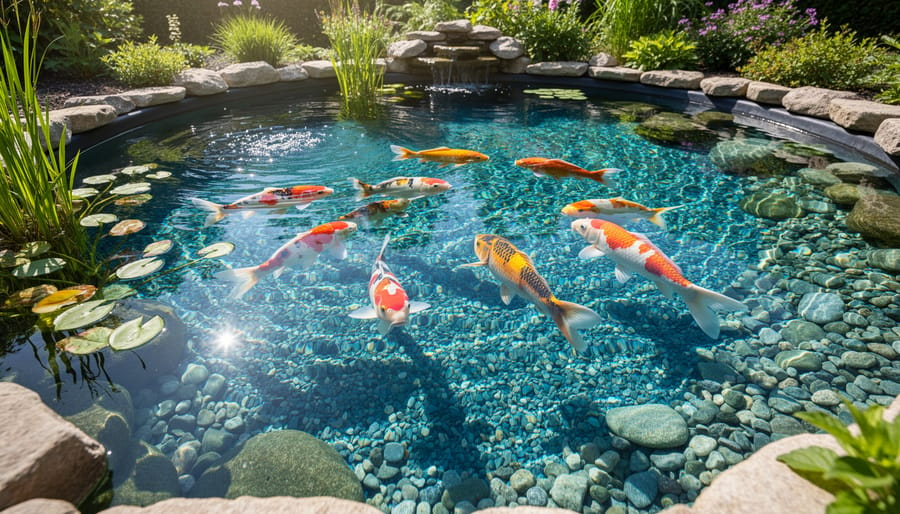
Underwater pond filters have earned their place as reliable workhorses in the pond filtration world. They’re compact, efficient, and perfectly suited for smaller ponds or water gardeners who want effective filtration without the visual bulk of external systems. You get mechanical and biological filtration in one unit, hidden beneath the surface where it quietly does its job while your pond remains the focal point.
Choosing the right filter comes down to honest assessment. Match the filter capacity to your pond size and fish load. Don’t cut corners on flow rate or media quality, because these choices directly affect how clear and healthy your water stays. Installation is straightforward, but taking time to position the unit properly and maintain good water circulation makes all the difference between mediocre results and truly impressive water quality.
Regular maintenance isn’t glamorous, but it’s simple. Rinse those filter pads, check your pump intake, and keep an eye on water flow. These small habits compound into a pond ecosystem that practically takes care of itself.
If you’ve been struggling with murky water or wondering whether an underwater filter fits your setup, you now have the information to decide confidently. Take stock of your pond’s specific needs, pick a quality unit that matches those requirements, and look forward to enjoying clearer, healthier water all season long.