
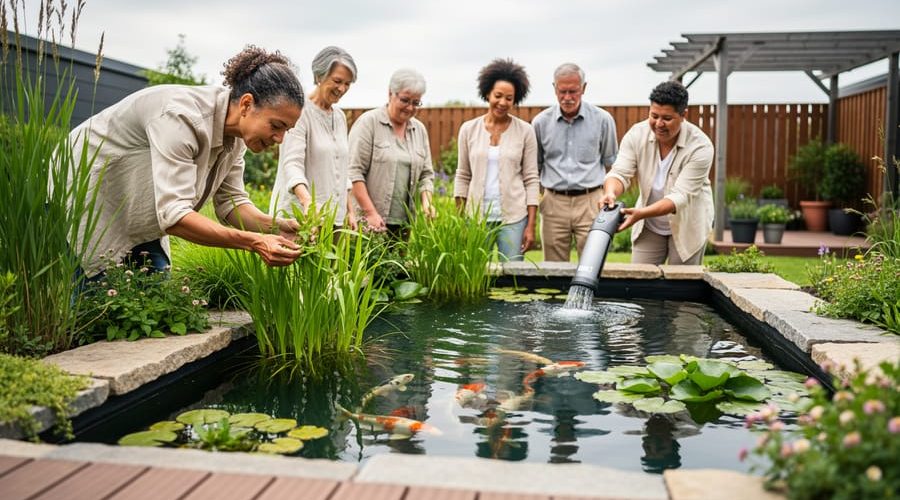
Cultural Exchange Programs for Adults: How Water Gardening Builds Global Connections
Cultural exchange programs for adults offer immersive international experiences that blend travel, skill-building, and cultural immersion, typically lasting one to twelve weeks and costing between $1,500 and $8,000 depending on destination and program structure. Unlike college study-abroad programs, these are designed for working professionals, retirees, and hobbyists who want to deepen expertise in a specific interest while connecting with like-minded people across borders.
You don’t need to be a student or take a career sabbatical to participate. Modern cultural exchange programs cater to niche passions, from culinary arts to traditional crafts to specialized outdoor hobbies. If you’ve ever dreamed of learning Japanese koi-keeping techniques in Niigata, studying aquatic plant cultivation in the Netherlands, or mastering natural pond filtration methods in Germany, programs exist that make these experiences accessible and structured.
The beauty of adult exchanges is their flexibility. Most offer part-time schedules that accommodate work or family commitments, and many include homestays or collaborative workshops that create genuine cultural connections rather than tourist experiences. You’ll gain hands-on skills you can’t learn from videos or books, build an international network of fellow enthusiasts, and return home with fresh perspectives that transform how you approach your craft.
For water gardening enthusiasts specifically, these programs open doors to centuries-old techniques and cutting-edge innovations practiced in pond cultures around the world. The combination of practical instruction, cultural context, and peer learning creates a uniquely valuable experience that goes far beyond a standard vacation or online course.
What Cultural Exchange Programs for Adults Offer
Adult cultural exchange programs flip the traditional study-abroad model on its head. Unlike youth exchanges built around academic credits and supervised activities, programs for adults trust you to direct your own learning journey. You’re not a student being shepherded through experiences, you’re a collaborator working alongside local practitioners who share your passion.
These programs prioritize depth over breadth. Instead of cramming multiple destinations into a tight schedule, you typically spend extended time in one location, building genuine relationships with host communities. A water gardening exchange might place you with a master pond builder in Kyoto for three weeks, or partner you with a botanical garden team in Cornwall for a summer season. The focus is mastery through hands-on practice, not observation from a tour bus.
Duration formats vary widely to fit adult lives. Weekend intensives work for quick skill-building, think a long weekend learning natural pool filtration techniques in Germany. Month-long placements suit serious hobbyists ready for a deeper dive. Some programs even offer seasonal options where you return to the same location year after year, following projects from design through maturity.
Research on cultural immersion study outcomes shows that adult participants gain more from self-directed, interest-based exchanges than structured educational programs. When you’re working beside someone who’s built forty koi ponds over thirty years, the learning is visceral. You absorb technique, yes, but also philosophy, how different cultures think about the relationship between water, plants, and tranquility. That understanding transforms your own practice in ways a classroom never could.
How the Water Gardening Cultural Exchange Program Works
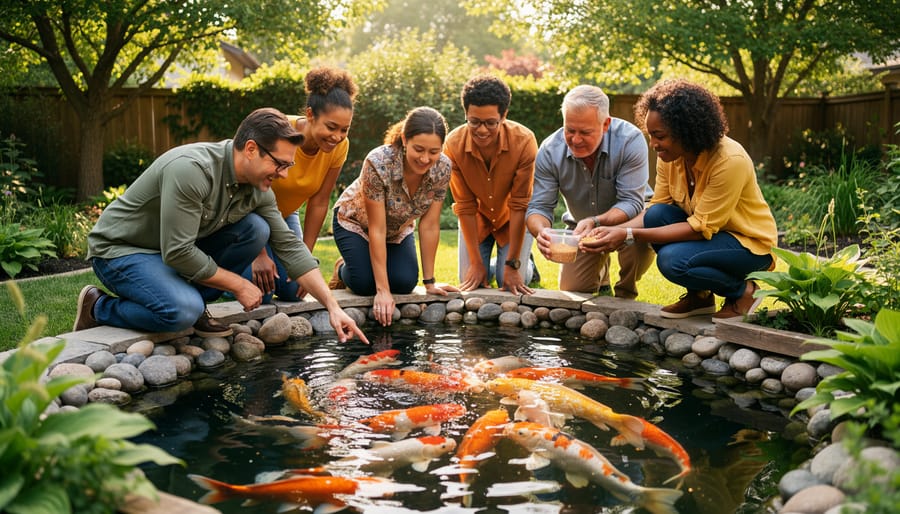
Application and Selection Process
Getting into a water gardening cultural exchange program is straightforward, but planning ahead helps. Most programs accept applications year-round, though they fill spots 3-6 months before departure dates. Start by gathering basic materials: photos of your current pond or water garden, a short statement explaining what you hope to learn, and references from local gardening clubs or community organizations if you’re involved with them.
Eligibility is typically broad. You’ll need to be at least 18, though there’s no upper age limit. Programs welcome beginners through advanced gardeners, enthusiasm matters more than expertise. Some require basic English proficiency if that’s the instruction language, but many exchanges work in local languages with translation support.
The selection process values genuine interest over credentials. Organizers look for participants who’ll engage respectfully with different gardening approaches and contribute to group learning. They’ll often conduct a brief phone or video interview to discuss your goals and match you with suitable host locations.
Submit applications early. Popular destinations like Japan’s koi pond regions or England’s historic water gardens fill quickly. Budget 2-3 weeks for program coordinators to review your application and confirm placement. Once accepted, you’ll receive detailed preparation materials tailored to your specific exchange location.
Program Duration and Formats
Water gardening exchanges come in several formats to fit different schedules and learning goals. Weekend workshops typically run Friday through Sunday, offering concentrated exposure to specific techniques like natural filtration systems or native plant integration. These work well if you’re testing the waters before committing to longer programs.
Week-long intensives provide deeper immersion, you’ll participate in daily pond maintenance routines, assist with seasonal preparations, and usually complete one hands-on project from start to finish. Many participants find this the sweet spot between time investment and meaningful skill development.
Multi-month exchanges (typically three to six months) suit those seeking comprehensive training. You’ll experience seasonal transitions in the garden, master regional plant cycles, and develop lasting relationships with host families. Several programs now offer split formats where you spend three weeks on-site, return home to implement what you learned, then reconnect virtually for ongoing mentorship.
Virtual components have expanded access significantly. Hybrid programs combine short in-person visits with monthly video sessions for project reviews and troubleshooting.
Choose based on what you want to accomplish. Learning specific techniques? A workshop suffices. Building design expertise across climate zones? Consider extended formats. Budget and work flexibility matter too, shorter programs cost less upfront but may require repeat visits to achieve similar depth.
What You’ll Learn and Experience
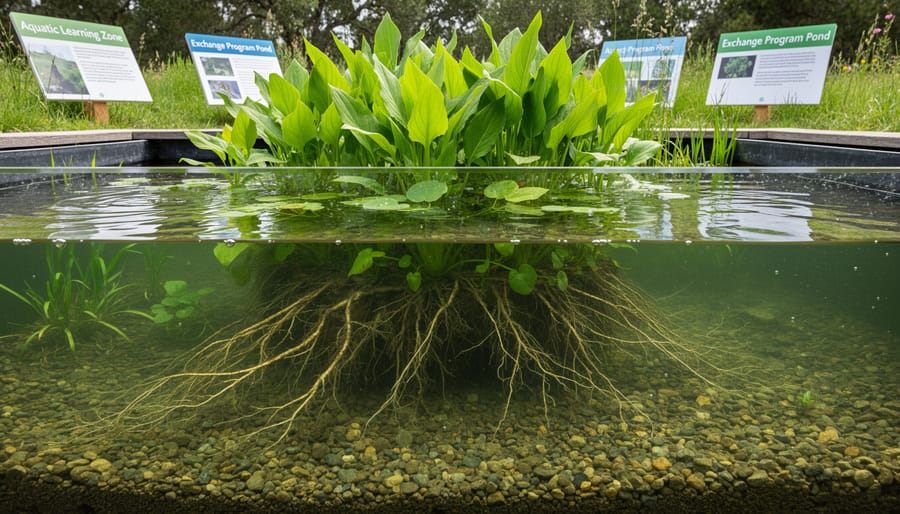
A water gardening cultural exchange opens doors to hands-on knowledge you simply can’t find in books or online tutorials. You’ll work alongside experienced gardeners who’ve inherited techniques passed down through generations, learning regional approaches to aquatic landscaping that reflect each culture’s relationship with water.
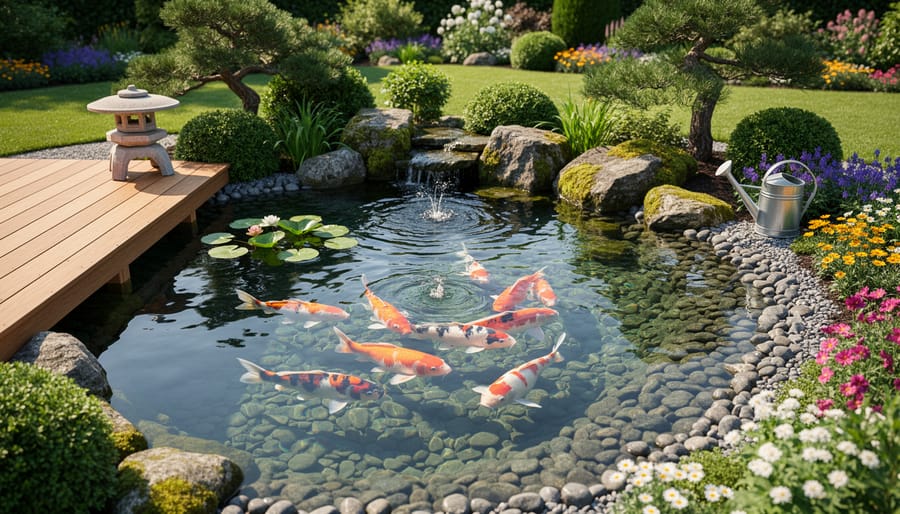
Plant selection becomes immediately practical when you’re standing in a host garden. Japanese exchanges often introduce participants to the art of cultivating nishikigoi-friendly aquatic plants like Japanese iris and lotus varieties bred specifically for koi ponds. In England, you might discover heritage water lily cultivars that thrive in cooler climates, while tropical exchanges in Thailand or Malaysia showcase floating plants like water lettuce and hyacinth used to naturally filter warm-water ponds. You’ll learn which species work together, how local gardeners source them, and tricks for establishing plants that might struggle in your home climate.
Pond construction methods vary dramatically across regions, shaped by available materials and environmental conditions. Korean participants often teach traditional clay-lined pond techniques, while Balinese gardeners demonstrate volcanic rock terracing for waterfalls. You might spend mornings mixing natural sealants with a Malaysian host or afternoons learning how German gardeners integrate biofilters into formal pond designs. These aren’t abstract concepts, you’ll get muddy, move stones, and understand why certain approaches work in specific contexts.
Fish-keeping wisdom takes on new dimensions through cultural exchange. Expert pond skills around feeding schedules, breeding practices, and seasonal care differ significantly between countries. Chinese goldfish keepers share observation techniques developed over centuries, while South African hosts might teach indigenous fish species management you’ve never encountered. You’ll discover how cultural attitudes toward fish, whether as ornamental features, spiritual symbols, or ecosystem balancers, shape daily care routines.
Water management challenges vary with climate, and exchanges teach adaptive solutions. Desert region gardeners excel at conservation and evaporation control, offering strategies invaluable anywhere water is precious. Monsoon-region hosts demonstrate overflow systems and flood management, while Nordic gardeners share ice damage prevention methods. Each environment teaches you to think differently about your own pond’s unique conditions.
Perhaps most valuable is absorbing different design philosophies, the contemplative minimalism of Japanese gardens versus the exuberant layering in Balinese temple ponds, or the geometric precision of French water features compared to naturalistic English wildlife ponds. These perspectives reshape how you see your own garden’s possibilities.
Preparing for Your Water Gardening Exchange
Getting your ducks in a row before departure makes all the difference. Start by creating a photo portfolio of your current pond, wide shots showing its setting, close-ups of plant arrangements, filtration setup, and any unique features. Print a few copies or load them onto a tablet; your hosts will love seeing what you’ve built and comparing approaches. Include measurements and a simple diagram if possible.
Pack light but smart. Bring a waterproof notebook for sketching pond layouts and jotting observations while kneeling by water features. A good camera or smartphone, gardening gloves that pack flat, and a small hand lens for examining plant details prove invaluable. Resist the urge to bring tools, hosts will have what you need, and you’ll learn by using their equipment.
Learn a handful of garden-specific phrases in your host country’s language. Beyond “hello” and “thank you,” master words like “pond,” “plant,” “filter,” “water,” “beautiful,” and “how do you…?” Even butchered pronunciation shows respect and often sparks laughter that breaks down barriers. Download a translation app as backup.
Research basic cultural norms around footwear (many Asian gardens require removing shoes), photography permissions, gift-giving customs, and meal etiquette. Bring a small thank-you gift that represents your region, nothing elaborate, just thoughtful.
Ask questions freely but also observe quietly. Some of the best lessons come from watching an experienced gardener’s hands as they prune aquatic plants or position stones. Offer to help with routine maintenance tasks; getting muddy alongside your hosts builds genuine connection.
Take notes on water garden design principles you encounter, but don’t feel pressured to adopt everything. The goal isn’t copying another culture’s approach wholesale, it’s expanding your creative vocabulary and understanding why different methods work in different contexts. Stay curious, stay humble, and soak it all in.
Costs, Funding, and Logistics
Understanding the financial commitment helps you plan realistically for your water gardening exchange. Most programs charge between $800 and $2,500 depending on duration and destination, with weekend workshops at the lower end and month-long immersive exchanges at the higher range.
Program fees typically cover your accommodation with host families or gardening organizations, all workshop materials and tools, group meals during organized activities, and local transportation to garden sites. You’ll have access to demonstration ponds, native plants for hands-on projects, and expert instruction without additional charges. Many programs also include a welcome orientation and farewell celebration with your cohort.
| Expense Category | Program Covers | You Pay Separately |
|---|---|---|
| Accommodation | Host family lodging | Pre/post-program hotels |
| Meals | Group meals, host dinners | Personal dining, snacks |
| Travel | Local site transport | International flights, visa fees |
| Insurance & Supplies | Basic materials, tools | Travel insurance, personal gear |
What you’ll need to budget separately includes international airfare, travel insurance with medical coverage, visa application fees if required, and personal spending money for souvenirs or independent exploration. Expect to add $400 to $1,200 for these extras depending on your departure location.
Funding options exist specifically for water gardening exchanges. The Global Aquatic Horticulture Foundation offers need-based grants up to $1,000 for first-time participants. Some regional garden clubs reimburse members who present what they learned at monthly meetings. Check whether your employer has professional development funds that apply to skill-building programs, even hobby-focused ones.
Beyond the Exchange: Maintaining International Connections
The real magic of a cultural exchange doesn’t end when you board the plane home. The connections you’ve made with host families, local gardeners, and fellow participants can become lifelong friendships that continuously enrich your water gardening practice.
Start by setting up a regular virtual meetup schedule. Monthly video calls work beautifully for showing each other seasonal changes in your ponds. When your host family’s lotus blooms in spring while you’re preparing for autumn planting, you’ll gain insights into year-round garden management you’d never find in books. Share photos of new additions, troubleshoot algae problems together, or simply catch up over coffee while your koi swim in the background.
Consider organizing swap plants with your international contacts. Sending cuttings or seeds across borders requires research into import regulations, but many aquatic plants can be legally shared. Your Japanese host might send you iris divisions while you return the favor with native water lilies, each plant becomes a living reminder of your shared experience.
Create collaborative projects that keep everyone engaged. Document how the same plant variety performs in different climates, or work together on designing a fusion-style water feature that combines techniques from multiple cultures. Similar to virtual aquarium tours you can host live garden walkthroughs where participants from different countries join simultaneously.
These ongoing connections transform a temporary exchange into a permanent global support network. You’ll have experts to consult when tackling unfamiliar techniques, friends to celebrate successes with, and a broader perspective that makes your own water garden richer.
Common Questions About Adult Water Gardening Exchanges
Is there an age limit for water gardening exchanges?
Most programs welcome adults of any age, typically 18 and up, with no upper limit. The focus is on enthusiasm and willingness to learn rather than age or experience level.
What if I don’t speak the host country’s language?
Many host families and gardening communities speak at least basic English, and hands-on activities create natural opportunities for learning through demonstration. Bringing a translation app and learning key gardening terms beforehand helps bridge any gaps.
Can I participate alone, or should I go with a group?
Both options work well. Solo participants often form deeper connections with host families and local gardeners, while small groups provide built-in companionship and shared experiences to discuss later.
When’s the best time to join an exchange?
Spring and early summer align with peak pond activity in most regions, making them ideal for hands-on learning. However, winter exchanges can reveal seasonal maintenance techniques and design planning processes you might otherwise miss.
How do I explain this to my family if they think it’s unusual?
Frame it as professional development for a serious hobby, emphasizing the skills you’ll bring back and connections that will help you improve your own water garden. Sharing program details and previous participant testimonials can help them understand it’s a legitimate learning opportunity.
Do I need to be an experienced water gardener to apply?
Not at all. Programs accept participants at all skill levels, from complete beginners to advanced practitioners looking to refine specific techniques.
If you’re still weighing whether an exchange makes sense for your situation, the chance to connect with experts who’ve participated can provide real-world perspective. Many past participants report that their initial hesitations, about cost, time away, or fitting in, dissolved quickly once they arrived and discovered a welcoming community united by shared passion. The practical skills matter, but the confidence boost from navigating an unfamiliar environment and succeeding stays with you long after you return home.
You don’t need decades of experience or a pristine show-garden pond to participate in a water gardening cultural exchange. What matters is your willingness to learn, share your own perspective, and connect with fellow enthusiasts who see water gardens as more than just backyard features.
These exchanges transform how you approach your pond. You’ll return home with practical techniques you can implement immediately, a deeper understanding of design philosophies from other cultures, and friendships that continue long after the program ends. The virtual garden tours, late-night messages comparing spring blooms, and collaborative problem-solving create a support network that spans continents.
Cultural exchange programs offer something rare: the chance to grow both your skills and your worldview simultaneously. Whether you spend a weekend learning Japanese koi care or a month exploring tropical aquatic plants, you’ll discover that water gardening speaks a universal language.
Start exploring programs that align with your interests and schedule. Your pond will reflect the journey, and the connections you build will enrich your practice for years to come.