Where Each Plant Thrives: Mastering the Five Zones of Your Pond

Picture your pond as a series of shelves descending into deeper water, each level creating a distinct home for different plants. Understanding these five aquatic zones transforms pond building from guesswork into strategic design, letting you create thriving habitats where plants naturally flourish at their ideal depths.
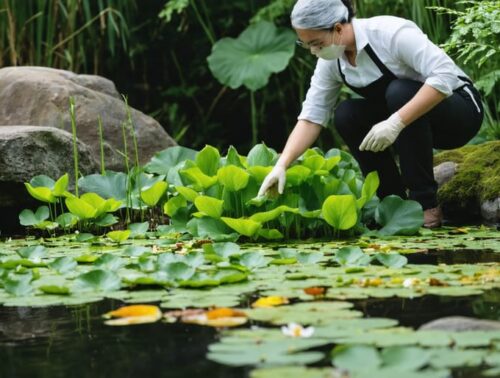
The marginal zone starts at the water’s edge, typically 0-6 inches deep, perfect for irises and cattails that anchor your pond’s perimeter. Moving deeper, the shallow water zone at 6-12 inches welcomes hardy plants like pickerel rush and arrowhead. The mid-depth zone between 12-18 inches becomes prime …

Read more Where Each Plant Thrives: Mastering the Five Zones of Your Pond

Water Hyacinth: Beautiful Blooms or Pond Nightmare?

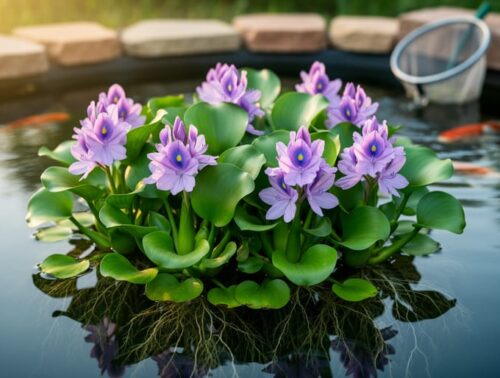
Check your local regulations before acquiring water hyacinth—this beautiful floating plant with lavender blooms is banned in many regions because it can quickly overtake natural waterways. If it’s legal in your area, you’re in for a treat: water hyacinth is one of the easiest pond plants to establish, requiring no soil, no planting tools, and minimal effort.
Simply place the plants directly on your pond’s surface between late spring and early summer when water temperatures reach 70°F or above. The dangling roots will naturally filter your water while the glossy green leaves create shade that helps control algae…
Read more Water Hyacinth: Beautiful Blooms or Pond Nightmare?

How Aquatic Plants Change Through the Seasons (And What You Need to Do About It)

Watch your pond transform through the seasons, and you’ll notice patterns: plants that explode with growth in June, water that clouds in March, and leaves that seem to multiply overnight each October. These aren’t random events. They’re your pond’s natural rhythm, and once you understand them, maintenance becomes less about fighting nature and more about flowing with it.
Most pond owners struggle because they treat their water garden the same way year-round. They wonder why their spring cleaning doesn’t prevent summer algae, or why their plants look stressed despite constant attention. The secret lies …

Read more How Aquatic Plants Change Through the Seasons (And What You Need to Do About It)

These Edible Bog Plants Will Transform Your Pond Into a Productive Oasis

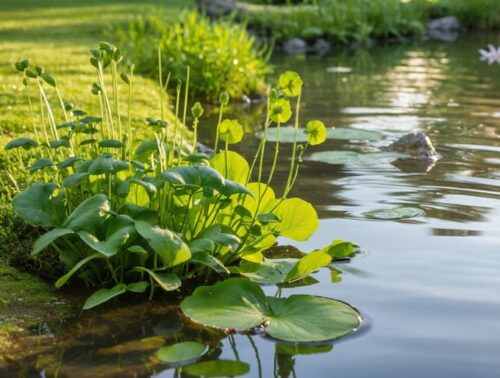
Your pond can produce fresh, edible harvests while looking beautiful and supporting a healthy ecosystem. Bog plants thrive in the shallow, waterlogged margins of water features where conventional vegetables struggle, turning otherwise decorative spaces into productive growing zones. Many water gardeners don’t realize they’re already creating perfect conditions for crops like watercress, water celery, and arrowhead tubers just by maintaining their pond edges.
The key is choosing plants that serve multiple purposes. Edible bog varieties filter water naturally, provide habitat for beneficial insects and amphibians, and give…

Read more These Edible Bog Plants Will Transform Your Pond Into a Productive Oasis

Feed Your Water Garden Right: Perfect Nutrients for Thriving Aquatic Plants

Nourish your essential aquatic plants with a balanced blend of nitrogen, phosphorus, and potassium to promote vibrant growth and flowering. Feed water lilies and deep-rooted species using slow-release fertilizer tablets pressed directly into the soil, ensuring nutrients reach the root zone. Supplement floating plants like water hyacinths with liquid fertilizer diluted to half-strength, applying directly to foliage during active growing seasons. Monitor nutrient levels monthly using simple …

Read more Feed Your Water Garden Right: Perfect Nutrients for Thriving Aquatic Plants

Transform Your Water Garden: Essential Aquatic Plants and Their Growing Secrets

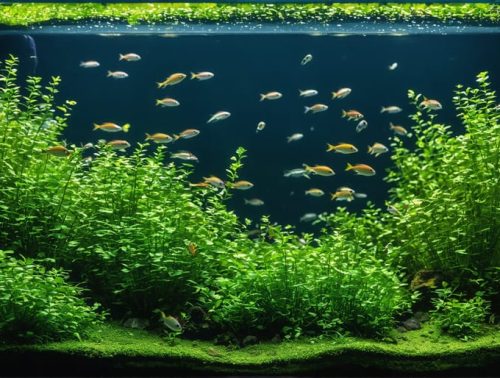
Dive into the fascinating world of aquatic plants, where these remarkable organisms play vital roles in creating a self-sustaining ecosystem in water gardens, ponds, and natural waterways. From floating beauties like water lilies to submerged oxygenators such as hornwort, aquatic plants come in diverse forms that serve unique purposes in water environments. Whether you’re setting up your first pond or expanding your water garden collection, understanding these distinct plant …

Read more Transform Your Water Garden: Essential Aquatic Plants and Their Growing Secrets

Transform Your Water Garden with These Perfect Plant Choices

Transform your water garden into a thriving aquatic paradise by mastering the essential elements of creating a balanced ecosystem. Water plants serve as natural filters, oxygen producers, and vital habitat creators in any aquatic environment. Position marginal plants like rushes and iris at the pond’s edge to stabilize banks and provide vertical interest, while floating varieties such as water lilies cover 60-70% of the water’s surface to regulate temperature and reduce algae growth. Deep-water plants anchor into …

Read more Transform Your Water Garden with These Perfect Plant Choices

Tough-as-Nails Water Plants That Make Your Pond Thrive

Transform your outdoor water feature into a dream pond paradise with hardy aquatic plants that thrive in challenging conditions. From deep-rooted water lilies to resilient marginal plants, these aquatic powerhouses form the backbone of any successful water garden. Unlike their delicate counterparts, hardy water plants bounce back from temperature fluctuations, survive winter dormancy, and maintain their vigor year after year with minimal maintenance. These tough performers not only create stunning visual …

Read more Tough-as-Nails Water Plants That Make Your Pond Thrive

Transform Your Pond into an Edible Paradise: Smart Ways to Grow Aquatic Food Plants

Discover the hidden potential of your backyard pond by cultivating edible pond plants that transform your water feature into a thriving food garden. Water chestnuts, watercress, and lotus roots offer both stunning aquatic displays and nutritious harvests throughout the growing season. These aquatic edibles require minimal maintenance while naturally filtering your pond water and creating essential habitats for beneficial wildlife.
From the protein-rich seeds of water lotus to the vitamin-packed leaves …

Read more Transform Your Pond into an Edible Paradise: Smart Ways to Grow Aquatic Food Plants

Save Your Pond Plants: Stop Edema Disease Before It Spreads

Inspect pond plant leaves for small, water-soaked blisters that eventually turn brown and corky – these are telltale signs of edema, one of the most common pond plant diseases. This physiological disorder occurs when roots absorb water faster than leaves can transpire it, causing cells to rupture and form unsightly bumps. Unlike fungal or bacterial infections, edema strikes when environmental conditions create an imbalance between water uptake and release. Understanding this distinction is crucial…

Read more Save Your Pond Plants: Stop Edema Disease Before It Spreads