
What the National Wildlife Federation Says About Invasive Species in Your Water Garden
Not always. The NWF watchlists identify species of concern, but legal restrictions vary by state and local jurisdiction.
Not always. The NWF watchlists identify species of concern, but legal restrictions vary by state and local jurisdiction.
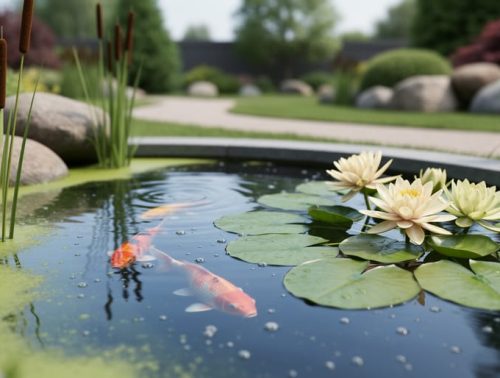
DNR invasive species lists are official state and regional inventories of prohibited or restricted plants, fish, and other organisms that threaten local ecosystems, and for water gardeners in 2026, these lists directly determine which pond plants and fish you can legally purchase, propagate, or keep in your backyard oasis. If you’ve ever browsed online plant catalogs or visited a fish supplier only to see “not available in your state” notices, you’ve encountered these regulations in action.
These government lists exist because certain popular water garden species, beautiful and harmless in their native ranges…
Revolutionize your pond management with modern genomic analysis tools that detect potential health issues before they become visible problems. These cutting-edge tests, once limited to research laboratories, now offer pond owners powerful insights into their water’s biological makeup right from home. By analyzing DNA samples from your pond water, you can identify harmful bacteria, parasites, and algae strains weeks before they cause visible symptoms – giving you the upper hand in maintaining pristine water conditions.
Today’s user-friendly genomic testing kits help pond enthusiasts make data-driven decisions about …
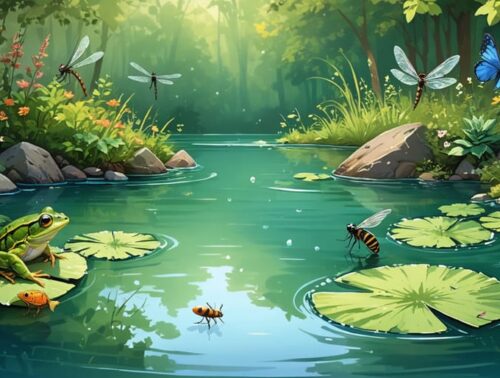
Transform your pond’s pest management by embracing nature’s own defense mechanisms. Sustainable pest control starts with creating a balanced ecosystem where beneficial insects, fish, and plants work together to keep harmful pests in check. Traditional chemical pesticides often disrupt this delicate balance, leading to recurring problems and potential harm to desirable pond inhabitants.
Smart pond design incorporates natural pest deterrents like floating plants that shade the water, reducing algae growth while providing shelter for pest-eating insects. Strategic placement of native species creates a self-regulating …

Climate fluctuations dramatically impact pond ecosystems, affecting everything from water quality to fish health. Regular monitoring of water temperature patterns helps predict and prevent potential issues before they escalate into major problems. Understanding these climate-driven changes is essential for responsible aquatic management, particularly as seasonal shifts become more unpredictable.
Ponds respond sensitively to environmental changes, serving as miniature ecosystems that reflect …
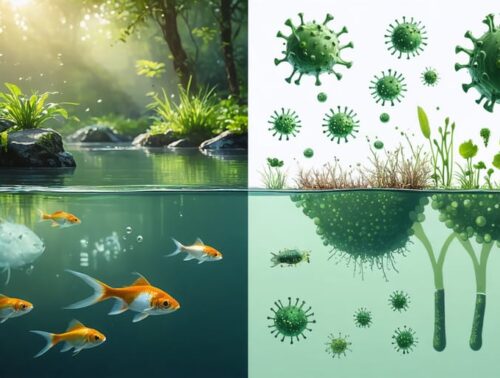
Emerging pathogens pose an increasingly urgent threat to pond ecosystems, demanding vigilant responsible aquatic management from every pond owner. From newly identified bacteria strains to evolving viral threats, these microscopic invaders can quickly transform a thriving water feature into a compromised environment. Recent studies have identified over 30 new aquatic pathogens in the past decade alone, with climate change and global water movement accelerating their spread. Understanding these emerging …
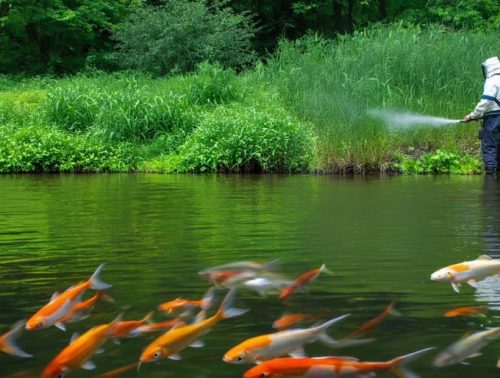
Control aggressive pond weeds through precise chemical treatments applied during early morning hours when oxygen levels peak. Monitor water temperature and pH levels before adding EPA-approved aquatic herbicides to ensure maximum effectiveness while practicing responsible aquatic management. Strategically target invasive species by spot-treating affected areas rather than whole-pond applications, protecting beneficial plants and maintaining ecological balance. Install bottom barriers or pond liners in …

Combat aphids effectively while protecting your aquatic ecosystem through integrated pest management – a balanced approach that combines prevention, biological control, and targeted intervention. These tiny sap-sucking insects can quickly multiply and damage water garden plants, but harsh chemical treatments risk harming beneficial insects and fish. Natural predators like ladybugs and lacewings, coupled with companion planting using aromatic herbs, create a sustainable defense against aphid infestations. Regular monitoring and early intervention allow gardeners to maintain healthy water gardens without disrupting the delicate balance…

Integrated Pest Management (IPM) strategically incorporates pesticides as just one tool within a comprehensive ecosystem-based approach to pest control. Rather than relying solely on chemical solutions, IPM practitioners first implement preventive measures, biological controls, and cultural practices to manage pest populations effectively. Pesticides serve as a last resort when other methods prove insufficient, and even then, they’re applied selectively and precisely to minimize environmental impact.
Think of IPM as a skilled gardener’s toolbox – while pesticides remain one of the tools available, they’re not…

Integrate natural predators, biological controls, and strategic plant placement to create a robust defense against common water garden pests without disrupting your pond’s delicate ecosystem. Smart pest management starts with prevention – maintaining optimal water quality, removing debris regularly, and selecting disease-resistant aquatic plants creates an environment where harmful insects struggle to establish themselves. Modern integrated pest management (IPM) combines time-tested organic methods with innovative monitoring techniques, allowing gardeners to spot potential problems before they escalate into full-blown …