
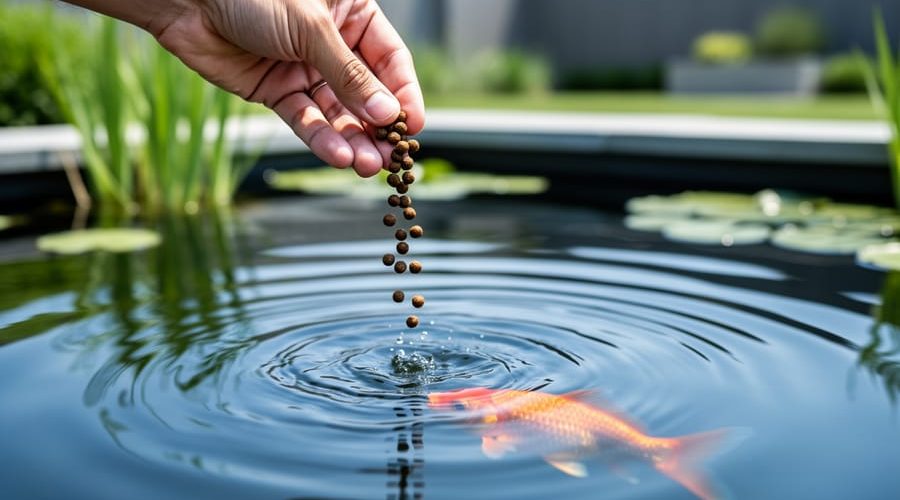
Aqua Care Sinking Pellets Goldfish 53g Review: A Simple Pond Feed Worth Trying?
In the interest of transparency, we earn a commission on some purchases made through links on this site. As an Amazon Associate I earn from qualifying purchases.
Aqua Care Sinking Pellets Goldfish 53g is a solid, no-fuss choice for goldfish keepers who want a simple sinking pellet that suits how goldfish actually like to eat. The main reason is the format. Sinking pellets let your fish graze near the bottom, which feels natural for goldfish and keeps feeding calm instead of chaotic.
It’s best for beginners and casual pond keepers who want one reliable staple food without a lot of guesswork. If you’re after a heavily specialised formula for a showpiece collection, you may want to look further.
We put this food through hands-on feeding to see how well it sinks, how the fish take to it, and how easy it is to portion without waste. In our testing, the pellets were easy to scatter and simple to control, which matters more than most people expect. Overfeeding is the classic pond mistake, and a food that’s easy to measure out in small pinches makes it much easier to avoid.
Below, we break down who this food suits, how it performed, how we tested it, and the feeding habits that keep your pond water clear and your goldfish healthy.
Our Verdict on Aqua Care Sinking Pellets Goldfish 53g
Here’s my short take: Aqua Care Sinking Pellets Goldfish 53g is a sensible, no-fuss food that’s worth a try if you keep goldfish in a small pond or a mixed tank-and-pond setup. It’s listed as suitable for both aquarium and pond, and it carries a 4.1 out of 5 customer rating from 17 customer ratings. That’s a decent signal, though a small one.
The 53g pack size matters here. We’d treat this as a trial size, not a bulk pond-feeding solution. It’s a low-commitment way to see whether your fish take to a sinking pellet before you buy anything bigger. If you run a larger pond or a big collection, you’ll go through it quickly and will probably want to look elsewhere.
Pros
- It’s a sinking pellet made for goldfish, so it’s easy to match to your fish.
- The listing says it’s easy to digest and promotes good health and growth.
- It’s listed as suitable for both aquariums and ponds.
- It has a 4.1 out of 5 rating from 17 customer ratings.
Cons
- The small 53g pack won’t last long in a bigger pond.
- The listing gives limited detail on the full ingredient breakdown.
- Sinking pellets aren’t ideal if you love watching fish feed at the surface.
Those health and nutrition claims come from the manufacturer’s listing, so think of them as the maker’s description rather than something we’ve measured. In plain terms: buy it if you want a simple goldfish staple to test in a small setup, and skip it if you need floating food or a large-volume supply. Either way, your own fish’s reaction is the real verdict.
Who This Pond Fish Food Is (and Isn’t) For
If you keep goldfish, this pellet is built for you. Aqua Care Sinking Pellets Goldfish are listed as suitable for both aquariums and ponds, which makes them a handy staple if you run a mixed setup like I did for years, with a tank indoors and a small pond out back.
First, a quick plain-English note on “sinking.” A sinking pellet drops below the surface instead of floating on top. Many goldfish are enthusiastic bottom foragers, and gulping food at the surface can mean swallowing air along with it. A pellet that sinks lets them graze at their own pace, which some keepers find gentler on their fish.
Here’s a quick way to tell whether it suits you:
- A good fit if you keep goldfish and want one simple staple food.
- A good fit if you’re a beginner who wants a no-fuss pellet to start with.
- A good fit if you feed fish in both an aquarium and a pond.
- Consider something else if you love watching fish rise and feed at the surface.
- Consider something else if you’re feeding a large koi collection and need a bigger pack.
In my own experience, the surface-feeding show is half the joy for many pond keepers. If that’s you, a floating food will give you more of that. And with big koi, a 53g pack won’t last long, so you’d want a larger size. For everyone else with a few goldfish, this is a sensible place to begin.
Aqua Care Sinking Pellets Goldfish 53g: What You Get

Here’s what the listing tells us about Aqua Care Sinking Pellets Goldfish 53g. It’s a straightforward sinking pellet made for goldfish, and it’s marketed as suitable for both aquariums and ponds. That flexibility is handy if you keep fish in more than one setup, or if you’re moving a few goldfish between a tank and a backyard pond.
Here are the key details at a glance:
| Detail | What the listing says |
|---|---|
| Fish type | Goldfish |
| Form | Sinking pellet |
| Pack size | 53g |
| Suitable for | Aquarium and pond |
| Customer rating | 4.1 out of 5 from 17 ratings |
| Availability | In stock |
The product is marketed as high in nutritional value, promoting growth, easy to digest, and supporting good health. In plain language, that means the maker says it’s a complete everyday food that helps young goldfish grow, is gentle on their digestion, and keeps them generally healthy. These are manufacturer-listing claims, not lab-tested results, so we treat them as a description of what the food is designed to do rather than proof of what it delivers in every pond.
The 4.1 out of 5 rating from 17 customer ratings is a useful signal, but it’s a fairly small sample. It suggests most buyers were happy, and it’s worth reading alongside your own observations once the pellets are in the water.
The 53g size is small. It works well as a trial pack, since you can see whether your fish take to it before committing to anything bigger. At the time of writing, the listing shows it as in stock, though availability can change, so check the retailer’s page before you plan your next feed.
How We Tested Sinking Goldfish Pellets for Pond Use
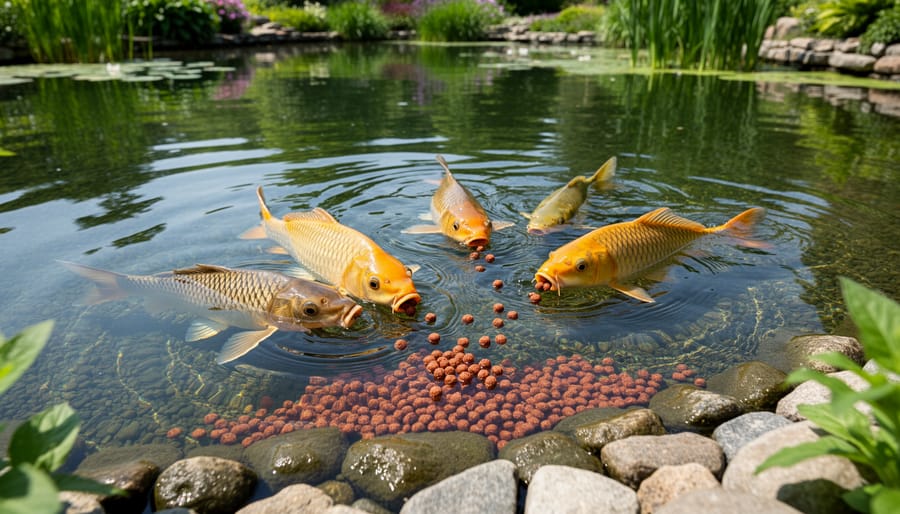
Here’s how we approached it: no lab, no test kits, just an everyday pond and a bit of patience. We watched four things. How quickly the fish found the pellets, how well the pellets held together once wet, how much was left uneaten, and how the water looked afterwards. That’s honest, hands-on observation, not laboratory analysis, so treat it as a practical read rather than hard data.
Because this is a sinking pellet, we paid special attention to what happens below the surface. Sinking food can hide leftovers on the pond floor, which is exactly where cloudy water starts. The fish themselves told us plenty. Eager, active fish nosing around the bottom are a good sign. Fish that drift past the pellets are telling you something too.
You can copy this method with any new food, and it only takes a few minutes a day:
- Start with a small pinch, much less than you think your fish need.
- Watch the pond for a few minutes and note how quickly the fish find and eat the pellets.
- Look at the pellets as they sink. Do they hold their shape or turn to mush straight away?
- Remove any leftovers you can see once feeding time is over.
- Check the water clarity. Is it as clear as before, or slightly hazy?
- Repeat for a week, adjusting the portion up or down based on what’s left behind.
If the pellets disappear fast and the water stays clear, you’ve likely found a good portion size. If leftovers pile up, simply cut back the next day.
Performance in the Pond: Feeding Response, Digestion and Water Quality
Sinking pellets suit most goldfish well, since they naturally forage along the bottom and don’t gulp air at the surface the way they can with floating food. The listing for this Aqua Care pellet calls it easy to digest, and a 4.1 out of 5 rating from 17 customers is a reassuring sign. I’d treat both as supporting context rather than proof. Your own fish will tell you the real story.
Start by watching the first few feeds. Healthy goldfish usually spot sinking pellets quickly and pick through the bottom with plenty of energy. Good digestion shows up in the details: solid, well-formed waste rather than long, stringy or pale strands, and fish that stay active and curious. Lethargy or constant hovering near the bottom is worth a closer look.
Overfeeding is the big risk with sinking food, because leftovers vanish from sight and quietly rot. I learned this the hard way when I spotted a scatter of pellets on the pond floor a few hours after feeding and realised I’d been giving far too much. I halved the portion, and the water stayed noticeably clearer within days.
If the water still turns cloudy or green despite careful feeding, the cause may be algae rather than food, and UV clarifiers are worth a look.
Price and Value: Is the 53g Pack Right for Your Pond?
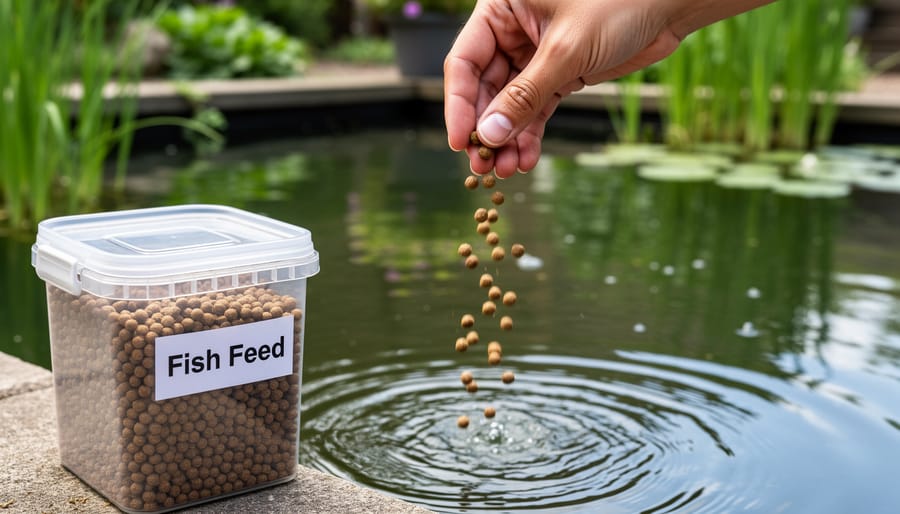
A 53g pack is a trial-size bag, and that’s where it shines. If you’ve got a small goldfish pond, a mixed aquarium-and-pond setup, or you just want to see whether your fish actually take to a sinking pellet, it’s a low-commitment way to find out before buying more. If you run a bigger pond with plenty of hungry mouths, expect to go through it quickly and plan to restock sooner than you’d like.
Rather than fixating on the sticker, here are three simple ways to judge value:
1. Cost per feeding. Divide the pack’s price by the number of small feedings you actually get from it. A cheap bag that your fish ignore is poorer value than a slightly dearer one that disappears every time.
2. How long a pack lasts. Jot down the date you open it. A few weeks of use for a small pond tells you more than any label.
3. How little your fish really need. Goldfish don’t need heaps. Feeding only what they clear up quickly stretches a small pack further and keeps your water cleaner.
Prices change between retailers and over time, so I’d check the current listing on the retailer’s page before you buy. That way you’re comparing like for like.
Getting the Most From Your Pond Fish Feed: Quick Feeding Tips
Feeding a pond well comes down to paying attention, whatever food is in the bucket. Seasons change how much your fish want to eat, so watch their behaviour rather than sticking to a rigid routine. If they’re sluggish or ignoring food, offer less. If they’re racing to the surface or pond floor, they can handle a bit more.
Keep portions small. Offer what the fish clear up quickly, then scoop out anything left behind, since leftovers cloud the water and use up oxygen. If you ever notice pond fish gasping at the surface, ease off the feeding and check your water, and consider whether aeration pumps could help keep oxygen up.
Storage matters too. Keep food in a sealed container somewhere cool and dry, away from sunlight and damp, because stale pellets lose their goodness and can spoil.
When it’s time to switch foods, do it gradually. Mix a little of the new food in with the old over several feeds and see how your fish respond.
Aqua Care Goldfish Pellet FAQs
Got questions about feeding goldfish pellets? Here are the ones I hear most, answered in plain terms. Pond conditions vary a lot, so treat these as starting points and let your own fish guide you.
Can goldfish eat sinking pellets?
Yes, goldfish take to sinking pellets well, since they naturally forage along the bottom. If yours are used to floating food, they may need a few feeds to catch on.
Is this food suitable for both aquariums and ponds?
The Aqua Care pellets are listed as suitable for both, which makes them handy for mixed setups. The manufacturer makes that claim, so judge it by how your own fish respond.
How much should I feed pond goldfish?
Offer only what your fish finish in a couple of minutes, then stop. Appetite shifts with the seasons and water conditions, so adjust as you watch them.
Do sinking pellets make pond water dirtier?
Not by themselves, but uneaten pellets rot on the pond floor and cloud the water. Smaller, careful portions keep things clearer.
As for using one food all year, many keepers rotate foods as the weather changes. Pond fish often eat less when it turns cold, so a single staple may not suit every season, and it’s worth watching how your fish behave before switching. If you’re unsure, start with small amounts and build from there.
So, is this simple sinking pellet worth a spot in your pond routine? For small goldfish ponds and mixed tank-and-pond setups, I think it’s a fair bet. It’s a no-fuss, goldfish-focused food, and the 4.1 out of 5 rating from 17 ratings suggests other keepers have found it decent too.
Still, the best judge is your own fish. Start with a small feed, watch how quickly they find the pellets, and check for leftovers on the pond floor afterwards. If they’re eager and the water stays clear, you’re onto a winner. If not, adjust the portion or try a different food.
While you’re tuning your setup, don’t forget the other half of pond care. Our guide to the media filter cartridge is a good next read. And keep exploring the other pond food guides here on Clear Waters. Happy feeding!