
Waterworks Education Center: Programs, Visitor Info, and How to Get Involved
A Waterworks Education Center is a specialized facility dedicated to teaching sustainable water management, aquatic ecosystems, and hands-on water gardening techniques through interactive exhibits, workshops, and community programs. These centers bridge the gap between environmental science and practical applications, giving pond enthusiasts and homeowners the knowledge to create thriving aquatic landscapes while understanding the broader role of water conservation.
If you’ve ever wanted to move beyond YouTube tutorials and actually get your hands wet learning proper pond construction, plant selection, or fish care, these centers offer something invaluable: expert guidance in a real-world setting. You’ll find demonstration gardens showcasing different pond styles, from formal koi ponds to naturalistic bog gardens, alongside workshops that cover everything from water chemistry basics to advanced filtration systems.
What makes waterworks education centers particularly useful for DIY water gardeners is their focus on regional solutions. The plants that thrive in a Minnesota pond won’t necessarily work in Arizona, and local centers tailor their programs to your climate zone and water conditions. Many also host plant exchanges, seasonal maintenance clinics, and troubleshooting sessions where you can bring photos of your algae problem or struggling lotus and get personalized advice.
These aren’t just classroom experiences either. Most centers feature working water features you can observe throughout the seasons, letting you see how different plants perform, watch pond ecosystems mature, and understand maintenance rhythms before committing to your own backyard project. Whether you’re planning your first small container water garden or expanding an existing pond, a visit can save you costly mistakes and shorten your learning curve considerably.
What Is the Waterworks Education Center?
The Waterworks Education Center is a community-focused facility dedicated to teaching sustainable water practices and fostering a deeper understanding of aquatic environments. Its mission centers on three core areas: water conservation techniques, the health and balance of aquatic ecosystems through education and practical approaches to responsible water use in home and garden settings. The center serves as both a classroom and a living laboratory where visitors can see water gardening principles in action.
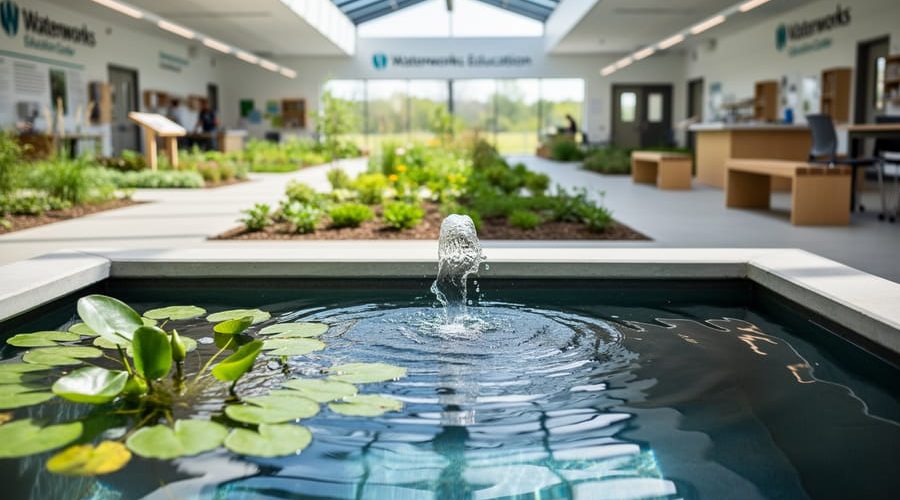
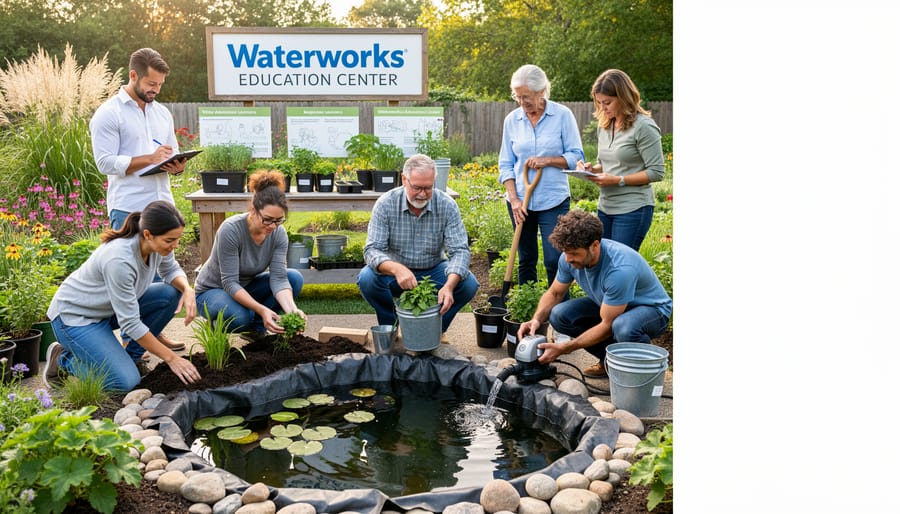
What sets this center apart is its emphasis on experiential learning. Rather than lecture-only sessions, the facility includes demonstration gardens showcasing various pond styles, from small container water gardens to larger naturalistic ponds with established plant communities. Visitors can observe different filtration systems, study native and ornamental aquatic plants in realistic settings, and examine water quality management techniques up close. The on-site classrooms connect directly to outdoor teaching areas, allowing instructors to move seamlessly between theory and practical demonstration.
The center’s water feature displays serve multiple purposes: they model sustainable design choices, illustrate biological filtration in action, and provide habitat for local wildlife. These aren’t showpieces for looks alone, they’re working examples of the principles taught in workshops, designed to help visitors visualize what’s possible in their own yards. Whether you’re planning your first backyard pond or refining an existing water garden, the center’s resources bridge the gap between intention and implementation.
Programs and Workshops Offered
The Water Gardening Cultural Exchange Program
The Water Gardening Cultural Exchange Program stands out as one of the center’s most innovative offerings, bringing together passionate water gardeners from diverse backgrounds to share knowledge and traditions. Through this cultural exchange program participants discover techniques passed down through generations in different cultures, from Japanese koi pond management to Mexican floating garden construction methods.
Monthly meetups feature guest gardeners who demonstrate regional approaches to pond design, filtration systems, and plant selection suited to various climates. You might learn in one afternoon how Vietnamese gardeners create tiered lotus displays or how Mediterranean water gardeners manage evaporation in hot, dry conditions. The program also facilitates plant swaps, where members exchange cuttings and seeds of aquatic species that thrive in their home regions, expanding everyone’s plant palette.
Beyond techniques, the exchange builds genuine friendships among local pond enthusiasts. Participants report that seeing water gardening through different cultural lenses sparks creativity in their own projects and deepens their appreciation for water as a universal element in outdoor spaces. The program welcomes gardeners at any skill level, whether you’re planning your first backyard pond or maintaining an established water feature. Sessions typically run two hours and include hands-on demonstrations, making complex concepts accessible through practical examples rather than lectures.
Who Should Visit the Waterworks Education Center?
The Waterworks Education Center welcomes anyone curious about water, but certain groups will find it especially valuable.
DIY water gardeners and pond owners get the most direct benefit. If you’re wrestling with algae blooms, unsure which pump suits your setup, or want to expand your plant collection, the center’s hands-on demonstrations and expert staff offer practical solutions you can apply immediately. You’ll see working examples of different pond styles and filtration systems, making it easier to troubleshoot your own setup.
Homeowners planning a water feature should visit before breaking ground. Seeing constructed ponds, understanding liner choices, and grasping maintenance requirements firsthand prevents costly mistakes. The center’s demonstration gardens show what works in real conditions, not just catalog photos.
Families and students benefit from interactive exhibits that make water science tangible. Kids learn about aquatic ecosystems while parents discover sustainable practices for their yards. Teachers often bring classes for field trips focused on conservation and habitat creation.
Conservation-minded individuals find a community of like-minded people and actionable strategies for reducing water waste. You don’t need a pond to care about water quality and ecosystem health.
Even complete beginners fit right in. The center’s strength lies in meeting people where they are, whether you’re sketching your first pond design on a napkin or managing a mature koi collection. The welcoming atmosphere encourages questions without judgment, making complex topics accessible to everyone.
Visiting the Center: What to Expect
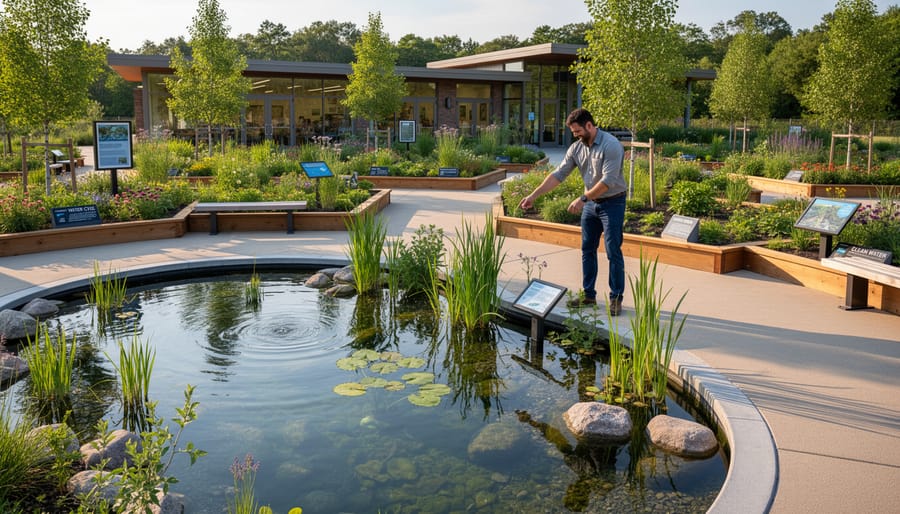
Walking through the front entrance, you’ll find yourself surrounded by the sights and sounds of water in motion, fountains trickling, streams flowing through demonstration gardens, and ponds alive with fish and aquatic plants. The center is designed as a working educational facility where every feature serves a teaching purpose.
Most visitors start at the main demonstration pond area, where you can see different pond construction methods side by side. You’ll notice liner ponds, preformed installations, and naturalistic designs, each labeled with details about materials, filtration systems, and plant selections. The teaching gardens showcase water-loving plants in various settings, from bog gardens to stream edges, giving you ideas you can adapt to your own space.
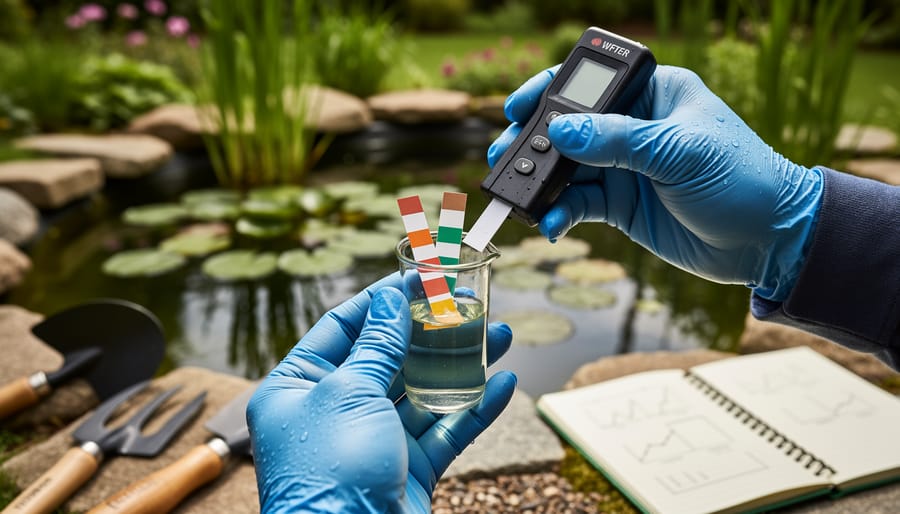
Inside the facility, educational displays cover water quality testing, fish health, and ecosystem balance. The water quality lab often has staff on hand to answer questions about pH, ammonia levels, and beneficial bacteria, the unsexy but crucial stuff that keeps ponds thriving. You’ll also find close-up aquarium displays showing different fish species and their care requirements.
| Visitor Option | Typical Duration | Best For |
|---|---|---|
| Self-Guided Tour | 30-60 minutes | First-time visitors, families browsing ideas |
| Scheduled Workshop | 2-4 hours | Hands-on learners, specific project planning |
| Group Visit | 1-2 hours | Garden clubs, schools, organized groups |
| Special Event | Varies | Seasonal topics, expert guest speakers |
Guided tours offer more depth, with staff walking you through the facility while explaining design choices and maintenance strategies. They’ll point out common mistakes to avoid and share tips you won’t find in books. Self-guided visitors still have access to informational signage and printed guides, but you miss the personalized advice and the chance to ask questions about your specific pond challenges.
How to Engage with the Waterworks Education Center
Getting involved with the Waterworks Education Center starts with a simple visit. Most centers welcome walk-ins during regular hours, but calling ahead ensures staff availability if you want to connect with experts about your specific pond questions. Check the center’s website or social media pages for current hours, upcoming events, and any seasonal closures.
To register for workshops, browse the online course calendar or pick up a printed schedule during your visit. Many centers offer both in-person and virtual sessions. Sign up early for popular classes like pond construction or koi care, as spots fill quickly. Some programs require advance payment, while others accept drop-ins with a suggested donation.
Volunteering opens doors to hands-on learning. Centers typically need help with garden maintenance, event setup, tour guiding, and administrative tasks. Contact the volunteer coordinator to discuss your interests and availability. Regular volunteers often get free workshop access and first dibs on plant sales or equipment demos.
Membership programs provide year-round benefits. Annual memberships usually include discounted workshop fees, priority registration, newsletter subscriptions, and invitations to members-only events where you can join plant swaps and network with fellow enthusiasts. Family memberships make participation more affordable for multiple household members.
When planning your first visit, bring a notebook for jotting down plant names and care tips. A camera helps document design ideas from demonstration gardens. Wear comfortable shoes for walking outdoor displays, and dress for the weather since much of the center may be outdoors. If you’re tackling a specific project, bring photos or measurements so staff can offer tailored advice.
Online resources extend learning beyond physical visits. Many centers post care guides, video tutorials, and seasonal maintenance checklists on their websites. Join email lists to receive workshop announcements and water gardening tips throughout the year.
Common Questions About the Waterworks Education Center
Do I need prior experience to attend workshops?
No experience is necessary. The center designs programs for all skill levels, from complete beginners building their first small pond to advanced water gardeners tackling complex filtration systems. Instructors adjust the pace and content based on participant backgrounds.
Are programs free or do they have fees?
Most workshops and specialized classes require registration fees to cover materials and instructor time, while general tours and some community events are often free. Membership typically includes discounts on paid programs and occasional members-only sessions.
Can I bring my family and children?
Families are welcome at most events. Many programs are designed specifically for kids and parents to learn together, while some technical workshops may be better suited for adults. Check individual program descriptions for age recommendations before registering.
How often are programs offered?
The center runs a regular schedule with workshops offered weekly or monthly depending on the season. Spring and early summer see the most frequent programming when water gardening activity peaks, while fall and winter focus on maintenance topics and planning sessions.
Can I get one-on-one advice for my specific pond project?
Yes. Many centers offer consultation services where staff or volunteers review your project plans, photos, or water quality issues and provide tailored recommendations. Some consultations happen during open hours, while others require appointments.
Beyond these common concerns, first-time visitors often wonder about accessibility. Most education centers design their grounds with walkable paths around demonstration ponds and accessible classroom spaces. If you have mobility considerations or specific learning needs, calling ahead lets staff prepare to make your visit comfortable and productive. Bringing a notebook and camera helps you capture ideas and techniques you’ll want to remember when you get home to your own water garden.
The Waterworks Education Center offers something valuable whether you’re planning your first backyard pond or refining years of water gardening experience. Hands-on workshops, expert guidance, and a community of fellow enthusiasts make it easier to turn your vision into reality, and avoid common pitfalls along the way.
Learning alongside others who share your passion for aquatic environments creates connections that extend beyond the classroom. You’ll pick up practical techniques, discover new plant varieties, and gain confidence to tackle projects you might have hesitated to try alone.
The center welcomes everyone, from curious beginners to seasoned pond keepers looking to expand their skills. Stop by for a visit, register for a workshop, or simply explore the demonstration gardens. You’ll leave with ideas, inspiration, and the knowledge to create thriving water features that bring beauty and wildlife to your outdoor space for years to come.