
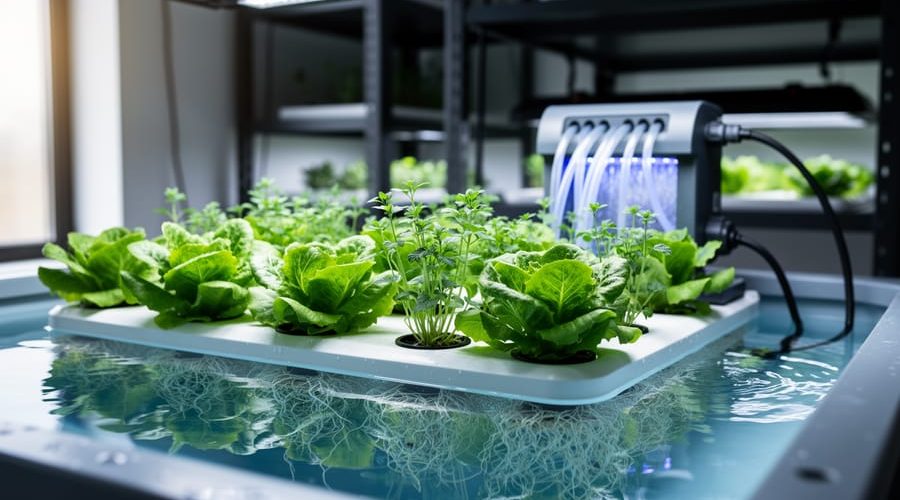
7 Best Hydroponic Gardening Books for Water Garden Enthusiasts, Curated
If you’re part of a water gardening book club, seven standout hydroponic titles can deepen your understanding of soil-free cultivation while building on the expertise you’ve already developed with aquatic ecosystems. These books bridge the gap between your pond knowledge and modern indoor growing, offering practical systems like nutrient film technique and deep water culture that mirror the water management skills you use every day. The best picks connect aquaponics principles to your existing fish and plant balance experience, making the transition feel natural rather than overwhelming.
Why does this matter for water gardeners specifically? You already understand pH levels, oxygenation, and the nitrogen cycle. Hydroponics simply applies those concepts to vegetable and herb production year-round. The learning curve flattens dramatically when an author explains how lettuce roots thrive in flowing water the same way your pond plants stabilize a water feature.
Book clubs thrive on discussion-worthy material, and hydroponic gardening delivers plenty. Members can compare notes on DIY system builds, troubleshoot algae problems together (sound familiar?), and even plan group projects like constructing a simple raft system. You’ll learn water garden skills that translate directly into faster vegetable growth and fewer pest headaches.
This guide walks through seven books chosen for their clarity, relevance to water-based growing, and ability to spark meaningful club conversations. Each recommendation includes what makes it valuable for your unique background and how to mine it for engaging meeting topics.
How We Chose These Hydroponic Gardening Books
We put real thought into selecting these seven titles. As water gardeners ourselves, we know you’re not starting from zero, you already understand water chemistry, biological filtration, and plant nutrition from managing ponds and aquatic systems. We wanted books that honor that expertise while opening doors to soil-free growing.
Here’s what guided our choices:
- Direct relevance to water gardening principles like nutrient cycling, water quality, and pH management
- Accessible language that explains hydroponics without overwhelming jargon or chemistry lectures
- Practical systems you can actually build in or near your existing water garden spaces
- Balance of beginner-friendly introductions and deeper technical content for experienced gardeners
- Recommendations from fellow water gardening enthusiasts and book club discussions
We didn’t just grab the most popular hydroponics titles. We looked specifically for books that speak to pond lovers, DIY builders, and anyone who’s spent time tweaking water parameters and watching plants thrive in aquatic environments. Each recommendation builds on skills you likely already have, making the transition to hydroponics feel natural rather than intimidating.
1. Hydroponics for the Home Grower, A Practical Introduction
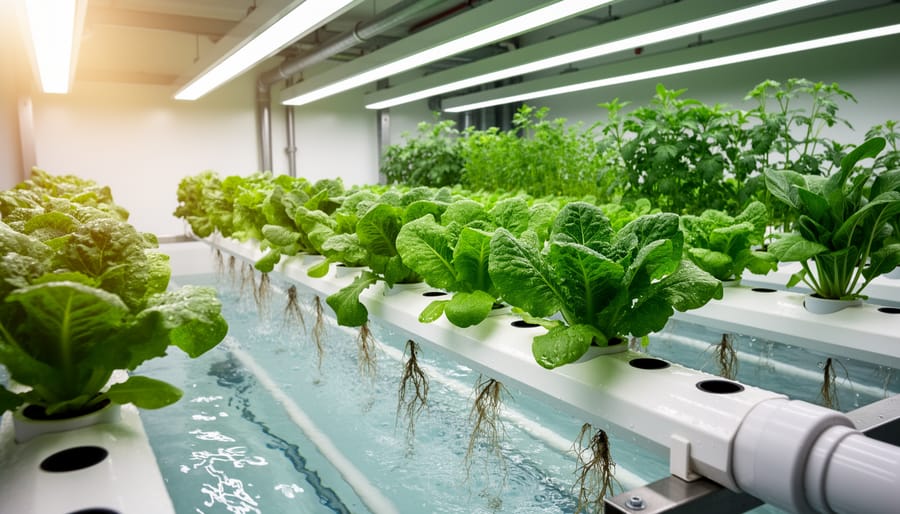
Hydroponics for the Home Grower by Tyler Baras offers the perfect starting point for water gardeners curious about soil-free cultivation. If you’ve already mastered pH testing and water quality in your pond, you’ll find the transition to hydroponic systems surprisingly natural.
Baras wrote this guide specifically for beginners, avoiding jargon while covering nutrient solution basics, water chemistry fundamentals, and simple system designs. The book breaks down how plants absorb nutrients directly from water, a concept pond keepers intuitively understand from managing algae and aquatic plant health. You’ll appreciate chapters on monitoring dissolved oxygen and maintaining optimal water conditions, skills you’ve likely honed through years of pond care.
What sets this title apart is its step-by-step approach to building starter systems using household materials. Baras explains the nitrogen cycle in hydroponic contexts, drawing parallels to biological filtration in fish ponds. For readers interested in combining both worlds, this foundation prepares you beautifully for more advanced topics like fish-powered aquaponics.
The conversational tone matches the supportive spirit of water gardening communities. Each chapter includes troubleshooting tips and realistic expectations, so you won’t feel overwhelmed. Start here if you want a friendly introduction that respects your existing water management expertise while opening doors to year-round indoor growing.
2. The Aquaponic Gardener, Bridging Fish and Plants
If you already maintain a koi pond or goldfish pool, The Aquaponic Gardener by Laura Allen will feel like a natural next step. This book bridges the gap between your existing water gardening knowledge and soil-free food production by showing how fish waste becomes plant fertilizer, a concept you’re already witnessing in your pond’s ecosystem.
Allen breaks down the nitrogen cycle without drowning you in chemistry textbook language. She explains how fish excrete ammonia, beneficial bacteria convert it to nitrates, and plants absorb those nitrates as food, then she shows you how to harness this process in a controlled system. For pond keepers who’ve watched their waterlilies thrive on fish waste, this explanation clicks immediately.
The book shines in its practical setup guidance. Allen walks through flood-and-drain systems, media beds, and raft systems scaled for home gardeners, not commercial operations. She addresses real concerns like balancing fish health with plant needs, choosing compatible species, and troubleshooting cloudy water, problems you’ve likely already solved in your ornamental pond.
What makes this title especially valuable is its focus on observation and adjustment rather than rigid formulas. Allen encourages readers to learn their system’s rhythms, much like you’ve learned your pond’s seasonal patterns. The book includes simple tests for monitoring water quality, turning your pond management experience into an aquaponic advantage.
3. DIY Hydroponic Gardens, Step-by-Step Projects
DIY Hydroponic Gardens: Step-by-Step Projects lives up to its title with clear, photo-rich instructions that feel tailor-made for water gardeners who love building things. If you’ve ever assembled a pond filter system or constructed a waterfall, you’ll recognize the same methodical, problem-solving approach here. The book walks you through building several hydroponic setups from scratch using materials you can find at hardware stores, no specialty hydroponic shop required.
What makes this particularly appealing is how the projects scale. You start with a simple Kratky jar (basically a mason jar with a net pot), then progress to more ambitious builds like nutrient film technique (NFT) channels and deep water culture reservoirs. Water gardeners already understand circulation, oxygenation, and water level management from maintaining ponds, so these concepts translate beautifully. The deep water culture chapter is especially accessible, showing how to start DWC systems with an aquarium air pump, equipment many pond owners already have on hand.
Each project includes troubleshooting sections that address real problems (algae growth, root rot, pump failures) with practical fixes rather than theory. The writing assumes you’re comfortable with tools and water management, which perfectly matches the DIY pond builder mindset.
4. The Water Culture Handbook, Advanced Techniques
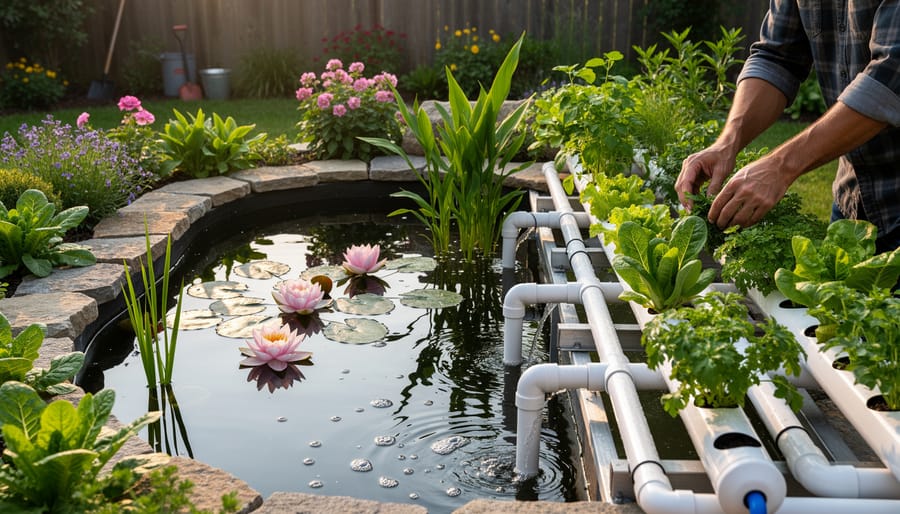
If you’ve managed a koi pond or balanced a water garden ecosystem, you already know that water quality isn’t just important, it’s everything. The Water Culture Handbook: Advanced Techniques builds on that foundation and takes you into the precise science of hydroponic water management.
This book isn’t for absolute beginners. It dives straight into pH monitoring, electrical conductivity (EC) readings, and nutrient balance with the assumption that you’re comfortable testing water and making adjustments. The difference? Instead of managing fish waste and algae, you’re fine-tuning mineral concentrations to feed plants directly through their roots.
What makes this handbook valuable for water gardeners is its practical troubleshooting approach. You’ll find detailed guidance on identifying nutrient deficiencies by leaf symptoms, correcting imbalanced solutions, and preventing root diseases in water-based systems. The author explains complex chemistry clearly, using real-world scenarios rather than academic jargon.
Expect chapters on oxidation-reduction potential, dissolved oxygen levels, and water temperature effects, topics that overlap beautifully with pond management. The book includes conversion charts, recommended EC ranges for different crops, and step-by-step protocols for adjusting solutions.
It’s technical, yes, but if you’ve ever chased down an ammonia spike or debugged cloudy pond water, you’ll appreciate the methodical, problem-solving mindset this handbook brings to hydroponics.
5. Edible Water Gardens, Growing Food in and Around Ponds
This title occupies a sweet spot for water gardeners curious about hydroponics: it starts with the familiar territory of pond edges and gradually introduces soil-free growing methods. Written with pond enthusiasts in mind, it explores how to transform your water garden into a productive food source without abandoning the aesthetic principles you already love.
The book dedicates substantial chapters to edible marginal plants like watercress, water celery, and cattails, explaining which varieties taste best and how to harvest without disrupting your pond ecosystem. You’ll find practical guidance on building simple hydroponic rafts that float alongside your water lilies, growing lettuce and herbs in shallow channels fed by pond water, and designing bog gardens that produce cranberries and wild rice.
What makes this resource particularly valuable is its dual focus. Half the content covers traditional edible water plants you can integrate into existing ponds, while the other half introduces basic hydroponic systems that complement your water features. The author walks you through testing pond water for nutrient content, understanding which fish waste products benefit food crops, and balancing ornamental beauty with edible productivity.
The photography alone inspires, every example garden proves you don’t have to sacrifice aesthetics for food production. Perfect for readers who want one foot in water gardening and one in hydroponics.
6. Small-Space Hydroponics, Indoor and Patio Systems
If you have a small patio, a sunny balcony, or just a kitchen counter with decent light, you don’t need acres of pond space to enjoy the principles you’ve learned from water gardening. Small-Space Hydroponics by Peter Burke makes compact, apartment-friendly growing systems approachable and fun, which is perfect if you want to keep your hands in nutrient-rich water even when the outdoor pond season winds down.
Burke walks you through countertop herb gardens, wall-mounted vertical towers, and balcony bucket systems that fit in tight corners. The book explains artificial lighting in plain English (think spectrum, wattage, and placement without the physics lecture), so you can grow basil or lettuce year-round under LED panels. The step-by-step photos show exactly how to set up each system in an afternoon, and the troubleshooting section covers common beginner mistakes like overwatering and nutrient imbalances.
What makes this title ideal for water gardeners is the emphasis on water efficiency and recirculation, concepts you already manage in your pond. Burke’s compact designs mimic the closed-loop thinking you use outdoors, just scaled down to a windowsill or a fire escape railing.
7. The Complete Guide to Nutrient Solutions and Water Chemistry
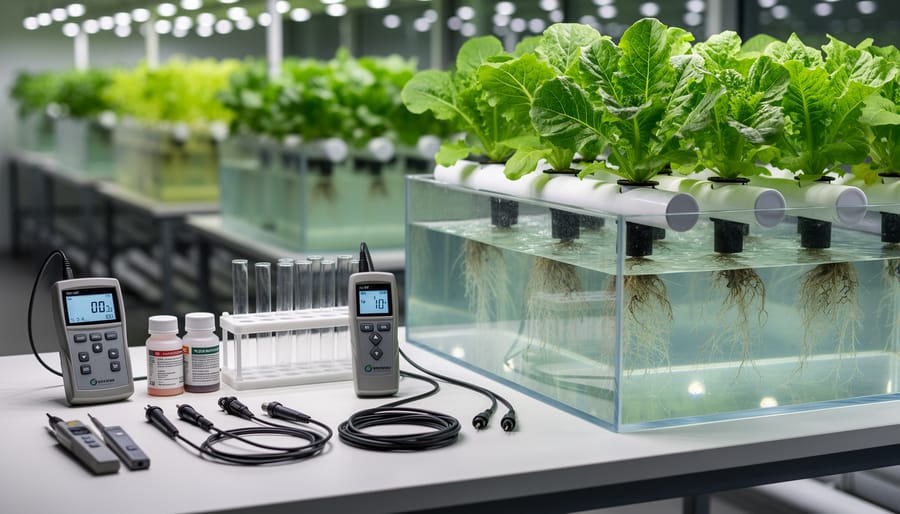
If you’ve spent any time balancing pH in a koi pond or puzzling over algae blooms, The Complete Guide to Nutrient Solutions and Water Chemistry will feel like coming home, but with new tools in hand. This book takes the water quality principles you already apply to your pond and shows how they translate into precise hydroponic nutrient management. You’ll recognize familiar concepts like pH buffering, dissolved oxygen levels, and nutrient cycling, but here they’re applied to feeding plants directly through water rather than supporting an aquatic ecosystem.
What sets this guide apart is its practical approach to the science. Instead of overwhelming you with chemistry equations, it explains why calcium and magnesium ratios matter, how to read electrical conductivity (EC) meters, and what happens when your nutrient solution drifts out of balance. For water gardeners who’ve already learned to test and adjust pond chemistry, these skills expand naturally into hydroponic growing.
The troubleshooting sections are gold, they teach you to diagnose nutrient deficiencies by looking at leaf symptoms, exactly the way you’d assess fish behavior or plant health in your pond. If you’re looking for water garden club ideas this book offers rich discussion material on water chemistry fundamentals that connect both hobbies. It’s dense but rewarding, perfect for gardeners ready to geek out on the science behind what makes plants thrive.
Bringing Hydroponic Books Into Your Water Gardening Book Club
Bringing a hydroponic book to your regular water gardening meet-up might feel like a stretch at first, but the overlap is bigger than you’d think. Start by choosing one title from this list that matches your club’s current skill level, if you’re all pond pros comfortable with nitrogen cycles and water testing, jump straight into The Water Culture Handbook or The Complete Guide to Nutrient Solutions. If your group skews toward hands-on projects, DIY Hydroponic Gardens will give everyone something to build and compare notes on.
When you introduce the book, frame it through water gardening concepts your club already knows. Ask members to spot parallels: How does managing pH in a hydroponic reservoir compare to balancing pond chemistry? What can we learn about oxygenation from deep water culture systems that applies to koi ponds? These connections make the content click faster and keep the discussion grounded in shared experience.
You can also structure a few sessions around the book’s chapters, dedicating one meeting to nutrient solutions and inviting everyone to bring their pond water test kits to compare readings. Another session could focus on system design, where members sketch out how they’d integrate a small hydroponic bed near their existing water feature. The hands-on angle keeps it from feeling like homework and turns the reading into a launchpad for real experiments.
If your club likes guest speakers or field trips, consider visiting a local hydroponic farm together after finishing the book, or invite someone who runs an aquaponics setup to walk through their system. Seeing the principles in action cements the reading and sparks new ideas for your own water gardens.
Common Questions About Hydroponic Gardening Books for Water Gardeners
Do I need hydroponics experience to start reading these books?
Not at all. Most of these titles assume you’re starting fresh with hydroponics, and your existing water gardening skills, managing water quality, understanding nutrient cycles, actually give you a head start over complete beginners.
Can I use pond water for hydroponic systems?
While pond water contains nutrients, it’s unpredictable and may harbor algae, bacteria, or inconsistent mineral levels that make precise nutrient management difficult. Clean, filtered water with controlled nutrient solutions works better for most hydroponic setups.
Are these books suitable for complete beginners?
Yes. The first three recommendations are designed for newcomers, with step-by-step instructions and minimal jargon. If you’ve successfully maintained a pond, you already understand water chemistry basics that trip up many hydroponic beginners.
How do hydroponics and water gardening actually overlap?
Both rely on managing water quality, nutrient balance, and oxygenation. Aquaponics takes this further by combining fish-keeping with plant growing, essentially a productive version of your ornamental pond. The monitoring skills transfer directly.
Which book should I read first?
Start with “Hydroponics for the Home Grower” if you want broad fundamentals, or jump straight to “The Aquaponic Gardener” if you’re eager to connect your fish and plant hobbies. Both ease you in gently.
These questions come up regularly in water gardening circles when members start exploring hydroponics. The beauty of bringing your pond experience to soil-free growing is that half the learning curve disappears, you already think in terms of water parameters, biological filtration, and system balance. These books simply apply that mindset to vegetable and herb production instead of ornamental plants and koi.
You already understand water quality, nutrient cycles, and the delicate balance that keeps living systems thriving. Hydroponics isn’t a leap into unfamiliar territory, it’s a logical extension of what you do every day with your pond or water garden. These seven books give you practical, accessible entry points that respect your existing expertise while opening new possibilities for growing food and plants without soil.
Pick the title that speaks to your current curiosity. If you’re intrigued by how fish and plants can work together in new ways, grab the aquaponics guide. If you love building things and want a weekend project, try the DIY hydroponics book. If you’re ready to geek out on water chemistry in a fresh context, the nutrient solutions handbook is waiting.
Once you’ve read a chapter or two, bring your discoveries to your next book club meeting or share them here in the Clear Waters community. What surprised you? What techniques might work alongside your pond? What questions came up? Your insights help all of us grow, and there’s real joy in exploring these connected hobbies together. We’d love to hear which book you choose and what you learn from it.