
What Is a Water Story (and How Does It Bring Your Pond to Life)?
A water story is the living narrative that unfolds around your pond from the day you break ground to every season, plant, fish, and visitor that follows. It’s the personal chronicle of your water garden’s evolution, capturing both the planned triumphs and the unexpected turns that make your pond uniquely yours.
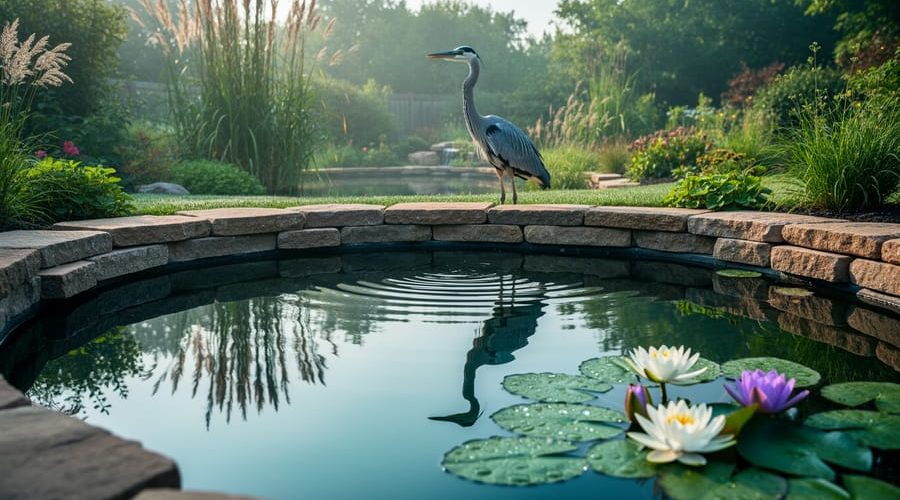
Every pond keeper has a water story, whether they’re actively documenting it or not. The difference lies in recognizing these moments as they happen and choosing to preserve them. Maybe it’s the first time a heron visited at dawn, the year your water lilies finally bloomed after three stubborn seasons, or the weekend you spent elbow-deep in muck solving a persistent algae problem. These aren’t just memories. They’re the chapters that transform a water feature into something with depth and character.
What makes water stories valuable goes beyond nostalgia. When you capture your experiences, you create a reference library for your future self. That photo of your pond before the cattails spread? Essential when you’re trying to remember where everything started. The notes about when ice formed last winter? They’ll guide your winterization timing for years to come. And when things go wrong, as they inevitably do in water gardening, your documented solutions become troubleshooting gold.
This article walks you through what water stories actually encompass, how they naturally develop through your pond-keeping journey, the different types you’ll encounter, and practical ways to capture and share them with fellow water gardeners who understand exactly why you’ve taken seventeen photos of the same frog.
What a Water Story Really Means
A water story is the complete, unfolding narrative of your water garden, everything from the spark of inspiration that led you to dig the first shovelful of earth to the dragonflies dancing over the water five summers later. It’s not just what your pond looks like today. It’s the why behind it, the how it came together, the setbacks you weathered, the wildlife that claimed it as home, and the moments that made you pause and think, “This is why I built this thing.”
Every pond tells a different story because every gardener brings different dreams, every backyard has different challenges, and every ecosystem attracts its own cast of characters. Your story might start with wanting to attract birds or create a tranquil retreat after stressful workdays. It might include the comedy of errors during liner installation, the triumph of your first blooming water lily, or the unexpected arrival of frogs you never stocked but who decided your pond was perfect.
- Narrative Arc
- The progression from initial vision through construction challenges to a mature, balanced ecosystem, the full journey of your pond’s development over months or years.
- Pond Journey
- Your personal experience as a water gardener, including the learning curve, mistakes made, successes celebrated, and evolving relationship with your water feature.
- Seasonal Chapters
- The distinct phases your pond moves through each year, spring awakening, summer abundance, autumn preparation, winter dormancy, each with its own character and events.
- Ecosystem Evolution
- How your pond’s living community changes over time as plants establish, fish grow, beneficial bacteria colonize, and wildlife populations shift and stabilize.
- Personal Milestones
- Memorable moments that mark your pond’s story, first fish introduced, first frog spotted, solving a persistent algae problem, or achieving crystal-clear water.
The beauty of a water story is that it’s shaped by factors you control and forces you don’t. You choose the location, size, and style. But the local environment, your climate, soil, native wildlife, writes its own chapters. A pond in Arizona faces different plot twists than one in Maine. The koi you name develop personalities you couldn’t predict. The heron that visits wasn’t in your original outline, but it’s part of your story now.
How Water Garden Stories Unfold
The Beginning: Vision and Construction
Every water story starts with a spark, maybe you spotted a neighbor’s pond and felt instant envy, or you imagined the sound of trickling water drowning out traffic noise. Perhaps you inherited a sad, overgrown mess and saw potential. That initial “why” becomes your story’s opening chapter, the reason you grabbed a shovel instead of staying comfortable on the couch.
The design phase is where vision meets reality. You paced the yard, hose in hand, outlining shapes until one felt right. You wrestled with questions: liner or preformed? Pump size? How deep for fish to survive winter? These decisions, whether you sketched them carefully or winged it, reveal your personality and priorities. Learning water garden design through hands-on experience teaches you more than any book.
Then comes the digging. The backbreaking, rock-hitting, “what was I thinking” reality of construction. You hit clay when you expected sand, discovered tree roots where none should exist, or misjudged the hole depth three times. These struggles aren’t failures, they’re the gritty, honest foundation of your water story, the part that makes later successes meaningful.
The Middle: Growth and Discovery
This is when your pond truly comes alive and your story gets interesting. Plants that started as bare roots push leaves toward the surface, lily pads spread across the water, and marginal grasses begin to soften the edges. Fish that once hid constantly now cruise confidently, their personalities emerging as they learn to recognize your footsteps at feeding time.
You’ll notice the first dragonfly hovering over the water, the neighborhood cat discovering this fascinating new feature, frogs claiming territory with evening songs. Each observation teaches you something, that certain plants thrive while others struggle in your specific conditions, that your fish prefer shade in summer heat, that algae blooms signal an imbalance you need to address.
This middle chapter is where you develop expert pond skills through hands-on problem solving rather than theory. You learn to read water clarity, understand nitrogen cycles, recognize beneficial versus problematic algae, and anticipate seasonal needs. Mistakes become valuable plot points in your story, the pump that failed during a heatwave, the raccoon raid that taught you about predator protection, the unexpected plant that took over and required tough decisions.
This discovery phase transforms you from pond owner into pond keeper, with growing confidence in your ability to nurture this living ecosystem.
The Ongoing Journey: Seasons and Surprises
Your pond’s story never stops evolving. Each season rewrites the narrative with fresh chapters you couldn’t have anticipated when you first filled it with water.
Winter brings the quiet drama of dormancy, watching ice skim the surface while fish slow to a near standstill below. Spring explodes with activity as plants push through the muck and frogs arrive overnight to claim their territory. Summer tests your patience with algae blooms that demand creative solutions, while autumn surprises you with reflections so perfect you catch yourself staring instead of working.
Then there are the unexpected plot twists. The heron that arrived at dawn and taught you about netting. The turtle that somehow found your suburban backyard. The pump that failed during a heatwave, sending you scrambling for solutions and learning more in one frantic afternoon than months of peaceful observation ever could.
These challenges and surprises don’t interrupt your water story, they deepen it. Each problem solved, each seasonal shift witnessed, and each wildlife visitor welcomed strengthens the bond between you and this living ecosystem you’ve created. The longer you tend it, the more layers your story gains.
Different Flavors of Water Stories
Every water garden tells its story a bit differently. Some pond enthusiasts chronicle dramatic transformations, while others capture quiet moments of discovery. The beauty lies in how your pond weaves together multiple narrative threads, creating a tapestry that’s uniquely yours.
The most common story types include:
- Transformation journeys, the dramatic before-and-after arc from muddy hole to thriving ecosystem
- Wildlife encounters, unexpected visitors from frogs to herons that make your pond their home
- Troubleshooting adventures, the leaks, algae battles, and equipment failures you conquered
- Seasonal chronicles, how your water garden shifts through spring blooms, summer abundance, autumn change, and winter rest
- Fish tales, the personalities, growth, and antics of individual pond residents
- Design evolutions, how your original vision morphed through experience and experimentation
- Learning curves, the rookie mistakes, aha moments, and hard-won wisdom you’ve gained
Transformation stories capture that satisfying journey from concept to reality. They document the physical labor, the mess, the doubt during construction, and the joy when you finally fill the pond and watch it come alive. These narratives resonate because everyone remembers their first pond installation, whether it went smoothly or tested their patience.
Wildlife encounter tales often surprise their authors. You didn’t plan for the family of ducks that decided to nest by your waterfall, or the dragonfly population explosion that turned your pond into an aerial show. These stories celebrate the unscripted magic that happens when you create habitat, reminding readers that water gardens attract life in wonderful, unexpected ways.
Problem-solving sagas might not sound glamorous, but they’re incredibly valuable. Your battle with string algae, the mystery leak that took three weekends to find, or the pump failure during a heatwave, these experiences help others navigate similar challenges. Honest accounts of what didn’t work save fellow gardeners time and frustration.
Seasonal observations track the rhythm of your pond through the year. They capture first lily blooms, autumn leaf management, preparing for winter, and spring awakening. These ongoing chronicles build a reference library of what to expect and when.
Fish personality stories turn aquatic pets into characters. That koi who hand-feeds, the goldfish who hides whenever visitors arrive, or the unexpected spawning event that tripled your population, these tales add warmth and humor to the technical aspects of pond keeping.
Design evolution narratives show how learning reshapes vision. Maybe you started with a formal rectangle but gradually added naturalistic edges, or you began fish-focused but discovered a passion for aquatic plants you now swap plants with other enthusiasts.
Most water gardens contain all these threads simultaneously. Your pond’s story isn’t just one type, it’s a living collection of moments, lessons, and connections that continues to grow.
Where Water Stories Make an Impact
Sharing your water garden story creates ripples that reach far beyond your backyard. When you post about the blue heron that visited your pond last Tuesday or the algae battle you finally won, you are doing more than documenting a moment, you are building a resource that helps others and deepens your own connection to your garden.
For beginners, reading real water stories is like having a mentor who has already walked the path. A detailed account of someone’s first-year mistakes saves new pond keepers from repeating them. The transformation photos showing a muddy hole becoming a thriving ecosystem in six months give newcomers realistic timelines and hope during the messy early stages. These stories answer the questions that do not fit neatly into instruction manuals: How long before fish stop hiding? Will that expensive plant really grow in my climate? What does a healthy pond actually look like?
The troubleshooting value runs both ways. When you share a challenge, experienced gardeners often recognize the symptoms and offer solutions you had not considered. When you share a solution, you create a searchable record that might rescue someone facing the same issue at 2am on a Sunday. The collective wisdom of a water garden club or online forum grows stronger with each honest story about what worked and what flopped.
On a personal level, documenting your journey reveals patterns you would otherwise miss. Looking back at early photos reminds you how much you have learned. Recording seasonal changes helps you anticipate what comes next. Sharing the small victories, the first lily bloom, the frog chorus on a June evening, trains you to notice and savour what you have created rather than rushing past it.
Capturing and Sharing Your Water Garden Journey
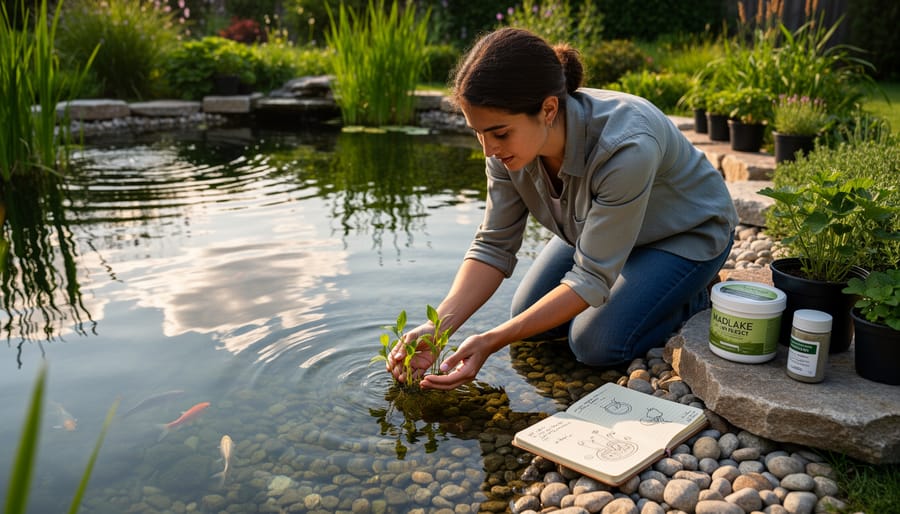
You don’t need fancy equipment or professional skills to capture your water garden story, just consistency and honesty. Start by choosing methods that fit your lifestyle and comfort level. Some gardeners snap daily phone photos, others prefer weekly written reflections, and many combine approaches as their confidence grows.
The most effective documentation methods include:
- Photo journals showing weekly or monthly progress, capturing the same angles to reveal change over time
- Seasonal time-lapses that compress months of growth into compelling visual narratives
- Written logs noting water parameters, plant additions, wildlife sightings, and maintenance tasks
- Short video tours narrating what you’re observing, complete with ambient sounds of moving water
- Social media updates sharing real-time discoveries, questions, and small victories
- Community forum posts documenting specific projects or seeking advice on challenges
For photography, natural light works best, early morning and late afternoon give rich colours and interesting shadows. Get close to individual elements: a dragonfly emerging, new lily pads unfurling, fish feeding patterns. Wide shots establish context, but tight details tell the emotional story. Don’t delete the “imperfect” shots showing algae blooms or murky water; those struggling moments make your eventual success meaningful.
When writing about your experiences, specifics resonate far more than generalities. Instead of “my pond looks better,” try “the hornwort finally outcompeted the string algae after six weeks.” Share actual numbers, gallons, temperatures, costs, timeframes, because precision helps others facing similar situations. Describe what you tried that failed before finding what worked, and you’ll ask experts live questions less often while helping beginners avoid the same pitfalls.
The most valuable stories balance celebration with vulnerability. When you admit you accidentally killed your favourite fish or completely misjudged pump sizing, you give others permission to be imperfect too. Share the frustrating afternoons alongside the triumphant moments. This honesty builds trust and creates genuine connections within water gardening communities, where your authentic experience becomes someone else’s roadmap forward.
Common Questions About Water Garden Storytelling
You don’t need a fancy setup or years of experience to share your water garden journey, the community values honest experiences far more than polished perfection. Here are answers to the questions pond enthusiasts ask most often about documenting and sharing their stories.
Do I need a perfect pond to share my story?
Absolutely not. Stories about struggles, mistakes, and gradual improvements often help others more than flawless showcase ponds because they’re relatable and educational.
What if I’m just a beginner with a new pond?
Beginner perspectives are incredibly valuable, your fresh observations and questions help other newcomers, and experienced gardeners enjoy following along as your pond matures.
How do I make my story interesting to others?
Focus on specific details rather than generalities: the exact problem you solved, the moment you noticed something new, or why you made a particular choice. Honest emotions and real observations resonate.
How can stories actually help me solve problems?
Describing your issue in detail often clarifies it for yourself, and sharing invites experienced gardeners to offer solutions they’ve tested firsthand in similar situations.
Where should you share? Start wherever feels comfortable, a dedicated Instagram account, posts in water gardening Facebook groups, a simple blog, or contributions to forum discussions. You can always expand to multiple platforms later as your confidence grows. Some gardeners prefer photo-heavy platforms like Instagram for visual storytelling, while others enjoy the detailed conversations possible in forums or blog comments.
As for detail level, there’s no such thing as too much when you’re genuinely enthusiastic. Write about what excites or puzzles you. Readers who want more will keep reading; those seeking quick answers will skim. The key is authenticity, share what matters to you, not what you think you should say.
Your pond’s story started the moment you imagined it, and it continues with every observation, every adjustment, every creature that finds its way to the water’s edge. Whether you’re still in the dreaming stage or you’ve been tending your pond for years, your experience matters. The challenges you face, the discoveries you make, the quiet moments of satisfaction you feel, these aren’t just personal milestones. They’re valuable pieces of knowledge that can guide someone else, spark someone’s imagination, or simply remind another water gardener that they’re not alone in their journey.
The water gardening community grows stronger when we share openly, the setbacks alongside the successes, the questions along with the answers, the learning process as much as the finished results. Your unique circumstances, your local wildlife, your specific mistakes and triumphs all contribute perspectives that no one else can offer in quite the same way.
Start where you are. Snap a photo. Jot down what surprised you today. Share one honest observation. Your water story doesn’t need to be polished or complete to be worthwhile. It just needs to be yours, and it needs to be shared.