
What Is Pond Microbe Lift (and How Does It Work)?
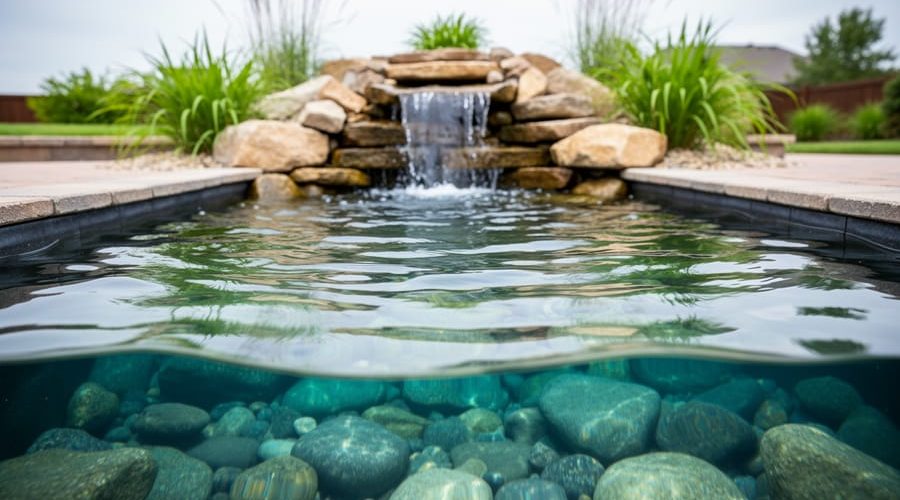
Pond microbe lift products are concentrated blends of beneficial bacteria and enzymes designed to break down organic waste, control algae, and restore natural balance in backyard ponds and water features. If you’ve ever dealt with murky green water, sludge buildup on the bottom, or that unpleasant swamp smell drifting across your yard, you’ve experienced what happens when a pond’s microbial ecosystem falls out of balance.
Here’s what makes these products different from quick fixes like algaecides or clarifiers: they work with your pond’s biology rather than against it. The bacteria consume excess nutrients that would otherwise feed algae blooms, digest decaying leaves and fish waste, and outcompete harmful microorganisms. Think of them as reinforcements for the cleanup crew already living in your water.
Most pond owners discover microbe lift treatments after fighting a losing battle with recurring problems. You clear the algae, it comes back. You vacuum the sludge, it returns within weeks. That cycle happens because you’re treating symptoms without addressing the root cause, which is almost always too much organic matter and too few beneficial microbes to process it.
This guide will walk you through exactly how these bacterial products work at a biological level, the different formulations available and when to use each one, realistic timelines for seeing results, and how to avoid the most common application mistakes that waste your time and money. Whether you’re setting up a brand new pond or trying to rescue one that’s gone downhill, understanding microbial management gives you a sustainable path forward.
What Pond Microbe Lift Really Means
Pond microbe lift products are bottled solutions packed with living beneficial bacteria, millions or even billions of microscopic helpers in a single dose. Think of them as a starter culture for your pond, similar to how yogurt contains live cultures that improve your gut health. These products introduce or boost populations of naturally occurring microorganisms that perform essential cleanup work in your water.
The bacteria in these formulations aren’t special or genetically modified, they’re the same types you’d find in healthy streams, lakes, and mature ponds. What makes the products useful is the concentration. Instead of waiting months for bacteria colonies to establish naturally, you’re adding a massive workforce all at once.
- Beneficial bacteria
- Naturally occurring microorganisms that break down waste and toxins in pond water, creating a healthier environment for fish and plants.
- Biofilter
- A biological filtration system where bacteria colonize surfaces and process harmful compounds as water flows through.
- Nitrifying bacteria
- Specific types of beneficial bacteria that convert toxic ammonia from fish waste into safer nitrate compounds through a two-step process.
- Organic load
- The total amount of decomposing material in your pond, fish waste, uneaten food, dead leaves, and decaying plant matter.
- Biological filtration
- The natural process where beneficial bacteria clean water by consuming organic waste and neutralizing harmful substances.
These microbes get to work immediately after you pour them in, settling onto rocks, gravel, filter media, and plant roots. Once established, they consume the organic gunk that makes pond water cloudy, smelly, or unhealthy. They tackle fish waste, decomposing leaves, leftover food, and other debris that would otherwise rot and release harmful compounds.
The end result is clearer water, reduced odors, and a self-sustaining ecosystem where biological filtration handles the heavy lifting of water quality management.
How Microbe Lift Products Work in Your Pond
The Nitrogen Cycle Made Simple
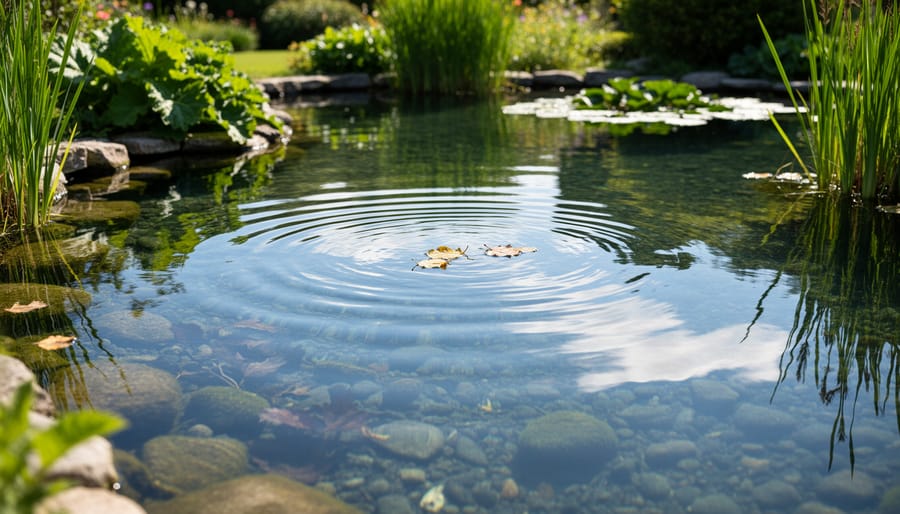
Think of the nitrogen cycle as nature’s built-in cleaning crew for your pond. Here’s how it works in everyday terms.
Fish produce waste and ammonia through their gills, and ammonia is toxic, even in small amounts. Left unchecked, it burns fish gills and stresses your entire pond. This is where beneficial bacteria step in as the first responders.
One type of bacteria converts that toxic ammonia into nitrite. Still harmful, but less so. Then a second crew of bacteria takes over, transforming nitrite into nitrate, a much safer compound that plants can actually use as fertilizer. Your water lilies and marginal plants absorb nitrate as a nutrient, completing the cycle.
Without enough beneficial bacteria, this conversion process stalls, and toxic compounds accumulate. That’s why new ponds often struggle, the bacteria colonies haven’t built up yet. Microbe lift products stock your pond with these essential workers right from the start, or boost existing populations when they’re overwhelmed by heavy waste loads or after disruptions like medication treatments.
Where the Bacteria Live and Work
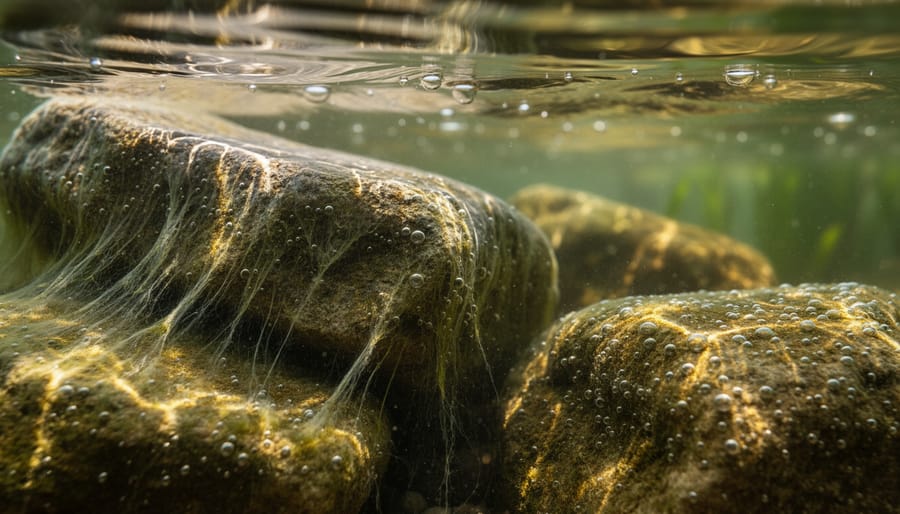
Think of beneficial bacteria as tiny tenants looking for good real estate in your pond. Once you add microbe lift products, these microscopic workers immediately start searching for surfaces to call home. They form a thin, slimy coating called biofilm on almost any surface they encounter: the pebbles lining your pond bottom, decorative rocks, filter media, the sides of your pond liner, plant roots, and even underwater ornaments.
Filter media becomes particularly valuable real estate because water constantly flows through it, delivering fresh nutrients. That’s why your biological filter is such a powerhouse, it’s essentially a bustling bacteria city. Gravel beds work similarly, offering massive surface area in a compact space.
Plants provide bonus workspace too. Beneficial bacteria colonize root systems and stems, working alongside your aquatic greenery to clean the water. This partnership is why established ponds with lots of surface features generally maintain better water quality than bare-liner setups. The more surfaces available, the more bacteria can spread out and do their job effectively.
Different Types of Pond Microbe Products
Liquid vs. Dry Formulations
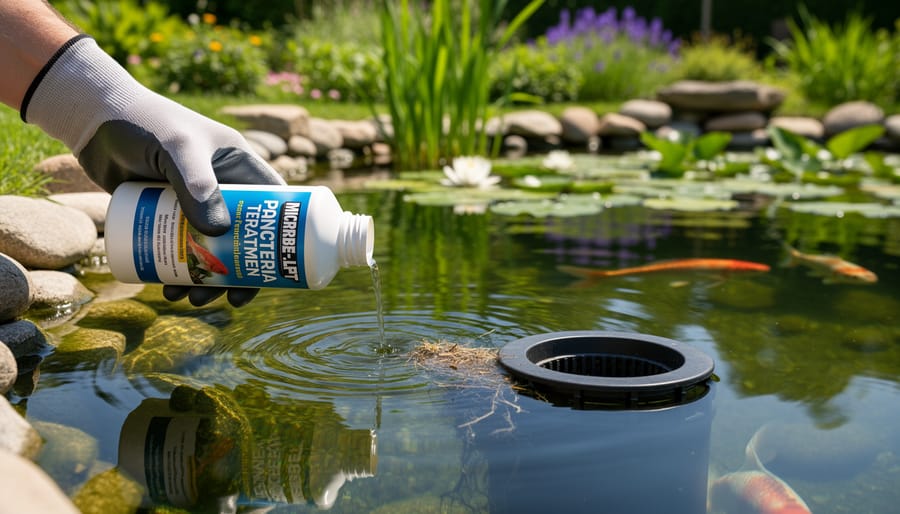
Liquid concentrates arrive ready to pour straight into your pond, just measure, dump, and you’re done. They mix quickly through the water and start working within hours. The downside? Bottles take up storage space, and once opened, most liquids have a shelf life of 12 to 18 months before the bacteria lose potency.
Dry formulations, powders or tablets, offer convenience in a different way. They’re compact, lightweight, and typically stay viable for years if kept dry. You’ll need to dissolve or scatter them, which takes an extra step, but they’re fantastic for postal orders since they don’t freeze or leak. Some pond keepers find tablets easier to dose precisely, especially when treating specific problem spots rather than the entire pond.
Effectiveness between formats is largely comparable if products are fresh and properly stored. Your choice often comes down to personal preference: liquid for speed and simplicity, dry for long-term storage and portability. Either way, understanding how to make it work with your filtration system matters more than the format itself.
When and How to Use Microbe Lift in Your Pond
Starting a New Pond
Starting a new pond from scratch can feel like a waiting game. Without an established population of beneficial bacteria, your filter media and pond surfaces are essentially sterile, there’s nothing to process fish waste or break down organic matter. This is where microbe lift products shine brightest.
Adding a quality bacterial blend right from day one introduces millions of beneficial microorganisms that immediately begin colonizing your filter, rocks, and gravel. Instead of waiting weeks or months for these populations to build naturally, you’re giving your pond ecosystem a running start. The bacteria get to work processing ammonia from fish waste before it reaches dangerous levels.
Most pond owners find they can safely add fish within a week or two when using bacterial supplements, compared to the traditional four to six weeks without them. Just remember to keep dosing during those first few weeks while the colonies establish themselves, think of it as feeding your invisible cleanup crew until they’re self-sustaining.
Seasonal Maintenance
As water temperatures climb above 50°F in spring, your pond’s bacterial populations wake up hungry and ready to multiply. This is prime time to add a microbe lift product, think of it as restocking your microscopic cleanup crew after their winter slowdown. A generous spring dose helps bacteria colonize quickly, tackling the organic debris that’s accumulated over the cold months.
Through summer, beneficial bacteria work overtime breaking down fish waste and algae during peak biological activity. A monthly maintenance dose keeps populations strong when they’re needed most. Some pond owners add smaller weekly amounts during hot spells when fish are feeding heavily and producing more waste.
As fall temperatures drop below 50°F, bacterial activity naturally slows. Switch to a cold-water formula if you’re maintaining treatment, or simply reduce frequency, your pond’s biological processes are downshifting for winter. Many bacteria strains go dormant below 40°F, so winter applications in frigid climates offer little benefit. Save your product and your money until spring warmth returns.
What to Expect: Results and Realistic Timelines
Most pond owners hope for instant results, but beneficial bacteria need time to establish themselves and make a real difference. In the first few days after adding microbe lift products, you won’t see dramatic changes, that’s completely normal. The bacteria are busy multiplying and settling into their new home, forming colonies on filter media, rocks, and gravel.
You’ll typically notice the first improvements within a week: slight reductions in cloudy water or musty odors. These early signs show the bacteria are working, but they haven’t hit their stride yet. The real transformation happens over two to four weeks as bacterial populations reach full strength. During this period, water clarity continues improving, unpleasant smells fade, and the pond starts feeling more balanced. Think of it like planting a garden, you wouldn’t expect tomatoes the day after sowing seeds.
Temperature plays a big role in how quickly you see results. In warm spring and summer water (above 50°F), bacteria multiply faster and work more efficiently. In cooler conditions, they slow down but don’t stop completely, just lower your expectations for speedy changes. Pairing microbe lift products with natural pond aeration helps speed things along by giving bacteria the oxygen they need to thrive.
The biggest misconception is treating these products as magic potions that fix years of neglect overnight. They’re ecosystem builders, not instant cures. Regular applications maintain healthy bacterial populations that prevent problems before they start, which beats scrambling for solutions when your pond turns green.
Common Questions About Pond Microbe Lift
Can I add too much beneficial bacteria to my pond?
It’s virtually impossible to overdose with pond bacteria products, any excess microbes simply die off if there isn’t enough food (organic waste) to support them. That said, following product guidelines prevents waste and keeps costs down, since more isn’t always better once the colonies are established.
Are microbe lift products safe for fish, plants, and wildlife?
Yes, these products contain naturally occurring bacteria strains that are completely safe for fish, aquatic plants, frogs, and visiting wildlife. They work alongside your pond’s ecosystem without introducing chemicals or harmful substances.
Do beneficial bacteria work in cold water or winter?
Most bacteria slow down significantly below 10°C and become nearly dormant in freezing temperatures. Cold-water formulas contain strains that remain active at lower temperatures, making them worth choosing for autumn and early spring applications.
Will my UV clarifier kill the bacteria I add?
UV lights can kill free-floating bacteria passing through the unit, but they don’t harm the beneficial colonies already attached to surfaces in your filter and pond. Add bacteria downstream from the UV or turn it off temporarily when dosing to maximize effectiveness.
Can bacteria products replace regular water changes?
No, while beneficial bacteria reduce organic buildup and help manage waste, they can’t remove dissolved minerals, replenish trace elements, or address lake sediment problems that accumulate over time. Regular partial water changes remain an essential part of pond maintenance.
How do these products work with my mechanical filter?
They complement mechanical filtration beautifully. Your filter traps solid waste, while the bacteria colonize the filter media and break down dissolved organic matter your pump can’t catch, creating a complete filtration system.
One question many pond owners wonder about is how quickly they’ll see changes after adding bacteria. Water clarity usually improves within one to two weeks as the colonies establish and start processing waste, though stubborn algae blooms or persistent odors might take longer to resolve. Patience pays off here, these products work steadily behind the scenes rather than delivering instant transformations. If you’re dealing with severe water quality issues, combining bacteria treatments with proper aeration and reduced feeding often speeds up the recovery process noticeably.
Pond microbe lift products are powerful allies in your water gardening journey, but they work best as part of a bigger picture. Think of beneficial bacteria as your pond’s cleanup crew, they’re incredibly effective at what they do, but they still need support from good filtration, sensible fish stocking, and regular care routines you’re probably already doing.
When you combine microbe lift treatments with mechanical filtration to remove debris, avoid overfeeding your fish, and keep up with occasional water changes, you create an environment where these helpful microorganisms can truly thrive. They’re not magic bullets that fix neglect, but they are fantastic tools that make maintaining balance so much easier.
The beauty of working with beneficial bacteria is watching your pond transform into a self-sustaining ecosystem. Clearer water, fewer algae blooms, happier fish, and less time spent troubleshooting problems, that’s the reward for understanding how these tiny workers fit into your pond’s health.
So grab that bottle of microbe lift, dose it according to the label, and give your pond the microscopic boost it deserves. Your future self, standing beside crystal-clear water on a sunny afternoon, will thank you.