
Why Your Pond Needs Trees (The Buffer Zone Secret)
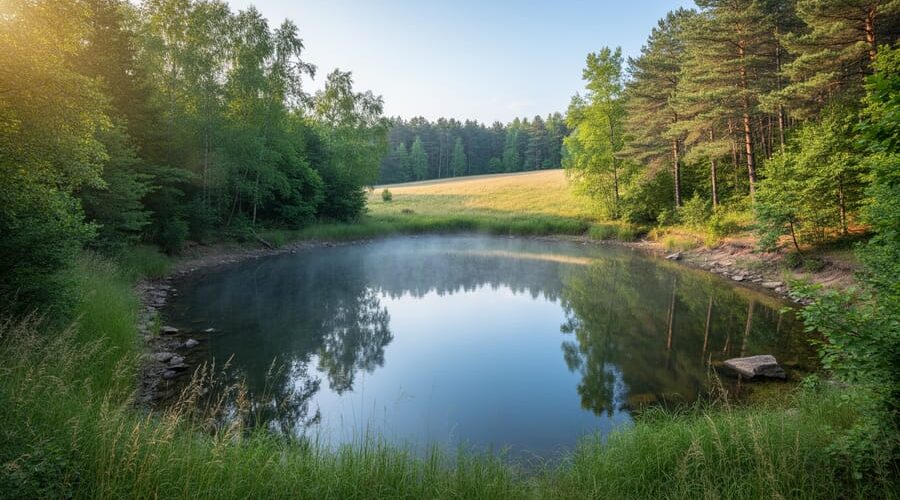
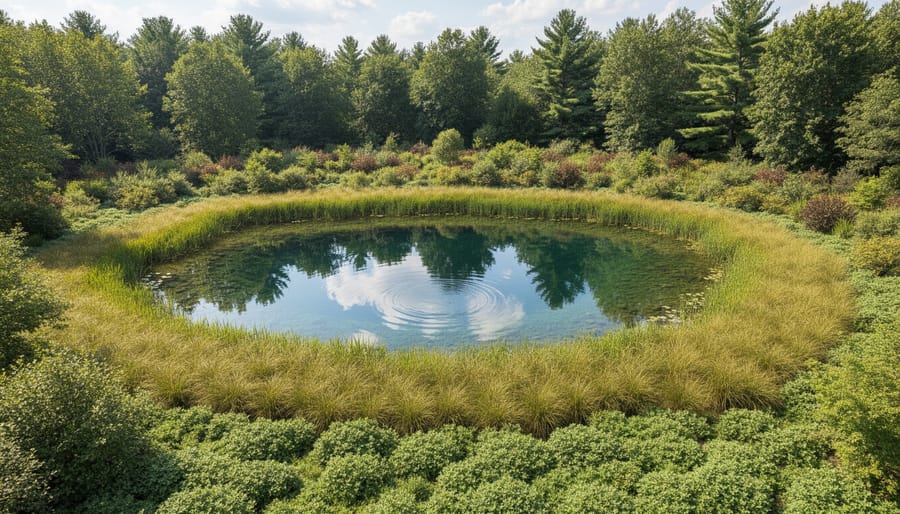
Your pond’s biggest allies might already be growing in your yard—or waiting to be planted just a few feet from the water’s edge. Forested buffers are strategic zones of trees, shrubs, and native plants that encircle your pond, creating a living shield that transforms water quality while slashing your maintenance time in half.
Think of these buffers as nature’s filtration system. As rainwater travels across your lawn toward the pond, it picks up fertilizers, grass clippings, pet waste, and soil particles. Without intervention, these pollutants dump directly into your water, triggering algae blooms, cloudy conditions, and endless skimming sessions. A properly designed forested buffer intercepts this runoff before it reaches your pond, with plant roots absorbing excess nutrients and soil filtering out sediment.
The benefits extend far beyond cleaner water. These planted zones stabilize shorelines against erosion, provide shade that naturally cools water temperatures, and create habitat for dragonflies and birds that devour mosquitoes. You’ll spend less time fighting string algae and more time enjoying the tranquil ecosystem you’ve created.
Whether you manage a small backyard water feature or a sprawling farm pond, forested buffers adapt to any scale. The key lies in selecting the right plants for your climate and soil conditions, then arranging them in zones that maximize filtration. Even a modest buffer strip measuring just 10-15 feet wide delivers measurable improvements, while wider buffers provide exponential benefits for larger properties.
What Exactly Is a Forested Buffer?
The Three-Zone System Made Simple
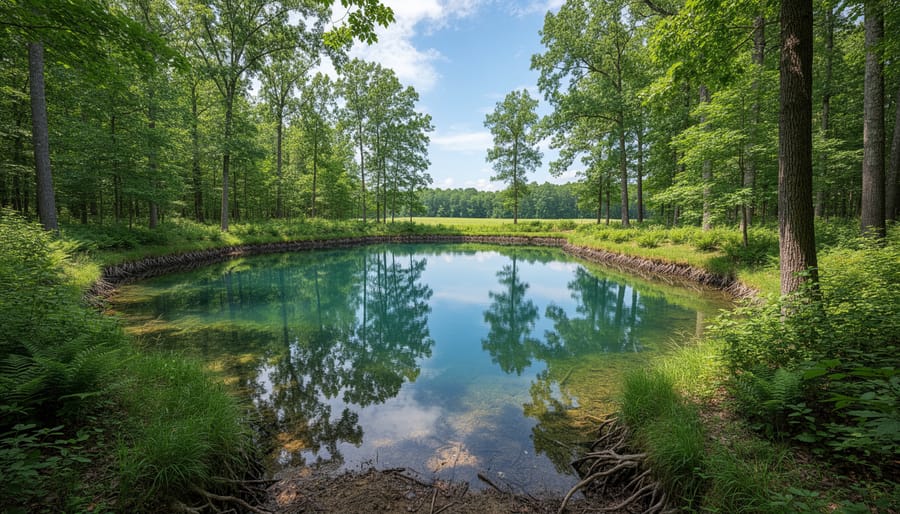
Think of your pond buffer as three protective rings, each with its own special job. It’s actually easier than it sounds!
The streamside zone sits right at the water’s edge, about 15-25 feet out from your pond. This is your first line of defense against runoff. Here, you want plants that love wet feet – native grasses, sedges, and small shrubs that can handle occasional flooding. I always plant native willows and dogwoods in this zone because their extensive root systems are absolute champions at filtering nutrients before they reach the water.
The middle zone extends another 25-50 feet back. This is where you can get creative with medium-sized trees and taller shrubs. Think of this as your transition area – it’s still working hard to filter runoff, but it’s not dealing with standing water. Native serviceberries, viburnums, and smaller oaks work beautifully here. They create shade, drop leaves that feed beneficial insects, and their roots continue the filtering work.
The outer zone reaches 50-100 feet from the pond edge. This is your tall tree territory. Larger oaks, maples, and pines provide the canopy that completes your forest buffer. They slow wind, create wildlife habitat, and add that final layer of protection.
Don’t worry if you can’t do all three zones at once. Even starting with a well-planted streamside zone makes a tremendous difference! You can always expand outward as time and budget allow.
How Forested Buffers Protect Your Pond (The Magic Behind It)
Filtering Runoff Before It Reaches Your Water
Think of your forested buffer as nature’s personal filtration system for your pond. When rain washes across your lawn or garden beds, it picks up hitchhikers like fertilizer granules, pesticide residue, and soil particles. Without a buffer, this cocktail flows straight into your water, feeding algae blooms and clouding up your beautiful pond.
Here’s where the magic happens: as runoff enters your tree and shrub zone, plant roots act like tiny sponges and filters. Tree roots extend far beyond the trunk, creating an underground network that absorbs excess nutrients before they reach your pond. Native grasses and groundcover slow down the water flow, giving sediment time to settle out naturally rather than muddying your pond.
I’ve seen this firsthand in my own yard. After planting a mixed buffer of red maples and native shrubs between my vegetable garden and pond, the spring runoff that used to leave a murky mess now arrives crystal clear. The trees literally drink up the extra nitrogen from my compost applications, and the thick vegetation catches soil particles that used to wash down the slope. It’s like having a free, self-maintaining water treatment plant working around the clock.
Temperature Control for Healthier Fish
Here’s something I learned after years of tending my backyard pond: shade from trees is like a natural air conditioner for your fish! When summer temperatures climb, that leafy canopy overhead can keep your pond water several degrees cooler than exposed ponds baking in direct sunlight.
Why does this matter so much? Cooler water holds more dissolved oxygen, which your fish absolutely need to thrive. When water gets too warm, fish become stressed, sluggish, and vulnerable to disease. Plus, hot water triggers those frustrating algae blooms that turn your beautiful pond into green soup.
Different fish species have different comfort zones. Goldfish and koi prefer temperatures between 65-75°F, while native species like bass and bluegill appreciate the cooler spots that forested buffers create. I’ve noticed my koi are far more active and colorful since planting willows and birches along my pond’s south and west sides, where afternoon sun used to beat down relentlessly.
The shade doesn’t have to be complete either. Dappled sunlight filtering through leaves provides the perfect balance, keeping temperatures manageable while still allowing some beneficial plant growth. It’s nature’s thermostat, working around the clock without any electricity or maintenance from you.
Natural Erosion Defense
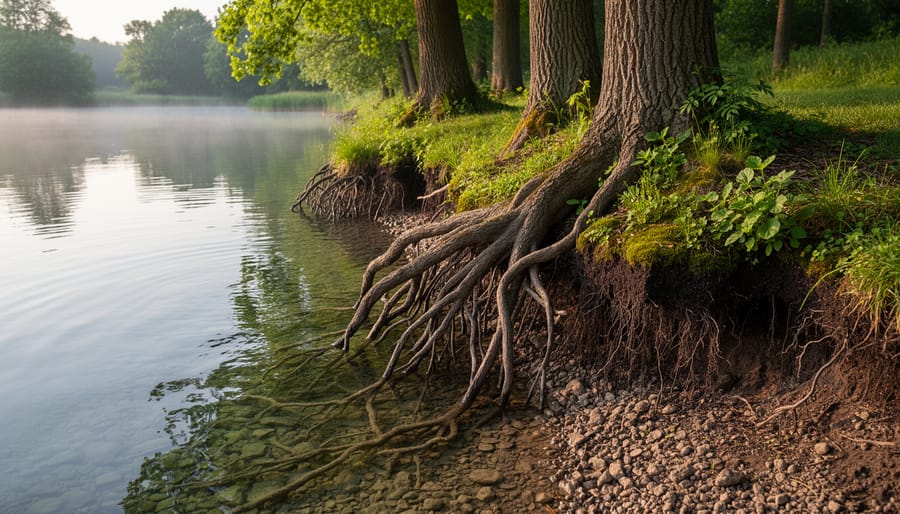
Think of tree roots as nature’s ultimate anchor system for your pond! When you establish a forested buffer, those roots work like an underground web, gripping soil particles and holding everything firmly in place. I’ve seen firsthand how tree roots can transform muddy, eroding banks into stable shorelines. During heavy rains, water rushes toward your pond, picking up sediment along the way. This is where your trees shine! Their root networks act like sponges, slowing water flow and filtering out sediment before it reaches your pond. Deep-rooted trees like willows and river birches excel at bank stabilization, reaching down several feet to anchor slopes that would otherwise slump into the water. The result? Crystal-clear water even after storms, less time spent clearing debris, and banks that stay put year after year.
Wildlife Habitat (The Bonus Feature)
Here’s the bonus you didn’t expect when planting your forested buffer: you’ve just rolled out the welcome mat for nature’s best pest control team! Those trees and shrubs create the perfect wildlife habitat that attracts dragonflies, who are absolute mosquito-eating machines. I’ve watched dragonfly nymphs patrol my pond like tiny underwater dragons, keeping problem insects in check without any chemicals on my part.
Birds love forested buffers too. They’ll perch in your trees, scouting for insects around your pond while adding delightful songs to your morning coffee routine. Frogs often move in as well, drawn to the shelter and moisture. Together, these creatures create a balanced ecosystem where pests rarely get out of hand. It’s like having a free, 24-hour maintenance crew that makes your pond more beautiful and healthier at the same time.
Designing Your Forested Buffer: Width and Layout
How Wide Should Your Buffer Be?
Here’s the honest truth: wider is better, but work with what you’ve got! I’ve seen effective buffers in all sizes, and something is always better than nothing.
For small backyard ponds or tight spaces, aim for at least 10-15 feet of buffer. This might be just a few strategically placed shrubs and native grasses, but they’ll still intercept runoff and provide some shade. I started with a narrow buffer around my first pond, and even that modest effort made a noticeable difference in algae growth.
If you have a medium-sized property, shoot for 25-35 feet. This gives you room to create layers with different plant heights, from groundcovers to small trees, which really maximizes filtering power and wildlife habitat.
For larger ponds on spacious properties, go for 50 feet or more if possible. This creates a true forest buffer ecosystem with mature trees, understory plants, and deep root systems that dramatically improve water quality.
Don’t let space constraints discourage you. Even a 5-foot strip of native plants beats a manicured lawn running right to the water’s edge. Start with what fits your property, and remember you can always expand your buffer gradually as plants mature and you see the benefits firsthand.
Working with What You Have
Don’t let a small yard discourage you! Even a narrow strip of native plants between your pond and lawn makes a meaningful difference. I’ve seen homeowners create effective buffers in spaces just three feet wide by planting compact natives like dwarf inkberry holly or small ferns. These mini-buffers still trap fertilizer runoff and provide wildlife habitat.
Get creative with your space by going vertical—use layered plantings with groundcovers beneath taller shrubs to maximize filtering capacity. Corner lots? Focus your buffer efforts on the uphill side where water flows toward your pond. Every plant you add is one more filter working for cleaner water. You can even start with container plantings of native sedges positioned strategically around your pond’s edge. Remember, a small imperfect buffer beats no buffer at all, and you can always expand gradually as your comfort and budget allow.
Choosing the Right Plants and Trees
Native Trees That Thrive Near Water
Choosing the right trees for your pond buffer makes all the difference! I’ve learned through years of water gardening that certain species absolutely love having their roots near water, and they’ll reward you with vigorous growth and excellent filtration. Let me share my favorite pond-friendly trees that have proven themselves time and time again.
Willows are the superstars of pond buffers. These graceful beauties grow incredibly fast, with some varieties adding several feet per year. Their extensive root systems are like natural water filters, absorbing nutrients and stabilizing soil. I especially love weeping willows for their cascading branches that create stunning reflections in the water.
River birch deserves a spot in every pond buffer. This gorgeous tree features distinctive peeling bark that adds year-round visual interest. It thrives in moist soil and grows quickly, reaching 40-70 feet tall. Plus, it’s one of the most adaptable native vegetation options available.
Bald cypress is perfect if you want something truly unique. Despite being a conifer, it drops its needles in winter. These trees can actually grow with their roots partially submerged, making them ideal for pond edges. Their “knees” (root projections) add wonderful character to your landscape.
Red maple rounds out my recommendations with brilliant fall color and excellent adaptability. It tolerates wet conditions beautifully while providing valuable shade and wildlife habitat. This versatile tree works well in nearly any pond setting, from full sun to partial shade.
Shrubs and Understory Plants
The middle layer of your forested buffer is where the magic really happens! Shrubs and understory plants create a dense, living filter that catches sediment, absorbs excess nutrients, and provides fantastic habitat for beneficial wildlife around your pond.
Think of shrubs as your buffer’s workhorses. Native options like dogwood add gorgeous seasonal color while their root systems stabilize soil and prevent erosion. Elderberry is a personal favorite because it thrives in moist conditions, produces berries that attract birds, and grows quickly to fill gaps. Buttonbush is perfect for the edges closest to your pond since it actually tolerates wet feet and its unique flowers are pollinator magnets.
When selecting pond-friendly plants for this layer, aim for variety in height and density. Mix taller shrubs like viburnum with lower-growing options such as native azaleas or spicebush. This creates multiple filtering layers and different habitat zones.
Space your shrubs about three to five feet apart, depending on their mature size. They’ll fill in naturally over time, creating that dense, protective screen your pond needs. The beauty is that once established, these native shrubs require virtually no maintenance while working around the clock to keep your pond water cleaner and clearer.
Ground Cover and Native Grasses
The outer zones of your forested buffer are where you can really let nature take over, reducing mowing needs and creating a truly low-maintenance landscape. Think of this area as your easy-care meadow that works hard behind the scenes to protect your pond.
Native grasses like tufted sedges and rush varieties are perfect here. They’re tough, drought-tolerant once established, and their deep root systems help filter any remaining runoff before it reaches your pond. I’ve watched these grasses in my own yard transform a high-maintenance lawn into a beautiful, self-sustaining meadow that I barely touch all season.
Add native ferns in shadier spots under your trees for wonderful texture and year-round interest. They spread slowly and need virtually no care once they’re happy. Wildflowers like black-eyed Susans, coneflowers, or native asters bring seasonal color and attract pollinators, making your buffer zone a destination rather than just a utility area.
The beauty of ground covers is their set-it-and-forget-it nature. After initial establishment, you’ll trade weekly mowing for perhaps one or two seasonal trims, giving you more time to actually enjoy your pond.
Plants to Avoid Near Your Pond
Not all plants make good neighbors for your pond buffer! Before you start planting, let’s talk about some troublemakers you’ll want to avoid.
Stay away from invasive species like bamboo, purple loosestrife, and Japanese knotweed. These aggressive spreaders can quickly take over your entire buffer zone and even invade neighboring properties. They’re incredibly difficult to remove once established, and you’ll spend years battling them instead of enjoying your peaceful pond.
Trees with aggressive root systems, like willows and poplars, might seem like natural choices for wet areas, but their roots can damage pond liners and plumbing. They also create maintenance headaches by constantly seeking water and nutrients, sometimes buckling nearby hardscapes.
Avoid plants that drop excessive debris into your pond, such as black walnut trees, which release chemicals toxic to fish. Also skip messy fruit trees near the water’s edge since falling fruit creates major water quality issues.
Check your local extension office’s invasive species list before purchasing any plants. What’s safe in one region might be invasive in yours, and you’ll thank yourself later for doing this homework upfront!
Creating Your Forested Buffer: Step-by-Step
Phase 1: Assessment and Planning
Start by taking a leisurely walk around your pond with a notebook in hand. Look at what’s already growing near the water’s edge—you might be surprised to find young native trees and shrubs already establishing themselves naturally. Take note of these volunteers; they’re your allies!
Next, identify your trouble spots. Where does water rush toward your pond during heavy rain? Look for bare soil, erosion gullies, or areas where grass struggles to grow. These are prime candidates for your forested buffer. I remember discovering a deep channel carved by runoff behind my pond that I’d never noticed before—it was like a mini-Grand Canyon sending sediment straight into the water.
Sketch a simple overhead map of your pond showing these problem areas. Mark existing trees you want to keep, sunny versus shady spots, and where you’ll plant new vegetation. Don’t worry about artistic skills—stick figures and circles work perfectly! Measure roughly how much space you can dedicate to your buffer. Even a ten-foot-wide strip makes a meaningful difference, though wider is always better for maximizing filtration and wildlife habitat.
Phase 2: Preparing the Area
Before planting your forested buffer, you’ll want to gently prepare the area without creating erosion problems. Start by identifying and carefully removing any invasive plants like multiflora rose or Japanese knotweed. I learned the hard way that pulling invasives after a good rain makes the job much easier on your back! Work from the outside in, toward the pond, to avoid trampling already-cleared areas.
Here’s the key: don’t till or dig aggressively near pond banks. Instead, simply remove existing weeds by hand or with a sharp spade, leaving roots intact where possible to hold soil. For compacted areas farther from the water’s edge, you can loosen soil lightly with a garden fork. Add a thin layer of compost if your soil is particularly poor, but native plants typically thrive in existing conditions. Mark your planting zones with stakes to visualize your three-layer design before ordering plants.
Phase 3: Planting Your Buffer
Timing is everything when planting your forested buffer! Early spring and fall are your best windows, when plants aren’t stressed by heat and rainfall is typically more abundant. This gives roots time to establish before facing summer’s challenges.
Start with a simple layout. Space trees 8-12 feet apart and shrubs 4-6 feet apart. Think of it like creating a living wall rather than a formal garden. I learned the hard way that tight spacing seems faster but creates competition issues down the road.
Here’s my favorite approach: begin with a small 10-15 foot section closest to your pond. Get comfortable with the process, watch how plants respond, then expand the following season. This “test patch” method builds confidence and lets you adjust your plant choices based on real results.
Before planting, clear a 2-3 foot diameter circle around each planting spot to reduce grass competition. Dig holes twice as wide as the root ball but no deeper. Water thoroughly at planting and weekly for the first month. Mulch with 2-3 inches of wood chips, keeping it away from the trunk.
Don’t worry about perfection. Your buffer will naturally fill in and evolve, becoming more effective and beautiful each year.
Phase 4: Early Care and Establishment
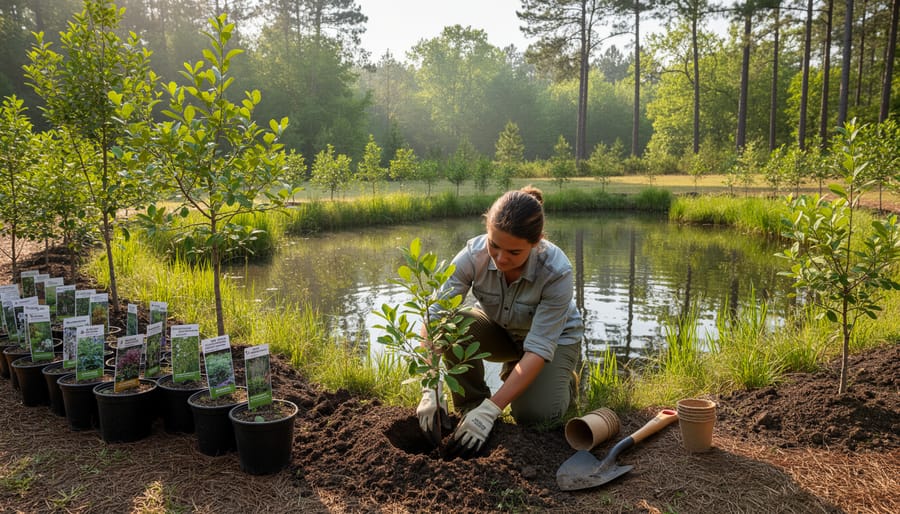
Your newly planted buffer needs consistent care to thrive. During the first growing season, water deeply once or twice weekly if rainfall is scarce. Think of it like starting a new garden—those young roots need encouragement to dig deep. I always check soil moisture by sticking my finger two inches down; if it’s dry, it’s watering time.
Apply a three-inch layer of organic mulch around each plant, keeping it a few inches from stems to prevent rot. This moisture-retaining blanket is your best friend during establishment.
In year one, expect modest growth as plants focus on root development underground. By year two, you’ll notice faster upward growth and thickening foliage. Some plants may look scraggly initially—that’s normal. Watch for any struggling specimens and replace them promptly.
Patience pays off beautifully. Within two years, your buffer will start filtering runoff and providing habitat, transforming your pond’s edge into a thriving ecosystem.
Maintaining Your Forested Buffer (Less Work Than You Think)
Here’s some good news that might surprise you: once your forested buffer is established, it practically takes care of itself. I learned this firsthand when I nervously planted my first buffer zone five years ago, convinced I’d created more work for myself. Turns out, I was wonderfully wrong.
Nature is remarkably self-sufficient. After the first two to three years when your young plants need some attention, your buffer enters maintenance mode, which honestly requires less effort than mowing a lawn. You’ll spend maybe an hour or two per season walking through to check on things. That’s it.
During your seasonal walkabouts, keep an eye out for invasive species trying to muscle in. Look for plants that seem out of place or are spreading aggressively. Catching these early means pulling a few seedlings rather than battling an established invader later. I do a spring check and a fall check, and it’s become a pleasant ritual rather than a chore.
Watch for any trees or shrubs showing signs of disease like unusual discoloration, wilting, or dead branches. Addressing issues when they first appear usually means simply removing affected branches or replacing one struggling plant, not overhauling your entire buffer.
You might need to add a layer of mulch around young plants in the first few years to suppress weeds and retain moisture, but even this becomes unnecessary as your buffer fills in and creates its own leaf litter. This natural mulch does the work for you.
The occasional fallen branch or dead tree? That’s actually beneficial habitat, not something requiring immediate cleanup. Your buffer works best when you let it be a little wild. Think of yourself as a gentle observer rather than an active manager, and you’ll find this is one of the easiest landscaping decisions you’ve ever made.
Common Questions from Pond Owners
I get it—you love your pond, but the thought of planting trees nearby might feel a bit scary. Let me tackle the questions I hear most often from fellow pond enthusiasts.
Won’t tree roots damage my pond liner?
Here’s the good news: if you plant your buffer zone at least 10-15 feet away from your pond’s edge, roots won’t be an issue. Tree roots grow toward water sources, true, but they spread horizontally more than they dive deep. Your liner sits below ground level, and roots naturally follow the path of least resistance—which means they’ll spread through the soil rather than pierce through a barrier. I’ve had willows growing 12 feet from my pond for eight years with zero liner problems.
What about all those leaves falling in?
Yes, some leaves will end up in your pond, especially in autumn. But honestly? A few leaves aren’t the disaster you might think. They’ll settle and break down slowly, providing habitat for beneficial bacteria. If you’re worried, just skim the surface once a week during fall, or add a small net across the pond temporarily. The benefits of the buffer—cooler water, fewer algae, better water quality—far outweigh the minor inconvenience of occasional leaf removal.
How long until I see real benefits?
You’ll notice cooler water and reduced algae within the first growing season as your plantings establish shade. Erosion control happens almost immediately once roots take hold. The full ecosystem benefits—robust wildlife habitat, maximum nutrient filtering—develop over three to five years as your buffer matures. Think of it as an investment that pays increasing dividends.
Will this attract mosquitoes?
Actually, the opposite happens. A healthy forested buffer attracts dragonflies, bats, and birds—all champion mosquito eaters. These natural predators keep mosquito populations in check better than any chemical treatment. Add moving water or fish to your pond, and mosquitoes won’t stand a chance.
Creating a forested buffer around your pond is one of those rare projects that keeps giving back, year after year. You’re not just planting trees—you’re investing in cleaner water, less maintenance, and a thriving ecosystem that practically takes care of itself once established. And here’s the wonderful part: you don’t need to transform your entire property overnight. Starting with just a few native shrubs along one section of your shoreline is absolutely enough to begin seeing benefits.
I’ve watched my own pond evolve over the years, and the most rewarding moments come from those quiet mornings when I spot a new bird species or notice the water clarity improving. Every plant you add becomes part of this living partnership with nature, where you provide the right conditions and nature handles the rest.
Picture your pond five years from now—surrounded by graceful grasses swaying in the breeze, mature trees casting dappled shade, and crystal-clear water reflecting this beautiful buffer you’ve created. That vision is absolutely within reach, one plant at a time. Your pond will thank you, your maintenance schedule will lighten, and you’ll have created something truly special that connects you deeper to the natural world right in your own backyard.