
Why D.E. Filters Keep Your Pond Crystal Clear (Without Harsh Chemicals)
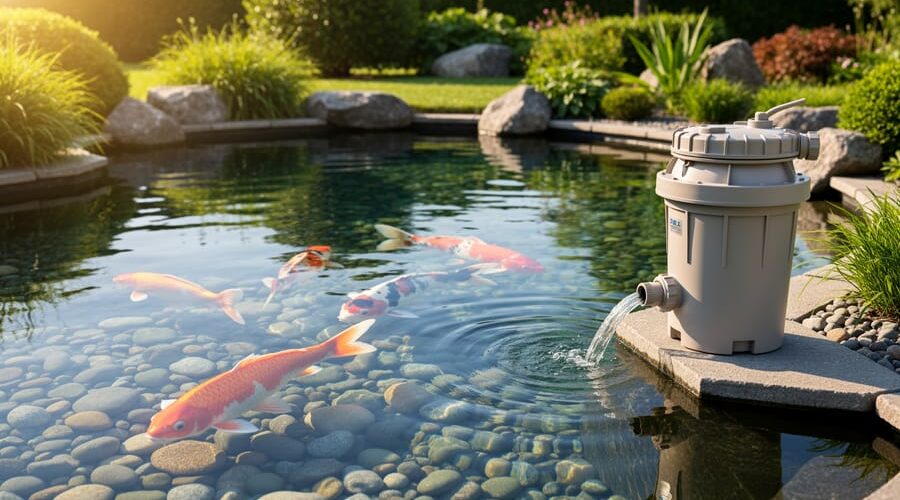
Consider diatomaceous earth filtration if you’re dreaming of crystal-clear pond water that looks like glass. This natural filtration method uses microscopic fossilized algae to trap particles as tiny as 3-5 microns, making it roughly three times more effective than traditional sand filters. Think of D.E. filters as the precision tools of pond keeping—they capture everything from free-floating algae cells to the finest debris that clouds your view of those gorgeous koi.
D.E. filters work by coating grids inside a pressure tank with diatomaceous earth powder, creating a filter bed that water passes through. As your pump pushes pond water into the system, the D.E. catches suspended particles while allowing clean water to flow back out. The result? Water clarity that transforms your pond from murky to museum-quality in days, not weeks.
Here’s what makes these systems genuinely appealing: they’re surprisingly eco-friendly since diatomaceous earth is a natural substance, and the powder can often be composted after use. You’ll backwash less frequently than with sand filters because D.E. captures more before needing cleaning, which saves water over time.
The honest truth about D.E. systems is that they require slightly more hands-on maintenance than cartridge filters and cost more upfront than basic options. But if water clarity ranks high on your pond priorities—especially for viewing fish or creating that stunning reflection effect—this filtration upgrade delivers results that consistently impress visitors and make those early morning coffee sessions by the pond absolutely magical.
What Makes D.E. Filters Different from Other Pond Filters
The Natural Power of Diatomaceous Earth
Here’s something I find absolutely fascinating about D.E. filters: they harness the power of ancient algae skeletons to keep your pond crystal clear! Diatomaceous earth, or D.E., is made from the fossilized remains of tiny aquatic organisms called diatoms. These microscopic creatures lived millions of years ago, and their silica-based shells have been naturally preserved into a fine, chalky powder.
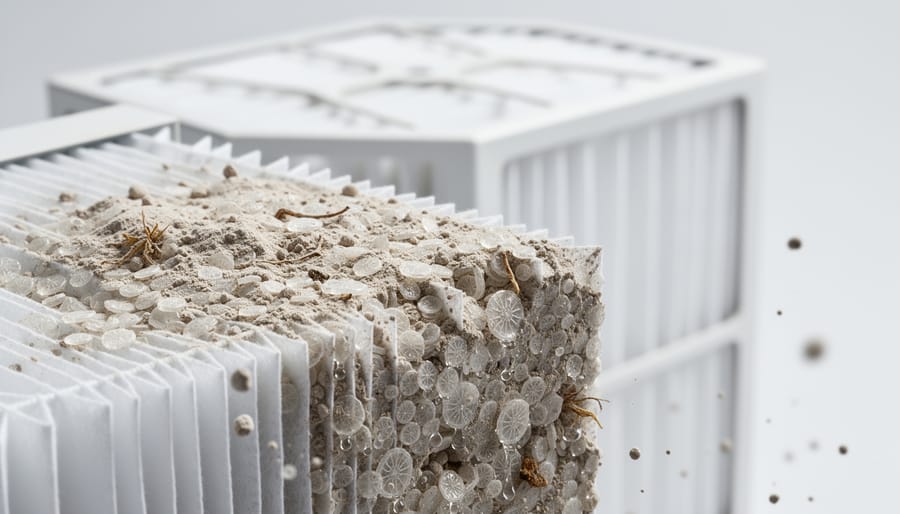
What makes D.E. so effective is its incredible microscopic structure. Under a microscope, you’d see that each particle looks like a tiny sponge with countless pores and sharp edges. These microscopic gaps trap particles as small as 3 to 5 microns, which is smaller than what most sand filters can catch. To put that in perspective, that’s finer than pollen and even some bacteria!
The eco-friendly aspect really appeals to water gardeners like us who care about sustainability. D.E. is completely natural, mined from ancient deposits rather than manufactured with chemicals. While you’ll need to periodically backwash and replace the powder, you’re essentially using a renewable resource that nature created. Plus, some gardeners even add spent D.E. to compost bins or garden beds, though you’ll want to check local regulations first since it may contain accumulated debris from your pond.
How D.E. Filters Trap the Tiniest Particles
Picture this: water flows into your filter, meets the D.E.-coated grids, and something almost magical happens. The diatomaceous earth creates an incredibly fine mesh that catches particles you can’t even see with the naked eye. We’re talking about debris as tiny as 3 to 5 microns. To put that in perspective, a grain of table salt is about 100 microns, so D.E. filters are capturing particles that are roughly 20 to 30 times smaller than that!
Here’s how it works in practice. When you add D.E. powder to your filter system, it forms a thin coating on specially designed filter grids inside the tank. These grids act like a framework, and the D.E. powder clings to them, creating the actual filtering surface. As pond water passes through these coated grids, the microscopic spaces between the D.E. particles trap algae spores, fine sediment, pollen, and even some bacteria. It’s similar to how external filtration systems work, but with much finer filtration capability.
The beauty of this process is that it’s purely mechanical—no chemicals needed. The D.E. does all the heavy lifting simply through its unique structure. As more particles get trapped, the filter cake gradually builds up, which is why regular backwashing becomes important. This natural filtration method is what gives D.E. systems their reputation for producing that crystal-clear water pond enthusiasts love.
The Eco-Friendly Benefits That Matter for Your Pond
Less Chemical Dependency for Water Clarity
Here’s something I’ve personally discovered over years of maintaining my backyard pond: when your filter does the heavy lifting mechanically, you don’t need to reach for the chemical bottle nearly as often. It’s honestly one of the most rewarding shifts you can make as a water gardener.
D.E. filters excel at trapping the microscopic particles that would otherwise cloud your water and feed algae growth. By removing these nutrients and suspended solids before they become a problem, you’re essentially cutting off algae’s food supply at the source. This means fewer green blooms and less need for algaecides or those expensive clarifying chemicals.
I remember when I first switched to D.E. filtration, I was amazed at how much clearer my pond stayed without constant chemical treatments. The water had this natural sparkle to it, and my fish seemed more active too. When you combine mechanical filtration with natural algae control methods like beneficial plants and proper aeration, you’re creating a balanced ecosystem that largely manages itself.
This reduced chemical dependency isn’t just better for your wallet. It’s healthier for fish, plants, and beneficial bacteria that keep your pond thriving. You’re working with nature instead of against it.
Water Conservation Through Better Filtration
Here’s something I learned after years of managing my backyard pond: every gallon of water you can save makes a difference, both for your water bill and the environment. This is where D.E. filters really shine compared to traditional sand filters.
Because D.E. filters trap particles so effectively, they don’t clog up nearly as fast. While a sand filter might need backwashing every week or two during peak season, a D.E. filter can often go three to four weeks between cleanings. That might not sound dramatic, but let’s put it in perspective. Each backwashing session uses anywhere from 200 to 500 gallons of water, depending on your system size. Over a typical six-month pond season, you could be saving thousands of gallons.
I remember when I switched from sand to D.E. filtration on my 3,000-gallon koi pond. My water bills dropped noticeably during summer months, and I wasn’t constantly worrying about topping off the pond level. Plus, less frequent backwashing means less disruption to your beneficial bacteria colonies, which helps maintain that healthy ecosystem balance we all work so hard to achieve. It’s one of those win-win situations where being eco-friendly actually saves you money and effort.
Supporting a Balanced Pond Ecosystem
Here’s the thing about crystal-clear water—it’s not just about beauty. When your D.E. filter system removes those microscopic particles down to 3-5 microns, you’re actually creating the foundation for a thriving pond ecosystem. Clean water means your fish can breathe easier, literally. Those tiny debris particles that cloud the water also clog fish gills and stress their immune systems.
But there’s more magic happening beneath the surface. Beneficial bacteria, the unsung heroes of your pond, absolutely love clean water with good flow. They colonize your filter media and biological surfaces, breaking down harmful ammonia and nitrites. Your D.E. filter handles the mechanical side—trapping physical waste—while these bacteria tackle the chemical cleanup crew duties. Together, they’re an unstoppable team.
Your aquatic plants benefit too. Clearer water allows sunlight to penetrate deeper, fueling photosynthesis and vigorous growth. Healthy plants then oxygenate the water and absorb excess nutrients that would otherwise feed algae blooms.
This is why pairing your D.E. filtration with regular water testing creates such winning results. You’re not just filtering water—you’re cultivating life.
Is a D.E. Filter Right for Your Water Garden?
Pond Size and Fish Population Considerations
Getting the right-sized D.E. filter for your pond is like buying shoes – too small and you’ll have problems, too large and you’re spending money unnecessarily. The golden rule is matching your filter capacity to both your pond volume and your fish population.
Here’s how to think about it: A decorative lily pond with a few goldfish has vastly different needs than a koi pond with twenty prize fish. For a simple 500-gallon ornamental pond with minimal fish, you might get away with a smaller D.E. filter rated for that volume. However, if you’re keeping koi, you’ll want to oversize your filtration because these beauties are basically underwater vacuum cleaners that produce substantial waste.
I learned this the hard way with my first koi pond. I calculated based purely on water volume and ended up with cloudy water within weeks. Koi ponds typically need filters rated for at least twice the actual pond volume due to their bioload. A 1,000-gallon koi pond should ideally use a D.E. filter rated for 2,000 gallons.
For every ten adult koi, add another 500 gallons to your filter capacity calculation. Goldfish are less demanding – you can generally follow the manufacturer’s volume recommendations more closely.
Temperature matters too. Warmer water holds less oxygen and fish metabolisms speed up, meaning more waste production. If you live in a hot climate, consider upsizing your filter by 25-30 percent to handle summer conditions comfortably.
When to Stick with Your Current Filter
Let me be honest with you—D.E. filters are amazing, but they’re not always the answer. Sometimes simpler is better, and I’d hate for you to invest in a system that’s more than you actually need.
If you have a tiny backyard pond under 500 gallons that’s home to a few goldfish and some water lilies, a D.E. filter is probably overkill. Think of it like buying a commercial-grade espresso machine when you only drink one cup of coffee a week. A basic mechanical filter or even a simple sponge filter will handle the job beautifully without the extra maintenance that D.E. requires.
Natural swimming ponds with extensive planted filtration zones are another situation where D.E. might not make sense. If you’ve already invested in a gorgeous wetland filter packed with beneficial plants that naturally purify your water, adding a D.E. system could actually disrupt that delicate ecosystem balance you’ve worked so hard to create. Those plants are doing the filtration work for you, and sometimes nature really does know best.
Similarly, if you’re managing a wildlife pond designed to attract frogs, dragonflies, and other native creatures, ultra-fine filtration might filter out the tiny organisms these animals depend on for food. A little cloudiness in a wildlife pond isn’t just acceptable—it’s often beneficial.
Finally, consider your commitment level. D.E. filters need regular backwashing and periodic teardowns for thorough cleaning. If you’re someone who prefers a truly low-maintenance setup, or if you travel frequently and can’t keep up with maintenance schedules, you might find D.E. filtration more frustrating than helpful.
Setting Up Your D.E. Filter System: What to Expect
Basic Components You’ll Need
Getting started with a D.E. filter system is easier than you might think. Let’s break down what you’ll actually need so you can shop smart and feel confident setting things up.
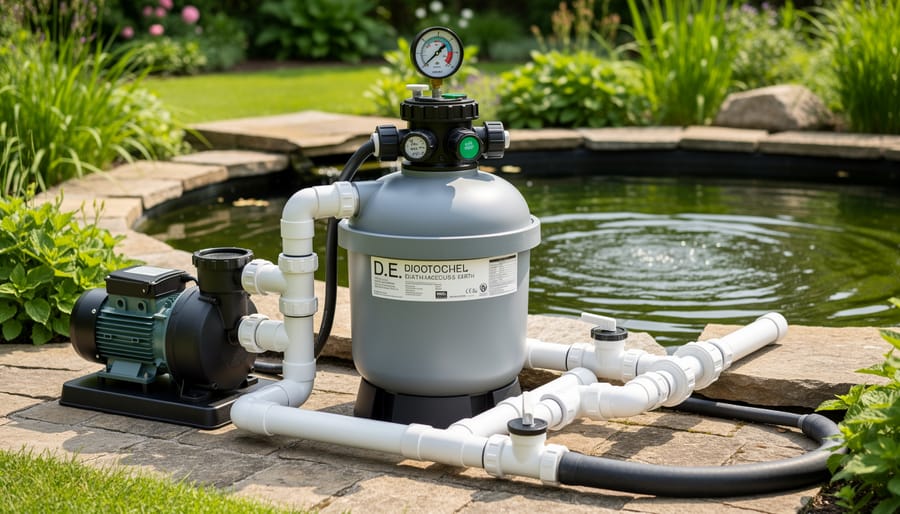
First up is the filter tank itself. This cylindrical container houses the filter grids where the magic happens. Tanks come in various sizes, typically measured in square feet of filtration area. For most backyard ponds, you’ll want to match the tank size to your pond’s volume and flow rate. Don’t worry, manufacturers include handy sizing charts that take the guesswork out of this decision.
Next, you’ll need a compatible pump. Think of this as your system’s heart, pushing water through those fine filter grids. The pump’s flow rate should match your filter’s capacity. Too powerful, and you’ll stress the system. Too weak, and you won’t get proper circulation. Many pond keepers find that mid-range pumps around 2,000 to 4,000 gallons per hour work beautifully for average-sized ponds.
For plumbing connections, standard PVC fittings do the trick. You’ll connect your pump to the filter inlet, then route filtered water back to your pond. Basic unions and valves make maintenance much simpler down the road.
Finally, there’s the D.E. powder itself. This natural material, made from fossilized organisms, is what actually traps those tiny particles. You’ll add it through the skimmer after backwashing, and a little goes surprisingly far.
Installation Basics for DIY Pond Keepers
Installing a D.E. filter system might sound intimidating, but trust me, if you’ve ever assembled furniture or plumbed in a garden fountain, you’ve got the skills to handle this! The key is taking it step by step and not rushing the process.
Start by choosing the right location for your pump and filter unit. You’ll want them close to your pond but not so close that they’re constantly splashed. A level, stable surface is essential, and remember that you’ll need access for regular maintenance. I learned this the hard way when I tucked my first filter behind a massive rock feature and then had to do yoga poses just to check the pressure gauge!
Make sure your pump matches your filter’s flow rate requirements. This pairing is crucial because an undersized pump won’t push water through the D.E. powder effectively, while an oversized one can create too much pressure. Check the manufacturer’s specifications carefully, and when in doubt, ask fellow pond keepers in online forums or at your local pond supply store.
The basic installation involves connecting your pump intake to the pond, routing pipes to the filter, and running the filtered water back to your pond. Most systems come with clear instructions and all necessary fittings. Take your time with connections to prevent leaks, and don’t overtighten those fittings.
When should you call a professional? If your pond is exceptionally large, requires complex plumbing modifications, or electrical work beyond basic plug-and-play setup, professional installation ensures everything runs safely and efficiently from day one.
Maintaining Your D.E. Filter Without the Headaches
Reading Your Pressure Gauge (It’s Easier Than You Think)
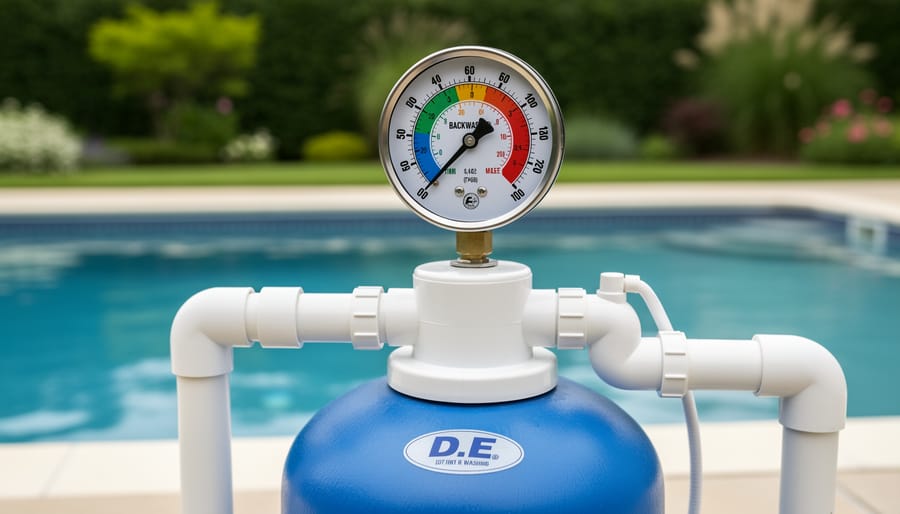
Your pressure gauge is like your filter’s way of talking to you, and the conversation is wonderfully simple. When you first clean or backwash your filter, note the starting pressure reading. This is your “clean” baseline, usually somewhere between 8-15 PSI depending on your system. As your filter does its job over the next few weeks, that number gradually climbs. The D.E. powder is catching debris, which means water has to work harder to push through, and pressure builds up.
Here’s the golden rule: when your gauge reads 8-10 PSI higher than your clean baseline, it’s time to backwash. So if you started at 10 PSI, backwash when you hit 18-20 PSI. Think of it like your car’s gas gauge, but instead of filling up when empty, you’re cleaning when full. I check mine every few days during peak season, and honestly, it takes five seconds. The gauge does all the thinking for you, making filter maintenance genuinely foolproof.
The Backwashing and Recharging Routine
Backwashing your D.E. filter might sound intimidating, but it’s honestly simpler than it seems. Think of it as giving your filter a fresh start, kind of like changing the oil in your car.
Start by turning off your pump. Safety first! Then locate the backwash valve on your filter system. Turn it to the backwash position, and fire up the pump again. You’ll see dirty water flowing out through your waste line. Let it run for about two to three minutes until the water runs relatively clear. Don’t worry if it’s not crystal clear, that’s normal.
Next, turn off the pump again and switch the valve to rinse. Run the pump for about 30 seconds to settle everything back into place. Now you’re ready for fresh D.E. powder.
Here’s my favorite part: adding new D.E. is wonderfully straightforward. With the pump running in filter mode, slowly pour the recommended amount of D.E. powder into your skimmer. Check your filter’s manual for the exact amount, it varies by size. The powder will flow through your system and coat the filter grids evenly.
Now, about that old D.E. you just backwashed out. Good news for gardeners! Most D.E. powder is basically fossilized algae, making it garden-safe and an excellent soil amendment. Just check your local regulations first. You can spread it around non-edible plants or add it to your compost pile. It’s packed with silica that many plants love.
Deep Cleaning Your Filter Grids
About twice a year—typically at the start and end of swimming season—your filter grids deserve a spa day. I like to think of deep cleaning as a reset button that keeps your D.E. system running like new.
Start by removing the grids from the manifold after backwashing. Lay them on a flat surface like your driveway or patio. Here’s the gentle approach: use a garden hose with a regular spray nozzle (not a pressure washer, which can tear the fabric) and rinse from top to bottom. Work methodically, spraying between each pleat to dislodge stubborn debris and oils that regular backwashing misses.
If you notice a greasy film—common in heavily-used ponds—mix a solution of filter cleaner or mild TSP substitute in a large bucket or trash can. Soak the grids for about an hour, then rinse thoroughly. The key word here is gentle. These grids are surprisingly durable, but aggressive scrubbing or high-pressure washing will shorten their lifespan considerably.
Check each grid for tears or worn fabric while you’re at it. Small holes can sometimes be patched, but badly damaged grids should be replaced to maintain filtration quality. Once everything’s clean and dry, reassemble your system and you’re set for another season of crystal-clear water.
Common Questions from First-Time D.E. Filter Users
Safety Concerns: D.E. and Your Pond Life
Let me ease your mind right away: when handled properly, D.E. is perfectly safe for your fish, plants, and all those helpful bacteria working behind the scenes in your pond. The powder itself is non-toxic and won’t harm aquatic life if a small amount accidentally makes it into your water. I’ve been using D.E. filters for years, and my koi are thriving beautifully.
That said, there’s one important precaution during maintenance. D.E. powder is incredibly fine, almost like talc, which means you don’t want to breathe it in. When you’re adding fresh powder to your filter or cleaning out the old stuff, work in a well-ventilated area and consider wearing a dust mask. It’s the same common-sense approach you’d take when handling any fine powder around the house. Some folks even dampen the D.E. slightly before handling to keep dust down.
The great news? Once the D.E. is inside your filter system doing its job, there’s zero risk to your pond ecosystem. Your beneficial bacteria colonies remain undisturbed, your plants keep growing, and your fish stay happy. Just take those few simple precautions during handling, and you’ll have a worry-free filtration experience.
What If D.E. Gets Into My Pond?
If you notice a fine, white powder clouding your pond water, D.E. has likely escaped from your filter. Don’t panic! This happens when a filter grid develops a tear or crack, allowing the powder to bypass the filtration system and flow back into your pond.
The good news? D.E. is non-toxic and won’t harm your fish or plants. However, it will make your water look chalky and uninviting, and it can clog up other equipment if left unaddressed.
To identify the problem, check your filter grids carefully. You’re looking for any rips, holes, or worn spots in the fabric. Sometimes the damage is obvious, but smaller tears can be sneaky. Run your fingers gently along each grid to feel for rough patches or exposed framework.
Once you’ve found the culprit, you’ll need to replace the damaged grid. Most grids are affordable and easy to swap out. After replacing it, backwash your filter thoroughly to clear out any remaining D.E., then recharge with fresh powder according to your manufacturer’s guidelines. Your water should clear up within a day or two as your filter gets back to work capturing debris instead of releasing it.
The Real Cost Over Time
Let’s talk dollars and sense, because I know this matters to your pond budget! D.E. filter systems have a higher upfront cost than cartridge or sand filters, typically running $200-$600 depending on pond size. But here’s where it gets interesting. Your ongoing costs include D.E. powder (about $20-$40 annually for most backyard ponds) and replacement grids every 2-3 years ($50-$150). Electricity usage sits between sand and cartridge filters since the pump doesn’t work as hard thanks to superior filtration efficiency.
Compare this to cartridge filters that need frequent replacements ($30-$80 each, multiple times yearly) or sand filters requiring media changes every few years plus higher energy bills. Over five years, D.E. systems often cost less overall while delivering crystal-clear water. Think of it like buying quality tools for your workshop—the initial investment pays off through performance and longevity. For serious pond keepers wanting professional results without professional pricing, D.E. filtration hits that sweet spot.
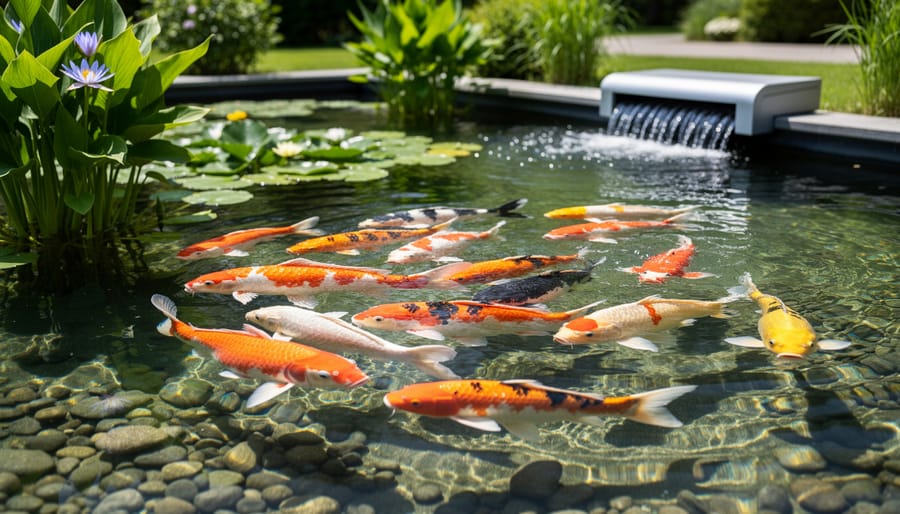
Choosing a D.E. filter system for your pond means making a real commitment to exceptional water clarity. If you’re tired of cloudy water and want to see every fish, every plant, and every pebble at the bottom of your pond with crystal-clear precision, this filtration method delivers results that other systems simply can’t match. The ability to capture particles down to 3-5 microns creates that stunning transparency we all dream about when we picture our ideal water garden.
What makes D.E. filters especially appealing is their efficiency with chemicals. Because they remove so much debris mechanically, you’ll likely find yourself reaching for algaecides and clarifiers far less often. This gentler approach supports the natural balance of your pond ecosystem, letting beneficial bacteria thrive while keeping the water pristine. Your fish and plants will thank you for creating such a healthy environment.
That said, let’s be honest about the maintenance. D.E. filters need regular backwashing and periodic recharging with fresh diatomaceous earth. You’ll need to clean the grids thoroughly at least once or twice a season. This isn’t overwhelming work, but it does require consistency and a willingness to get your hands dirty occasionally.
Take some time to honestly assess your situation. How much maintenance are you comfortable with? What’s your budget? How important is that showroom-quality clarity to you? There’s no wrong answer, just what works best for your lifestyle and your pond’s needs. When you invest in the right filtration system and maintain it properly, you’re rewarded with more time simply enjoying your beautiful outdoor space instead of constantly troubleshooting water quality issues. That’s what makes it all worthwhile.