
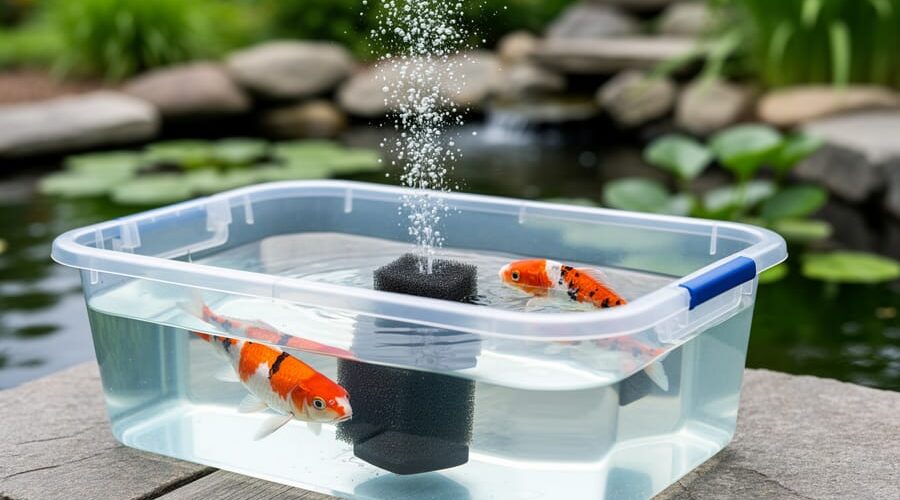
The Quarantine Box That Saves Your Water Garden From Disaster
Picture this: you’ve just bought beautiful new koi from that reputable dealer across town, your pond is ready, and you’re eager to watch them glide through the water. But before you release them, pause. That single decision could mean the difference between a thriving water garden and a devastating disease outbreak that wipes out your entire fish population.
A quarantine box is your pond’s first line of defense—a separate, temporary holding system where new fish, plants, or decorations spend 3-4 weeks before joining your main pond. Think of it as a security checkpoint that keeps parasites, bacteria, and diseases far away from the fish you’ve nurtured for years.
I learned this lesson the hard way when I introduced “just one goldfish” without quarantine. Within two weeks, white spot disease spread through my entire pond, and I lost fish I’d raised from juveniles. That heartbreak could have been prevented with a simple plastic tub, a small filter, and a bit of patience.
Here’s the reality: even healthy-looking fish can carry invisible threats. Stress from transport weakens their immune systems, allowing dormant parasites to emerge days or weeks later. Without quarantine, you’re essentially gambling with your entire pond ecosystem.
The good news? Setting up a quarantine box doesn’t require expensive equipment or expert knowledge. Following essential biosecurity practices with a basic setup protects your investment and gives you peace of mind. Let’s explore exactly how to create and use this vital safeguard for your water garden.
What Exactly Is a Quarantine Box?
If you’ve ever brought home a new puppy and kept it separate from your other pets for a few days, you already understand the basic idea behind a quarantine box! In the water gardening world, a quarantine box (sometimes called a quarantine tank or QT box) is simply a temporary, separate container where you keep new fish or plants before adding them to your main pond.
Think of it as a safe waiting room. When you purchase koi, goldfish, or aquatic plants from a store or another pond keeper, they might be carrying unwanted hitchhikers like parasites, bacteria, or diseases. These troublemakers aren’t always visible to the naked eye, and they can wreak havoc on your established pond ecosystem if introduced directly.
The quarantine box gives you a controlled environment to observe your new additions for a few weeks. During this time, you can watch for signs of illness, treat any problems that surface, and ensure everything looks healthy before the big move. It’s much easier to treat a small quarantine container than your entire pond if something goes wrong.
This simple practice is your first line of defense in pond biosecurity, which is just a fancy way of saying “keeping your pond healthy and protected from unwanted invaders.” I learned this lesson the hard way years ago when I added some gorgeous new plants without quarantining them first. Within weeks, my pond was overrun with snails that came along for the ride!
The good news? Setting up a quarantine box doesn’t require expensive equipment or complicated procedures. It’s one of those small efforts that pays huge dividends in protecting the pond you’ve worked so hard to create.
Why Your Water Garden Needs One (Even If You’re Careful)
The Hidden Threats in New Plants
When you bring home those gorgeous new aquatic plants from the garden center, you might be getting more than you bargained for. Think of it like inviting an unknown guest into your home—you never quite know what they’re bringing with them!
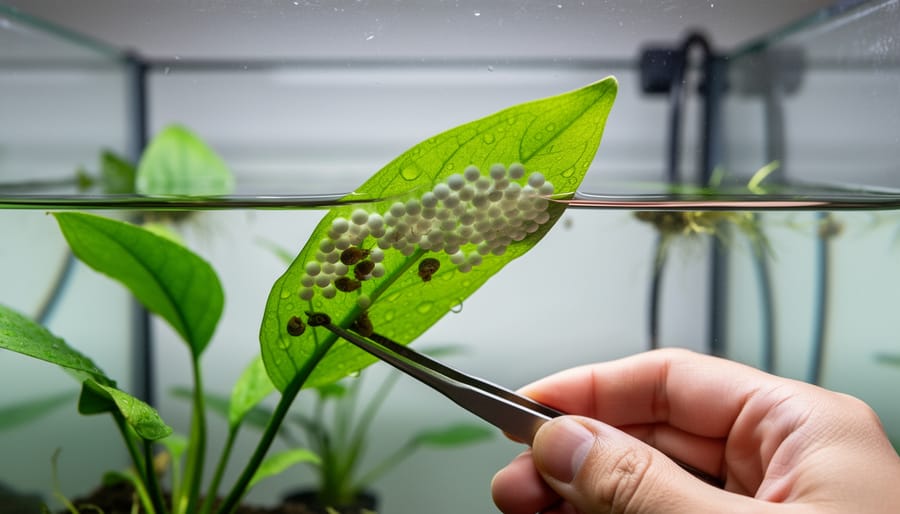
The most common hitchhikers are snail eggs, which often hide on the undersides of leaves or tucked into stem crevices. These tiny translucent clusters can quickly turn into a snail population explosion in your pond. I learned this the hard way when a single purchase of water lettuce turned into a months-long battle with hundreds of unwanted snails.
Algae spores are another sneaky passenger. Even if a plant looks clean, microscopic algae can tag along and trigger blooms in your pond, especially the dreaded string algae or green water varieties that cloud your beautiful water feature.
Bacterial infections and fungal diseases pose a more serious threat. Symptoms might not be visible right away, but infected plants can spread problems to your entire aquatic ecosystem. Watch for mushy stems, unusual discoloration, or slimy coatings.
This is exactly why a quarantine period is essential—it gives you time to spot these issues before they become pond-wide problems.
What New Fish Can Bring to Your Pond
New fish often look healthy and vibrant at the store, but they can carry hidden problems that threaten your entire pond community. The most common stowaways are parasites like ich, anchor worms, and flukes that aren’t always visible to the naked eye. These microscopic troublemakers can quickly spread through your established pond, causing an outbreak that affects every fish you’ve worked so hard to keep healthy.
Bacterial infections are another concern. Fish stressed from transport or changing water conditions become vulnerable to columnaris, fin rot, and other bacterial diseases. These infections can lie dormant during the first few days, only showing symptoms after you’ve already introduced the fish to your main pond. By then, it’s too late to prevent transmission.
Stress-related diseases pose a particularly sneaky threat because stress itself weakens a fish’s immune system. The journey from breeder to store to your home takes a toll, and fish may appear fine initially but crash within a week. When you’re protecting your fish from external threats, don’t overlook the risks that come from within. A quarantine box gives these newcomers time to recover and reveal any underlying health issues before they join your pond family.
Setting Up Your Own Quarantine Box
Choosing the Right Container
The good news is that you don’t need fancy equipment to set up an effective quarantine box! The container you choose depends mainly on what you’re quarantining and how long they’ll be staying.
For individual fish or small groups, a simple plastic storage tub works beautifully. I’ve used clear 10-gallon plastic bins from hardware stores countless times, and they’re perfect because you can easily observe your fish from all angles. Just make sure it’s food-safe plastic and hasn’t been used for chemicals.
Small aquariums in the 5 to 20-gallon range are another excellent choice, especially if you already have a spare tank sitting in your garage. They’re easier to maintain stable water conditions than tiny containers, and you can add a basic filter if needed.
For larger koi or multiple fish, consider dedicating a 30-gallon or larger container. Some water gardeners even use kiddie pools or stock tanks, which work great for temporary setups.
When quarantining plants, shallow containers like plastic dish tubs or even large buckets work fine since plants don’t need swimming space. The key is ensuring your container holds enough water to stay stable and is easy to clean thoroughly between uses.
Essential Equipment You’ll Need
Good news: you don’t need fancy or expensive equipment to set up an effective quarantine box! Let’s keep this simple and wallet-friendly.
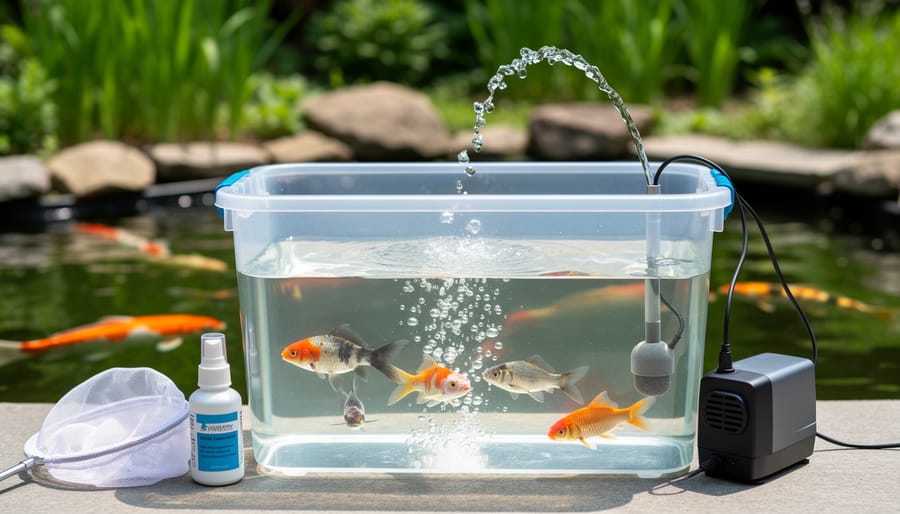
At minimum, you’ll need a basic container like a large plastic tub or small stock tank. Aim for at least 40-80 litres, depending on what you’re quarantining. A simple sponge filter or small air-driven filter keeps the water clean without creating strong currents that stress new arrivals. You’ll also need an air pump to power that filter and keep oxygen levels healthy.
If you’re quarantining during cooler months, a small aquarium heater helps maintain stable temperatures, which is crucial for stressed fish. Temperature swings can weaken their immune systems when they’re already vulnerable.
Here’s something I learned the hard way: don’t skip the water testing supplies! At minimum, grab test kits for ammonia, nitrite, and pH. These let you monitor water quality and catch problems before they become disasters.
Optional but helpful additions include a small net, a basic thermometer, and some aquarium salt for treating common issues. Many folks already have these items lying around from previous pond projects, so check your shed first before buying new!
Where to Place Your Quarantine Box
Finding the right spot for your quarantine box is almost as important as the box itself! You’ll want a location that makes your life easier while keeping your new arrivals comfortable and your main pond safe.
Temperature stability should be your first consideration. Look for a spot that doesn’t experience wild temperature swings throughout the day. A shaded area near your house or garage works wonderfully, protecting your quarantine setup from harsh afternoon sun while keeping things consistent. I learned this the hard way when I placed my first quarantine box in direct sunlight and spent half my day adding ice packs to cool things down.
Next, think about convenience. You’ll be checking on your quarantined fish or plants daily, so don’t hide the box in a far corner of your yard. Keep it close enough that monitoring becomes part of your regular routine, not a chore you dread. Near a water source is ideal since you’ll need fresh water for changes.
Most importantly, position your quarantine box completely separate from your main pond. This physical distance prevents any accidental cross-contamination through splashing, shared equipment, or runoff during rain. Think of it as creating a buffer zone between potential problems and your established water garden paradise.
How to Use Your Quarantine Box Properly
Quarantining New Fish: The 3-Week Protocol
Setting up your quarantine box is just the beginning—the real magic happens during those crucial three weeks when you’re carefully watching your new arrivals. Think of this period as getting to know your fish before they meet the rest of the family!
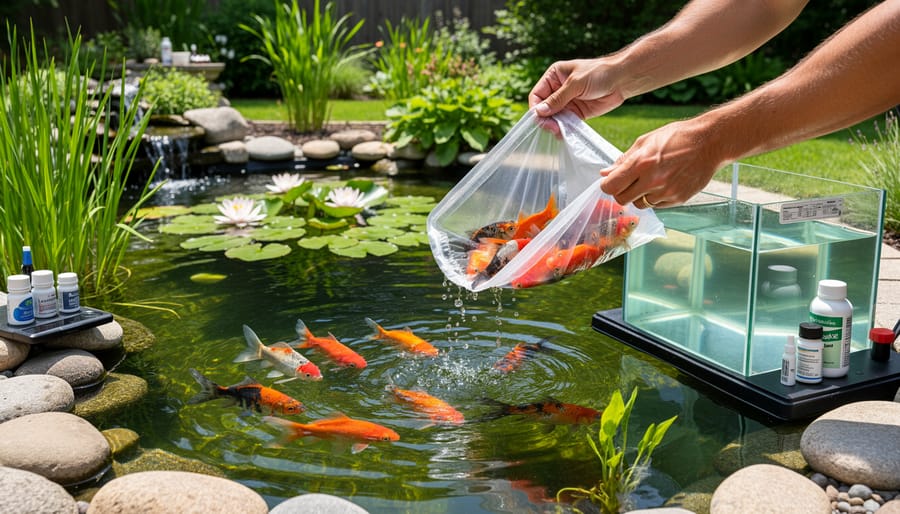
Days 1-3 are all about acclimation. When your new fish arrive, float their bag in the quarantine box for 15-20 minutes to match temperatures. Then, slowly add small amounts of your quarantine water to the bag over another 30 minutes. Once released, don’t be surprised if they hide or act shy—that’s completely normal! Keep the lights dim and resist the urge to peek constantly. Feed very lightly, if at all, on day one.
Days 4-7 mark your first observation checkpoint. By now, your fish should be exploring and showing interest in food. Look for red flags like white spots, frayed fins, labored breathing, or fish rubbing against surfaces. Watch their behavior during feeding time—healthy fish are usually eager eaters. Check your water treatment practices and test ammonia and nitrite levels every other day.
Days 8-14 are the critical middle period. Many diseases show up during this second week, so stay vigilant. Continue daily observations, noting any changes in coloration, appetite, or swimming patterns. Perform a 25% water change mid-week to keep conditions pristine.
Days 15-21 are your final stretch. If your fish have remained active, eating well, and showing no signs of disease, you’re in great shape! Before transfer day, do one last thorough inspection. Healthy fish will have bright eyes, smooth fins, vibrant colors, and confident swimming behavior. When everything looks good, your patience has paid off—welcome your new friends home!
Quarantining Aquatic Plants: The Quick Clean Method
Plants bring so much life to your pond, but they can also hitchhike unwanted guests like snails, algae, or tiny pests. The good news? A proper quarantine process takes just a few minutes and can save you months of headaches. Think of it as giving your new plants a spa treatment before they join your established pond family.
Start by giving each plant a thorough visual inspection. Hold it up to the light and check both sides of the leaves, especially the undersides where pests love to hide. Look for egg clusters, snails, or any unusual spots or discoloration. I once missed a tiny cluster of pest snail eggs, and within weeks, my pond was overrun. Trust me, those extra few minutes are worth it.
Next, rinse each plant under a gentle stream of water. Use your fingers to carefully rub the leaves and stems, removing any visible debris, algae, or critters. For stubborn algae or visible pests, you can prepare a dip solution. A simple option is dissolving aquarium salt in dechlorinated water, about one tablespoon per gallon, and soaking the plant for 15 minutes. This helps eliminate many soft-bodied pests without harming the plant.
After cleaning, place your plants in a separate quarantine container with fresh water. This could be your quarantine box if it’s not currently housing fish, or even a large bucket in a shaded area. Keep them there for at least two weeks, checking every few days for any signs of pests that might have survived the initial treatment. Change the water weekly to keep things fresh. Only after this observation period should your plants earn their spot in your main pond, confident they’re bringing beauty, not problems.
Warning Signs That Something’s Wrong
During your quarantine period, checking on your new arrivals daily is absolutely essential. Think of yourself as a detective looking for clues that something might be amiss. I learned this the hard way when I missed early signs of illness in a beautiful koi, and it taught me to be much more observant.
Start by watching how your fish behave. Healthy fish should swim actively and show interest when you approach. Red flags include fish hanging listlessly at the surface, lying on the bottom for extended periods, or isolating themselves in corners. Frantic darting movements or rubbing against surfaces often signal parasites trying to make themselves at home.
Look closely at their physical appearance. Watch for white spots that look like grains of salt (a classic sign of ich), cottony growths that might indicate fungus, or red streaks in fins suggesting bacterial infection. Cloudy eyes, clamped fins held tight against the body, or a bloated appearance all deserve immediate attention.
For plants, deteriorating leaves that turn yellow or brown quickly, mushy stems, or foul odors indicate rot setting in. Any visible snails, eggs, or insects hitching a ride need removal right away.
If you spot any of these warning signs, don’t panic. Extend your quarantine period and consider treating the specific problem. Ich responds well to gradual temperature increases and salt treatments. Fungal issues often need antifungal medications. Bacterial infections might require antibiotics available at aquarium supply stores.
Keep detailed notes of what you observe and any treatments you apply. This documentation becomes invaluable if problems persist or worsen. Remember, it’s always better to keep fish in quarantine longer than to introduce problems into your established pond where they’ll spread to your entire community.
Common Quarantine Box Mistakes (And How to Avoid Them)
We’ve all been there – excited about new additions to our ponds and maybe a little too eager to get them swimming with our existing fish family. I’ll be honest: my first quarantine attempt was a bit of a disaster because I made nearly every mistake in the book! Let me share what I’ve learned so you can skip the headaches.
The biggest mistake? Rushing the process. I get it – those beautiful new koi are calling to you from their temporary home, and waiting feels endless. But cutting a 4-week quarantine down to just a week or two defeats the entire purpose. Many diseases have incubation periods longer than you’d think, and symptoms won’t show up if you don’t give them time. Trust me, the patience pays off.
Another common slip-up is what I call “passive observation.” Simply glancing at your quarantine box while walking by isn’t enough. Set a daily reminder on your phone to actually stop, watch your fish swim, check for behavior changes, and inspect their bodies closely. Are they eating normally? Any flash or scratching? Those lazy ten minutes of real observation can catch problems early.
Here’s a sneaky one that catches even experienced pond keepers: sharing equipment between your quarantine setup and main pond. That innocent little net you use everywhere? It can transfer exactly what you’re trying to avoid. Keep dedicated tools for your quarantine box – nets, siphons, buckets – and never let them touch your main pond.
Finally, don’t neglect water quality in the quarantine space just because it’s temporary. Poor conditions stress fish, which suppresses their immune systems and can mask illnesses. Treat your quarantine box like the important protective barrier it is, not like a holding tank you’ll forget about tomorrow.
A quarantine box is one of those small investments that protects everything you’ve worked so hard to build in your water garden. Think of it like emergency preparedness for your pond. It might seem like an extra step now, but once you’ve seen how much heartache and expense it can save, you’ll wonder how you ever managed without one.
The best part? It gets easier every time you do it. Your first quarantine session might feel a bit uncertain, but after a few rounds, you’ll develop your own rhythm and routine. You’ll know exactly where your supplies are, how to spot warning signs, and when it’s safe to introduce new additions to your main pond.
By making quarantine part of your regular practice, you’re not just protecting fish and plants. You’re protecting the entire ecosystem you’ve nurtured, the investment you’ve made, and the peaceful retreat you’ve created in your backyard. That’s what responsible water gardening is all about, and you’re already taking the right steps to get there.