
Your Beautiful Water Garden Could Be a Lawsuit Waiting to Happen
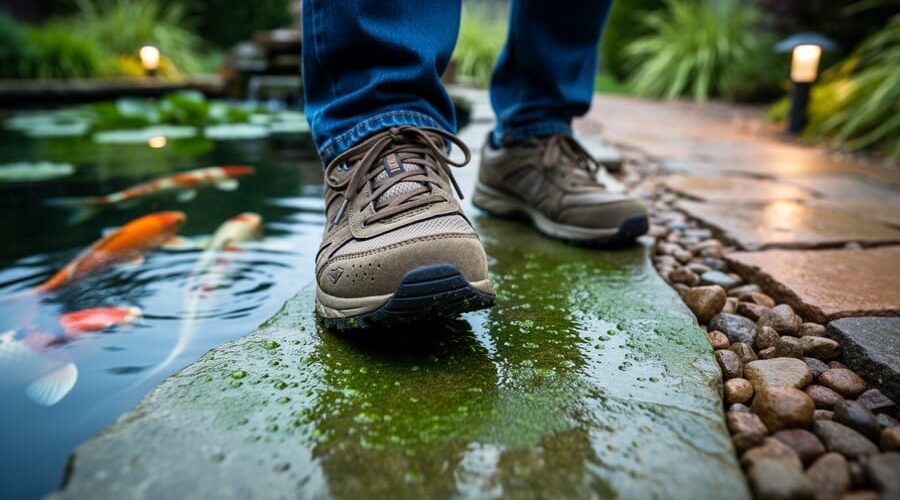
Your beautiful water garden shouldn’t come with a trip to the emergency room. Every year, thousands of homeowners suffer painful injuries around their ponds and water features—not from dramatic accidents, but from simple slips on wet stone, trips over hidden edging, or falls near slippery algae-covered surfaces. The irony? Most of these accidents happen in spaces designed for relaxation and enjoyment.
I learned this lesson the hard way when my neighbor ended up with a broken wrist after slipping on the decorative river rocks surrounding her koi pond. She’d spent months creating her dream water feature, only to have it become a hazard she now approached with fear rather than joy. Her experience opened my eyes to something crucial: safety and beauty aren’t opposites in water garden design—they’re partners.
The good news is that preventing slips, trips, and falls around your water garden doesn’t mean surrounding it with ugly safety rails or draining the magic from your outdoor space. Smart material choices, thoughtful placement of pathways, proper lighting, and strategic landscaping can dramatically reduce accident risks while actually enhancing your garden’s visual appeal.
Whether you’re planning a new water feature or want to make your existing pond safer for family and visitors, understanding the specific hazards around water gardens and implementing practical solutions will let you enjoy your aquatic oasis with complete peace of mind. Let’s walk through exactly how to make that happen.
Why Water Gardens Are More Dangerous Than Regular Gardens
The Invisible Culprits You Can’t See Until It’s Too Late
The really sneaky thing about water garden surfaces? The most dangerous hazards are often completely invisible until someone’s already slipping. I learned this the hard way when my neighbor took a tumble on what looked like perfectly dry pavement beside her koi pond.
Algae creates an ultra-thin film on stones and pavers that’s almost impossible to see but transforms surfaces into skating rinks. This biofilm thrives in the splash zones around your pond, fed by constant moisture and nutrients. You might think your stepping stones are clean, but run your hand across them and you’ll feel that telltale slickness.
Decomposing leaves and plant matter are equally deceptive. When wet leaves break down on pathways, they create a slippery organic layer that blends right into the surface. It’s particularly problematic in autumn when fallen foliage accumulates faster than you can clear it.
Water overflow patterns create their own hidden hazards around ponds. Your pump might be overflowing slightly, creating constant moisture on one section of pathway. Over time, this persistent dampness encourages moss growth and keeps surfaces perpetually slick.
Seasonal challenges multiply these risks. Ice formation is obvious in winter, but black ice near water features is incredibly dangerous because it’s nearly transparent. Spring brings freeze-thaw cycles that create unexpected icy patches even on mild mornings. Summer’s evening dew settles heaviest around water, making early morning garden walks surprisingly treacherous.
The key? Regular inspection from multiple angles and in different lighting conditions.
High-Risk Zones Around Your Pond
Let me share something I learned the hard way during my first year of pond keeping – not all areas around your water feature are created equal when it comes to safety. Some spots are genuine accident hotspots that deserve your extra attention.
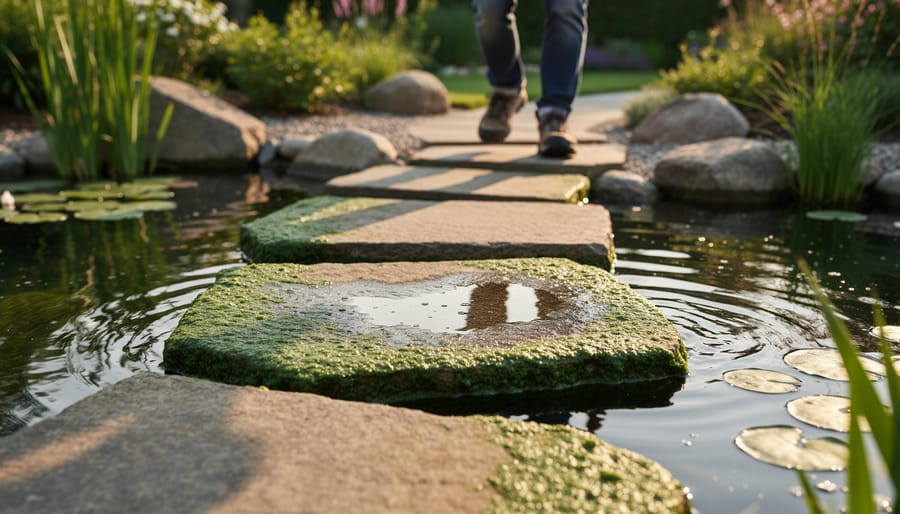
Stepping stones might look charming as they guide visitors across shallow areas, but they’re probably the number one culprit for slips. These stones collect algae incredibly quickly, and even a light morning mist can turn them into skating rinks. I once watched my neighbor take a tumble on hers while showing off her new koi – thankfully just a bruised ego!
Pond edges deserve serious respect, especially where water meets land. This transition zone stays perpetually damp from splashing and humidity, creating that sneaky slickness you don’t notice until your foot’s already sliding. Overhanging plants make it worse by dripping water long after rain stops.
Equipment areas around pumps and filters are surprisingly treacherous. Water naturally accumulates here from maintenance activities, hose connections, and the occasional overflow. These spots often hide in less visible corners of your garden, making them easy to forget about until someone’s rushing over to adjust something.
Wooden bridges and observation decks add wonderful viewing opportunities, but wood and moisture don’t play nicely together. These structures develop slippery biofilm quickly, and the problem compounds in shaded areas where surfaces never fully dry.
Transition points where different materials meet – like where your deck connects to stone pavers or where grass meets gravel paths – create uneven surfaces that catch toes and trip the unwary. Your brain expects one texture and suddenly encounters another, which throws off your balance.
Understanding these danger zones is your first step toward making them safer. In the next sections, we’ll tackle exactly how to address each challenge.
Smart Design Choices That Prevent Accidents Before They Happen
Choosing the Right Surface Materials
When I first redesigned the pathways around my backyard pond, I made the mistake of choosing beautiful smooth flagstones that looked absolutely stunning but became ice rinks the moment they got wet. One slip later, and I was completely rethinking my material choices!
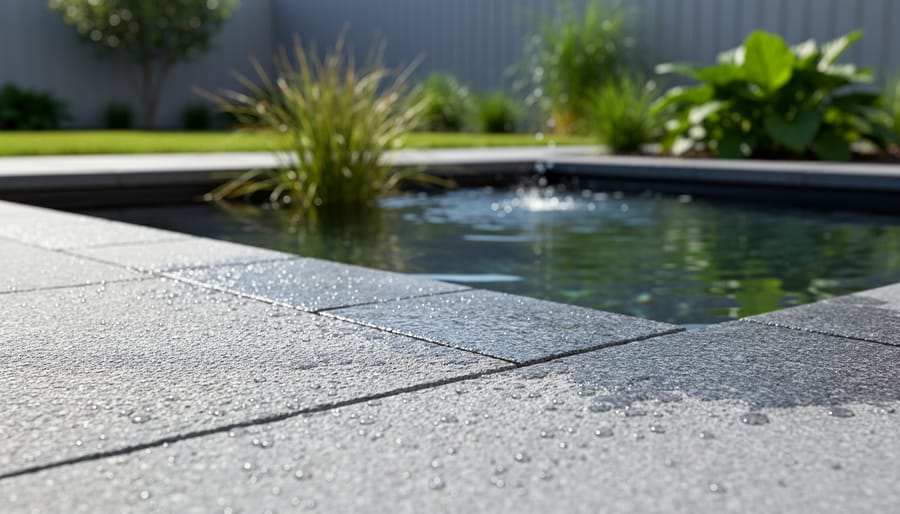
Let’s talk about surfaces that actually keep you upright while still looking fantastic. Textured pavers are your best friend around water features. Look for ones with a brushed or tumbled finish rather than smooth surfaces. The tiny grooves create traction even when water splashes over them. I personally love the natural look they bring, and they’re available in tons of colors and styles to match any garden aesthetic.
Non-slip decking has come a long way from those awful rubber mats of the past. Modern composite decking often includes embedded grip technology that’s barely visible but incredibly effective. If you prefer wood, choose varieties with natural grooves or have your decking professionally scored to add texture.
Aggregate concrete might sound industrial, but exposed aggregate creates a naturally grippy surface that’s perfect for wet areas. The small stones embedded in the surface provide excellent traction, and you can choose aggregate colors that complement your landscaping. It’s durable, affordable, and surprisingly attractive when done right.
For a more natural pathway feel, decomposed granite is wonderful around informal pond settings. It compacts nicely, provides good traction, and drains beautifully. Just edge it properly so it doesn’t migrate into your pond.
The secret is testing before committing. Visit showrooms after rain or bring a water bottle to wet samples. Walk on them with regular shoes. If it feels slippery in the store, it’ll be worse around your pond.
Strategic Grading and Drainage Solutions
Think of your pathways like tiny rivers—they need somewhere to go! When I first installed my pond’s surrounding walkway, I quickly learned that flat surfaces become instant puddles after even light rain. The solution? Strategic grading that guides water away from where you walk.
Start by creating a gentle slope on your pathways, aiming for about a 2% grade. That’s just a quarter-inch drop for every foot of distance—barely noticeable to walk on but incredibly effective at moving water. I use a simple 4-foot level with a quarter-inch spacer under one end to check my work. No fancy equipment needed!
Consider the natural flow of your landscape when planning drainage. Water always seeks the lowest point, so work with gravity rather than against it. Around my pond, I created shallow swales—those gentle dips you see in natural landscapes—that channel water toward planted areas that actually benefit from the extra moisture. Your thirsty hostas and ferns will thank you!
For paved areas near your water garden, install drainage channels or French drains along the edges. I disguised mine with decorative river rock that complements my pond’s aesthetic. The rocks allow water to percolate through while keeping walking surfaces dry.
Remember, standing water isn’t just a slip hazard—it breeds mosquitoes and algae. By directing water purposefully, you’re creating a safer, healthier environment around your beautiful water feature while maintaining that natural, flowing design you’ve worked so hard to achieve.
Maintenance Routines That Keep Surfaces Safe Year-Round
Weekly Quick Checks That Take 5 Minutes
Making safety checks a habit doesn’t have to eat up your weekend. I’ve found that spending just five minutes each week keeps my pond area safe without turning it into a chore.
Start by walking your usual pathways around the water garden with fresh eyes. Look for that telltale green film on stepping stones – algae loves moist surfaces and can turn a beautiful stone path into a skating rink overnight. Give suspicious spots a quick scrape with your shoe to test traction.
Next, scan for leaf accumulation, especially in corners and against edging stones where debris tends to collect. Wet leaves are surprisingly slippery and hide underneath hazards. I keep a small basket near my pond specifically for this quick pickup.
Check wooden surfaces by running your hand along deck boards or bridges. Splintering wood or loosening boards need attention before someone catches a toe. Finally, look for any new puddling areas where water might be splashing onto adjacent surfaces – these spots weren’t slippery last week but could be trouble now.
The key is consistency. Pick the same day each week, maybe Sunday morning with your coffee, and make it part of your routine. You’ll catch problems early when they’re still easy fixes.

Seasonal Deep Cleaning for Maximum Safety
While your regular maintenance keeps surfaces generally safe, setting aside time each season for deeper cleaning makes a real difference in preventing slips and falls. I learned this lesson after noticing green patches returning to my stone edging within weeks of cleaning—I wasn’t addressing the root cause!
Every three months, give your water garden pathways the attention they deserve with pressure washing. This removes deeply embedded algae, moss, and organic matter that regular hosing simply can’t tackle. Start with a low-pressure setting to avoid damaging surfaces, and work systematically from one end to the other. You’ll be amazed at how much safer and brighter everything looks afterward.
Once surfaces are thoroughly clean and dry, apply specialized algae prevention treatments. These products create an invisible barrier that makes it harder for slippery organisms to take hold. Think of it as giving your pathways armor against future hazards. Always follow manufacturer instructions carefully and keep people and pets away until completely dry.
This is also the perfect time to reassess your anti-slip treatments. Those textured coatings or grip-enhancing sealers do wear down over time, especially in high-traffic areas. Reapplying them quarterly ensures consistent traction year-round. Your knees will thank you during those early morning visits to feed your fish!
Don’t forget to look up during your seasonal deep clean. Overhanging branches and plants drip water onto paths long after rain stops, creating unexpected wet spots. Trim back vegetation that extends over walkways, maintaining at least a foot of clearance. This simple step keeps surfaces drier and prevents that sneaky moss growth.
These intensive tasks complement your essential pond maintenance routine, creating layers of protection that work together throughout the year.
Solutions for Common Problem Areas
Fixing Slippery Stepping Stones Without Replacing Them
Before you pull up those stepping stones, here’s some great news: you can transform slippery surfaces into safe pathways without starting from scratch! I’ve rescued countless stepping stones over the years, and these budget-friendly fixes work wonders.
Textured coatings are your first line of defense. Head to your local hardware store and grab some anti-slip concrete coating or textured deck paint. Clean your stones thoroughly with a stiff brush and let them dry completely. Apply the coating following the manufacturer’s directions—it creates a gritty surface that grips wet feet beautifully. I treated my own pond stepping stones three years ago, and they’re still performing perfectly!
Adhesive traction strips offer another simple solution. These waterproof strips stick directly to stone surfaces and come in clear or natural colors that won’t clash with your garden aesthetic. Cut them to size, press firmly, and you’re done in minutes. They’re particularly handy for flat stones where water tends to pool.
Moss might look charming, but it’s incredibly slippery. Remove it regularly with a wire brush or pressure washer. For persistent moss, try a solution of one part vinegar to two parts water—it’s eco-friendly and won’t harm nearby plants.
Finally, consider raising your stones slightly by adding gravel underneath. This improved drainage keeps surfaces drier and reduces algae growth. Even a half-inch elevation makes a noticeable difference! These simple tweaks will keep everyone safely exploring your water garden paradise.
Managing Wet Wooden Decks and Bridges
Wooden decks and bridges around your pond create charming pathways, but they become surprisingly slippery when wet. I learned this the hard way after a light rain left my new cedar bridge feeling like an ice rink!
Start with anti-slip deck treatments designed specifically for wood. These penetrating sealers add texture without changing the natural beauty of your decking. Apply them annually, or more often in high-traffic areas. For immediate traction, clear grip tape works wonders on steps and narrow bridge planks where you can’t afford any slips.
Here’s something many folks overlook: proper board spacing matters tremendously. Leave at least 1/8 inch between deck boards to allow water and debris to drain through rather than pooling on the surface. This simple design choice prevents that dangerous slick film from forming.
Your weekly maintenance routine should include sweeping away leaves, algae, and pond spray buildup. A stiff brush with mild soap does the trick without damaging wood finishes. Pay special attention after storms when organic matter accumulates quickly.
Consider adding handrails to bridges longer than four feet. Your future self during morning pond checks in dewy conditions will thank you for this thoughtful addition to your water garden sanctuary.
When Your Pond Edges Won’t Stop Being Muddy
Muddy pond edges can feel like a never-ending battle, especially after rain or when water levels fluctuate. The good news? You’ve got several solid options to firm things up for good.
Start by installing edge barriers like plastic or rubber pond edging that creates a clean boundary between water and surrounding soil. I learned this the hard way after my first pond turned into a slip-and-slide zone every spring! These barriers tuck under your liner and extend several inches above water level, preventing erosion from wave action and foot traffic.
If mud persists, your pond liner might not be positioned correctly. Check that it extends far enough beyond the water’s edge and sits under a protective layer of underlayment fabric. This prevents punctures and keeps soil from washing into the pond.
Creating buffer zones transforms muddy messes into stable, attractive borders. A 12-18 inch band of river rock or pea gravel around your pond’s perimeter provides excellent drainage while giving you solid footing. For a softer look, plant moisture-loving ground covers like creeping Jenny or sweet flag in the transition zone between water and lawn.
Clay soil presents special challenges since it holds water like a sponge. Improve drainage by mixing in coarse sand and compost before adding your gravel or plant buffer. This combination finally solved my clay-heavy backyard situation!
Safety Features That Blend Into Your Design
Lighting That Looks Good and Prevents Falls
Good lighting around your pond isn’t just about creating a magical evening atmosphere, though that’s definitely a bonus! It’s one of your best defenses against slips and falls after dark.
I learned this lesson the hard way when a friend nearly stepped into my pond during an evening garden party. Now I’m strategic about placement. Path lights should illuminate every walkway leading to and around your water feature, spacing them about six feet apart so there are no dark gaps. Think of it as creating a visual guide that naturally keeps people away from edges.
Underwater lighting is surprisingly practical for safety. When you light up your pond from within, those edges become crystal clear, even in twilight. The glow defines boundaries without being harsh or intrusive.
Solar lights are your friend here because you can install them anywhere without worrying about electrical work or tripping hazards from cords. I’ve placed solar stakes along my entire pond perimeter, and they charge during the day while I’m at work, then automatically illuminate potential hazards at dusk.
Consider adding motion-sensor lights near seating areas or popular viewing spots. They’ll catch someone’s attention before they wander too close to the edge, and the automatic feature means you’ll never forget to turn them on.

Decorative Barriers and Helpful Handrails
Safety features don’t have to scream “warning zone” around your pond. I’ve discovered that some of the most effective accident prevention comes from elements that look like they were always meant to be there.
Large decorative boulders serve double duty beautifully. Positioned strategically along pond edges, they create natural barriers that guide foot traffic while adding wonderful visual interest. I placed a cluster of river rocks near my pond’s deepest section, and visitors naturally pause there rather than venture too close to the edge.
Planted borders work magic too. A thick row of ornamental grasses or low shrubs creates a soft boundary that people instinctively respect. The plants signal “garden bed, don’t walk here” without needing signs, and they soften your pond’s perimeter gorgeously. Choose non-invasive varieties that won’t crowd your water feature over time.
Decorative fencing offers endless possibilities. Wrought iron, bamboo, or split-rail styles complement different garden themes while providing something to grab if someone loses balance. Even a knee-high decorative fence makes people more aware of the pond’s presence.
Artistic railings near steps or slopes combine safety with sculptural appeal. I installed copper railings with lotus-flower finials along my pond pathway, and guests constantly compliment them while unconsciously using them for stability.
Special Considerations for Families and Frequent Visitors
When I host family gatherings at my water garden, I’ve learned that what feels perfectly safe to me might be quite different for my elderly mother or my friend’s curious toddler. Creating a welcoming space for everyone means thinking ahead about their unique needs.
Start by taking a fresh look at your pond area through different eyes. Get down to a child’s height and notice what might attract their attention near the water’s edge. Walk slowly like someone with limited mobility might, paying attention to uneven surfaces or obstacles you normally step over without thinking. This simple exercise reveals hazards you’ve become too familiar with to notice.
Communication is key, but you don’t need to turn your garden into a hazard zone with warning signs everywhere. When guests arrive, especially those visiting for the first time, give them a casual walkthrough. Point out where the ground might be uneven or which stepping stones can get particularly slippery. I usually say something like, “The stones near the waterfall are gorgeous but can be slick after it rains, so watch your step over there.” It’s informative without being alarmist.
For elderly visitors, consider keeping a sturdy walking stick near your back door that they can borrow if needed. Make sure seating areas have stable chairs with arms that make standing easier. If you have grandchildren visiting regularly, establish clear boundaries about pond access and consider temporary fencing for the duration of their stay.
Lighting becomes even more critical when hosting evening gatherings. Ensure pathways are well-lit before guests arrive, and keep a flashlight handy for escorting people back to their cars. These small considerations show you care while keeping everyone safe around your beautiful water feature.
Creating a beautiful water garden that’s also genuinely safe doesn’t require choosing between aesthetics and security. As we’ve explored throughout this guide, you can absolutely have both with just a bit of thoughtful planning and weekend-worthy effort.
I’ve seen countless water gardens transform from accident-prone areas into stunning, secure outdoor retreats, and yours can too. The techniques we’ve covered aren’t complicated or expensive. They’re simply smart approaches that blend seamlessly into your landscape design while giving you true peace of mind every time family and friends gather around your pond.
The beauty of these safety improvements is that they enhance rather than detract from your water feature. Well-placed lighting creates magical evening ambiance while illuminating pathways. Natural stone edging adds visual interest while providing stable footing. Strategic plantings soften hard edges and guide foot traffic naturally.
Here’s my challenge to you this weekend: pick just one safety improvement from this article and make it happen. Maybe it’s adding solar lights along your main pathway, or spreading fresh gravel where the ground stays perpetually damp. Perhaps it’s finally installing that handrail you’ve been considering. Start small, but start now.
Your water garden should be a source of joy and relaxation, not worry. With these straightforward precautions in place, you’ll spend less time fretting about potential accidents and more time actually enjoying the tranquil space you’ve created. That’s the whole point, after all.