
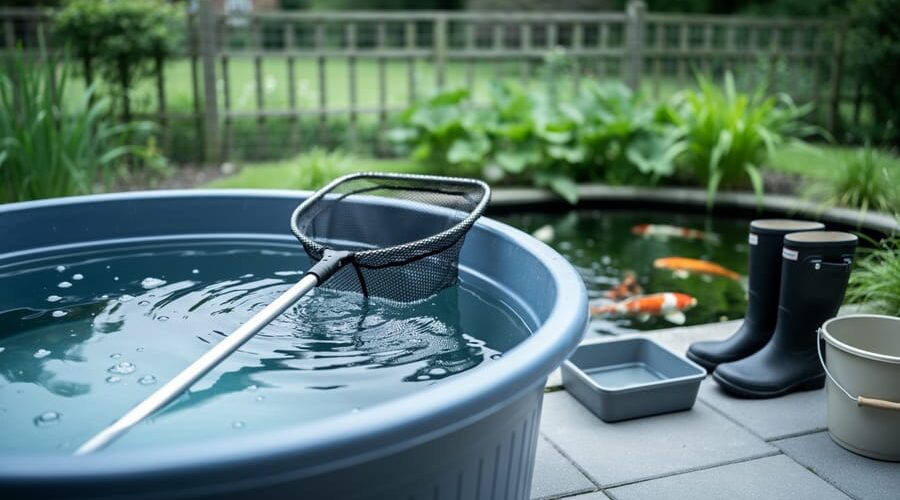
Keep Disease Out of Your Pond: Simple Biosecurity Steps Every Water Gardener Needs
Quarantine every new fish for at least two weeks in a separate tank before introducing them to your pond—this simple step prevents up to 90% of disease outbreaks that devastate established fish populations. Set up a basic quarantine system using a large plastic tub with an air stone, keeping new arrivals isolated where you can observe them for signs of illness like lethargy, unusual spots, or erratic swimming without risking your entire pond community.
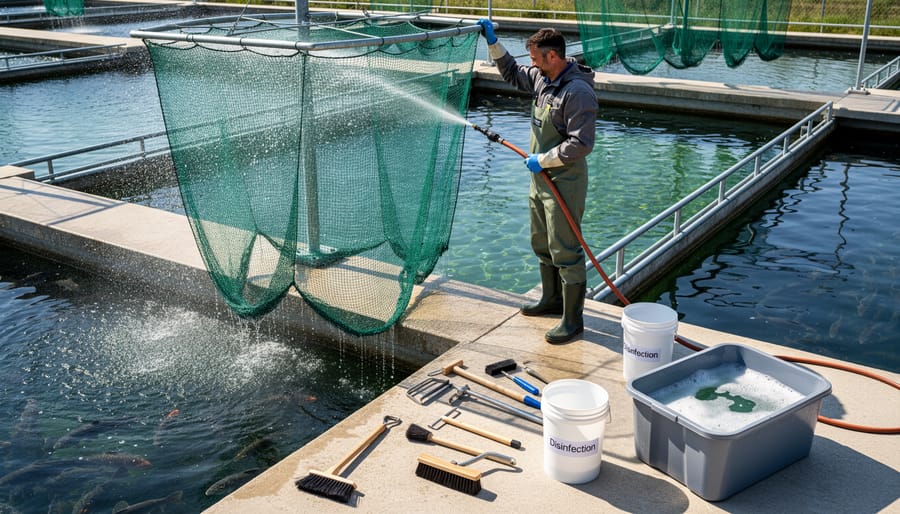
Disinfect all equipment that moves between water sources, including nets, buckets, and testing tools, by soaking them in a 10% bleach solution for ten minutes, then rinsing thoroughly. Disease-causing organisms hitchhike on wet surfaces, and one contaminated net can transfer parasites or bacteria from an infected area directly into your healthy pond ecosystem.
Limit foot traffic around your pond and designate specific footwear or boot baths if you maintain multiple water features or visit other ponds. Pathogens travel on boot soles, clothing, and hands, turning well-meaning pond enthusiasts into accidental disease carriers.
Install physical barriers like fencing to keep wild birds and animals away from direct water contact, since herons, raccoons, and other wildlife carry parasites and bacteria that jump species. Even droppings falling into the water introduce harmful organisms your fish have no natural immunity against.
Farm biosecurity isn’t about creating a sterile environment—it’s about controlling what enters your pond system so your fish community thrives without constant disease pressure. Think of these practices as your pond’s immune system, working quietly in the background to prevent problems before they start. Whether you’re managing a backyard koi collection or a small aquaculture operation, these foundational habits protect your investment and spare you the heartbreak of preventable losses.
What Is Pond Biosecurity (And Why Should You Care)?
The Real Threats to Your Pond
Your pond faces several invisible enemies that can hitch a ride into your water garden more easily than you might think. Understanding these threats is your first line of defense.
Common fish diseases like parasites (ich, anchor worms, and flukes), bacterial infections, and fungal outbreaks can devastate your fish population within days. I learned this the hard way when I added “just one new goldfish” without quarantine and watched my entire pond struggle with white spot disease for weeks.
Water-borne parasites are particularly sneaky. They can survive on wet equipment, in the water that comes with new plants, or even in the plastic bags that transport fish. Some parasites produce cysts that remain dormant in pond muck for months, waiting for the right conditions to activate.
Invasive plants pose another serious threat. A single fragment of water hyacinth or salvinia can multiply rapidly, choking out your carefully balanced ecosystem. These often arrive clinging to new aquatic plants or equipment borrowed from other pond owners.
Emerging pathogens are increasingly concerning as global trade expands. The real kicker? These threats spread through seemingly innocent actions: dipping a net from one pond into another, wearing wet boots between locations, or sharing plants with fellow water gardening friends without proper treatment.
Why Your Pond Is More Vulnerable Than You Think
Here’s something I learned the hard way after losing half my koi population one summer: ponds are like little islands where problems can’t escape, they just multiply. Think about it – your fish are living in what’s essentially a closed loop system. Unlike wild fish that can swim away from trouble, your pond inhabitants are stuck dealing with whatever gets introduced.
When something goes wrong in a pond, it goes wrong fast. Poor water quality, overcrowding, or sudden temperature changes create stressed fish, and stressed fish have weakened immune systems. It’s just like how you’re more likely to catch a cold when you’re run down. I’ve watched a single new goldfish, added without proper quarantine, introduce a parasite that spread to every fish in my 2,000-gallon pond within days.
The concentrated nature of pond life means diseases spread incredibly quickly through the water column. One infected fish can shed millions of parasites or bacteria that your other fish will inevitably encounter. There’s no escaping it when you’re all sharing the same 500 or 1,000 gallons. This is exactly why biosecurity practices aren’t just for commercial fish farms – your backyard pond needs the same thoughtful protection.
Quarantine: Your First Line of Defense
Setting Up a Simple Quarantine Tank
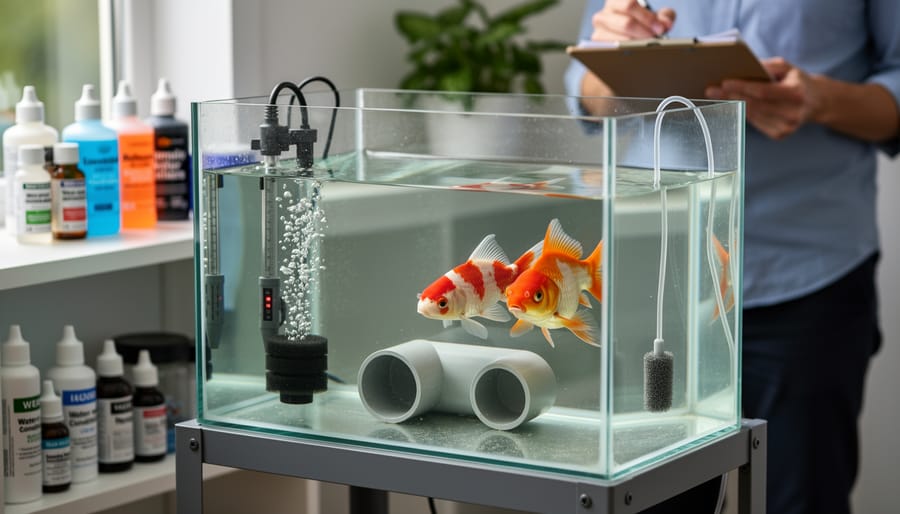
Setting up a quarantine tank doesn’t need to be complicated or expensive. I learned this the hard way after introducing new fish directly to my main pond years ago—it took months to recover from the disease outbreak that followed! Now, I always keep a simple quarantine setup ready, and you can too.
Start with any clean container that holds at least 20-30 gallons for smaller fish, or 40-50 gallons for larger koi. An old stock tank, plastic storage tub, or spare aquarium works perfectly. The key is making sure your new arrivals have enough room to swim comfortably for their 2-4 week quarantine period.
Location matters more than you might think. Choose a spot away from your main pond to prevent accidental cross-contamination through shared equipment or splashing water. A garage, shed, or covered porch works great. The area should be temperature-stable and protected from extreme weather.
For filtration, you don’t need anything fancy. A simple sponge filter powered by an air pump does the job beautifully and won’t harm delicate fish. Add an air stone for extra aeration—healthy oxygen levels help stressed fish recover from transport. If you’re reusing equipment, sanitize everything thoroughly between quarantine sessions using a diluted bleach solution, then rinse completely.
Fill your quarantine tank with dechlorinated water a day before your new fish arrive, giving beneficial bacteria time to establish. Monitor water quality daily with basic test strips, and you’re all set to protect your pond family!
The 4-Week Quarantine Protocol
Think of quarantine as a four-week safety net for your pond’s future. I learned this the hard way after introducing seemingly healthy fish that brought problems weeks later. Here’s your week-by-week roadmap:
Week 1: The Critical Observation Period
Watch your new arrivals closely during these first seven days. Check twice daily for labored breathing, clamped fins, or fish hanging at the surface gasping. Test water daily—ammonia and nitrite should stay at zero, pH between 7.0-8.5. Feed sparingly, just once per day at half portions. Your fish are stressed from transport and need time to settle. Look for: active swimming patterns, interest in food within 48 hours, and clear eyes.
Week 2: Building Confidence
Continue daily water testing but reduce to once daily observations. Increase feeding to normal portions if fish are eating well. This is when hidden parasites or bacterial issues often surface, so stay vigilant. Healthy signs include: fish exploring the tank, normal waste production, and fins held upright.
Week 3: The Waiting Game
Test water every other day now. Maintain regular feeding. Watch for any late-developing symptoms like white spots, fuzzy patches, or lethargy. Most diseases reveal themselves by day 21.
Week 4: Final Clearance
If fish remain active, eating enthusiastically, and showing no symptoms, they’re ready to join your pond family. Perform one final water test and a thorough visual inspection before transfer.
Quarantining Plants and Other Pond Additions
Before adding anything new to your pond, a simple quarantine routine can save you from major headaches down the road. I learned this lesson the hard way when I introduced beautiful water lilies that brought along uninvited snail guests that quickly overwhelmed my pond!
Start by thoroughly inspecting any new plants, rocks, or decorations before they touch your pond water. Look closely for snail eggs—those jelly-like blobs clinging to leaves and stems. Check under leaves and along stems for any tiny hitchhikers like insect larvae or algae patches.
For plants, prepare a separate container with clean water and gently rinse off all soil and debris. Soak them in a mild saltwater solution (one tablespoon of non-iodized salt per gallon) for about 15 minutes. This helps dislodge any unwanted organisms without harming the plant. Rinse again with fresh water before quarantining in a holding tank for at least two weeks.
Hard decorations and equipment need attention too. Scrub them with a stiff brush and soak in a diluted bleach solution (one part bleach to twenty parts water) for 30 minutes, then rinse extremely well. Allow everything to air dry completely.
This careful approach is essential for preventing invasive species and keeping your pond ecosystem balanced and healthy.
Daily Biosecurity Practices That Make a Difference
Clean Hands, Clean Equipment
Think of your hands and equipment as potential disease taxis, carrying unwanted passengers from one area of your pond to another! The good news is that stopping this transport system is surprisingly simple with consistent cleaning habits.
Start with the easiest step: wash your hands thoroughly with soap and water before and after any pond work. It sounds basic, but this single habit prevents countless problems. Keep a designated hand-washing station near your pond with soap and a towel.
For nets, buckets, and tools, create your own disinfectant solution that’s both effective and budget-friendly. Mix one tablespoon of unscented household bleach with one gallon of water. After using any equipment, rinse it with pond water first to remove debris, then soak it in your bleach solution for at least ten minutes. Rinse again with clean water and let it air-dry completely before storing.
Here’s a pro tip from my own experience: dedicate separate equipment for quarantine tanks versus your main pond. Color-code them with waterproof tape so you never mix them up, even when you’re rushing.
Store clean equipment in a dry location where it won’t collect dirt or debris. Hanging nets and tools on hooks keeps them off the ground and allows proper air circulation. Replace your disinfectant solution weekly to maintain its effectiveness, and always label containers clearly to avoid confusion.
Managing Visitors and Wildlife
I know how tricky this can be—you want to show off your beautiful pond to visiting friends, but you also need to protect your fish from invisible threats. The good news is you can do both with a few simple practices.
When friends drop by, ask them to avoid handling your fish or dipping their hands in the water, especially if they’ve recently visited other ponds or kept fish themselves. Think of it like the “no double-dipping” rule at parties—it’s just smart hygiene! Provide a dedicated net that stays at your pond, rather than sharing equipment that might have been elsewhere.
Wild birds are probably your biggest wildlife challenge since they love visiting multiple water sources and can carry parasites or bacteria on their feet and feathers. Installing netting over part of your pond or adding a shallow bird bath away from your main pond gives them an alternative watering spot. I’ve found this works wonderfully—the birds get their drink, and my fish stay safer.
Frogs and toads will inevitably show up, and while they’re charming pond residents, they can transport pathogens between water bodies. You can’t realistically keep them out completely, which is why maintaining excellent water quality and healthy, stress-free fish becomes your best defense. Healthy fish have stronger immune systems to fight off anything unwelcome visitors might introduce.
Source Your Additions Carefully
Choosing healthy additions for your pond starts with finding suppliers who take biosecurity seriously. Reputable fish retailers and nurseries should have clean, well-maintained display tanks with active, alert fish. Watch for red flags like cloudy water, fish gasping at the surface, or visible lesions on their bodies—these are signs to shop elsewhere.
Before you buy, ask questions. How long have these fish been at the facility? Where did they source them? Do they quarantine new arrivals before sale? A good supplier won’t be offended by your curiosity—they’ll appreciate that you care about disease prevention.
Plants deserve the same scrutiny. Inspect leaves and stems for hitchhikers like snails, algae, or insect eggs. Rinse all new plants thoroughly before introducing them to your pond, even from trusted sources.
Here’s a tough truth many pond lovers learn the hard way: free fish from friends or “rehoming” situations carry the highest risk. Your buddy’s healthy-looking goldfish might be carrying parasites or pathogens that could devastate your established pond. That generous neighbor clearing out their water garden? Their plants could introduce unwanted pests. It’s not about being unfriendly—it’s about protecting the ecosystem you’ve worked hard to create. When in doubt, quarantine everything new for at least two weeks.
Water Management and Biosecurity
Treating New Water Before Adding It
Before you add any fresh water to your pond, let’s talk about making it safe for your finned friends. This step might seem minor, but it’s actually a crucial part of protecting your fish from stress and potential disease.
Tap water is the most common source for topping off ponds, but it comes with a hidden problem: chlorine and chloramine. Water treatment facilities add these chemicals to make water safe for us to drink, but they’re toxic to fish and beneficial bacteria in your pond. The good news? Dechlorinating is simple. You can use a water conditioner from your local pond supply store, which neutralizes these chemicals instantly. Just follow the bottle directions based on how much water you’re adding.
If you’re collecting rainwater, you might think you’re getting the purest water possible. While rainwater itself is great, the collection system can introduce contaminants. Leaves, bird droppings, and debris on your roof or in gutters can wash into your storage containers, bringing parasites and bacteria along for the ride. Always filter rainwater through a fine mesh and consider treating it with conditioner before adding it to your pond.
When topping off water lost to evaporation, add new water slowly. Drastic temperature changes stress fish and weaken their immune systems, making them vulnerable to disease. A gentle trickle from your garden hose over 30 minutes to an hour works perfectly.
Protecting Your Pond From Runoff and Contamination
Location matters more than you might think when it comes to keeping your pond healthy! I learned this the hard way when a spring rainstorm sent a stream of murky runoff straight into my koi pond from the neighbor’s fertilized lawn. The algae bloom that followed was my wake-up call.
Position your pond away from areas where you or nearby properties use fertilizers, pesticides, or herbicides. Even organic treatments can disrupt your pond’s delicate balance. Think about water flow during heavy rains—where does everything drain? Your pond shouldn’t be the catch basin for agricultural chemicals or lawn treatments.
Consider creating a buffer zone around your pond with gravel or planted borders to filter runoff before it reaches the water. Native plants are fantastic for this—they act like natural sponges, absorbing excess nutrients before they become algae fuel. I planted a ring of irises and rushes around my pond, and they’ve intercepted so much potential trouble.
Check your property’s natural drainage patterns. If water naturally flows toward your pond, you might need to install simple diversion trenches or berms to redirect contaminated runoff. It’s a weekend project that prevents months of water quality headaches.
Recognizing Problems Early: Your Biosecurity Monitoring System
Daily Fish Behavior Checks
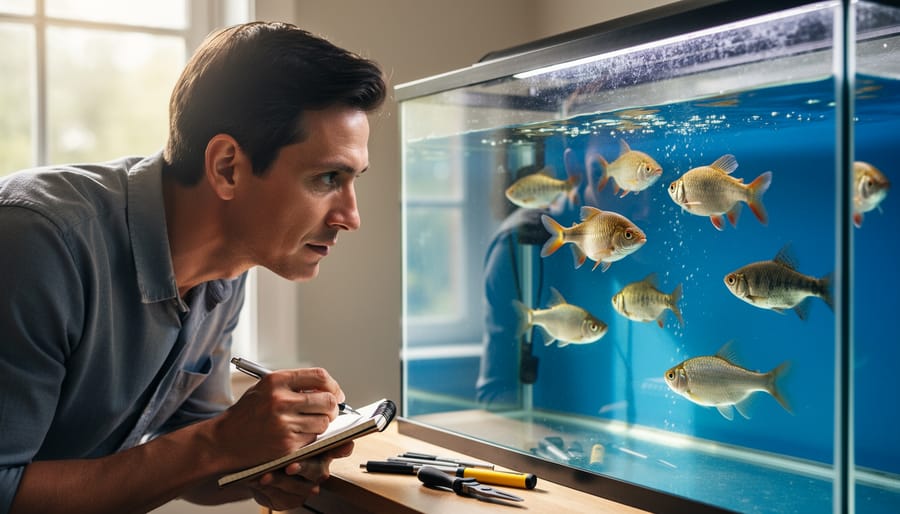
Taking just a few minutes during feeding time to watch your fish can be your best defense against disease outbreaks. Think of it as your daily health check—it’s quick, easy, and incredibly valuable for catching problems early.
Healthy fish are active and eager at feeding time. They’ll swim to the surface quickly, compete enthusiastically for food, and show smooth, coordinated movements. Their fins should be upright and fully extended, and they’ll dart around with purpose. You’ll notice they’re alert and responsive to your presence.
Now, let’s talk about those warning signs that something might be off. Fish that hang at the bottom or surface gasping need your attention. Watch for any that isolate themselves from the group or seem lethargic when others are eating. Clamped fins held close to the body, unusual swimming patterns like spinning or tilting, and loss of appetite are red flags you shouldn’t ignore.
Create a simple mental checklist: Are all fish present and accounted for? Is everyone eating enthusiastically? Do I see any unusual spots, lesions, or color changes? Are swimming patterns normal? This routine observation is fundamental to understanding fish health and disease prevention, helping you spot issues before they become serious problems.
Weekly Water Quality Testing
Testing your pond water weekly is like taking your water garden’s pulse—it helps you catch problems before they become disasters. I learned this lesson the hard way when I lost several fish to what I thought was just cloudy water, but was actually an ammonia spike that signaled an underlying disease issue spreading through my pond.
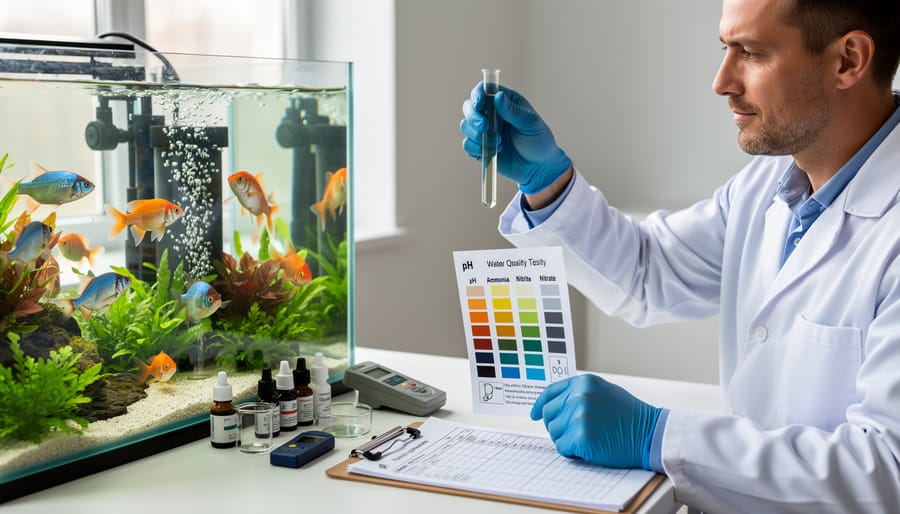
The essential parameters you’ll want to test are ammonia, nitrite, nitrate, pH, and dissolved oxygen. You can find affordable test kits at any pond supply store, and the whole process takes about ten minutes. Keep a simple notebook by your pond with dated entries—nothing fancy, just the numbers and any observations about fish behavior or water appearance.
Here’s what you’re watching for: sudden spikes in ammonia or nitrite often indicate disease stress rather than just overfeeding or filter problems, especially if your feeding habits haven’t changed. When fish become sick, their immune systems weaken, they produce more waste, and beneficial bacteria populations can crash. If you notice climbing ammonia levels combined with fish staying near the surface gasping, sitting on the bottom, or showing clamped fins, you’re likely dealing with a disease outbreak, not just water chemistry going wonky.
Temperature swings of more than two degrees daily can also stress fish and trigger disease, so jot that down too. These patterns become your early warning system, giving you time to act before losing precious fish.
When Biosecurity Fails: Quick Response Steps
Even with the best prevention practices in place, problems can still happen—and that’s okay! What matters most is how quickly and calmly you respond. Think of it like having a first aid kit ready: you hope you’ll never need it, but when you do, you’ll be grateful it’s there.
The moment you notice anything unusual—fish behaving oddly, unexplained deaths, cloudy water, or visible lesions—it’s time to act. Your first step is immediate isolation. If possible, move affected fish to a separate tank or hospital pond. This quarantine area doesn’t need to be fancy; even a large plastic container with an aerator will work in a pinch. The goal is simply to prevent whatever’s happening from spreading to your entire population.
Next, stop adding anything new to your main pond. No new fish, no borrowed equipment, no plants from other sources until you understand what’s going on. I learned this lesson the hard way when I added “just one more koi” without proper quarantine and ended up treating my entire pond for parasites.
Document everything you observe. Take photos, note water parameters like temperature and pH, and write down when symptoms started. This information becomes invaluable when you reach out for help.
Speaking of which, don’t hesitate to contact your local fish veterinarian, cooperative extension office, or experienced pond club members. Many disease situations look similar to beginners but require different treatments. Getting expert guidance early can save both fish and money.
While waiting for professional advice, maintain excellent water quality through partial water changes and ensure your filtration system is running optimally. Clean water gives your fish their best fighting chance and can prevent secondary infections from taking hold.
Here’s the truth about pond biosecurity: you don’t need to transform your backyard into a science lab or question every decision you make. You just need to care enough to take a few simple, consistent actions that protect what you’ve worked so hard to create.
If this whole topic feels overwhelming, start small. Maybe this week, you commit to wiping down your net after use. Next week, you add a quick visual check of your fish during feeding time. The month after that, you finally set up that quarantine bucket you’ve been thinking about. Small steps compound into powerful protection over time.
I’ve seen pond keepers beat themselves up over losses that might have been prevented, and I’ve also seen them become so anxious that they stop enjoying their ponds altogether. Neither extreme serves you or your fish well. Biosecurity isn’t about living in fear or second-guessing every leaf that falls into your water. It’s simply about being intentional with the choices you make and the habits you develop.
Your pond is a living ecosystem you’ve created and nurtured. Being a responsible caretaker means thinking one step ahead, watching for early warning signs, and creating barriers against the most common problems. You’ve already invested time, money, and heart into your water garden. A few preventive practices are just smart stewardship of that investment.
You’ve got this. Your fish are counting on you, and you’re more capable than you think.