
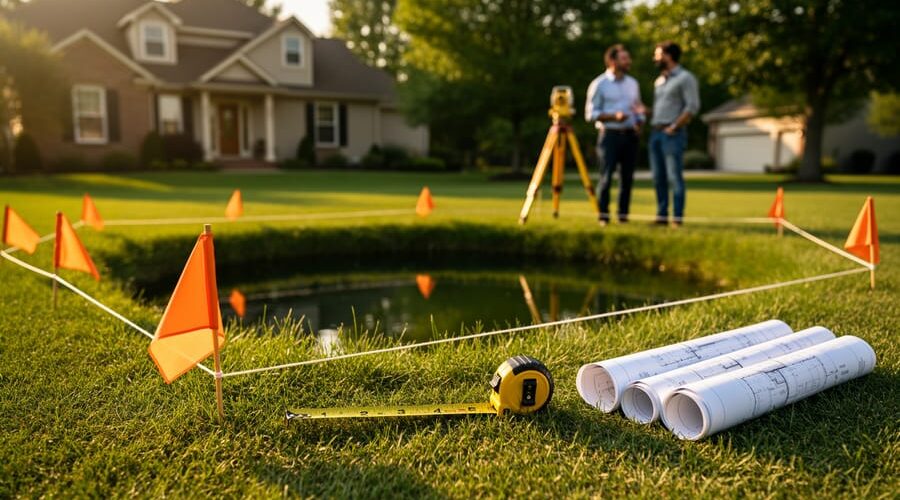
What Your Pond Permit Will Actually Cost (Before You Break Ground)
Budget between $50 and $500 for most residential pond permits, though costs vary dramatically based on your location and pond size. Small decorative ponds under 200 square feet often slip under the permit radar in many municipalities, while larger water features exceeding 1,000 square feet can trigger fees approaching $1,000 or more when you factor in engineering reviews and environmental assessments.
Call your local building department before breaking ground to determine whether your project needs approval. Many pond enthusiasts discover too late that their backyard oasis requires permits, leading to costly retrofits or removal orders. Ask specifically about threshold sizes that trigger permitting requirements, as some areas exempt shallow ornamental ponds while others regulate any excavation deeper than 18 inches.
Expect additional costs beyond the base permit fee. Plan reviews typically add $100-$300, and if your pond affects drainage patterns or sits near property lines, you might need a survey costing $300-$600. Properties with wetlands or protected areas face environmental impact studies that can push total permitting costs above $2,000.
The permit process protects your investment by ensuring structural safety and proper drainage. I’ve watched neighbors skip permits only to face insurance complications when their pond damaged a foundation or flooded an adjacent yard. Permitted projects also add more value to your property because they’re documented as legitimate improvements, making future sales smoother and protecting you from liability issues down the road.
Do You Actually Need a Permit for Your Pond?
Here’s the good news: not every pond project requires a permit, and you might be able to skip the paperwork altogether! Whether you need official approval typically depends on three main factors: how big your pond will be, how deep you’re planning to dig, and where it sits on your property.
Most municipalities have size and depth thresholds that trigger permit requirements. Generally speaking, small decorative garden ponds under 200-300 square feet and less than 18-24 inches deep often fly under the permit radar. Think of those charming little koi ponds or preformed liner installations you see tucked into backyard corners. These typically don’t require permits in many areas because they’re considered low-risk water features, similar to installing a large fountain or birdbath.
However, once you’re talking about ponds larger than a hot tub or deeper than a couple feet, you’re likely entering permit territory. Larger water features can affect drainage patterns, impact neighboring properties, and pose safety concerns, which is why local governments want to review your plans.
Location matters tremendously too. Ponds positioned close to property lines, near septic systems, or within wetland buffer zones almost always require permits regardless of size. Some areas have setback requirements, meaning your pond must be a certain distance from your property boundary.
The type of pond also influences permit needs. A simple decorative water garden with a recirculating pump differs significantly from a swimming pond, fishing pond, or one connected to natural water sources. The more complex your vision, the more likely you’ll need official approval.
Before you grab your shovel, I’d recommend a quick call to your local building department or zoning office. A five-minute conversation can save you from potential headaches down the road. They’ll tell you exactly where your project falls in their requirements. If your dream pond needs a permit, keep reading because we’re breaking down exactly what those costs look like.
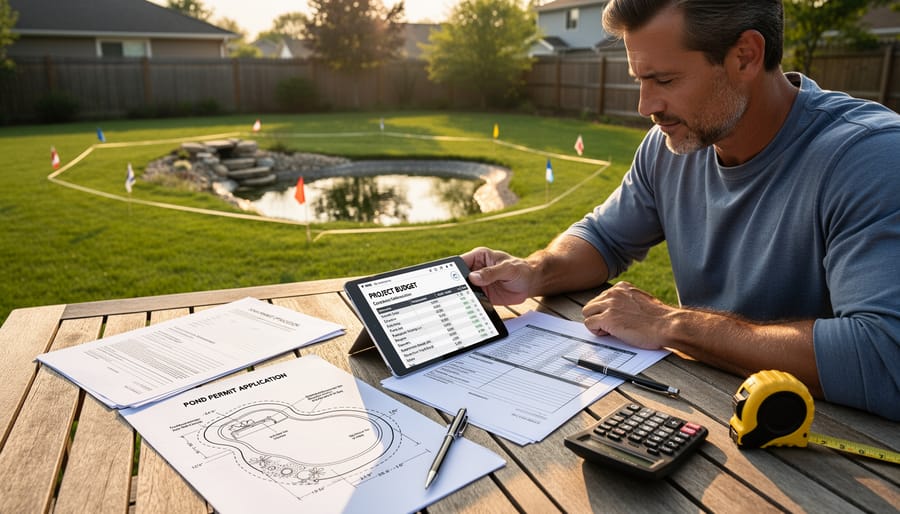
The Real Numbers: What Pond Permits Cost Across Different Projects
Small Decorative Garden Ponds (Under 200 Square Feet)
For most small decorative garden ponds under 200 square feet, you’re looking at permit costs ranging from $50 to $300, though many jurisdictions don’t require permits at all for these tiny water features. The good news? If your pond is shallow (typically under 18-24 inches deep), doesn’t involve electrical work, and sits away from property lines, you might skip the permit process entirely.
When permits are required, several factors influence the final cost. Adding a fountain or waterfall with electrical components can bump fees up by $50 to $150 for electrical inspection permits. If you’re planning fish-friendly depths or installing permanent structures like bridges or seating areas, expect inspectors to take a closer look, which may increase your costs.
Location matters too. Urban areas generally charge more than rural counties, and some municipalities calculate fees based on your pond’s total construction value rather than its size. A $2,000 pond project might incur a 2-3% permit fee, adding another $40 to $60 to your budget.
Here’s a money-saving tip from my own experience: calling your local building department before you start digging can prevent costly mistakes. I’ve seen neighbors who built first and applied later face penalty fees double the original permit cost. A quick phone call clarifies whether your dream pond needs official approval or falls under the exemption threshold.
Medium-Sized Koi Ponds and Water Gardens
Now we’re getting into the range where permits become much more common, and honestly, this is where most backyard water gardens fall. Medium-sized ponds typically range from 500 to 2,000 gallons, and permit costs usually run between $150 and $500, depending on your location and project complexity.
Here’s what often triggers permitting requirements at this size: you’re probably adding electricity for pumps and lighting, your pond depth might exceed local thresholds (often 18-24 inches), and the overall footprint is significant enough to affect drainage patterns. I learned this the hard way when building my 1,200-gallon koi pond—I assumed I could skip the permit, but my neighbor’s friendly reminder about the electrical work saved me from potential fines.
Electrical permits alone can cost $50-$200, while the general building permit covers structural aspects. Some municipalities require separate plumbing permits if you’re connecting to your home’s water supply for automatic top-off systems. Factor in plan review fees (typically $75-$150) and possible inspection fees ($50-$100 per visit).
The good news? Most mid-sized projects sail through approval quickly, usually within two to four weeks, making the investment worthwhile for peace of mind.
Large Ponds and Natural Swimming Pools
When you’re dreaming big with a large pond (think 1,000+ gallons) or planning a natural swimming pool, be prepared for permit costs that reflect the complexity of your project. These substantial water features typically run between $500 and $2,000 in permit fees alone, and here’s why they’re on the higher end.
Large water features often require multiple permits. You might need a standard building permit, plus additional approvals for electrical work (if you’re installing lighting or pumps), plumbing connections, and potentially even septic or zoning variances depending on your location. Natural swimming pools, which blend recreation with water gardening, sometimes fall into a gray area requiring both pool and pond permits.
The inspection process becomes more involved too. Expect at least three to four site visits: initial plan review, excavation inspection, structural verification, and final approval. Each inspection might carry its own fee, adding $100 to $300 per visit to your total costs.
I’ve seen homeowners surprised when their dream project requires engineering stamps or soil reports, especially for pools deeper than four feet or ponds near property lines. These professional assessments can add another $500 to $1,500 to your permit expenses.
If you’re considering a professional pond installation, they’ll typically handle permit applications and coordinate inspections, which can actually save you money by avoiding costly mistakes or resubmissions. While the upfront permit costs seem steep, they ensure your beautiful water feature is built safely and legally.
Hidden Costs That Catch Pond Builders Off Guard
When I applied for my first pond permit, I budgeted $150 based on the basic permit fee I found online. Imagine my surprise when the final tally came to nearly $400! That sticker shock taught me a valuable lesson about reading the fine print and asking the right questions upfront.
The basic permit application fee is just the starting point. Most municipalities tack on a plan review fee, which covers the time staff spends examining your drawings and ensuring they meet code requirements. This typically runs between $50 and $150, depending on your project’s complexity. For a simple preformed pond, you might pay on the lower end. But if you’re building something custom with multiple features, expect to pay more.
Inspection fees are another gotcha that catches DIYers off guard. You’ll usually need at least two inspections: one partway through construction and a final inspection before you can fill your pond. Each inspection visit costs money, typically $35 to $100 per trip. Some jurisdictions bundle one inspection into the permit fee, but additional visits cost extra.
Here’s where things can get expensive: re-inspection fees. If an inspector finds code violations or safety issues during their visit, you’ll need to fix the problems and schedule another inspection. These do-over visits often cost more than the initial inspection, sometimes double the price. I learned this the hard way when my pond liner wasn’t properly secured during the first inspection.
Engineering stamps present another potential expense, especially for larger ponds or those near property lines. Some building departments require a licensed engineer to review and stamp your plans, confirming they’re structurally sound. This professional service can add $200 to $500 to your budget, though smaller backyard ponds rarely need this level of scrutiny.
Don’t forget about administrative fees either. Need multiple copies of your approved plans? That’s usually a few dollars per page. Want expedited permit processing? Many offices offer rush services for an additional fee, typically 25 to 50 percent more than standard processing.
The key to avoiding surprise costs is calling your local building department before you start planning. Ask specifically about every possible fee associated with pond permits. Get it in writing if possible, so you can budget accurately from the start.
What You’re Actually Paying For (And Why It Matters)
When you pay for a building permit, you’re not just buying a piece of paper to stick in a drawer. Think of it as investing in peace of mind and protection for one of your biggest assets—your home and property.
The inspection fees cover real people coming to your site at various stages. For your pond project, this typically means someone checks that your excavation won’t undermine your foundation, that your electrical work for pumps and lighting meets safety codes, and that your water features won’t create drainage problems for you or your neighbors. I learned this firsthand when my inspector caught a filtration system placement that would have caused flooding issues down the road. That twenty-minute visit saved me thousands in potential repairs.
Plan review fees go toward trained professionals examining your design before you break ground. They’re looking for things most of us wouldn’t catch—like whether your pond’s location might interfere with underground utilities or if the depth could create safety hazards. It’s like having an experienced friend double-check your work before you commit to digging.
The administrative costs keep the system running smoothly and your records on file. This matters more than you’d think. When you eventually sell your home, permitted work adds value and gives buyers confidence. Unpermitted work? That can tank a sale or force you into expensive retroactive fixes.
These fees also tie into broader protections, similar to contractor insurance requirements that safeguard your investment. Together, they create a safety net that protects both your immediate project and your property’s long-term value. You’re essentially paying professionals to help you avoid costly mistakes before they happen.

Smart Ways to Keep Your Permitting Costs Down
Nobody wants to spend more than necessary on permits, and the good news is you can genuinely reduce costs through smart planning. Here’s how to keep those expenses under control while staying completely above board.
Start with thorough preparation before you submit anything. Complete, accurate plans get approved faster and avoid costly resubmissions. Measure your pond site carefully, include all details about depth, volume, and materials, and create clear drawings. Incomplete applications get rejected, which means paying fees multiple times. I’ve learned this lesson myself after forgetting to include drainage details on my first pond application and having to resubmit.
Consider timing your project strategically. Some municipalities are less busy during certain seasons, which can mean faster processing and fewer delays. Call your local planning office and ask when they typically have shorter wait times. Less waiting means fewer holding costs and getting started sooner.
Bundle multiple projects together when possible. If you’re planning a pond plus a deck or patio, submit them together. You’ll often pay one consolidated fee rather than separate fees for each permit. The inspection process becomes more efficient too, since inspectors can check everything during fewer site visits.
Communicate openly with your inspector from the start. They’re not your enemy. Ask questions before you begin, clarify confusing requirements, and request a pre-application meeting if your municipality offers one. These conversations are usually free and prevent expensive mistakes. When inspectors arrive, be present, friendly, and prepared with answers about your work.
If the project feels overwhelming, hiring a qualified contractor who handles permits regularly might actually save money. They know exactly what inspectors expect, have relationships with local officials, and rarely need resubmissions. Their expertise prevents the costly errors that DIYers sometimes make.
Finally, never skip permits to save money. Failed inspections, project stops, removal orders, and fines cost exponentially more than the original permit fee.
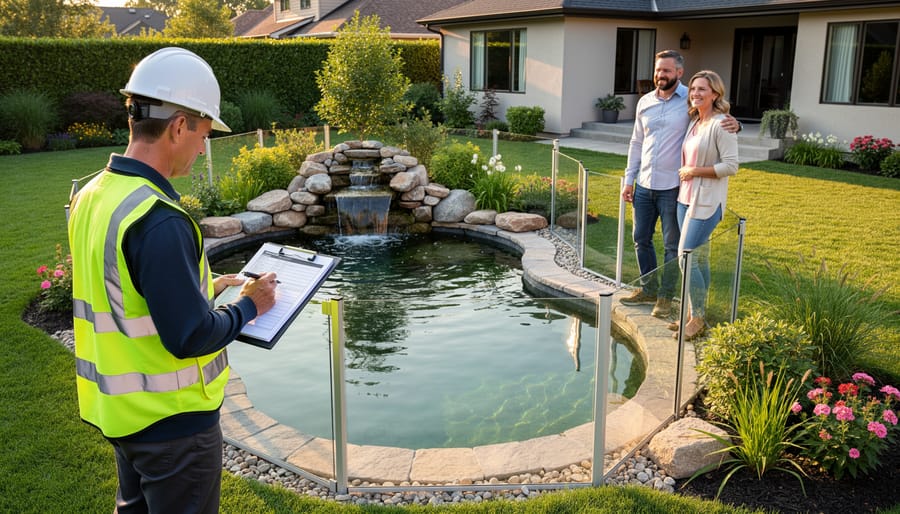
The Inspection Process: What to Expect and When
Once you’ve got your permit approved, you’ll need to pass several inspections as your pond takes shape. Think of inspectors as helpful checkpoints rather than obstacles—they’re making sure your pond will be safe and built to last.
Most pond projects involve three main inspection stages, though your local requirements might vary slightly. The first inspection typically happens before you start digging. Yes, really! The inspector wants to verify your planned location matches what’s on your permit application. They’ll check that you’re respecting setback requirements and not building over utility lines. Have your permit documents handy and maybe some stakes marking your pond’s outline.
The second inspection occurs during construction, usually after excavation but before you add the liner or concrete. This is when the inspector examines your foundation work, drainage systems, and any electrical or plumbing rough-ins. If you’re working with contractors, they’ll typically handle scheduling this inspection. For DIYers, call your building department a day or two in advance. Don’t cover anything up yet—the inspector needs to see the bones of your project.
The final inspection happens when construction is complete. The inspector will verify everything meets code, from electrical connections to fencing requirements. They’ll check that your pond matches the approved plans and that safety features are properly installed.
Pro tip: Keep your job site tidy before inspections. A clean workspace makes it easier for inspectors to see what they need to review, and it shows you’re taking the project seriously. Take photos at each stage too—they’re great for your records and can help if questions arise later.
Failed an inspection? Don’t panic. Inspectors usually provide clear guidance on what needs fixing. Make the corrections, schedule a re-inspection, and you’ll be back on track. Most inspection fees cover one re-inspection, though check your local policies.
Questions to Ask Your Local Building Department (Before You Apply)
Before you pick up the phone or visit your local building department, prepare yourself with this handy list of questions. Trust me, I learned this the hard way after making three separate trips to my permit office when planning my first backyard koi pond!
Start by asking: “Do I need a permit for a pond that’s [your specific dimensions] in size and [your planned depth] deep?” Be specific with measurements because that five-gallon difference might actually matter.
Next, inquire about the total cost breakdown. Ask: “What’s the base permit fee, and are there additional charges for inspections, plan reviews, or administrative fees?” This prevents sticker shock later when surprise charges appear.
Find out what documentation you’ll need: “What plans, drawings, or specifications do I need to submit?” Some departments want professional engineering drawings, while others accept simple hand-drawn sketches with measurements.
Ask about the timeline: “How long does permit approval typically take, and when can I schedule inspections?” This helps you plan your project timeline realistically.
Don’t forget zoning questions: “Are there setback requirements from property lines or utility easements I should know about?” Your dream pond location might violate local codes.
Finally, ask: “Can you email me a checklist of requirements?” Having everything in writing saves confusion and ensures you don’t miss critical details. Most departments are surprisingly helpful when you come prepared with thoughtful questions, and they appreciate homeowners who want to do things correctly.
After exploring all the details about building permit costs, here’s the encouraging truth: permit fees are actually a modest investment when you consider the years of enjoyment your pond will bring. Whether you’re spending $50 for a simple permit or a few hundred for more complex approvals, these costs pale in comparison to the overall value of a properly constructed water feature that enhances your property for decades to come.
Think of permits as your project’s safety net. They ensure your pond is built correctly from the start, preventing costly mistakes that could require expensive repairs down the road. Proper permitting also protect your investment by documenting that your water feature meets all legal requirements, which becomes incredibly valuable if you ever sell your home.
Yes, navigating the permit process takes some time and patience, but you’re already ahead of the game by understanding what to expect. You’ve learned about cost ranges, potential fees, and how to work effectively with your local building department. That knowledge gives you confidence.
Remember, thousands of homeowners successfully obtain pond permits every year, and you can too. Take that first step, contact your building department, and move forward knowing you’re doing things right. Your dream pond is waiting, and now you have everything you need to bring it to life responsibly and confidently.