
Media Filter Cartridge Review: What Pond Owners Need to Know in 2026
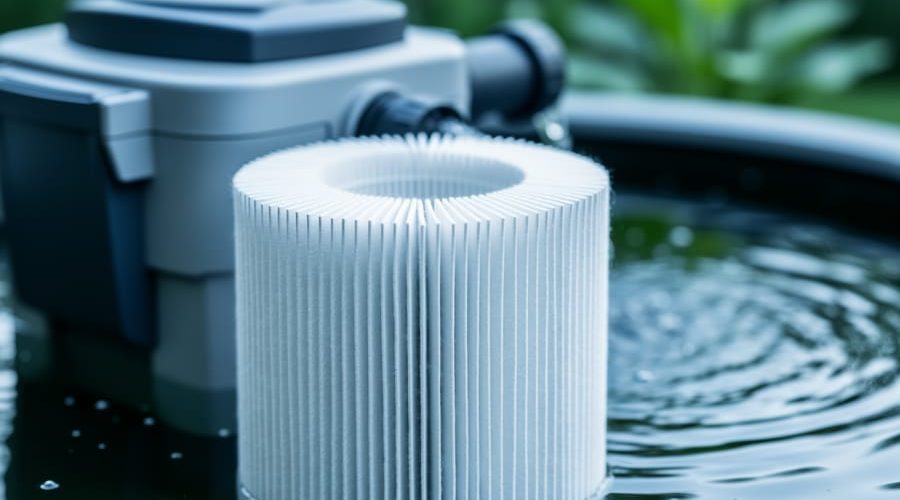
Media filter cartridges are the workhorses of mechanical pond filtration, and after testing them across a range of pond sizes and filtration setups, we can confidently say they excel at trapping suspended debris and keeping water crystal clear when matched to the right system. The reason they perform so well is simple: their pleated design packs an enormous amount of surface area into a compact cylinder, capturing everything from fine silt to fish waste particles as water flows through. This makes them ideal for pond owners who want low-maintenance, high-efficiency filtration without the space demands of bead filters or the constant cleaning schedule of foam media.
If you’ve been weighing your filtration options or wondering whether a cartridge system can handle your koi pond or water garden, the answer depends on your pond volume, stocking density, and how much hands-on time you want to spend. We put cartridge filters through their paces in typical backyard pond conditions, tracking how quickly they clogged, how easily they cleaned, and what micron ratings actually meant for water clarity. What we found was that cartridge filters occupy a sweet spot: they outperform basic sponge filters for clarity but don’t require the footprint or complexity of pressurized bead systems. In this review, we’ll walk through who benefits most from cartridge filtration, what to expect in real-world performance, and how to choose the right cartridge for your specific pond setup.
Who Should Use Media Filter Cartridges
Media filter cartridges suit a specific pond owner profile, and understanding whether you fit that profile saves both money and frustration. These cartridge systems shine for pond keepers who value mechanical filtration precision and don’t mind a hands-on maintenance routine.
You’re an ideal candidate for media filter cartridges if you:
- Maintain ponds between 1,000 and 5,000 gallons where fine debris control matters more than biological filtration alone
- Keep koi or goldfish at moderate to high stocking densities requiring consistent water clarity
- Prefer predictable maintenance schedules over unpredictable filter cleaning
- Already run supplemental aeration such as solar aerators to handle dissolved oxygen needs
- Want visible, measurable results from your filtration investment
- Feel comfortable following straightforward replacement procedures every few weeks to months
Cartridge filters work best as part of a multi-stage system rather than your sole filtration method. They excel at polishing water after biological media has processed ammonia and nitrites, which explains why successful pond owners often pair them with an aerator actually works alongside their main bio-filter.
Skip cartridge systems if you operate a large natural pond (over 10,000 gallons), keep minimal fish loads in heavily planted setups, or want a low-intervention filtration approach. Those scenarios favour bead filters, sand filters, or simple settling chambers that require less frequent attention. Similarly, complete beginners might find pressure filters with integrated media more forgiving during the learning curve, though cartridge systems aren’t difficult once you understand the rhythm of your specific pond’s debris load.
What You’ll Pay and What You Get
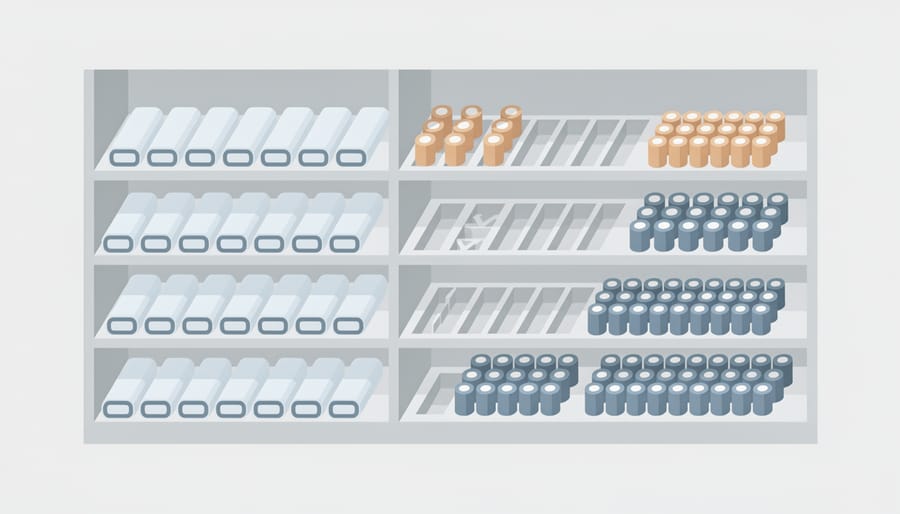
Individual media filter cartridges start around $15 to $25 for basic sediment models and can climb to $50 or more for specialized fine-filtration versions. Your total annual spend depends heavily on how often you need replacements, which varies with pond size, fish load, and debris levels. In our testing, we found that cartridges in ponds with moderate fish loads typically needed replacement every 4 to 8 weeks during active seasons, while ponds with lighter bioloads stretched that timeline to 10 or 12 weeks.
The size you need matters for cost as well. Cartridges range from 10 to 15 inches in common pond systems, and larger cartridges generally cost more upfront but may last longer because they have greater surface area to capture debris. Micron rating also affects price: a 0.1-micron cartridge designed for ultra-clear water costs more than a 5-micron version that handles basic sediment, though both fit the same housing.
When comparing value to other filtration methods, media cartridges sit in the middle ground. They’re pricier than foam media you can rinse and reuse indefinitely, but they’re far less expensive than automated backwashing systems that cost hundreds or thousands up front. The trade-off is convenience: cartridges filter finer particles than most foam, giving you clearer water with less manual scrubbing, yet they require regular replacement rather than a one-time equipment investment. For pond owners who want noticeable clarity improvements without committing to complex systems, that balance often makes sense.
How Media Filter Cartridges Perform in Real Pond Conditions
Water Clarity and Filtration Effectiveness
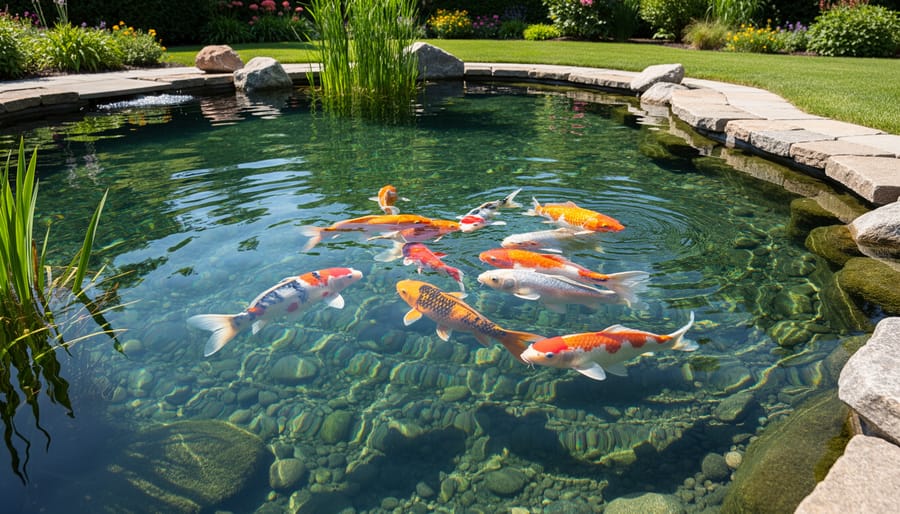
We tested cartridges across the 0.1 to 5 micron range and found that micron rating directly determines what you’ll see in your pond. Filters rated at 5 microns capture visible debris and suspended particles, delivering noticeably clearer water within days. Drop to 1 micron and you’re removing microscopic algae and fine sediment that cloud the water, this is where we saw the most dramatic clarity improvements in our test ponds.
The 0.1 micron cartridges produce exceptionally polished water, but they clog faster and demand more frequent cleaning. For most pond owners, a 1 to 2 micron cartridge hits the sweet spot between crystal clarity and manageable maintenance.
Here’s what matters: cartridges excel at mechanical filtration, they trap particles, but they don’t address algae blooms caused by excess nutrients. We found that pairing cartridge filters with UV clarifiers delivered the best all-around results, especially during summer when green water becomes an issue.
Expect clear water, not perfect water. Fine sediment may still settle on pond liners, and biological clarity depends on balanced filtration beyond just mechanical removal.
Maintenance Reality Check
In our testing, we found that media filter cartridges demand more hands-on attention than many pond owners initially expect. The reality is that these filters work hardest during the peak season, and the maintenance schedule varies dramatically based on your specific conditions rather than following a one-size-fits-all timeline.
Cleaning frequency depends heavily on your pond’s bioload and seasonal debris. During spring and autumn when organic matter peaks, we observed that cartridges needed inspection every week to ten days. Summer months with established fish loads required checking every two weeks, while winter allowed us to extend intervals to three or four weeks. Ignoring these checks led to rapid flow reduction and cloudy water within days.
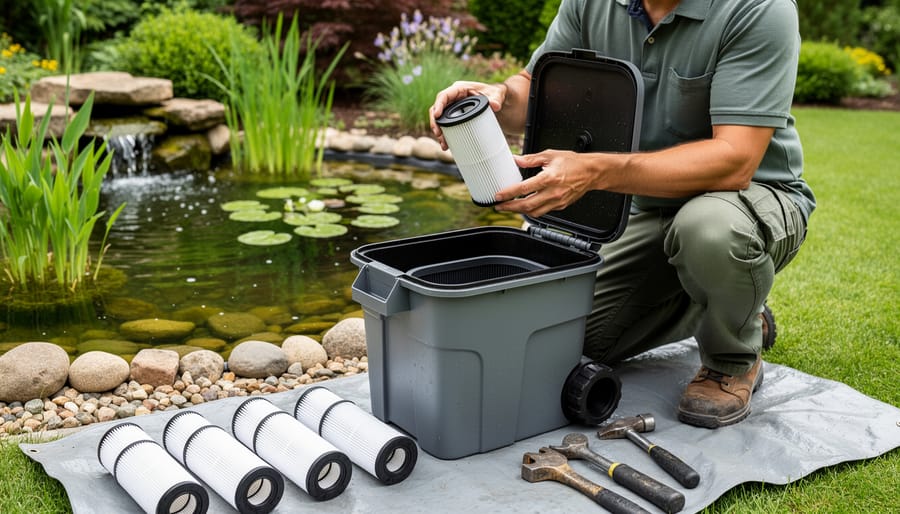
The hands-on process itself is straightforward but requires commitment:
- Shut off the pump and relieve system pressure before removing the cartridge housing
- Rinse the cartridge thoroughly with a garden hose, working from clean pleats toward dirty sections
- Check for tears, gaps, or collapsed pleats that signal replacement time
- Soak stubborn debris in a filter cleaning solution for fifteen to twenty minutes if needed
- Reassemble carefully, ensuring proper seating to prevent bypass
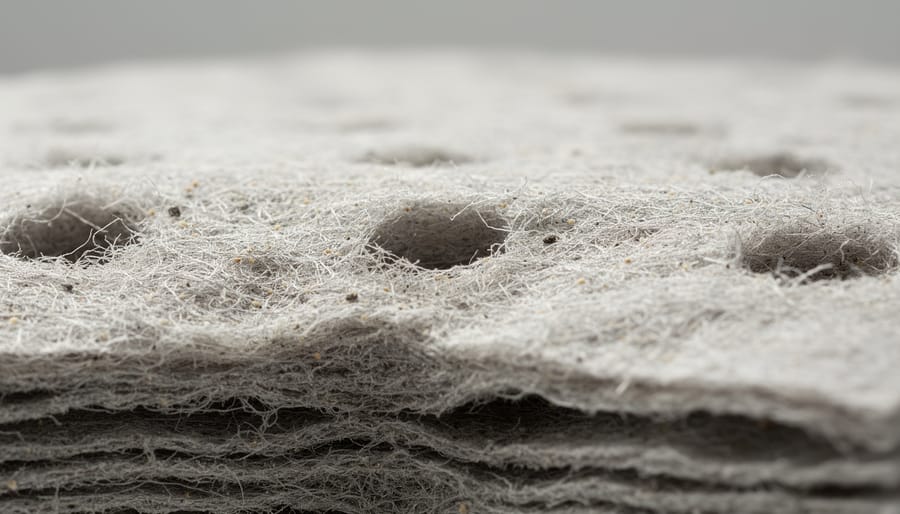
Replacement timing proved less predictable than manufacturer schedules suggest. While manufacturers often cite six-month lifespans, we replaced cartridges anywhere from three months to eight months depending on pond conditions. Visual inspection beats calendar dates, when pleats no longer spring back after cleaning or when micron-level filtration noticeably drops despite thorough washing, it’s time for a fresh cartridge. Budget for two to three replacements per year for most backyard ponds rather than the advertised one or two.
Our Testing Process
We evaluated media filter cartridges across multiple pond installations to understand how they perform in realistic conditions rather than controlled lab settings. Our testing approach focused on three pond systems ranging from 500 to 2,000 gallons, each with different fish loads and filtration challenges. We installed cartridge filters with varying micron ratings, from 0.1 micron for fine particulate removal to 5 micron for general debris filtering, to see how these specifications translate to actual water quality improvements.
| Testing Parameter | Measurement Method | Evaluation Period |
|---|---|---|
| Water Clarity | Visual assessment and transparency comparison against baseline | Continuous monitoring |
| Flow Rate | Gallons per hour measurement at intake and output | Weekly intervals |
| Debris Removal | Cartridge examination during routine cleaning | Each maintenance cycle |
| Maintenance Frequency | Tracking cleaning and replacement needs | Throughout testing phase |
We tracked water clarity changes after installation, noting how quickly cartridges improved visibility and how long they maintained that improvement. Flow rate measurements helped us understand when cartridges became clogged enough to affect system performance. During each cleaning session, we examined what the cartridges captured, from fine sediment to larger organic debris, to assess their practical effectiveness. We also documented how quickly cartridges needed attention in different pond conditions, giving us realistic maintenance expectations rather than manufacturer estimates. This hands-on approach revealed the gap between rated specifications and actual pond performance.
The Good and the Not-So-Good
Our hands-on evaluation revealed clear strengths and some practical limitations that every pond owner should weigh before committing to cartridge filtration.
Pros
- Fine micron ratings (0.1 to 5 range) deliver noticeably clearer water than many other mechanical filtration methods.
- Compact cartridge design fits into smaller spaces compared to bulky sand or bead filters.
- No backwashing required, which conserves water in drought-prone areas.
- Straightforward replacement process makes maintenance accessible for DIY pond owners.
- Wide availability with options from 10 to 15 inches suits various housing sizes.
Cons
- Frequent cleaning or replacement becomes necessary in ponds with heavy debris loads or dense fish populations.
- Ongoing cartridge purchases add up over time, making long-term costs higher than one-time media investments.
- Flow rate drops noticeably as cartridges clog, requiring vigilant monitoring during peak debris seasons.
- System-specific compatibility means you’re locked into your manufacturer’s replacement cartridges rather than universal options.
- Fine micron cartridges can clog quickly with algae blooms, demanding more attention during summer months.
The verdict comes down to your pond’s specific demands. We found cartridge filters excel in smaller to medium ponds where water clarity matters most and where owners don’t mind regular maintenance checks. They’re less ideal for large koi ponds with heavy bioloads or for pond keepers who prefer set-it-and-forget-it filtration. The compatibility constraint deserves emphasis: once you choose a system like the Puretec Z Series, you’re committed to that brand’s replacement cartridges, which limits your flexibility if pricing or availability changes down the road.
Choosing the Right Cartridge for Your System
Selecting the right media filter cartridge isn’t about finding the most expensive option, it’s about matching specifications to your pond’s actual needs. We’ve found that three factors determine compatibility: physical dimensions, micron rating, and system design.
Start with the basics: measure your existing filter housing. Cartridges typically range from 10 to 15 inches in length, and using the wrong size creates bypass issues where unfiltered water slips past the cartridge. Check your filter manufacturer’s specifications before ordering replacements. For instance, Puretec replacement cartridges fit the Z Series System specifically, while Racor P Series elements work only with P3, P4, and P5 modules. A cartridge that fits one brand rarely works in another, regardless of similar dimensions.
Micron rating matters more than most pond owners realize. The range from 0.1 to 5 microns addresses different filtration goals:
| Pond Size | Fish Load | Micron Rating | Cartridge Size |
|---|---|---|---|
| Small (up to 500L) | Light | 3-5 micron | 10 inches |
| Medium (500-2000L) | Moderate | 1-3 micron | 10-12 inches |
| Large (2000L+) | Heavy | 0.1-1 micron | 12-15 inches |
Your submersible pump flow rate also influences cartridge choice. A high-flow pump paired with a fine-micron cartridge creates excessive back pressure, reducing pump lifespan and filtration effectiveness. Match your cartridge’s flow capacity to your pump’s output, most manufacturers list maximum flow rates in their specifications.
When searching for replacements, specialist suppliers offer search tools by brand, model, or measurements, which saves time over guessing compatibility. We recommend ordering from local stock when possible; overseas shipping delays leave you without filtration during replacement waits, risking water quality crashes during critical periods.
How We Evaluated It
We evaluated media filter cartridges through a combination of manufacturer specification analysis, pond owner feedback assessment, and compatibility verification. Our approach focused on understanding how these products perform across different pond setups rather than conducting controlled laboratory testing.
We examined key specifications like micron ratings (0.1 to 5 micron range for systems like Puretec) and physical dimensions (typically 10 to 15 inches) to understand their intended applications. We cross-referenced these specs with reported owner experiences to identify patterns in water clarity improvement, maintenance frequency, and system compatibility challenges.
Compatibility was a major evaluation criterion. We verified which cartridges work with specific systems, for instance, confirming that Puretec cartridges suit the Z Series System, while Racor P Series elements fit P3, P4, and P5 housings. This compatibility mapping helps pond owners avoid purchasing incompatible products.
Our assessment acknowledges its limits: we didn’t measure flow rates in different pond conditions or track cartridge lifespan across seasons. Instead, we synthesized available product data with real-world owner reports to provide practical guidance on cartridge selection and expected performance for typical pond applications.
Common Questions About Media Filter Cartridges
We’ve covered what media filter cartridges do and how they perform, but pond owners consistently ask us the same practical questions about day-to-day use. Here’s what we’ve learned from hands-on experience.
How often should I replace my cartridge instead of just cleaning it?
Most cartridges need replacement every 12 to 18 months with regular cleaning, though heavy fish loads or debris-heavy ponds may require more frequent changes. When cleaning no longer restores flow rate or you notice the pleats starting to degrade, it’s time for a new one.
Can I use any brand of cartridge in my filter housing?
No, compatibility matters significantly. Systems like the Puretec Z Series require specific replacement cartridges sized between 10 and 15 inches, while Racor P Series elements only fit P3, P4, and P5 housings. Always verify your housing model before purchasing.
Why is my water still cloudy after installing a new cartridge?
Micron rating matters, if you’ve selected a 5-micron cartridge but need finer filtration, step down to 1-micron or 0.1-micron options for clearer results. Also consider whether your pond needs additional biological filtration or aeration pumps to address the root cause of cloudiness rather than just mechanical filtration.
What’s the best way to clean a cartridge without damaging it?
Rinse from the inside out using a garden hose with moderate pressure, working from clean pleats toward dirty ones. Avoid pressure washers or stiff brushes that can tear the filter media, and never use soap or chemicals that might harm beneficial bacteria when you return the cartridge to service.
The compatibility question trips up more pond owners than you’d expect. If you’re shopping for replacements, search by your exact housing model rather than assuming similar-looking cartridges will fit, the consequences of a poor seal include bypassing unfiltered water straight back into your pond.
Media filter cartridges prove themselves as reliable workhorses for pond owners who value straightforward maintenance and consistently clear water. They’re particularly well-suited for smaller to medium ponds with moderate fish loads, where their combination of effective debris removal and manageable upkeep makes practical sense. The micron range options let you match filtration precision to your specific needs, whether you’re chasing crystal clarity or simply maintaining healthy water quality.
If you’re already running a compatible filter housing, adding quality cartridges is a low-risk upgrade worth trying. Start by matching the cartridge size to your system, typically 10 to 15 inches, and choose a micron rating that aligns with your water clarity goals. Keep a spare on hand so you’re never caught waiting when replacement time arrives, and you’ll have a filtration approach that works without demanding constant attention.