
How to Choose a Submersible Pond Water Pump: A Buying Guide
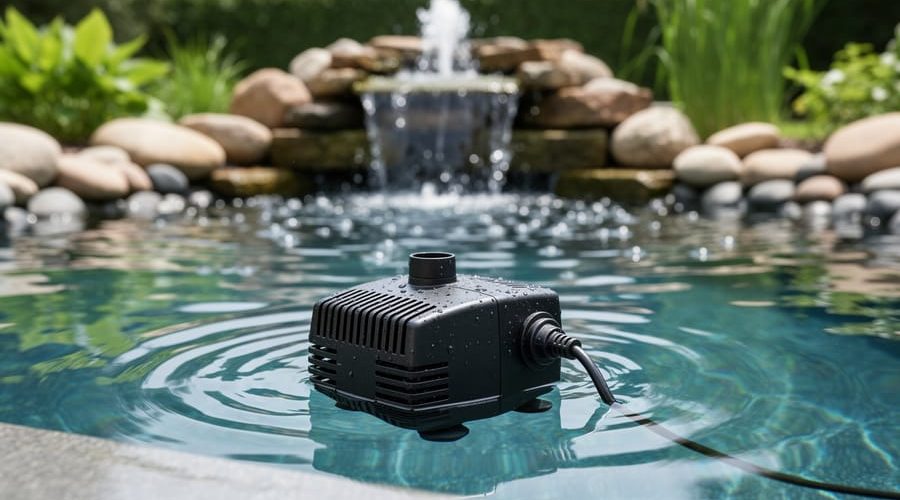
A submersible pond water pump is an underwater motor that sits at the bottom of your pond, pulling water directly from the source to power fountains, waterfalls, filters, or circulation systems. The right pump keeps your pond healthy by moving water constantly, preventing stagnation, oxygenating the water, and supporting your fish and plants. Getting the size wrong is the most common and costly mistake: too small and your waterfall trickles instead of flows, too large and you waste energy while creating excessive current that stresses fish.
Most pond owners need between 1,000 and 3,000 gallons per hour (GPH) for a typical backyard pond, but that number shifts dramatically based on three things: your pond volume, the height your pump needs to push water (called head height or lift), and whether you’re running a waterfall, fountain, or filter. A pump rated at 2,000 GPH at zero feet of lift might only deliver 1,200 GPH when pushing water three feet up to a waterfall basin. Understanding this gap between advertised flow rate and real-world performance will save you from buying twice.
The market splits into three main categories: solids-handling pumps that can manage leaves and debris without clogging, mag-drive pumps that run quieter and more efficiently for clear water applications, and hybrid models that balance both needs. Each serves a specific purpose, and choosing the wrong type means frustration within the first month of ownership. This guide walks you through sizing calculations, compares pump technologies side by side, highlights top-performing models for 2026, and flags the pitfalls that trip up even experienced water gardeners.
What Makes a Great Submersible Pond Pump
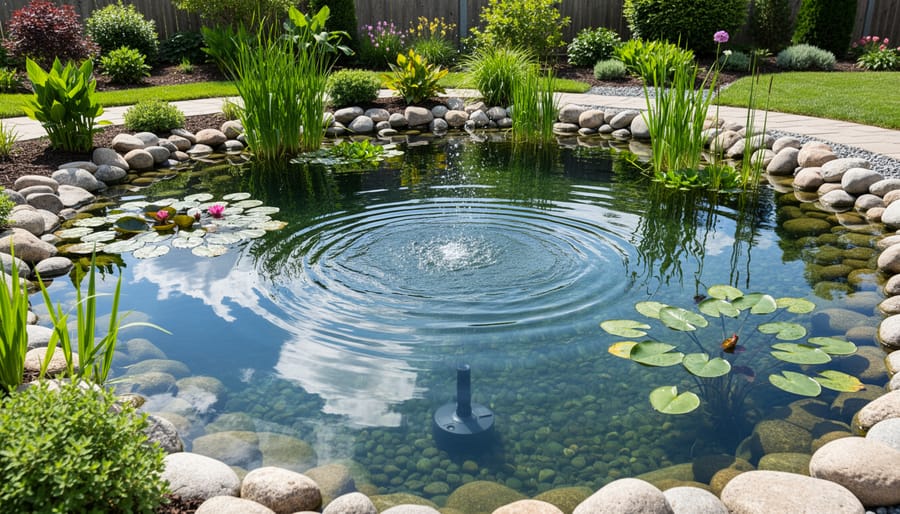
Shopping for a submersible pond pump can feel overwhelming when you’re staring at dozens of models with different specs. But here’s the good news: only a handful of factors really matter, and understanding them will help you cut through the marketing noise and find the pump that actually works for your pond.
Flow Rate (GPH), The Foundation of Everything
Gallons per hour (GPH) tells you how much water the pump can move. This single number determines whether your pump can circulate your entire pond volume, power your waterfall, or run multiple features at once. You’ll see pumps ranging from 200 GPH for tiny container ponds to 10,000+ GPH for large koi ponds with waterfalls. The catch? Advertised flow rates assume zero resistance, adding height or distance dramatically reduces actual output. A pump rated for 2,000 GPH might deliver only 1,200 GPH when pushing water up a three-foot waterfall.
Energy Efficiency, What You’ll Pay Every Month
Wattage determines your electricity bill, and it adds up fast since most pond pumps run continuously. A 100-watt pump costs roughly $10-15 per month to operate 24/7, while a 25-watt pump might cost $3. Over a year, that’s the difference between $36 and $120. Look for energy-efficient models that deliver high GPH with lower wattage, mag-drive pumps typically outperform direct-drive models here.
Reliability and Build Quality
The best pump is one that runs for years without failing. Quality indicators include oil-free motors (no risk of pond contamination), thermal overload protection (prevents burnout), and ceramic or stainless steel shafts (resist corrosion). Cheaper pumps often use inferior materials that degrade quickly in constant water exposure.
Noise Level
Submersible pumps should run nearly silent since they’re underwater, but poorly designed models can hum or vibrate. This matters if your pond sits near a patio or bedroom window. Look for pumps specifically marketed as quiet or low-vibration.
Warranty Coverage
A manufacturer’s warranty signals confidence in their product. Top pumps offer 3-5 year warranties, while budget models might only provide one year or less. This protection matters, pump failures often happen in year two or three.
Compatibility with Your Setup
Can the pump handle your waterfall height? Does it have multiple outlets if you’re running both a fountain and filter? Will it fit in your skimmer box? Check outlet sizes, cord length (you don’t want extension cords in water), and whether you need solids-handling capability for debris-heavy ponds.
Understanding Flow Rate and Pond Size
Getting the flow rate right is the single most important decision when choosing a submersible pond pump. Too small, and your water quality suffers; too large, and you waste electricity while stressing your fish with excessive current.
The basic rule: your pump should circulate the entire pond volume at least once per hour. For a 1,000-gallon pond, you need a minimum 1,000 GPH (gallons per hour) pump. However, this baseline changes dramatically once you add features.
Waterfalls and streams require significantly more flow because they need visual impact and oxygenation. A good rule of thumb is 100 GPH for every inch of waterfall spillway width. A 12-inch wide waterfall needs at least 1,200 GPH to create a proper cascade effect, more if you want a dramatic sheet of water. Add this requirement to your base circulation rate rather than treating it as separate.
Head height, the vertical distance the pump must push water, reduces actual flow considerably. Every foot of elevation decreases performance, so always check the pump’s performance curve chart. A pump rated at 2,000 GPH might only deliver 1,200 GPH when pushing water up a 4-foot waterfall. Calculate your maximum head height (from pump location to the highest point water reaches) and choose a pump rated well above your target flow at that height.
| Pond Size | Minimum GPH | Recommended GPH | Supports |
|---|---|---|---|
| Up to 500 gallons | 500 | 750-1,000 | Fountain or small spitter |
| 500-1,000 gallons | 1,000 | 1,500-2,000 | Small waterfall (6-12″ wide) |
| 1,000-2,000 gallons | 2,000 | 3,000-4,000 | Medium waterfall or stream |
| 2,000-5,000 gallons | 5,000 | 6,000-8,000 | Large waterfall (24″+ wide) |
Under-pumping leads to stagnant zones, algae growth, and poor oxygen levels. Over-pumping creates excessive turbulence that stresses fish and can uproot plants. When in doubt, size up slightly, you can always dial back flow with a valve or adjustable pump, but you can’t make a weak pump stronger.
Types of Submersible Pond Pumps Compared
Standard Submersible Pumps
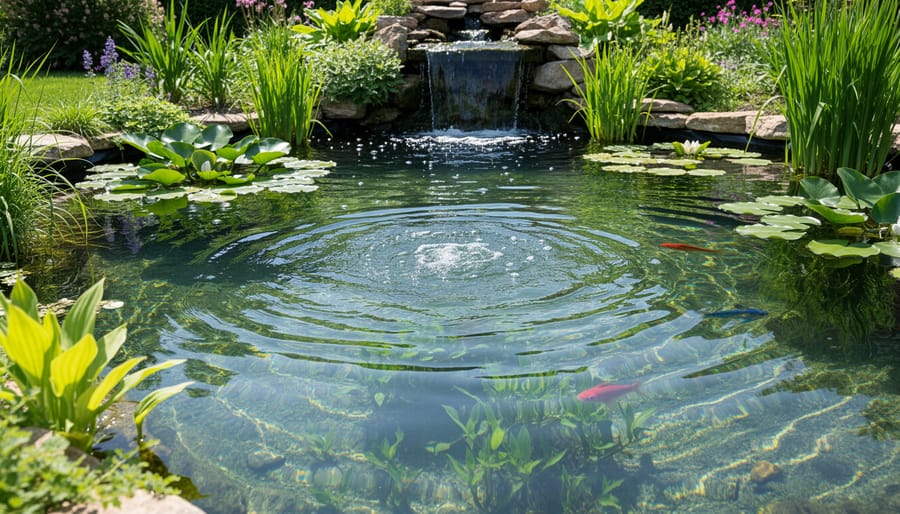
Standard submersible pumps are the workhorses of most backyard ponds. They sit underwater, quietly circulating water through the pond basin and powering modest fountains, small streams, or gentle waterfalls. These pumps excel when your main goal is basic circulation, keeping water moving to prevent stagnation, powering a decorative fountain head, or feeding UV clarifiers and biological filters.
They’re ideal for ponds up to 2,000 gallons without complex features. Think simple water gardens, goldfish ponds with a single-tier waterfall under three feet high, or container ponds with a bubbling ornament. They’re affordable, straightforward to install, and readily available at any garden centre.
Their limitation? They can’t push water very high or handle serious debris. If you’re planning a multi-tiered waterfall, have large koi producing significant waste, or need to lift water more than four feet, a standard submersible will struggle. They also clog easily with leaves and sludge, requiring regular pre-filter cleaning. For heavy-duty circulation or ponds with lots of organic matter, you’ll need something more robust.
Solids-Handling Pumps
Solids-handling pumps are built with wider impellers and larger intake openings that let debris, leaves, and fish waste pass through without jamming the motor. Unlike standard pumps that clog when they encounter anything bigger than tiny particles, these workhorses can handle solids up to half an inch or larger, depending on the model.
You need a solids-handling pump if your pond has koi, goldfish, or lots of surrounding vegetation. Fish produce substantial waste, and fallen leaves are inevitable in most outdoor ponds. A standard pump in these conditions means you’ll be cleaning or unclogging it constantly, sometimes weekly during autumn. Solids-handling models reduce that maintenance headache to occasional checks.
The trade-off? They’re typically more expensive upfront and may use slightly more energy than comparable standard pumps. They’re also bulkier. But if you’re tired of pump failures mid-summer or spending weekends clearing blockages, the investment pays off quickly.
Skip the solids-handling type only if you have a pristine water-garden setup with minimal fish load and good debris management through skimmers or netting. For working ponds with real-world messiness, they’re worth every penny.
Mag-Drive vs. Direct-Drive Pumps
Choosing between mag-drive and direct-drive technology is one of the most important decisions you’ll make when buying a submersible pump. Both work well, but they differ significantly in how they operate and what they cost to run.
Mag-drive pumps use magnets to transfer power from the motor to the impeller, with no direct mechanical connection between them. This design runs cooler, wastes less energy as heat, and typically lasts longer because there’s less friction and wear. You’ll pay more upfront for a mag-drive pump, but the energy savings add up quickly. If you run your pump continuously, a mag-drive model can cut your electricity bill by 30-50% compared to a direct-drive equivalent. They’re also quieter and better suited for year-round operation in warm climates where heat buildup matters.
Direct-drive pumps connect the motor shaft directly to the impeller. They’re mechanically simpler, which makes them less expensive to buy. For smaller ponds where the pump only runs part of the day, or for seasonal use, a direct-drive pump can be perfectly adequate. The tradeoff is higher energy consumption, more heat generation during extended use, and generally shorter lifespan under continuous operation.
| Feature | Mag-Drive Pumps | Direct-Drive Pumps |
|---|---|---|
| Energy Efficiency | High (30-50% lower operating costs) | Moderate (higher electricity use) |
| Upfront Cost | Higher ($150-$400+) | Lower ($50-$150) |
| Longevity | 5-10+ years with proper care | 3-5 years typical |
| Heat Generation | Minimal | Moderate to high |
| Best For | 24/7 operation, larger ponds, koi systems | Part-time use, smaller ponds, budget builds |
If you’re running your pump around the clock or have a pond larger than 1,000 gallons, go with mag-drive. The extra cost pays for itself within two years through lower electricity bills and longer equipment life. For small decorative ponds with seasonal or intermittent pump use, a quality direct-drive pump does the job without the premium price tag.
Energy Efficiency and Operating Costs
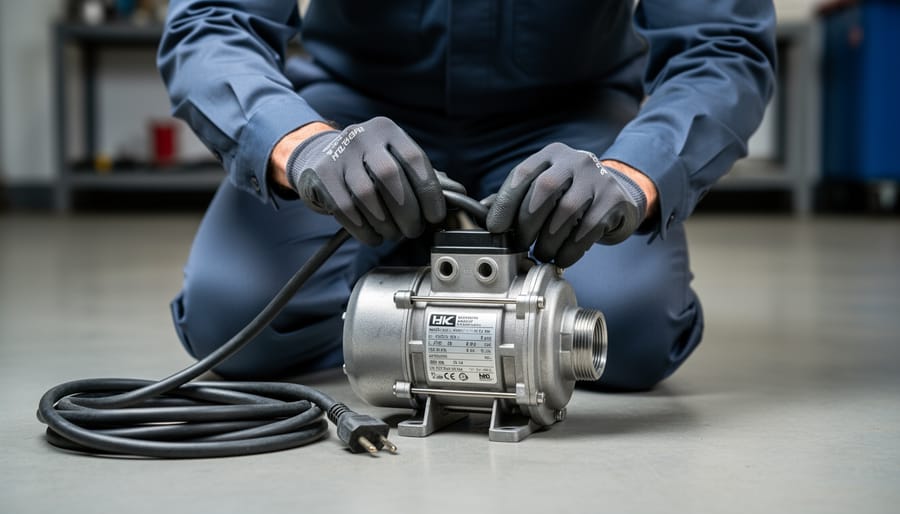
Running your pond pump continuously means it will be one of your garden’s most energy-hungry devices, so understanding power consumption before you buy saves significant money over the pump’s lifetime. Wattage tells you how much electricity the pump draws: a 100-watt pump running 24/7 uses 2.4 kilowatt-hours (kWh) per day, or roughly 876 kWh annually. At an average electricity rate of $0.30 per kWh, that’s about $263 per year just to keep your pond circulating.
The gap between efficient and inefficient pumps is substantial. A mag-drive pump might use 60 watts to deliver the same flow as a 120-watt direct-drive model. Over ten years, that 60-watt difference costs you nearly $1,600 in extra electricity, far more than the initial price premium for the better pump. Energy-efficient models pay for themselves within two to three years through lower operating costs.
Look for pumps with the lowest wattage that still meets your flow requirements. Manufacturers now list efficiency ratings on spec sheets, and some models consume 40% less power than older designs while delivering identical performance. Variable-speed pumps let you dial back flow during off-peak hours, cutting consumption further without sacrificing daytime fountain displays.
If electricity costs concern you, consider supplementing with solar aerators for oxygenation, allowing you to run your main circulation pump at lower speeds. Check your utility bill for your exact per-kWh rate, it varies widely by region, and factor operating costs into your total budget alongside the purchase price. The cheapest pump upfront often becomes the most expensive choice within a few seasons.
Features That Actually Matter
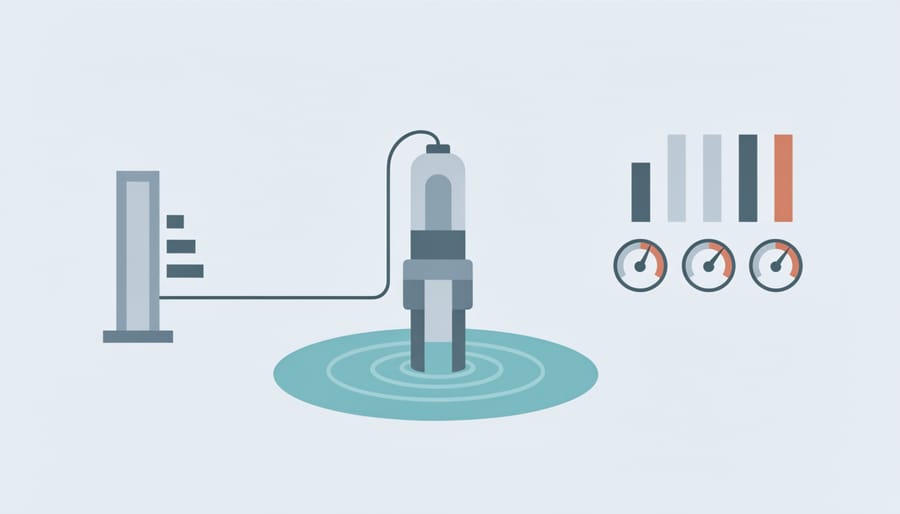
When you’re comparing pumps, marketing hype and genuine value blur fast. Here’s what actually deserves your attention, and your budget.
Adjustable flow controls are a game-changer. They let you dial down the pump when you’re running fountains in spring or ramp up circulation during summer heat. This flexibility beats buying multiple pumps or settling for a one-speed workhorse that can’t adapt to your pond’s changing needs. If the price difference is under 15%, the adjustable model wins every time.
Multiple outlet options matter if you’re powering both a waterfall and a fountain or splitting flow between a stream and a skimmer. Dual or triple outlets with individual ball valves let you balance flow without installing splitters. This feature pays for itself in installation simplicity and gives you control over how your pond operates.
Thermal overload protection is non-negotiable. It automatically shuts the pump down if it overheats, usually from running dry or clogged intake. Without it, you’re gambling on whether you’ll catch problems before the motor burns out. Treat this as mandatory, not optional.
Oil-free motors eliminate the risk of pond contamination if seals fail. They’re standard on quality pumps now, but budget models still use oil-cooled designs. For ponds with fish or plants, oil-free construction isn’t worth compromising on.
Every quality pump should include these baseline features:
- Thermal overload protection to prevent burnout
- Oil-free motor design for safe pond operation
- Pre-filter or debris screen to reduce maintenance
- Grounded, outdoor-rated power cord (minimum 15 feet)
- Manufacturer warranty of at least two years
Pre-filters save you weekly cleanings. Foam sleeves or cage screens keep leaves and debris from reaching the impeller, which means fewer shutdowns and longer pump life. They’re cheap to replace and cut your hands-on maintenance dramatically.
Cord length seems trivial until you’re short by three feet. You need enough reach to get from the pump’s ideal placement, typically the deepest part of your pond, to a GFCI outlet without sketchy extension cords underwater. Aim for 20 feet minimum; anything less forces compromises on pump location or electrical safety.
Our Top Submersible Pump Recommendations for 2026
Here are five pumps that excel in their categories, each matched to specific pond scenarios where they’ll perform reliably for years.
Best for Small Ponds and Container Gardens: Aquascape Ultra Pump 550
If you’re working with a pond under 500 gallons or a compact water feature, the Ultra Pump 550 hits the sweet spot. It moves 550 GPH while drawing just 65 watts, making it whisper-quiet and cheap to run. The compact housing fits easily in tight spaces, and the pre-filter keeps debris out without frequent cleaning. It’s particularly good for barrel ponds and small fountains where you want movement without the roar of an oversized pump.
Best for Medium Ponds with Waterfalls: Laguna Max-Flo 2400
For ponds between 1,200 and 2,400 gallons with a waterfall or stream, the Max-Flo 2400 delivers 2,400 GPH through a solids-handling design that won’t choke on leaves and string algae. The mag-drive motor runs cool and sips electricity at 185 watts, about half what comparable direct-drive pumps consume. Two outlet options let you split flow between a waterfall and a separate fountain or filter. The 20-foot cord gives you flexibility in pump placement without needing an underwater junction box.
Best for Large Koi Ponds: Oase AquaMax Eco Expert 44000
Serious koi keepers need serious circulation, and this pump pushes 4,400 GPH while handling solids up to 0.4 inches. The Eco Expert line runs on just 320 watts despite its muscle, translating to roughly $35 monthly instead of the $60-plus you’d pay with older technology. The ceramic shaft never needs lubrication, and the vortex impeller design reduces clogging dramatically. It’s built for continuous operation in ponds from 4,000 to 8,800 gallons where water quality can’t be compromised.
Best Budget Option: Uniclife Submersible Pump 1200 GPH
Not everyone needs premium features, and the Uniclife 1200 proves you don’t have to spend a fortune for reliable performance in straightforward applications. At around $45, it moves 1,200 GPH through a simple direct-drive motor that’s louder than mag-drive competitors but works fine if the pump sits deep enough. It suits ponds up to 1,200 gallons without fancy water features, and while the one-year warranty is shorter than pricier models, many users report three to four years of trouble-free service. Just don’t expect debris-handling capability or energy efficiency medals.
Best Premium Choice: Atlantic Tidal Wave TT-Series 4000
When you want the last pump you’ll ever buy, the TT-Series 4000 justifies its $400-plus price tag. This mag-drive powerhouse delivers 4,000 GPH at just 275 watts, backed by a five-year warranty that dwarfs industry standards. The thermal overload protection prevents burnout during summer heat spikes, and the oil-free motor eliminates any contamination risk. Variable flow control lets you dial in precise GPH without restricting outlet flow, and the housing is built like a tank. It’s overkill for simple ponds but perfect for elaborate water gardens where pump failure means disaster.
| Model | Pond Size | GPH | Wattage | Price Range | Best For |
|---|---|---|---|---|---|
| Aquascape Ultra 550 | Up to 500 gal | 550 | 65W | $80-$100 | Container gardens, small fountains |
| Laguna Max-Flo 2400 | 1,200-2,400 gal | 2,400 | 185W | $150-$180 | Medium ponds with waterfalls |
| Oase AquaMax Eco 44000 | 4,000-8,800 gal | 4,400 | 320W | $350-$400 | Large koi ponds, heavy filtration |
| Uniclife 1200 GPH | Up to 1,200 gal | 1,200 | 95W | $40-$50 | Budget-conscious basic circulation |
| Atlantic TT-Series 4000 | 3,000-8,000 gal | 4,000 | 275W | $400-$450 | Premium features, long warranty |
Match your pond volume and features to these categories, then cross-reference the GPH against your head height requirements from earlier. A pump that’s perfect on paper still needs the lift capacity to reach your waterfall or stream outlet.
Common Mistakes to Avoid When Buying
Even experienced pond owners stumble into these common purchasing traps. Here’s what to watch out for so you don’t end up with a pump that disappoints.
Choosing Based on Price Alone
The cheapest pump rarely delivers the best value. A £40 pump that fails after six months costs more in the long run than a £120 model that runs reliably for five years. Budget pumps often use inferior materials, lack thermal protection, and consume more electricity. Calculate the total cost of ownership, including energy consumption and replacement frequency, before deciding. Sometimes spending an extra £30 upfront saves you £200 over three years.
Ignoring Head Height
This mistake causes more pump failures and disappointed pond owners than any other factor. A pump rated at 2,000 GPH delivers that flow only at zero head height. If you’re pumping water three feet up to a waterfall, that same pump might deliver only 1,200 GPH.
Measure the vertical distance from your pump’s location to where water exits (not the tubing length, just the height), then choose a pump rated well above your target flow at that specific head height.
Buying Too Small for Waterfalls
Waterfalls need substantially more flow than basic circulation. A trickling waterfall looks sad and defeats the purpose of moving water. For a natural-looking waterfall effect, plan for 100-150 GPH per inch of waterfall width. A 12-inch-wide waterfall needs at least 1,200 GPH at the discharge point, which means buying a much larger pump to account for head height loss.
Forgetting About Winter Operation
Will you run your pump year-round or shut it down in winter? If you live in a freezing climate and plan to winterize your pond, you don’t need a pump rated for continuous operation in cold water. However, if you’re keeping koi and running the pump through winter, invest in a model specifically designed for year-round use with cold-water performance specs. Check whether the manufacturer rates the pump for winter operation before assuming it’ll handle freezing temperatures.
Overlooking Warranty Coverage
A 90-day warranty signals a manufacturer’s lack of confidence in their product. Look for at least a two-year warranty, preferably three. Read the fine print: does it cover parts and labor, or just parts? Some warranties become void if you don’t perform specific maintenance tasks or if the pump runs dry even briefly. Quality manufacturers stand behind their pumps because they know they’ll last.
Installation and Maintenance Tips
Getting your pump in the water correctly and keeping it happy makes all the difference between years of trouble-free service and constant headaches. Let’s cover the essentials that actually matter.
Placement Matters More Than You Think
Position your pump on the deepest, flattest part of your pond floor, ideally on a brick or flat stone to keep it slightly elevated above sediment. This prevents the intake from pulling in muck while keeping the pump submerged enough to stay cool and quiet. Never let it sit directly in thick sludge, and make sure it’s stable so it won’t tip over or vibrate against the liner.
Route the power cord with a drip loop, where the cord dips below the outlet before plugging in. This simple trick prevents water from running down the cord into the socket. Secure excess cord along the pond edge with stakes or clips, keeping it away from foot traffic and lawn equipment.
Keep It Running Smoothly
Regular maintenance isn’t complicated, but skipping it shortens pump life fast. Here’s what to do and when:
- Monthly during active season: Check and clean the pre-filter or intake screen to prevent clogging
- Every 2-3 months: Inspect the impeller for debris, hair, or string algae wrapped around it
- Spring startup: Remove, clean thoroughly, check all connections before restarting
- Fall shutdown: Clean pump, store indoors if you live where ponds freeze solid, or leave running if deep enough
If your pump suddenly loses flow, nine times out of ten it’s a clogged impeller or intake, not a dead motor. Pull it out, remove the cover, and clear any debris. A drop in performance usually means the impeller needs cleaning or the pre-filter is getting restricted. Address these small issues immediately rather than letting the pump strain, which burns out motors faster. Check your manufacturer’s guide for specific disassembly steps, since designs vary.
Frequently Asked Questions
Can I run my submersible pump 24/7?
Yes, most quality submersible pumps are designed for continuous operation and actually perform better when run constantly. Running your pump all day keeps water circulating, prevents stagnant zones, and maintains healthy oxygen levels for fish and plants.
How long do submersible pond pumps typically last?
A well-maintained submersible pump usually lasts 3-5 years with continuous use, though premium mag-drive models can run 7-10 years or longer. Lifespan depends heavily on water quality, regular cleaning, and whether the pump runs dry or overheats.
Do I need to remove my pump in winter?
In moderate climates, you can leave the pump running through winter to prevent ice-over and maintain gas exchange. In regions where ponds freeze solid, remove and store the pump indoors after cleaning to prevent freeze damage to seals and impellers.
Can I use a submersible pond pump in saltwater?
Standard freshwater pumps will corrode quickly in saltwater environments. If you have a saltwater pond or water feature, look for pumps specifically rated for marine use with corrosion-resistant housings and seals.
What should I do if my pump stops working?
First, check that it’s getting power and the outlet works. Then inspect for clogs by removing the intake screen and clearing debris from the impeller. If it still won’t run, the motor may have failed or thermal protection kicked in from overheating.
How often should I clean my submersible pump?
Check and clean the intake screen every 2-4 weeks during peak season, more frequently in ponds with heavy debris or algae. A full disassembly and impeller cleaning should happen at least twice yearly to maintain optimal flow and efficiency.
These answers cover the practical concerns most pond owners face when learning how to choose and maintain their first submersible pump. If you’re also considering supplemental pond aeration options alongside your circulation pump, many of these maintenance principles apply to aerators as well. The key takeaway is that submersible pumps are workhorses built for reliability, but they reward regular attention with years of trouble-free service.
Choosing the right submersible pond pump doesn’t have to feel overwhelming. You’ve got the knowledge now, flow rate calculations, pump types, energy efficiency, and those features that actually make a difference. Before you click “buy,” take twenty minutes to measure your pond, sketch out your waterfall height if you have one, and do the math on GPH requirements. That simple prep work will save you from the frustration of an undersized pump struggling to move water or an oversized one wasting electricity.
Remember, this isn’t just another pond supply purchase. Your pump is the heart of your pond’s ecosystem, working quietly underwater to keep water moving, oxygen flowing, and your fish thriving. A quality pump that matches your specific needs will reward you with years of reliable service and a pond that looks its best season after season.
Don’t rush the decision based on price alone. Factor in energy costs, warranty coverage, and whether you’ll need solids-handling capability. The few extra dollars you spend upfront on the right pump often pays for itself in lower electricity bills and fewer replacements down the road.
Your pond deserves a pump that works as hard as you do to maintain it. Measure carefully, choose wisely, and you’ll enjoy the soothing sound of moving water without the headache of equipment failures. Here’s to crystal-clear water and happy fish!