
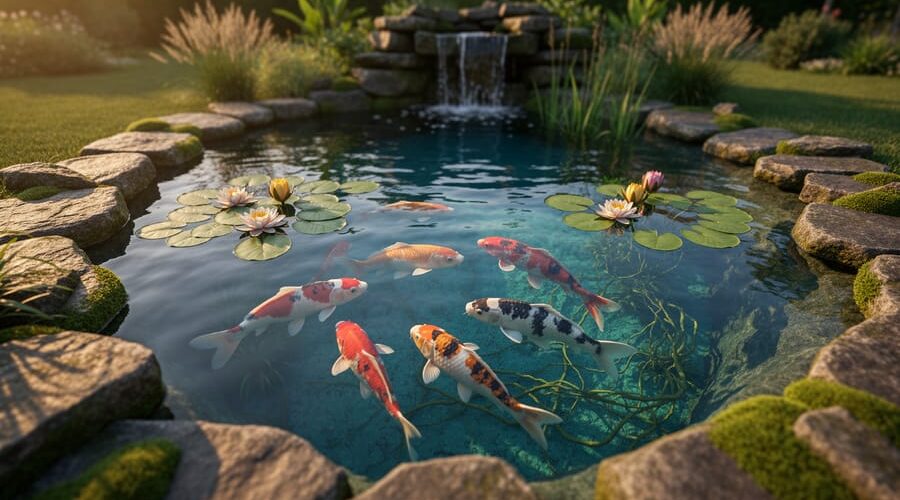
Why Your Backyard Pond Needs the Same Care as a Natural Lake
Your pond is struggling because you’ve been fighting individual problems instead of supporting the whole system. Ecosystem-based management means working with nature’s interconnected web rather than against it, and it’s the difference between constantly battling algae blooms and enjoying a balanced, self-sustaining water feature.
Think of your pond like a neighborhood. You wouldn’t try to fix community problems by only focusing on one house while ignoring how residents interact with each other. Similarly, you can’t create lasting pond health by just treating symptoms like murky water or invasive plants. Every element in your pond—from beneficial bacteria to fish, plants, rocks, and even that layer of muck on the bottom—plays a role in the bigger picture.
This approach flips traditional pond management on its head. Instead of reaching for chemicals when algae appears, you’d ask why the algae is thriving in the first place. Maybe your fish population is throwing off the nutrient balance, or you need more oxygenating plants to compete with unwanted growth. When you understand these connections, solutions become obvious and sustainable.
For pond owners tired of the treatment treadmill, ecosystem-based management offers a smarter path. You’ll spend less time and money fixing problems because you’re preventing them by creating conditions where beneficial organisms outcompete troublemakers naturally. Let’s explore what this looks like in your backyard water garden.
What Ecosystem-Based Management Really Means (In Plain English)
The Big Picture Approach
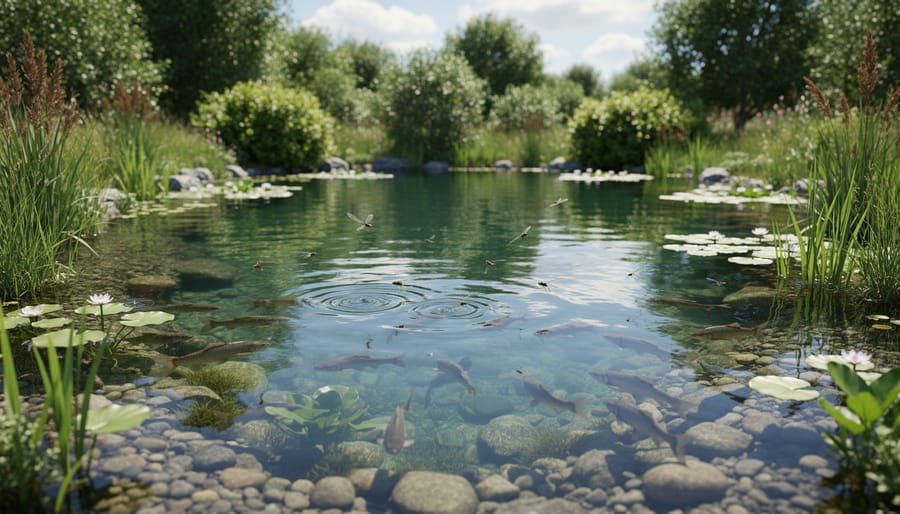
Think of your pond as a community where everyone has a job to do. That’s the heart of ecosystem-based management – instead of tackling problems one by one, you look at how everything works together. It’s like understanding that your pond isn’t just water in a hole, but a thriving network where every element affects the others.
Let me give you a real example. Say you notice green, murky water in your pond. The quick fix? Add chemicals to kill the algae. But ecosystem-based management asks: why is the algae growing so much in the first place? Maybe too much sunlight is hitting the water because you don’t have enough plants. Perhaps fish waste is building up, feeding the algae bloom. Or your filtration system isn’t balanced with your pond’s size.
When you understand aquatic ecosystems, you see these connections. Your plants oxygenate the water and shade out excessive algae. Fish eat mosquito larvae but produce waste that plants need. Beneficial bacteria break down debris, keeping water quality stable. It’s all interconnected, and managing your pond means respecting these relationships rather than fighting against them.
Why Single-Problem Fixes Usually Backfire
We’ve all been there – you spot that dreaded green bloom spreading across your pond, and your first instinct is to grab an algae treatment from the garden center. I remember doing exactly that with my first backyard pond, feeling pretty satisfied as the water cleared up within days. The problem? Two weeks later, the algae came roaring back even worse than before.
Here’s what happens with these quick fixes: when you treat just the algae without understanding why it’s growing in the first place, you’re ignoring the root cause. Maybe your pond has too many nutrients from overfeeding fish, or perhaps there aren’t enough plants competing with the algae for those nutrients. That chemical treatment kills the algae, but it also disrupts beneficial bacteria, stresses your fish, and does nothing about the nutrient imbalance that caused the problem.
It’s like mopping up water from a leaking pipe without fixing the leak itself. You’ll be mopping forever! Single-problem fixes create a frustrating cycle where you’re constantly battling symptoms instead of addressing what’s actually wrong in your pond’s ecosystem.
How Natural Ecosystems Keep Themselves Balanced
Nature’s Cleanup Crew
Think of your pond as having its own invisible maintenance team working around the clock. Beneficial bacteria are the real heroes here, breaking down fish waste, decaying leaves, and uneaten food into harmless substances. These microscopic workers colonize every surface in your pond, especially in filter media and on rocks, creating what we call natural filtration.
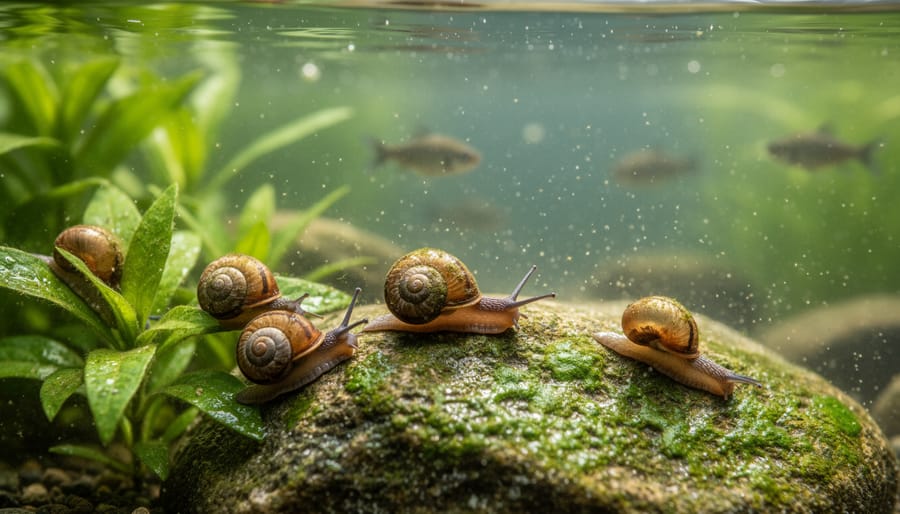
But bacteria don’t work alone. Snails act as your pond’s cleanup crew, munching through algae and organic debris. Freshwater mussels filter gallons of water daily, removing tiny particles you can’t even see. Aquatic plants absorb excess nutrients that would otherwise fuel algae blooms, while dragonfly larvae and other invertebrates consume mosquito larvae and decomposing matter.
I’ve watched this system transform troubled ponds into thriving ecosystems. One homeowner’s murky green pond cleared up within weeks once we established the right balance of these natural helpers. The key is creating conditions where these organisms thrive, providing surfaces for bacteria to colonize, planting native aquatics, and avoiding harsh chemicals that disrupt this delicate balance.
The Plant-Fish Partnership
Think of your pond as a beautiful dance between plants and fish – they’re partners who genuinely need each other to thrive! When I first started my water garden, I didn’t realize how connected these two groups really were. I thought fish were just pretty additions, and plants were decoration. Boy, was I wrong!
Here’s the amazing thing: plants work hard to keep your fish happy and healthy. During daylight hours, they pump oxygen into the water through photosynthesis – basically giving your fish the fresh air they need to breathe. Those leafy underwater plants also create perfect hiding spots for shy fish and safe nurseries for baby fish to grow up protected from hungry adults.
But what do the fish do in return? They’re not just free-loaders! Fish produce waste that, while it sounds gross, is actually liquid gold for plants. This waste contains nitrogen and other nutrients that plants absolutely love. It’s like the fish are providing a constant supply of natural fertilizer. Fish also keep things balanced by munching on algae and insect larvae that might otherwise take over.
I’ve watched this partnership transform struggling ponds into thriving ecosystems. When you have the right balance of plants to fish, everything just clicks. The water stays clearer, you spend less time fighting algae, and both your plants and fish grow more vibrant. It’s nature’s way of proving that teamwork really does make the dream work!
Bringing Ecosystem-Based Management to Your Pond
Building Biodiversity From the Start
When you’re creating a pond that practically takes care of itself, think of yourself as a party planner for nature. You want to invite a diverse crowd! Start by selecting plants that operate at different levels, just like guests mingling at various spots around your yard.
Begin with your plant guest list. Choose submerged oxygenators like hornwort or waterweed for your underwater layer. These workhorses pump oxygen into the water while providing hiding spots for beneficial microorganisms. Add floating plants such as water lettuce or dwarf water lily to create shade and reduce algae competition. Don’t forget marginal plants like pickerel rush or iris along the edges. This three-tier approach mimics natural waterways and supports pond biodiversity.
Next, create depth zones during construction or by adding shelves and rocks to existing ponds. Aim for a deep zone of at least 60cm for fish refuge and temperature stability, a middle zone around 30-45cm for most aquatic plants, and shallow edges of 10-15cm for marginals and wildlife access. These varying depths create distinct microhabitats.
Finally, add structural variety with rocks, logs, and hollow spaces. I learned this lesson when I noticed dragonfly nymphs clustering around a submerged branch I’d almost removed. That gnarly piece of wood became prime real estate! These features provide surfaces for beneficial bacteria, shelter for invertebrates, and basking spots for frogs, turning your pond into a thriving ecosystem rather than just a water feature.
Stocking Fish the Smart Way
Here’s the thing about stocking fish: more isn’t better, it’s just more trouble! I learned this the hard way when I excitedly added two dozen goldfish to my first pond and ended up with cloudy water and stressed fish within weeks.
The ecosystem-based approach means matching your fish to what your pond can actually support. Start by calculating your pond’s volume, then follow the general rule of one inch of fish per square foot of surface area. But here’s where it gets interesting: different species have different needs and impacts.
Goldfish are fantastic starters because they’re hardy and adaptable. Koi are beautiful but produce more waste, so they need larger ponds with robust filtration. If you’re thinking about mixing species, choose compatible temperaments. Goldfish and koi get along great, but aggressive species can disrupt your pond’s peaceful balance.
Consider adding fish gradually over several weeks. This gives your biological filter time to adjust to the increased waste load. Think of it like moving into a new apartment, you don’t bring everything at once!
Also, factor in growth. That adorable three-inch koi could reach two feet in a few years. Planning for their adult size now prevents overcrowding headaches later. Your future self will thank you.
Working With Beneficial Organisms
Think of beneficial organisms as your pond’s cleanup crew and security team rolled into one! These helpful bacteria, insects, and microorganisms work tirelessly to break down waste, control algae, and keep water quality in check.
To encourage these little helpers, start by creating diverse habitats. Add rocks, logs, and a variety of plants at different depths. This gives beneficial bacteria surfaces to colonize and provides shelter for helpful insects like dragonfly larvae, which naturally control mosquito populations. I learned this lesson when I added a few submerged clay pots to my pond – within weeks, I noticed clearer water as beneficial bacteria made themselves at home.
Resist the urge to over-clean your pond. Those slightly slimy rocks and plant surfaces harbor millions of helpful microbes breaking down fish waste and excess nutrients. When you do clean filters, rinse them in pond water rather than tap water to preserve bacterial colonies.
Feed your microscopic workforce by maintaining balanced nutrient levels. Compost tea added sparingly can boost beneficial bacteria populations. Avoid harsh chemicals and antibiotics that kill good organisms along with bad ones. Remember, patience is key – it takes time for these populations to establish themselves, but once they do, they’ll maintain themselves naturally while keeping your pond ecosystem thriving.
Spotting and Solving Imbalance Before It’s Too Late
Reading Your Pond’s Warning Signs
Your pond is constantly communicating with you, and learning to read its signals is like becoming fluent in a new language. Think of these warning signs as your pond’s way of asking for help before small issues become big problems.
Excessive algae growth is often the first red flag you’ll notice. If your once-clear water suddenly looks like pea soup, or if thick mats of stringy algae are taking over, your pond’s nutrient balance is off-kilter. A little algae is normal and even beneficial, but when it dominates, it’s crowding out other important organisms and stealing oxygen.
Watch your fish closely too. Are they gasping at the surface, especially in early morning? This often means oxygen levels are dangerously low. If they’re hiding more than usual or seem lethargic, something in their environment has changed. I learned this the hard way when my koi started clustering near my waterfall, essentially telling me they needed more oxygenated water.
Plant decline is another telltale sign. If your water lilies aren’t blooming like they used to, or your submerged plants are turning brown and brittle, the ecosystem balance has shifted. Healthy aquatic plants are your pond’s natural filters, so their struggle affects everything.
Murky water that stays cloudy despite your filtration system, unpleasant odors, or a sudden crash in your usually stable water chemistry readings all point to ecosystem stress. These signs rarely appear alone because everything in your pond is connected.
Natural Corrections That Actually Work
When your pond’s ecosystem needs help, the best solutions work with nature, not against it. Think of it as being a supportive coach rather than a heavy-handed referee.
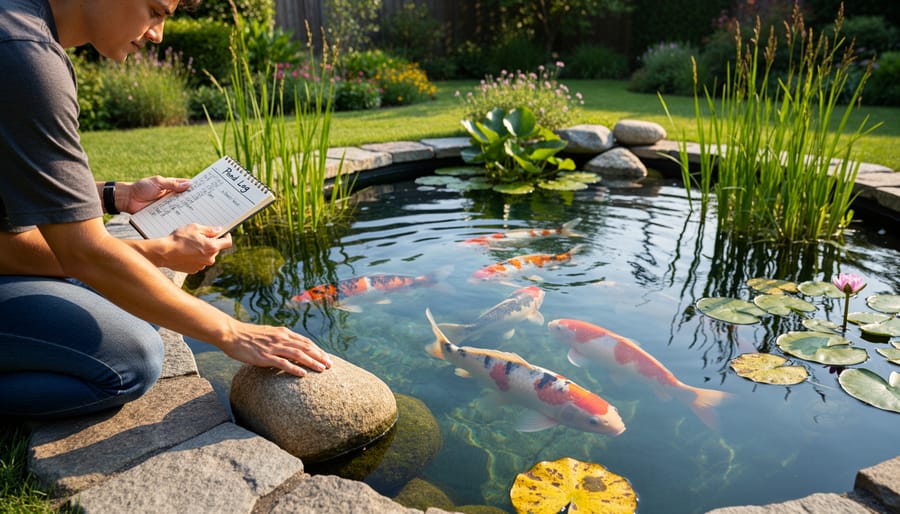
Adding aquatic plants is one of the most powerful natural corrections you can make. Plants compete with algae for nutrients, provide shade that cools the water, and create hiding spots for beneficial organisms. I’ve seen murky ponds transform within weeks simply by introducing floating plants like water lettuce or submerged varieties like hornwort. Aim to cover about 60% of your pond’s surface with vegetation for optimal results.
Adjusting fish populations is another game-changer. Too many fish means too much waste, which feeds unwanted algae problems. The general rule is one inch of fish per square foot of surface area. If you’re overstocked, consider rehoming some fish or upgrading to a larger pond.
Natural filtration improvements can include adding beneficial bacteria products that break down organic matter, or creating a bog filter planted with water-loving species that naturally process nutrients. Even something as simple as adding a layer of gravel to your pond bottom provides surface area for helpful bacteria to colonize.
These interventions might seem small, but they create ripple effects throughout your pond’s ecosystem. The key is patience and observation, allowing these natural processes time to establish balance.
Seasonal Care Through an Ecosystem Lens
Spring Awakening
As temperatures rise, your pond is ready to wake up—but patience is your best friend here. Think of spring as a gentle transition, not an instant restart button. Your beneficial bacteria have been dormant all winter, and they need time to rebuild their populations before they can effectively manage waste and keep water clear.
Start by removing only the most obvious debris—fallen leaves and large twigs—without disturbing the bottom sediment too much. That muck actually contains dormant beneficial organisms that will reactivate naturally. Wait until water temperatures consistently reach 50°F before restarting pumps and filters at reduced speeds. This gradual approach prevents shocking fish and gives your ecosystem time to reestablish its natural balance.
Hold off on feeding fish until they’re actively swimming and temperatures stay above 55°F. Their metabolism is still slow, and uneaten food will create unnecessary nutrient problems. Similarly, resist the urge to add new plants or do major cleanouts right away. Let your pond find its rhythm first—you’ll see clarity improve naturally as beneficial bacteria populations recover and aquatic plants begin actively growing again.
Summer Balance
Summer brings explosive growth to your pond – and that’s when ecosystem-based management really proves its worth! This is peak season when algae, plants, and fish are all highly active. Rather than fighting nature with harsh chemicals, you’re working with natural cycles. Your submerged plants are busy oxygenating the water, your beneficial bacteria colonies are processing fish waste, and your pond inhabitants are thriving. The key is maintaining balance through regular observation and gentle adjustments. Check water quality weekly, remove excess debris before it breaks down, and ensure your filtration system keeps up with increased biological activity. Think of it as conducting an orchestra – every element plays its part. Your seasonal maintenance routine during summer focuses on supporting these natural processes rather than overriding them. If algae starts blooming, add more competing plants rather than reaching for algaecides. When everything works together harmoniously, your pond practically manages itself while looking absolutely stunning!
Fall and Winter Preparation
As temperatures drop, your pond ecosystem needs gentle preparation for its winter rest. Think of it like tucking your pond in for a long nap! Start by reducing fish feeding as the water cools below 50°F, since their metabolism naturally slows down. Remove fallen leaves and dying vegetation before they sink and decay, which depletes oxygen your fish need during winter. Trim back aquatic plants, leaving about 6 inches above water level to provide shelter for beneficial insects. If you’re in a freeze-prone area, consider adding a pond heater or aerator to maintain a small opening in the ice, allowing gases to escape and oxygen to enter. This simple step prevents toxic buildup and ensures your fish survive until spring. I learned this the hard way one brutal winter when I skipped aeration and nearly lost my beloved koi! Clean your filters but leave some beneficial bacteria intact, and consider running your pump periodically during mild winter days to maintain water circulation. These thoughtful preparations set the stage for a vibrant spring awakening.
Here’s the wonderful truth about ecosystem-based management: it works with nature, not against it. Once you start seeing your pond as the living, breathing community it truly is, everything becomes simpler. You’ll spend less time fighting algae blooms and more time enjoying the peaceful ripples and visiting wildlife.
I remember the turning point in my own water gardening journey. After years of constantly scrubbing, treating, and worrying, I finally stepped back and let my pond find its balance. Within weeks, the water cleared naturally. The plants thrived. Frogs showed up uninvited but very welcome. I wasn’t working harder—I was working smarter by trusting the ecosystem.
This approach genuinely saves you time and money. Fewer chemicals mean fewer trips to the store and less strain on your wallet. Healthy ecosystems maintain themselves with minimal intervention, freeing you to actually enjoy your water feature instead of constantly maintaining it.
So take a moment today to really look at your pond. Watch how the plants sway, notice which creatures visit, observe how the sunlight dances on the surface. You’re not just managing water—you’re stewarding a living system that wants to thrive. Give it the basic building blocks it needs, trust the natural processes, and watch the magic unfold. Your pond will reward your patience with crystal-clear water, vibrant life, and beauty that deepens with each passing season.