
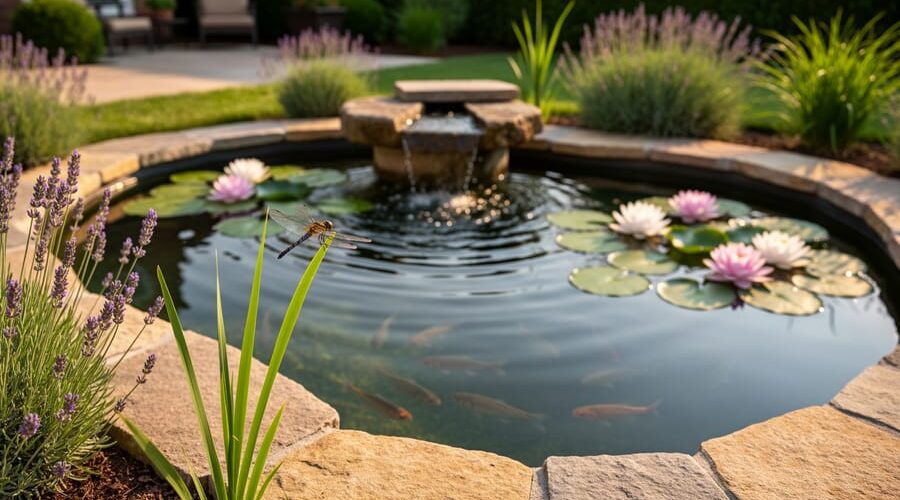
Your Water Garden Could Be a Mosquito Magnet (Here’s How to Stop It)
Your beautiful water garden shouldn’t come with the unwanted soundtrack of buzzing mosquitoes or the constant swatting that drives you back indoors. The reality is straightforward: standing water attracts mosquitoes looking for breeding sites, and they can transform your peaceful pond into a nursery for thousands of these pests within days.
Here’s the good news. You don’t need harsh chemicals or expensive foggers to reclaim your outdoor space. The secret lies in understanding what mosquitoes need to breed and systematically removing those conditions from your water feature.
Mosquitoes require still, stagnant water to lay their eggs. The larvae then develop over 7-10 days before emerging as adults. Break this cycle at any point, and you’ve won the battle. That’s where your pond ecosystem becomes your greatest ally rather than your enemy.
I learned this lesson the hard way during my first summer with a water garden. Within weeks, my tranquil backyard retreat became mosquito central. My family avoided the area entirely, and I felt defeated. Then I discovered that the solution wasn’t about fighting nature but working with it.
The most effective outdoor mosquito prevention combines multiple strategies that complement your existing water feature. Movement disrupts breeding. Beneficial predators consume larvae before they mature. Strategic plants naturally repel adults. Proper maintenance eliminates hidden breeding zones you might not even know exist.
Let’s explore how to implement each of these defenses so you can finally enjoy those summer evenings by your pond without becoming a mosquito buffet.
Why Water Gardens Attract Mosquitoes (And Why Yours Doesn’t Have To)
The 7-Day Mosquito Timeline
Here’s something that might surprise you: mosquitoes can go from egg to biting adult in just 7 days under the right conditions. That’s barely a week! When a female mosquito finds standing water in your garden, she can lay up to 300 eggs at once. Within 24 to 48 hours, those eggs hatch into larvae (those wiggling little things you might spot near the water’s surface). The larvae then spend about 4 to 5 days feeding and growing before transforming into pupae. After another 2 to 3 days, adult mosquitoes emerge, ready to buzz around your backyard barbecue.
This rapid timeline is exactly why prevention beats reaction every single time. If you check your water features weekly, you’re catching the problem before a new generation takes flight. Miss a week or two? You could be dealing with hundreds of new mosquitoes. The good news is that understanding this cycle helps you stay one step ahead. Regular maintenance, even just a quick walk around your pond every few days, makes all the difference in keeping your outdoor space comfortable and mosquito-free.
Moving Water vs. Stagnant Water: The Game Changer
Here’s something I learned the hard way when I first started my backyard pond journey: mosquitoes are incredibly picky about where they lay their eggs. They need calm, still water that won’t disturb their delicate larvae. This is actually fantastic news for us water gardeners!
Think of it this way: mosquito larvae are like tiny, weak swimmers that can’t handle any current. When water moves, even gently, it disrupts their ability to surface for air and makes it nearly impossible for them to complete their development cycle. Female mosquitoes instinctively avoid laying eggs in moving water because they know their offspring won’t survive there.
This is why a simple fountain, bubbler, or waterfall becomes your first line of defense. The constant motion creates an environment that’s completely inhospitable to mosquito breeding. I added a small solar fountain to my pond, and within days, I noticed a dramatic difference. The ripples don’t need to be dramatic or create waves; even subtle movement throughout the water column is enough to discourage mosquitoes.
The beauty of this solution is that it enhances your water garden’s appeal while solving your mosquito problem naturally, without chemicals or constant maintenance.
Keep Your Water Moving: The #1 Defense Against Mosquitoes
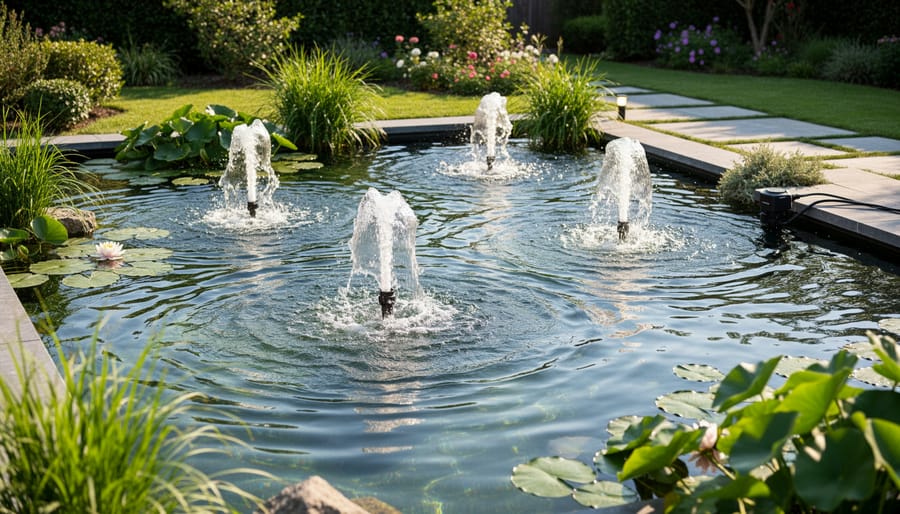
Pumps and Fountains That Do Double Duty
The right pump can transform your pond from a mosquito nursery into a buzzing-free oasis, and the best part? You’re adding beauty while solving the problem.
Here’s what I’ve learned after years of experimenting with different setups: mosquitoes won’t lay eggs in moving water. That gentle ripple from a fountain or waterfall breaks up the surface tension they need, making your pond completely uninviting to them.
When choosing a pump, think about your pond size first. For every 100 gallons of water, you’ll want a pump that circulates at least 50 gallons per hour for basic mosquito prevention. If you have a 500-gallon pond, aim for a 250 GPH pump minimum. But honestly, I usually go bigger because stronger circulation means better oxygenation for your fish too.
Fountain heads are your fun part. A simple bubbler works great for small spaces, while spray patterns add visual drama to larger ponds. Position your fountain so the spray covers as much surface area as possible without splashing outside your pond.
Installation is straightforward for most DIYers. Place your pump on a stable surface or brick to keep it off the bottom muck. Run the cord safely to your outdoor outlet, and you’re done. Most pumps include multiple fountain head options, so you can experiment until you find your favorite look.
Remember to keep your pump running during mosquito season, which in most areas means May through September. The constant movement is your 24/7 defense system that happens to look gorgeous.
Waterfalls and Streams: Natural Mosquito Barriers
Here’s something I’ve loved discovering in my years of water gardening: moving water is your secret weapon against mosquitoes! Those pesky insects need still, stagnant water to lay their eggs, so when you create a waterfall or bubbling stream, you’re essentially putting up a “no vacancy” sign for them.
The beauty of water features that create movement is they serve double duty. Not only do they prevent mosquito breeding, but they also add that wonderful, soothing sound we all love. The constant motion disrupts the water’s surface, making it impossible for mosquitoes to land and lay eggs.
You don’t need a dramatic cascade either. Even a simple fountain pump creating gentle ripples works wonders. I’ve seen small recirculating pumps transform previously problematic ponds into mosquito-free zones within days. The movement also increases oxygen levels, which benefits your fish and plants, creating a healthier ecosystem overall.
If you’re planning a new feature, consider adding a natural-looking stream that connects different pond levels. The continuous flow keeps water fresh and mosquitoes away, while creating various habitats for beneficial wildlife. It’s truly a win-win situation for both aesthetics and pest prevention.
Budget-Friendly Movement Solutions
You don’t need to break the bank to keep water moving in your pond! A simple air bubbler is one of the most affordable options out there, running on minimal electricity while creating gentle ripples that mosquitoes hate. I’ve used these in smaller ponds with great success—they’re quiet, effective, and cost less than a fancy coffee habit for a month.
Solar-powered fountains are another wallet-friendly winner. They require zero wiring, no electrician fees, and literally run on sunshine. Pop one in your pond, and you’re done. Sure, they won’t work at night, but daytime prevention is still a huge win. For those interested in exploring more advanced options, smart water garden technology offers automated solutions at various price points.
Even a small recirculating pump positioned to create surface agitation makes a massive difference. The key is consistency—any movement is better than stagnant water where mosquitoes can lay eggs undisturbed.
Your Secret Weapon: Fish That Eat Mosquito Larvae
Mosquitofish and Gambusia: The Tiny Predators
If you want serious mosquito-fighting power in your pond, meet the mosquitofish and Gambusia affinis. These little champions are nature’s pest control specialists, and they’re incredibly good at what they do. A single mosquitofish can devour up to 100 mosquito larvae per day, which is pretty remarkable for a fish that’s only about two inches long!
What makes these fish so perfect for backyard ponds? They’re incredibly hardy. They can handle temperature swings, varying water conditions, and even survive in smaller water features where other fish might struggle. Many mosquito control programs actually distribute these fish for free to homeowners, so check with your local vector control district before buying any.
Here’s the best part for beginners: mosquitofish are low-maintenance. They don’t need fancy filtration systems or constant feeding since they naturally forage for larvae. They also reproduce readily, so your initial stock will likely grow to match your pond’s ecosystem needs.
One quick tip from my own experience: don’t overstock. Start with just a few fish per 50 gallons of water. They’ll multiply on their own, and too many can actually compete with each other for food, reducing their effectiveness against those pesky mosquito larvae.
Goldfish and Koi: Beautiful and Functional
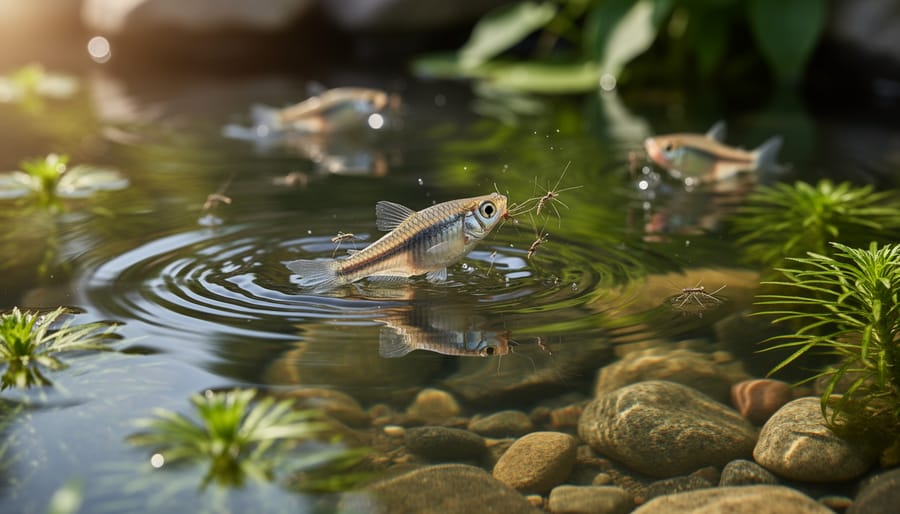
Here’s where practical mosquito control meets the beauty you’re already cultivating in your water garden. Goldfish and koi aren’t just stunning to watch—they’re voracious mosquito larvae hunters. A single goldfish can devour hundreds of larvae daily, making them one of nature’s most elegant pest control solutions.
I remember adding my first three goldfish to a small backyard pond, mainly for the kids to enjoy. Within days, the mosquito problem I’d been battling completely disappeared. Those fish were constantly nibbling at the water’s surface, gobbling up larvae before they could mature.
Goldfish are incredibly hardy and thrive in most outdoor ponds, even surviving winters in many climates. Koi offer similar mosquito control benefits while adding dramatic color and personality to larger water features. They’re surprisingly interactive too—mine now swim to the edge when they see me coming.
The best part? You’re not choosing between function and beauty. These fish naturally patrol every corner of your pond, seeking out mosquito larvae as part of their regular feeding behavior. Just ensure your pond has adequate depth and filtration to support healthy fish, and they’ll handle mosquito patrol duty while transforming your garden into a living, breathing work of art.
How Many Fish Do You Actually Need?
The good news? You don’t need a huge school of fish to keep mosquitoes under control. For small ponds up to 100 gallons, just 2-4 mosquito-eating fish like goldfish or guppies will do the trick. Medium ponds between 100-500 gallons benefit from 6-10 fish, while larger water features over 500 gallons can support 12-20 fish depending on your filtration system.
Here’s my rule of thumb: start with fewer fish than you think you need and observe for a week or two. If you’re still seeing mosquito larvae wiggling near the surface, add a couple more fish. Remember, these little guys are hungry and efficient! A single goldfish can gobble up hundreds of mosquito larvae daily.
Consider your mosquito pressure too. If you live in a heavily wooded area or near standing water, lean toward the higher end of stocking recommendations. And don’t forget that fish populations naturally grow, so starting conservatively prevents overcrowding down the road.
Keeping Your Fish Happy Year-Round
Happy fish are effective mosquito hunters! Feed them high-quality food once or twice daily, but don’t overdo it—excess food can cloud your water and disrupt your balanced pond ecosystem. During cooler months, reduce feeding as fish metabolism slows. Test your water regularly for pH and ammonia levels, aiming for a pH between 6.5 and 8.5. Provide adequate depth in your pond—at least 18 inches—so fish can escape extreme temperatures. Add floating plants or shade structures to give them relief from summer heat. In winter, keep a section of the pond surface ice-free with a pond heater or aerator so oxygen can circulate. Healthy fish are your best mosquito defense team, so investing time in their care pays dividends in pest-free evenings by the water.
Plant Power: Aquatic Plants That Repel and Prevent
Surface Plants That Block Breeding Spots
Here’s a clever trick I learned from a fellow pond keeper: mosquitoes can’t lay eggs where they can’t land! Surface-covering plants create a natural barrier that blocks mosquitoes from accessing the water below. Think of them as a living shield for your pond.
Water lilies are your star players here. Their broad leaves spread across the surface, taking away the open water mosquitoes need. Aim to cover about 50-70% of your pond’s surface for maximum protection while still leaving room for fish to breathe and your eyes to enjoy the view. Lotus plants work similarly, with their impressive leaves creating shade and coverage.
Don’t overlook floating plants like water lettuce, water hyacinth, and duckweed. These fast-growing beauties multiply quickly and form dense mats that mosquitoes simply can’t penetrate. I’ve seen water lettuce completely transform a problem pond in just a few weeks.
The beauty of this approach is that you’re solving multiple problems at once. These plants don’t just block mosquitoes; they also filter your water, reduce algae by blocking sunlight, and create a gorgeous natural aesthetic. Plus, they give your fish some welcome shade on hot summer days. It’s truly a win-win solution that makes your pond healthier and mosquito-free.
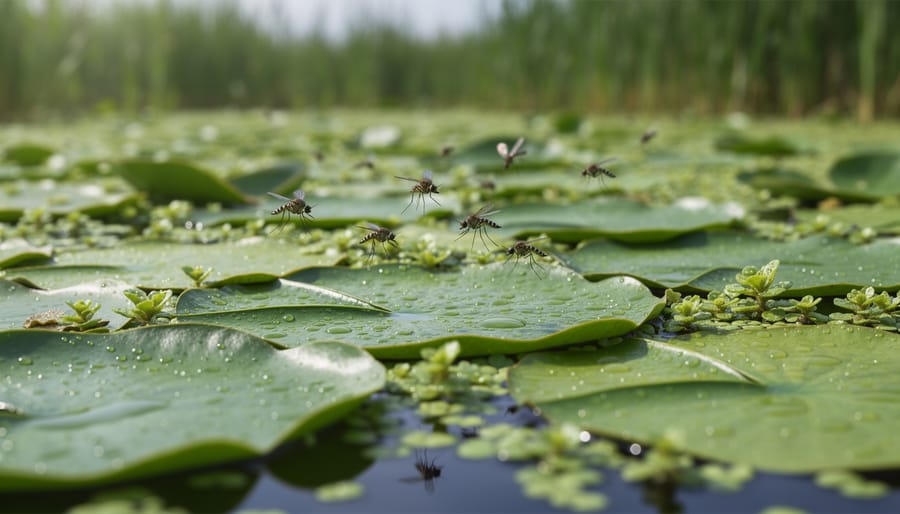
Oxygenating Plants for Water Quality
Here’s a secret weapon in your mosquito-fighting arsenal: plants that work underwater! Oxygenating plants, sometimes called submerged plants, are absolute champions at keeping your pond water clean and healthy. And here’s the thing—mosquitoes hate clean, oxygen-rich water.
These underwater helpers do double duty in your pond. First, they pump oxygen into the water throughout the day, which creates conditions mosquitoes simply can’t stand for laying eggs. Second, they compete with algae for nutrients, keeping your water clearer and less stagnant. I’ve noticed in my own pond that areas with dense patches of submerged plants stay remarkably mosquito-free, even during peak summer.
Some fantastic options include hornwort, anacharis, and cabomba. These plants are incredibly easy to care for—just drop them in and let them do their thing. They don’t even need to be planted in soil; they’ll happily float around or anchor themselves naturally. For best results, aim to cover about one-third of your pond’s bottom area with these oxygen producers. You’ll notice the difference in water quality within just a few weeks, and mosquitoes will take their egg-laying business elsewhere!
Border Plants with Mosquito-Repelling Properties
Creating a natural mosquito barrier around your water garden is easier than you might think! I’ve found that planting certain varieties along the edges works wonders. Citronella grass makes an excellent border plant with its lemon scent that mosquitoes dislike—plus it grows tall enough to create a lovely backdrop. Lavender is another favorite of mine; it smells heavenly to us but sends mosquitoes packing. Plant it in sunny spots near seating areas where you’ll enjoy your pond most. Marigolds add cheerful pops of orange and yellow while naturally repelling these pests. I like to tuck them between larger plants for continuous blooms throughout summer. Rosemary and basil work double duty as culinary herbs and mosquito deterrents, so consider adding containers near your pond’s edge. The key is planting densely enough to create that protective perimeter without blocking your view of the water. Remember, these plants complement other prevention methods but work best as part of your overall strategy.
Maintenance Habits That Keep Mosquitoes Away
Weekly Quick Checks (5 Minutes That Make a Difference)
Make it a habit to do a quick five-minute walk around your yard every week, and you’ll catch mosquito problems before they start. I like to do mine Saturday mornings with my coffee in hand. Check any containers that might have collected rainwater, even ones you didn’t expect like upturned pot saucers, toys left outside, or that decorative wheelbarrow. Flip them over or dump the water out. Look at your pond edges for any stagnant pockets where water isn’t circulating well. Give your fountain or waterfall a visual check to make sure it’s running properly. Peek under deck stairs and around downspouts where water sometimes pools. During your walk, clear any clogged gutters you spot and pull out debris from water features. This simple routine becomes second nature fast, and honestly, it’s saved me from so many mosquito headaches. Think of it as a friendly check-in with your outdoor spaces rather than a chore.
Dealing with Debris and Sludge
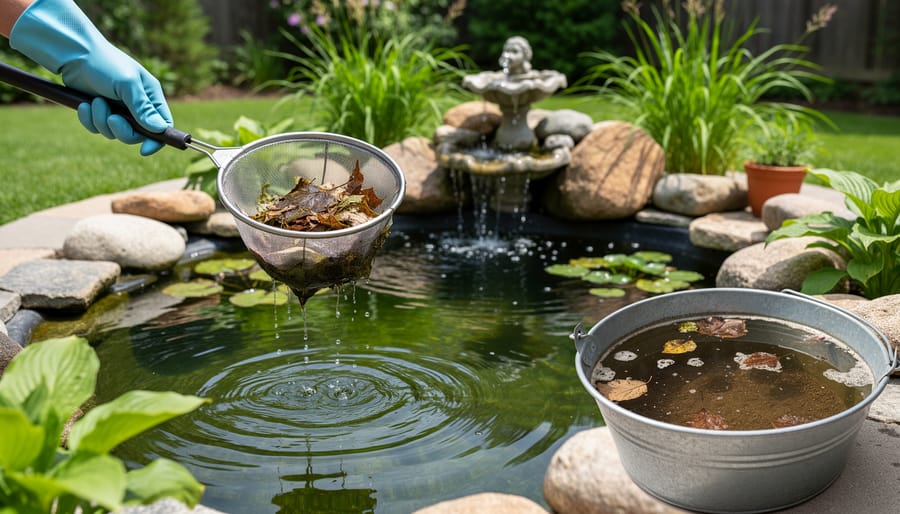
Organic debris like fallen leaves, grass clippings, and plant matter creates the perfect mosquito nursery when it settles in your water garden. As this material breaks down, it forms a nutrient-rich sludge that mosquito larvae absolutely love. I learned this the hard way when my beautiful pond became a mosquito factory one summer, all thanks to neglected leaf buildup in the corners.
The good news? Managing debris is surprisingly simple. Use a pond skimmer or net to remove floating leaves and twigs daily, or at least every few days during heavy shedding seasons. For bottom sludge, a pond vacuum works wonders and makes the job almost fun. If you’d rather take a hands-off approach, beneficial bacteria products help break down organic matter naturally, reducing the sludge that accumulates over time.
Don’t forget those sneaky spots where debris loves to hide: behind rocks, under overhanging plants, and in shallow edges. These are prime mosquito real estate. A quick weekly inspection of these areas keeps problems from developing and helps your entire water garden ecosystem stay balanced and beautiful.
Seasonal Adjustments for Year-Round Protection
Mosquito prevention isn’t a one-and-done deal. Your strategies need to shift with the changing seasons to stay effective year-round. Let me walk you through what works best when.
Winter might seem like you’re off the hook, but this is actually prime prevention time. Empty any containers that have collected water and remove dead plant material from your pond edges where mosquito eggs can overwinter. I always use this quieter season to inspect my pond equipment and plan improvements for spring. Your seasonal water garden care routine should include checking that pumps and filters are ready to restart when temperatures rise.
Spring is when mosquitoes come roaring back to life. This is your critical window to get ahead of them. Restart your pond circulation early, even before you think you need it. Add mosquito fish before the first warm spell, not after you spot larvae. Check all water features weekly as spring rains can create temporary breeding spots you didn’t have before.
Summer requires vigilance. Top up water levels during dry spells to keep circulation working properly, and autumn means preparing for dormancy by maintaining good water flow right until the cold sets in.
Beyond the Pond: Creating a Mosquito-Free Zone Around Your Water Garden
Eliminate Hidden Breeding Spots
You’d be surprised how many sneaky breeding spots hide around your yard! I learned this the hard way after wondering why mosquitoes kept appearing near my pond. Turns out, the real culprits were scattered all over my property in places I’d never considered.
Start with plant saucers under your potted plants. These innocent-looking dishes collect rainwater and become perfect mosquito nurseries within days. Either drill drainage holes in them or check and empty them twice weekly. I now use saucers filled with gravel so excess water drains through but doesn’t pool.
Next, tackle your gutters. Clogged gutters create stagnant puddles that mosquitoes absolutely love. Clean them out at least twice a year, and make sure downspouts direct water away from your foundation. While you’re up there, check for sagging sections that might trap water.
Don’t forget decorative items like birdbaths, watering cans, old tires, or that cute garden bucket you meant to plant something in. Walk your yard with fresh eyes every week, looking for any container that could hold water. Flip, drain, or store items you’re not actively using. Even bottle caps and toys can harbor mosquito larvae. Think of it as a treasure hunt where finding the prize means fewer itchy bites later!
Strategic Seating and Entertainment Areas
Smart placement of your seating areas can make a huge difference in keeping mosquitoes at bay while you relax near your water garden. I learned this the hard way after positioning my favorite reading chair directly downwind from my pond – not my best decision!
When planning your outdoor living space, position patios and decks where prevailing breezes naturally flow. Mosquitoes are weak fliers, so even gentle winds make it difficult for them to reach you. Place seating areas at least 15-20 feet away from still water sections if possible, creating a buffer zone.
Consider the sun exposure too. Mosquitoes prefer shady, humid spots, so positioning your entertainment areas in locations that receive good sunlight during evening hours naturally discourages these pests. If you have a large pond, place seating on the side opposite from marshy edges or shallow areas where mosquitoes might congregate.
Create movement corridors by avoiding enclosed spaces surrounded by tall plants or structures that block airflow. Instead, design open sight lines that allow breezes to sweep through your sitting areas while still maintaining that beautiful view of your water feature.
When Nature Needs a Little Help: Safe Treatment Options
BTI: The Fish and Plant-Friendly Solution
If you have fish but still notice mosquito activity around your pond, or if you maintain decorative water features without fish, BTI products are your secret weapon. BTI stands for Bacillus thuringiensis israelensis, which sounds complicated but works beautifully simple. It’s a naturally occurring bacteria that specifically targets mosquito larvae and a few other biting flies, while leaving everything else in your pond completely unharmed.
I’ve been using BTI dunks in my smaller water features for years, and here’s what I love about them: they float on the surface and slowly release the bacteria over 30 days. The mosquito larvae eat it, and that’s the end of their story. Meanwhile, your fish, frogs, plants, dragonfly nymphs, and beneficial bacteria carry on without any disruption whatsoever.
You can find BTI products as floating dunks, granules you sprinkle on the water surface, or liquid concentrates. For most backyard ponds and water gardens, the dunks are easiest. Just break them into pieces for smaller features or toss a whole one into larger ponds. They work in birdbaths, rain barrels, decorative fountains, and any standing water you can’t eliminate. It’s targeted protection that fits perfectly into an eco-friendly water garden approach.
What to Absolutely Avoid Near Your Water Garden
Here’s a crucial heads-up: resist the temptation to reach for harsh chemical pesticides around your water garden. I learned this lesson the hard way when a well-meaning neighbor suggested spraying a heavy-duty insecticide near my pond. Within days, I noticed my fish behaving strangely, and my beautiful aquatic plants started yellowing.
Chemical mosquito foggers, broad-spectrum insecticides, and conventional lawn treatments can devastate your pond’s delicate ecosystem. They’ll kill beneficial insects like dragonflies and damselflies (your natural mosquito hunters), harm fish and frogs, and destroy helpful bacteria that keep your water balanced. Even products labeled as “safe” can disrupt the biological balance you’ve worked so hard to create.
Skip anything containing synthetic pyrethroids, organophosphates, or chlorine-based chemicals near your water feature. These don’t discriminate between mosquitoes and the good guys. Instead, stick with the ecosystem-friendly approaches we’ve covered, which work with nature rather than against it.
Here’s the wonderful news I want you to take away: your beautiful water garden and mosquito-free evenings are absolutely, 100% compatible. I’ve seen it firsthand in my own backyard, and countless water gardeners have proven it’s possible with the right approach.
The key is thinking in layers rather than looking for one magic solution. When you combine water movement with mosquito fish, add some strategic plants, and stay on top of basic maintenance, you create an environment where mosquitoes simply can’t thrive. Each strategy reinforces the others, building a natural defense system that works with your pond’s ecosystem rather than against it.
Remember this important truth: prevention is always easier than treatment. Taking a few minutes each week to scoop out debris, check your pump, and ensure water is circulating properly saves you from hours of frustration later. Those small, consistent actions make all the difference between a mosquito haven and a mosquito-free paradise.
I encourage you to start with just one or two strategies that feel manageable for your situation. Maybe that’s adding a fountain and introducing some fish. Once those are working well, you can layer in additional defenses. There’s no need to implement everything at once.
Picture yourself on a warm summer evening, listening to the gentle trickle of your fountain, watching fish glide beneath lily pads, surrounded by the beauty you created. That peaceful scene, free from buzzing pests, is absolutely within your reach. Your water garden journey just got a whole lot more enjoyable.