
Why Potassium Turns Your Pond Into a Chemical Experiment (And How to Keep It Balanced)
Understanding why potassium behaves differently than other nutrients in your pond starts with a simple chemical equation: 2K + 2H₂O → 2KOH + H₂. This balanced equation reveals what happens when potassium metal contacts water, producing potassium hydroxide and hydrogen gas in a vigorous, sometimes explosive reaction.
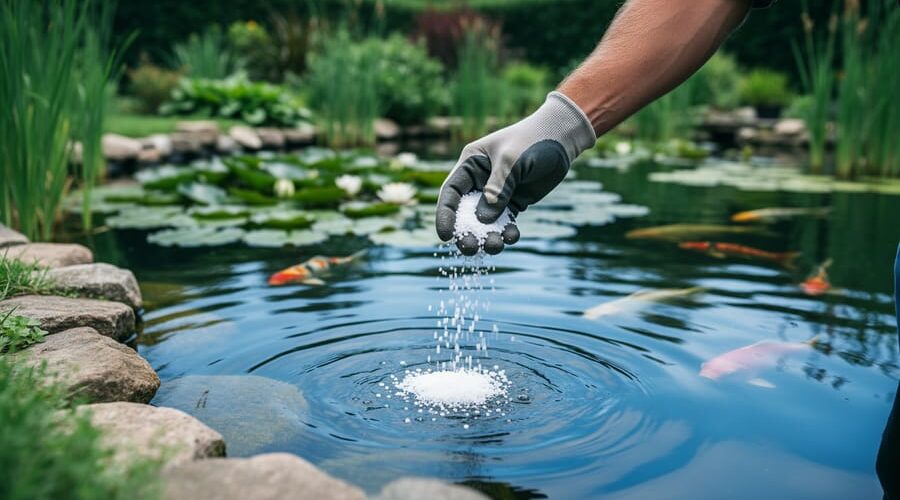
Before you panic about adding potassium to your pond, know that the potassium in fertilizers and pond treatments exists as stable compounds, not pure metal. When potassium sulfate or potassium carbonate dissolves in your water garden, it simply breaks into harmless ions that plants absorb. The dramatic reaction only occurs with pure potassium metal, which you’ll never encounter in pond care.
This chemistry matters because understanding the difference between reactive potassium metal and safe potassium compounds helps you make informed decisions about nutrient management. When agricultural runoff enters your pond or you apply fertilizers to surrounding gardens, the potassium compounds dissolve peacefully, contributing to plant growth without the explosive chemistry shown in the pure metal equation.
The balanced equation teaches a valuable lesson: chemistry textbook examples don’t always translate to pond reality. While 2K + 2H₂O → 2KOH + H₂ demonstrates important principles about alkali metals and water reactions, your pond experiences involve completely different forms of potassium that support aquatic plant health safely and effectively. Recognizing this distinction empowers you to manage water quality confidently without unnecessary worry about chemical reactions that simply won’t happen in your backyard ecosystem.
What Really Happens When Potassium Meets Water
Breaking Down the Chemical Dance
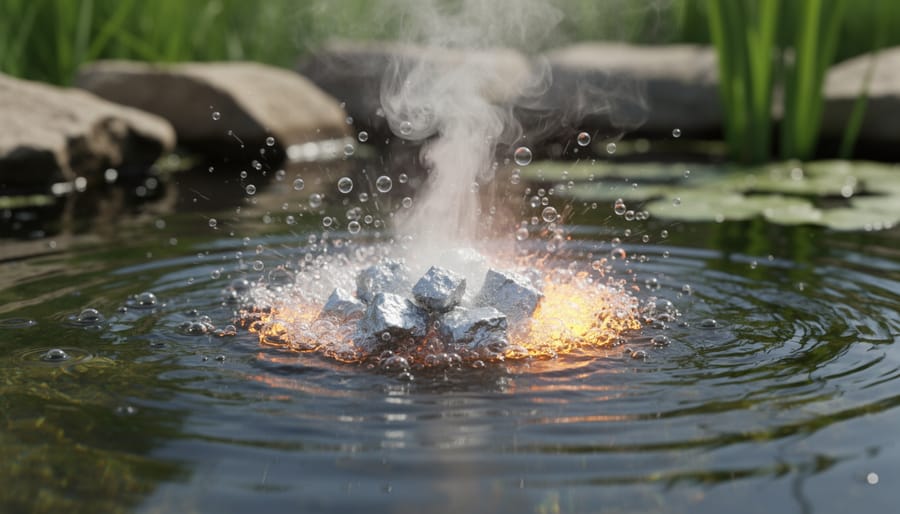
Let’s break down what happens when potassium meets water in a way that makes sense for your pond. The balanced equation looks like this: 2K + 2H₂O → 2KOH + H₂. Think of it as a simple recipe with specific ingredients and results.
On the left side, you’ve got your reactants. Potassium (K) is a soft, silvery metal that’s quite reactive, and water (H₂O) is, well, the star of your pond! When these two meet, they don’t just mix peacefully. Instead, they react vigorously to create two new products.
The products on the right side are potassium hydroxide (KOH) and hydrogen gas (H₂). Here’s what matters for your pond: potassium hydroxide is a strong alkaline substance that dramatically raises your water’s pH level. That hydrogen gas? It’s actually released as bubbles, which is why you might see fizzing if potassium-containing materials accidentally enter your pond.
For pond owners, understanding this reaction helps explain why potassium-based fertilizers near your water feature need careful handling. That KOH product can throw off your carefully balanced pond chemistry faster than you’d think!
Why This Matters in Your Backyard Pond
Now let’s talk about what this means for your backyard oasis. When potassium reacts with water in your pond, it creates potassium hydroxide, which dramatically increases the pH level. Think of it as your pond water becoming more alkaline, shifting away from the neutral balance your fish and plants thrive in. This pH swing can stress fish, harm beneficial bacteria, and disrupt the delicate ecosystem you’ve worked hard to build.
The hydroxide produced can irritate fish gills and skin, while the rapid pH changes create an unstable environment. Your pond plants might show yellowing leaves or stunted growth when pond water chemistry gets thrown off balance. The hydrogen gas released during this reaction typically escapes harmlessly, but the real concern is the lasting impact on water quality.
Understanding this chemical reaction helps you make smarter choices about fertilizers near your pond and water treatments you might consider. It’s not about memorizing chemistry formulas, but recognizing how substances interact with your pond water. This knowledge empowers you to protect your aquatic friends and maintain that crystal-clear water you’re proud to show off to neighbors.
Potassium’s Role in Your Pond Ecosystem
What Your Water Plants Actually Need
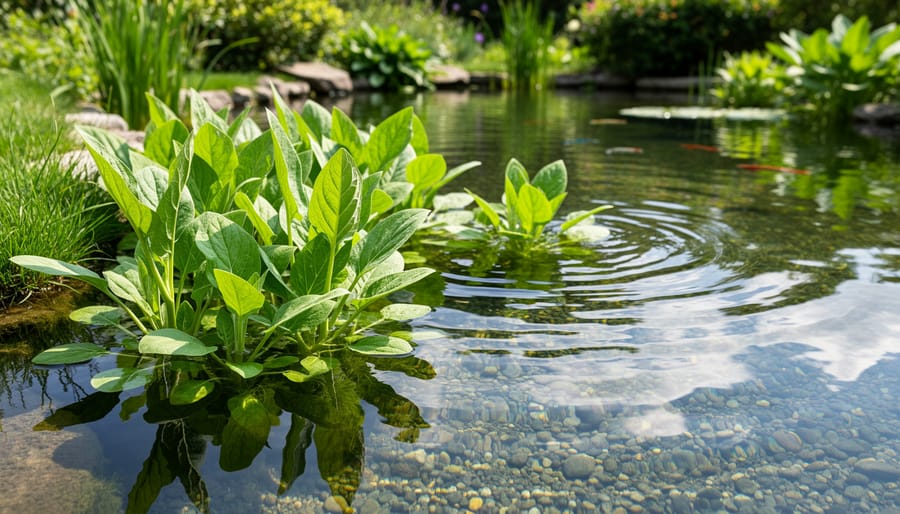
Your aquatic plants rely on potassium to stay healthy and vibrant, just like garden vegetables need their nutrients. Think of potassium as the backstage crew in a theater production – it doesn’t get much attention, but without it, the whole show falls apart. In your pond, potassium helps plants regulate water uptake, supports photosynthesis, and strengthens their cell walls against disease.
Here’s what to watch for: If your water lilies are developing yellow edges on their leaves or your submerged plants look lackluster with stunted growth, you might be dealing with a potassium deficiency. The older leaves typically show symptoms first, turning pale or developing brown spots along the edges.
On the flip side, too much potassium rarely causes direct harm to aquatic plants, but it can create an imbalance that prevents them from absorbing other essential nutrients like calcium and magnesium. I learned this the hard way when I over-fertilized my pond one spring – my plants looked fine, but the algae had a field day!
The sweet spot for most water gardens is maintaining potassium levels between 5-20 mg/L. Regular water testing helps you stay in this range. If you’re adding fertilizers to boost plant growth, always follow recommended doses and watch how your plants respond over the next few weeks.
The Good Side of Potassium in Water
Before we dive too deep into the chemistry equations, let’s talk about why potassium isn’t always the villain in your pond story. In fact, it plays some pretty important roles in keeping your water garden thriving!
Potassium naturally occurs in pond water from several sources. Rainwater carries trace amounts, soil erosion gradually releases it, and decomposing plant matter adds it back into the water cycle. Think of it as nature’s recycling program. When those beautiful lily pads or marginal plants die back in fall, they’re actually returning nutrients to your pond ecosystem.
Here’s the good news: at safe levels (typically below 10-20 mg/L for most ponds), potassium actually supports healthy plant growth. Your water lilies, lotus, and submerged oxygenating plants need potassium as one of their essential nutrients. It helps them photosynthesize efficiently and maintain strong cell structure. Healthy plants mean better natural filtration and clearer water.
I’ve noticed in my own pond that strategic potassium supplementation during spring growth periods helps my aquatic plants establish faster. The key is balance. Too little, and your plants struggle. Too much, and you trigger that vigorous potassium-water reaction we discussed earlier, along with potential algae blooms.
The ecosystem thrives when potassium levels stay in that sweet spot where plants benefit without overwhelming the system. Regular water testing helps you maintain this balance naturally.
When Potassium Becomes a Problem
Common Ways Potassium Gets Into Your Pond
You might be surprised by how many everyday sources can introduce potassium into your pond water! One of the biggest culprits is lawn fertilizer runoff. When you fertilize your grass, especially during rainy periods, that potassium-rich fertilizer can wash down slopes directly into your pond. I learned this the hard way when my beautiful koi pond turned into an algae factory after a heavy spring rain!
Another common source is potassium permanganate, which some pond keepers use to treat parasites or improve water clarity. While effective, it releases potassium ions as it breaks down. Soil erosion from surrounding garden beds or pond edges also contributes potassium naturally present in soil particles. This becomes particularly noticeable after storms or when you’re doing landscaping work nearby.
Don’t forget about decomposing organic matter like fallen leaves, dead plants, and fish waste. As these materials break down, they release potassium along with other nutrients, potentially creating nutrient imbalances. Understanding these sources helps you prevent excessive potassium buildup and maintain that crystal-clear water we all dream of!
Warning Signs Your Pond Is Out of Balance
Your pond will tell you when something’s off – you just need to know what to look for! One of the first signs is unpredictable pH swings. If you’re testing your water and seeing dramatic shifts from day to day, that’s your pond waving a red flag. These fluctuations often happen when potassium and other minerals enter the water, triggering that chemical reaction we discussed earlier.
Watch your fish closely – they’re excellent indicators of water quality problems. If they’re gasping at the surface, hiding more than usual, or swimming erratically, they’re likely stressed by chemical imbalances. I’ve learned this the hard way after adding wood ash near my pond!
Green, murky water or thick algae mats are classic signs of excess nutrients, including potassium from fertilizer runoff or treatments. Controlling algae blooms requires addressing the underlying chemical imbalance rather than just treating symptoms.
Your aquatic plants can also signal trouble. Yellowing leaves, stunted growth, or sudden die-off suggest the water chemistry has shifted beyond their comfort zone. On the flip side, explosive weed growth might indicate too many nutrients are fueling unwanted plant species while crowding out your favorites.
Testing and Monitoring Potassium Levels
Simple Testing Methods That Actually Work
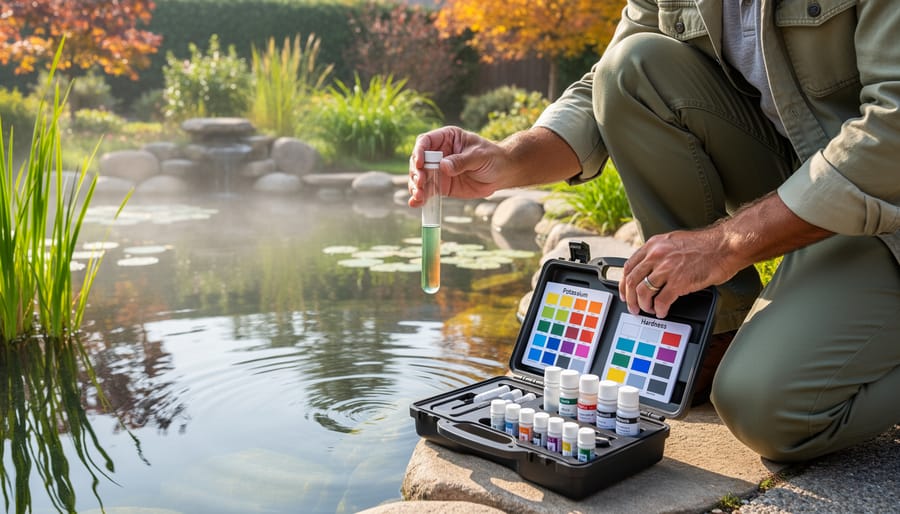
When it comes to testing your pond water for potassium levels, you’ve got several practical options that won’t break the bank.
Test strips are your quickest friend here. They’re affordable, easy to use, and perfect for regular monitoring. Just dip, wait a minute, and compare the color to the chart. I keep a pack in my shed and check my pond weekly during growing season. They’re great for catching problems early.
Digital meters take things up a notch if you’re serious about precision. They cost more upfront but give you exact readings and last for years. I upgraded after my third season, and honestly, the accuracy is worth it when you’re troubleshooting stubborn algae issues.
For comprehensive analysis, professional lab testing is your go-to option. Send them a water sample when something’s really off and you can’t figure out why. They’ll test for potassium alongside dozens of other parameters, giving you the complete picture. This is especially helpful if you’ve tried everything and your pond still isn’t responding as expected.
What the Numbers Mean for Your Pond
So, what do your test results actually tell you? In healthy ponds, potassium levels typically range between 2-10 ppm (parts per million). Don’t worry if your pond falls slightly outside this range, though. What matters most is watching for sudden changes that might signal runoff issues or imbalanced water chemistry.
Here’s my best tip from years of pond keeping: never read potassium levels in isolation. Think of them as part of a bigger picture. If your potassium is climbing and your pH is above 8.5, you might be dealing with fertilizer runoff or excess plant decay. Low potassium with acidic pH (below 7) could mean your pond needs more organic matter or better circulation.
When I test my pond, I grab my notebook and record potassium alongside pH, ammonia, and nitrate readings. This habit has saved me countless headaches! Watching these numbers together tells a story about what’s really happening in your water. For example, high potassium with normal pH usually isn’t concerning, but paired with alkaline conditions and algae blooms, it’s time to investigate your water sources and surrounding landscape drainage patterns.
Keeping Your Pond Chemistry in Check
Quick Fixes for Immediate Problems
If you notice your pond water suddenly cloudy or fish gasping at the surface after adding potassium-based fertilizers, act fast. First, stop any ongoing treatments immediately. Potassium reacting with water creates potassium hydroxide, which shoots your pH sky-high, making life miserable for your fish and plants.
Your quickest fix? Dilution is your friend. Perform a 25-50% water change using dechlorinated water to reduce potassium concentration and bring pH down. I learned this the hard way when I over-fertilized my koi pond last spring and watched my pH hit 9.2 within hours.
Test your water parameters every few hours using a reliable test kit. If pH remains dangerously high above 8.5, consider adding pH-reducing products specifically designed for ponds, but go slowly. Rapid pH swings stress fish worse than slightly elevated levels.
For pond owners dealing with fertilizer runoff from nearby lawns, install a simple barrier or redirect drainage away from your pond. Prevention beats emergency fixes every time. Keep activated carbon or zeolite on hand as these materials absorb excess nutrients and help stabilize water chemistry during emergencies.
Long-Term Balance Strategies
Now that you understand the chemistry, let’s talk about keeping your pond happy for the long haul. Think of it like maintaining a car – regular check-ups prevent major problems down the road.
Start with weekly water tests during warmer months when chemical reactions speed up. I test mine every Sunday morning with my coffee – it’s become a relaxing ritual! Check potassium levels alongside pH, and you’ll spot trends before they become crises.
Create buffer zones around your pond using native plants that naturally filter runoff. These green guardians catch excess fertilizers before they reach your water. I planted a ring of ornamental grasses around mine, and they’ve been absolute champions at protecting water quality.
Choose aquatic plants wisely. Submerged plants like hornwort and water sprite actively absorb excess potassium, acting as natural regulators. They’re doing chemistry homework for you while looking gorgeous.
Water management matters too. During heavy rains, divert runoff away from your pond to prevent sudden chemical spikes. Install a simple rain garden nearby to catch and filter storm water naturally.
Remember, maintaining water balance isn’t about perfection – it’s about consistency. Small, regular efforts beat occasional heroic interventions every time. Your pond ecosystem will thank you with crystal-clear water and thriving fish.
Seasonal Adjustments Throughout the Year
Your pond’s chemistry dances with the seasons, and understanding these rhythms helps you stay ahead of problems. In spring, melting snow and heavy rains flush potassium-rich runoff into your pond, potentially spiking nutrient levels and triggering algae blooms. I’ve learned to test my water weekly during this time to catch any imbalances early.
Summer brings its own challenges as heat accelerates the potassium-water reaction and increases evaporation, concentrating minerals. Your fish become more active and plants grow vigorously, both consuming potassium at faster rates. I always keep extra dechlorinator handy for frequent top-offs during hot spells.
Fall introduces decaying leaves that release potassium back into the water as they break down. This is when I’m most vigilant about skimming debris before it sinks. Think of it as preventing a slow-release fertilizer bomb in your pond.
Winter dormancy slows everything down. Fish metabolism drops, plants rest, and chemical reactions happen at a snail’s pace. While this seems peaceful, don’t skip your winter water checks completely—ice cover can trap gases and create surprising chemistry shifts beneath the surface.
Here’s the thing I’ve learned after years of tending ponds: chemistry doesn’t have to be scary. Sure, when you first see that balanced equation—2K + 2H₂O → 2KOH + H₂—it might look like something from high school that you’d rather forget. But understanding this simple reaction is actually one of the most empowering things you can do as a pond owner.
Let’s recap what really matters. When potassium meets water in your pond, it creates potassium hydroxide, which raises your pH levels. That hydrogen gas bubbling off? It’s harmless and disappears into the air. The real takeaway is that potassium-based fertilizers from your lawn or garden can significantly impact your pond’s chemistry, even in small amounts. This knowledge puts you in control.
I remember when my neighbor’s pond turned murky and lifeless one summer. He was convinced it was some mysterious disease. Turns out, his new fertilizing schedule was the culprit. A few simple tests and adjustments later, his koi were thriving again. That’s the power of understanding what’s happening beneath the surface.
The good news? You don’t need a chemistry degree to maintain a beautiful, healthy pond. Regular testing—just a quick check every week or two during active months—tells you everything you need to know. Think of it like checking your car’s oil. It takes five minutes, but it prevents major headaches down the road.
A little attention really does go a long way. Monitor that runoff, test your water occasionally, and adjust as needed. Your fish, plants, and weekend relaxation time will thank you. You’ve got this!